

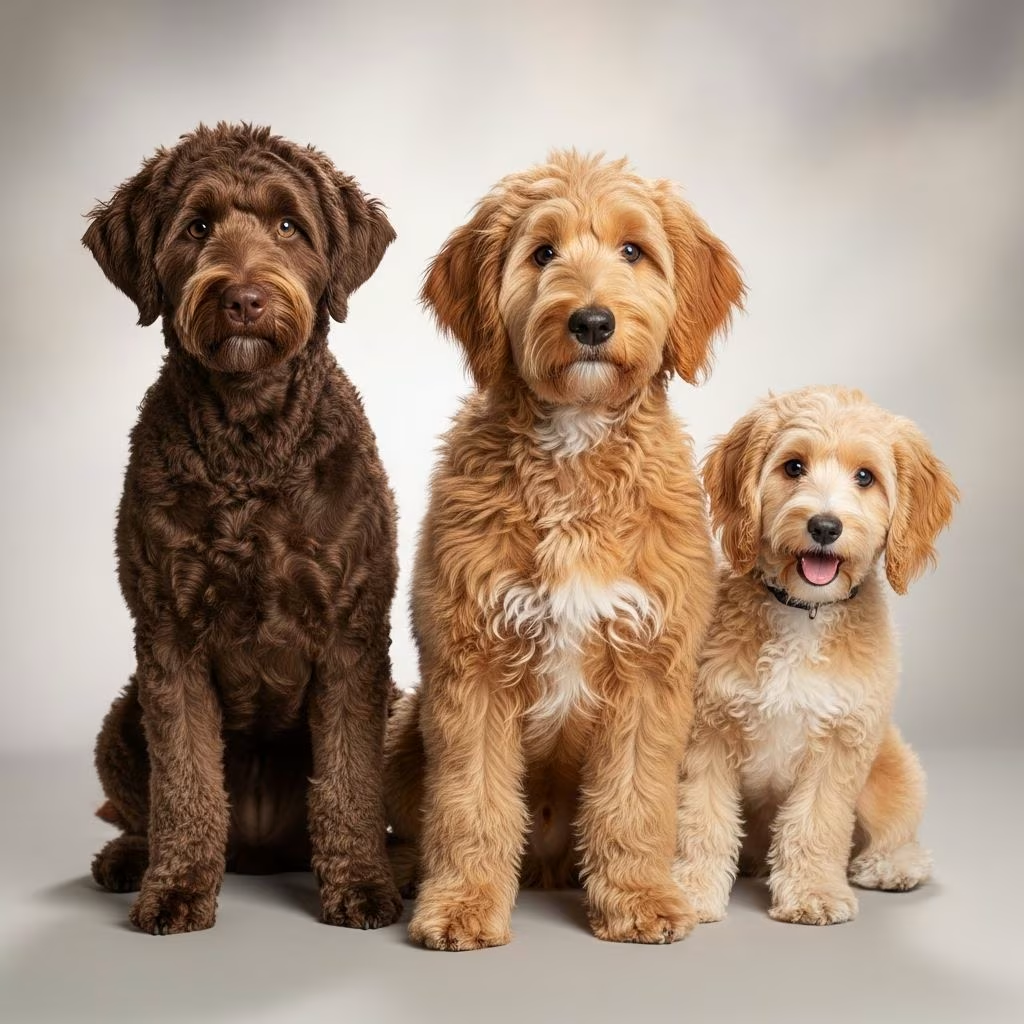
Understanding Doodle Dogs and Poodle Mixes
Doodle dogs have become one of the most sought-after designer dog breeds in recent years, captivating the hearts of dog lovers worldwide with their charming personalities and distinctive appearances. These hybrid dogs are characterized by their curly or wavy coats and endearing temperaments that make them popular choices for families, seniors, and individuals seeking loyal companions. The term “doodle” refers to any dog breed that has been mixed with a Poodle, combining the desirable traits of the Poodle with characteristics of other beloved dog breeds.
The origin of doodle dogs traces back to the creation of the Labradoodle in Australia during the 1980s, when breeders sought to develop a hypoallergenic guide dog that would suit families with allergies. This initial success sparked a wave of experimentation, leading to the development of numerous doodle varieties that have since gained immense popularity across the globe. The appeal of doodles lies in their combination of intelligence, trainability, and often hypoallergenic or low-shedding coats inherited from their Poodle parent.
Why Are Doodle Dogs So Popular?
The surge in doodle dog popularity stems from several compelling factors that address modern pet owners’ desires and lifestyle needs. Poodles are renowned as one of the smartest dog breeds, and when crossed with other intelligent and athletic breeds, the resulting offspring often inherit exceptional cognitive abilities and trainability. Additionally, many doodle varieties possess coats that shed minimally or not at all, making them appealing options for individuals with allergies or those who prefer less fur around their homes.
Beyond their practical advantages, doodles are cherished for their wonderful personalities. They typically combine the loyalty and affection of their non-Poodle parent with the intelligence and eagerness to please characteristic of Poodles. This blend creates dogs that are both highly trainable and deeply devoted to their families. The variety of sizes available—from tiny Maltipoos to massive Saint Bernedoodles—ensures that there is a doodle breed suited to virtually any living situation, whether apartment or suburban home.
Popular Doodle Breeds and Their Characteristics
Labradoodle: The Original Doodle
The Labradoodle, a cross between a Labrador Retriever and a Poodle, holds the distinction of being the original doodle breed. Initially bred as hypoallergenic guide dogs, Labradoodles gained popularity as companion dogs due to their friendly and trainable nature. They are intelligent, eager to please, and playful, making them excellent choices for families seeking active, engaging companions.
Key Characteristics:
- Weight: 45-65 pounds
- Height: 21-24 inches
- Coat Colors: Black, cream, chocolate, gold, or parti (combination of colors)
- Coat Texture: Wavy, curly, or fleece
- Personality: Friendly, intelligent, energetic, and eager to please
Goldendoodle: The Family Favorite
Goldendoodles are crosses between Golden Retrievers and Poodles, and they first gained popularity in the 1990s following the success of Labradoodles. These designer dogs are renowned for their sunny personalities and often non-shedding coats. Their playful nature and intelligence make them excel at obedience training, establishing them as ideal family dogs.
Key Characteristics:
- Weight: 15-30 pounds
- Height: 14-18 inches
- Coat Colors: Black, brown, gold, red, or parti
- Coat Texture: Wavy or curly
- Personality: Playful, energetic, intelligent, and affectionate
Bernedoodle: The Gentle Giant
Bernedoodles combine the intelligence of Poodles with the friendly and majestic qualities of Bernese Mountain Dogs. These gentle giants are known for their loyalty and love for cuddles. Most Bernedoodles are breeding for companionship and are equally content snuggling on the couch or running through the woods.
Key Characteristics:
- Weight: 70-90 pounds
- Height: 23-29 inches
- Coat Colors: Black, white, brown (tri-color pattern common)
- Coat Texture: Wavy or curly
- Personality: Gentle, loyal, intelligent, and affectionate
Aussiedoodle: The High-Energy Companion
Aussiedoodles combine the Australian Shepherd’s intelligence with the Poodle’s non-shedding coat. These dogs are active and loyal companions known for their goofy and loving personalities. They require substantial exercise and outdoor activity to keep them mentally stimulated and behaviorally balanced.
Key Characteristics:
- Weight: 40-70 pounds
- Height: 16-23 inches
- Coat Colors: Black, merle (marbled pattern), red, or parti
- Coat Texture: Wavy or curly
- Personality: Intelligent, energetic, loyal, and playful
Cavapoo: The Gentle Lap Dog
Despite not having the word “doodle” in their name, Cavapoos are technically a doodle breed. They are mixes between Cavalier King Charles Spaniels and Poodles. These merry companions are known for their sweet personalities and gentle nature. Their small stature makes them perfect for apartment living and they are often used as therapy animals.
Key Characteristics:
- Weight: 14-25 pounds
- Height: 12-14 inches
- Coat Colors: Black and white, brown and white, or tricolor
- Coat Texture: Wavy or curly
- Personality: Gentle, playful, affectionate, and adaptable
Additional Popular Doodle Varieties
Beyond the most common doodle breeds, several other exciting varieties have emerged to meet diverse preferences and needs.
Sheepadoodle
This newer mix combines an Old English Sheepdog with a Poodle. Sheepadoodles are typically gentle with fluffy coats and laid-back personalities, making them wonderful family companions.
Irish Doodle
The Irish Doodle is a mix between an Irish Setter and a Poodle. These intelligent, athletic dogs are very friendly but require plenty of exercise and entertainment to thrive.
Boxerdoodle
Boxerdoodles tend to be very playful and energetic like their Boxer parents. Early socialization is important to ensure they grow into well-adjusted adults.
Saint Bernedoodle
These gentle giants are crosses between Saint Bernards and Poodles. They are best known for their impressive size but maintain a very laid-back and calm demeanor.
Understanding Doodle Coat Types and Hypoallergenic Properties
One of the primary reasons doodles have become so popular is the promise of hypoallergenic or low-shedding coats. However, it’s important to understand that there is no truly hypoallergenic dog breed. The Poodle parent contributes genes for a curly coat that sheds minimally, but the outcome varies depending on which parent’s coat genes are dominant in individual puppies.
Doodle coats typically fall into three categories: wavy, curly, or fleece. Curly coats tend to shed the least and are generally considered the most hypoallergenic option. Wavy coats represent a middle ground, while fleece coats can vary in shedding levels. Prospective doodle owners should understand that shedding and allergen levels are not guaranteed, and individual dogs may shed more or less than expected.
Health Considerations for Doodle Dogs
Like all dog breeds, doodles are susceptible to certain health conditions. Responsible breeders conduct health testing to minimize the risk of hereditary issues. Common health concerns in doodles may include hip dysplasia, ear infections (particularly in dogs with floppy ears), eye conditions, and certain genetic disorders inherited from their parent breeds.
Regular veterinary check-ups, a balanced diet, appropriate exercise, and proper grooming are essential components of maintaining a doodle’s health. Their curly or wavy coats require regular brushing and professional grooming every 6-8 weeks to prevent matting and maintain coat health. Ear cleaning is particularly important for doodles with floppy ears, as their ear structure can trap moisture and increase infection risk.
Training and Socialization Requirements
Doodles are generally highly intelligent and eager to please, making them responsive to training. Their Poodle heritage contributes significant cognitive ability, while their other parent breed typically adds enthusiasm and willingness to work. Early socialization is crucial for all doodle varieties to ensure they develop into well-mannered, confident adults.
Positive reinforcement training methods work exceptionally well with doodles, as they respond enthusiastically to praise and rewards. These dogs thrive with consistent boundaries, regular mental stimulation, and engaging activities. Without adequate exercise and mental enrichment, some doodles may develop behavioral issues, particularly those from high-energy parent breeds like Australian Shepherds or Irish Setters.
Exercise and Activity Needs
Exercise requirements vary significantly among doodle breeds depending on their parent breeds. Smaller varieties like Cavapoos may be satisfied with moderate daily walks and indoor play, while larger and more athletic varieties like Aussiedoodles, Irish Doodles, and Shepadoodles require substantial daily exercise, including long walks, runs, or active play sessions.
Mental stimulation is equally important as physical exercise for most doodles. Interactive toys, puzzle feeders, training sessions, and games like fetch provide the cognitive engagement these intelligent dogs need to remain happy and well-behaved.
Grooming and Maintenance
The grooming needs of doodle dogs are often underestimated by prospective owners. Their curly and wavy coats require regular maintenance to prevent painful matting and maintain skin health. Daily brushing is recommended for most doodles, with professional grooming appointments scheduled every 6-8 weeks.
In addition to coat care, doodles require regular ear cleaning (especially those with floppy ears), nail trimming, teeth brushing, and eye care. The grooming commitment should be carefully considered before choosing a doodle as a pet, as inadequate coat maintenance can lead to skin issues and discomfort.
Doodle Breeds Comparison Table
| Breed | Weight | Height | Energy Level | Best For |
|---|---|---|---|---|
| Labradoodle | 45-65 lbs | 21-24 inches | High | Active families |
| Goldendoodle | 15-30 lbs | 14-18 inches | Medium-High | Families |
| Bernedoodle | 70-90 lbs | 23-29 inches | Medium | Families seeking calm companions |
| Aussiedoodle | 40-70 lbs | 16-23 inches | High | Active families |
| Cavapoo | 14-25 lbs | 12-14 inches | Low-Medium | Apartments, seniors |
| Saint Bernedoodle | 130-180 lbs | 26-30 inches | Low-Medium | Families with space |
Frequently Asked Questions About Doodle Dogs
Q: Are doodles truly hypoallergenic?
A: No dog breed is completely hypoallergenic. While doodles often shed less than many other breeds and may produce fewer allergens, allergic reactions vary by individual. It’s recommended to spend time with the specific dog before committing to ownership.
Q: How much do doodles cost?
A: Doodle prices vary significantly based on breed, breeder reputation, and location, typically ranging from $800 to $3,000 or more. Always purchase from reputable breeders who conduct health testing on parent dogs.
Q: What is the lifespan of a doodle dog?
A: Most doodles live 10-15 years, depending on the breed mix and overall health. Smaller doodles tend to live slightly longer than larger varieties.
Q: Do doodles make good apartment dogs?
A: Smaller doodles like Cavapoos are well-suited to apartment living. Larger and high-energy varieties require more space and outdoor exercise opportunities.
Q: How often should I groom my doodle?
A: Professional grooming every 6-8 weeks is recommended, with daily brushing at home to prevent matting. This requirement should be factored into your decision to own a doodle.
Q: Are doodles good with children?
A: Most doodles are excellent with children when properly socialized. Their friendly and playful nature makes them wonderful family pets, though supervision is always recommended with young children.
Q: What should I look for in a doodle breeder?
A: Choose breeders who conduct health testing on parent dogs, provide references, offer health guarantees, and demonstrate genuine concern for their dogs’ welfare. Avoid puppy mills and backyard breeders.
References
- Doodle Breeds 101: Characteristics, Care, and More — Earth Rated. 2024. https://www.earthrated.com/blogs/blog/doodle-breeds
- The 16 Most Popular Types of Doodle Dogs — PetMD. 2024. https://www.petmd.com/dog/care/types-of-doodle-dogs
- What is a Doodle? And Why Are They So Popular? — Chris Christensen. 2024. https://chrischristensen.com/blogs/news/what-is-a-doodle-and-why-are-they-so-popular
- 15 Types of Doodle Dogs, Explained — PureWow. 2024. https://www.purewow.com/family/types-of-doodle-dogs
- Doodle Dogs: Why Poodle Mixes Are Not The Family Dogs You Think — Spirit Dog Training. 2024. https://spiritdogtraining.com/breeds/doodle-dogs-poodle-mixes/



