

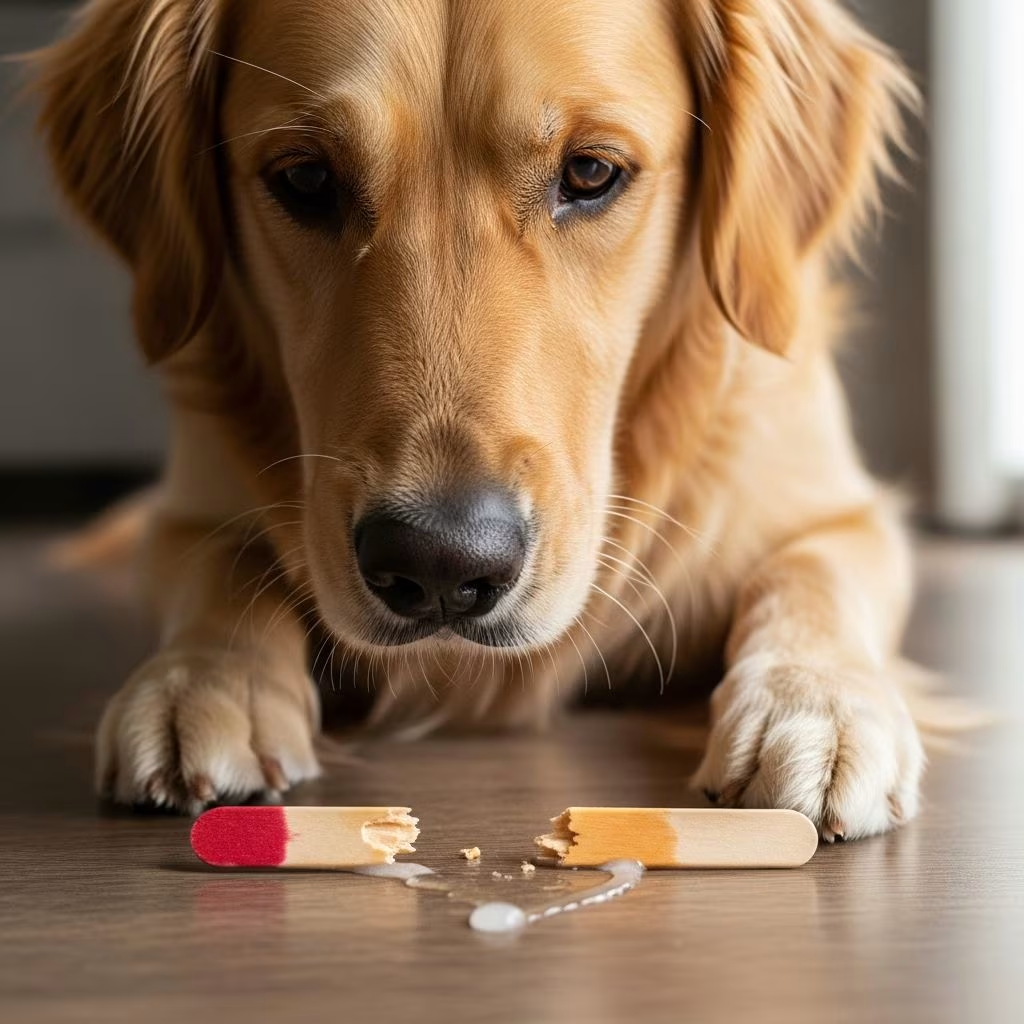
When your beloved canine companion swallows something unexpected, panic often sets in. One common incident that concerns many dog owners involves popsicle sticks—those innocuous wooden treats that become particularly appealing to dogs when they still bear traces of frozen desserts. While it might seem like a minor mishap, the ingestion of a popsicle stick can present serious health risks that warrant immediate attention and understanding.
Why Dogs Are Attracted to Popsicle Sticks
The appeal of popsicle sticks to dogs is straightforward yet problematic. These wooden sticks frequently retain remnants of sugary treats, ice cream, or juice that make them irresistible to our four-legged friends. Dogs rely heavily on their sense of smell and taste, and even the faintest scent of something delicious can trigger their natural scavenging instincts. This attraction becomes even more pronounced in social settings where food is present, such as family gatherings or outdoor events where popsicles are enjoyed.
Beyond the residual flavoring, popsicle sticks can mimic the texture and size of toys or natural objects that dogs would encounter in the wild. Without the cognitive ability to distinguish between safe and unsafe items, dogs may treat a popsicle stick as just another object worthy of investigation and consumption.
Understanding the Physical Dangers
The primary concern with popsicle stick ingestion stems from the material’s inherent properties. Wood, particularly the thin, dry wood used in popsicle sticks, splinters easily when chewed or when subjected to the mechanical forces of digestion. Unlike food that breaks down naturally in the stomach, wooden splinters present sharp, jagged edges that pose multiple hazards throughout the digestive system.
Intestinal Perforation and Peritonitis
The most critical risk involves perforation of the gastrointestinal tract. When sharp wooden splinters pass through the intestinal lining, they can create holes or tears that allow bacteria and digestive contents to leak into the abdominal cavity. This condition, known as peritonitis, triggers rapid bacterial infection and inflammation. The consequences are severe: septic peritonitis can develop quickly and may prove fatal without emergency surgical intervention. The peritoneal cavity, which surrounds the organs, becomes contaminated, leading to systemic infection and potential organ failure.
Migration and Organ Damage
Another significant danger involves the stick’s potential to migrate to different locations within the body. Small fragments or even intact portions of the popsicle stick can move beyond the gastrointestinal tract and penetrate major organs. Documented cases show that splinters can reach the liver or migrate into the thoracic cavity where they may puncture the lungs. These scenarios represent life-threatening emergencies requiring immediate surgical exploration and removal.
Foreign Body Reactions
Even when wooden fragments don’t cause immediate perforation, they can trigger foreign body reactions within the digestive tract. The body recognizes the wood as an irritant and attempts to isolate it through inflammation and abscess formation. These localized infections can cause severe illness and may require advanced diagnostic imaging such as CT or MRI scans to locate and treat.
Lodging in the Mouth and Throat
The popsicle stick may never reach the stomach at all. Fragments can become embedded in soft tissues of the mouth, gums, or throat area, causing swelling, infection, and abscess formation. Even tiny splinters can cause significant trauma to delicate tissues, leading to difficulty eating, drooling, or breathing difficulties depending on the location and size of the fragment.
Recognizing Warning Signs in Your Dog
If you suspect your dog has consumed a popsicle stick but did not witness the event directly, several behavioral and physical changes may indicate a problem. Recognizing these symptoms early can mean the difference between a manageable situation and a life-threatening emergency.
Gastrointestinal Distress Indicators
- Vomiting: One of the most common signs, vomiting may result from pain, infection, or inflammatory changes within the gastrointestinal tract. Frequent or projectile vomiting warrants immediate veterinary evaluation.
- Appetite Changes: A dog refusing meals or showing reduced interest in food may be experiencing discomfort or nausea from the foreign object.
- Abnormal Bowel Movements: Both diarrhea and constipation can occur depending on whether inflammation, obstruction, or irritation exists. Pay close attention to your dog’s bathroom habits and stool consistency.
- Abdominal Distention: A noticeably swollen or hard belly may indicate obstruction or internal bleeding.
Behavioral and Physical Changes
- Praying Position: When dogs stretch their front legs forward while keeping their rear end elevated, they often signal abdominal pain or discomfort. This posture is frequently seen in dogs experiencing gastrointestinal distress.
- Lethargy and Inactivity: Unusual tiredness, reluctance to play, or excessive rest may indicate pain or systemic infection.
- Behavioral Shifts: Dogs in pain may become guarded, irritable, or aggressive. A normally friendly dog might snap or show defensive behavior when touched near the abdomen.
- Excessive Drooling: Increased salivation or difficulty swallowing can suggest lodgement of material in the mouth or throat.
Signs of Toxicity
If the popsicle contained chocolate ice cream or products sweetened with xylitol (a common artificial sweetener), your dog faces additional toxicity risks beyond the wooden stick itself. In these cases, you should watch for signs including tremors, rapid heartbeat, seizures, or severe lethargy, all of which require emergency care.
Immediate Steps to Take
If you know or suspect your dog has eaten a popsicle stick, swift action is essential. The first and most critical step is contacting your veterinarian immediately. Do not assume the stick will pass harmlessly through your dog’s system or attempt home remedies without professional guidance.
Contact Your Veterinarian: Call your vet right away and describe what your dog ate, approximately how much, and when the ingestion occurred. Provide information about your dog’s size, breed, and current symptoms. Your vet can determine the appropriate level of urgency and may advise you to come in immediately or to monitor your dog closely at home.
Do Not Induce Vomiting: While inducing vomiting is sometimes appropriate for foreign body ingestion, it is not recommended for popsicle sticks. Sharp wooden fragments can cause damage to the esophagus and mouth during vomiting, potentially worsening the situation. Only attempt vomiting induction if explicitly directed by your veterinarian.
Transport Carefully: If you need to take your dog to the vet, handle them gently and avoid putting pressure on the abdomen. If your dog is experiencing severe pain or difficulty, ask for emergency transport assistance.
Diagnostic and Treatment Options
Once your dog receives veterinary evaluation, your vet will recommend diagnostic procedures based on the clinical presentation and your dog’s risk level.
Diagnostic Imaging
X-rays are typically the first imaging choice and can often reveal wooden foreign bodies, though they are not always radiopaque (visible on standard radiographs). If initial X-rays are inconclusive, your vet may recommend CT scans or ultrasound for more detailed visualization. These advanced imaging techniques are particularly useful for locating splinters that may have migrated to unexpected locations.
Monitoring Approach
For lower-risk scenarios—such as when a very large-breed dog has eaten only a small fragment and shows no symptoms—your vet may recommend careful monitoring at home or short-term hospitalization for observation. However, it’s important to understand that even in seemingly low-risk situations, the natural contractions of the digestive system can cause stick fragments to perforate the gut wall at any time.
Surgical Intervention
If imaging reveals perforation, obstruction, or significant damage to the gastrointestinal tract, surgery becomes necessary. During exploratory surgery, your vet can assess the extent of damage and remove damaged tissue sections. This is a major surgical procedure requiring general anesthesia and typically involves several days of hospitalization for recovery and monitoring. Your dog will need pain management, antibiotics, and careful post-operative care.
Understanding the Recovery Timeline
The path to recovery depends entirely on whether complications occurred. In the best-case scenario, a dog may pass the stick naturally within a few days without incident, experiencing no ill effects. However, this fortunate outcome is not guaranteed and should not be assumed.
Dogs undergoing surgery for perforation or obstruction require extended recovery periods. Post-operative hospitalization typically lasts several days, during which your dog receives IV fluids, pain medication, and antibiotics. Activity must be strictly restricted, and your dog will require a bland diet during the recovery phase. Full healing can take weeks, and you’ll need to watch carefully for any signs of complications such as infection or re-obstruction.
Frequently Asked Questions
Can popsicle sticks be digested by dogs?
Unlike food, popsicle sticks are not designed to be digested. While dogs may chew them into smaller pieces, the wood itself will not break down in the stomach or intestines. Instead, it passes through the digestive system as a foreign object.
How long does it take for a popsicle stick to pass through a dog’s system?
If a stick passes naturally without complications, it may take anywhere from a few hours to several days, depending on your dog’s size, metabolism, and the size of the stick. However, not all ingested sticks pass naturally; some cause obstruction or perforation.
Is it ever safe to wait and see what happens?
While some dogs do pass foreign objects without incident, waiting without veterinary guidance is risky. A vet can assess your specific dog’s situation and provide appropriate recommendations. Perforation can occur suddenly, so professional evaluation is always recommended.
What should I do if my dog shows no symptoms after eating a popsicle stick?
The absence of symptoms does not mean your dog is safe. Internal damage may not cause immediate signs. Still contact your veterinarian for evaluation and guidance. Continue monitoring your dog closely for any symptom development over the following days.
Can I give my dog something to help pass the stick?
Do not give your dog food, fiber, or laxatives without veterinary approval. These interventions might worsen certain situations, particularly if obstruction has already begun.
Prevention Strategies for the Future
Preventing popsicle stick ingestion is far preferable to managing it after the fact. Keep popsicles away from dogs during warm weather gatherings. Dispose of used sticks immediately and securely in covered trash cans. Supervise outdoor activities where frozen treats are present. Train your dog to drop or leave food items on command, reducing the likelihood they will consume dangerous objects. Consider using child-proof gates or barriers to restrict your dog’s access to areas where food and trash accumulate.
References
- My Dog Ate a Popsicle Stick: Our Vet Explains What to Do — Hepper. Accessed 2026-01-30. https://articles.hepper.com/my-dog-ate-a-popsicle-stick-vet-answer/
- My dog just gobbled up a whole popsicle stick! Is it dangerous or will it pass? — Dial A Vet. Accessed 2026-01-30. https://www.dialavet.com/vet-answers/dog-ate-popsicle-stick-dangerous-395125
- What should I do if my dog swallowed a popsicle stick while I wasn’t looking? — Dial A Vet. Accessed 2026-01-30. https://www.dialavet.com/vet-answers/dog-swallowed-popsicle-stick-403646



