

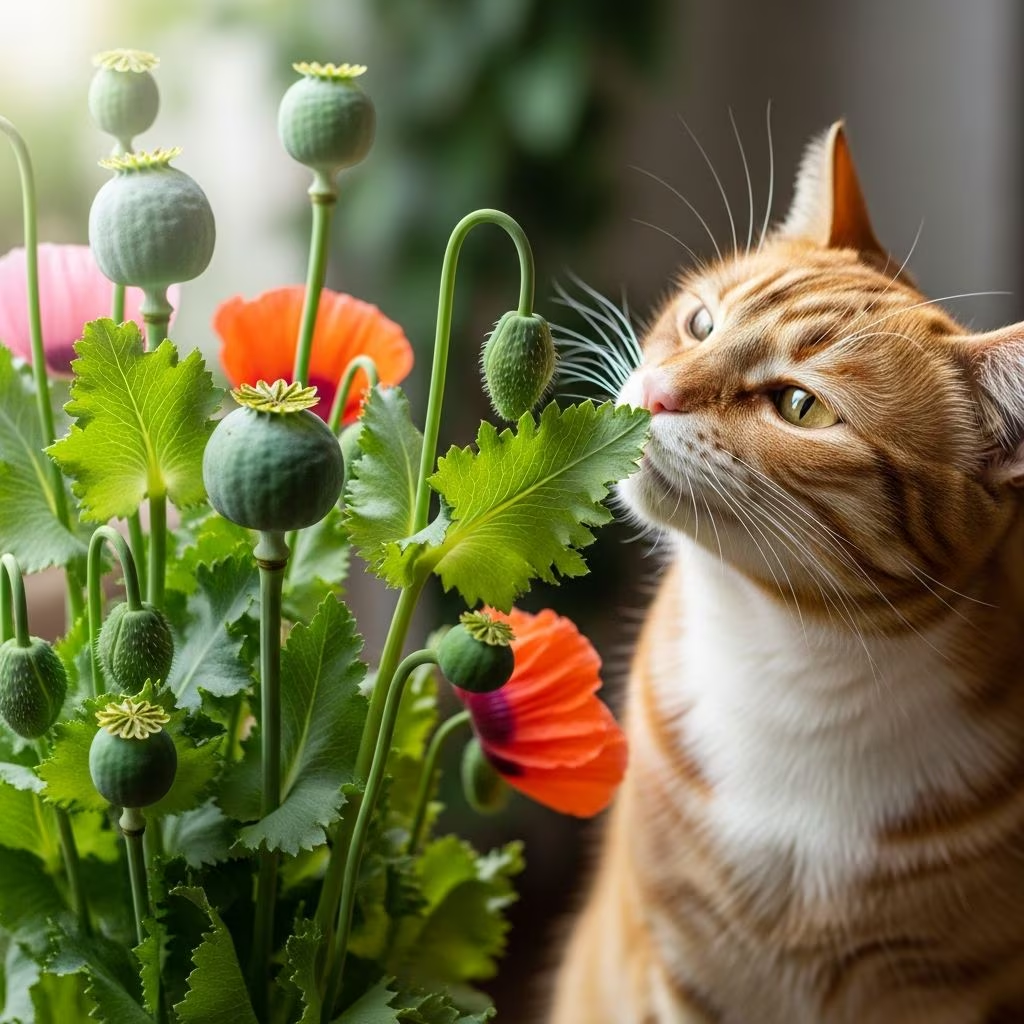
As a cat owner, maintaining a safe home environment requires understanding which plants pose genuine health risks to your feline companion. Among the many plants that demand careful consideration is the poppy family, a diverse group of flowering plants with significant toxicity concerns. This comprehensive guide explores the dangers associated with poppies, helps you identify which species warrant the most caution, and provides actionable steps to protect your beloved pet from accidental poisoning.
Understanding the Poppy Family and Its Composition
Poppies represent a botanically diverse group belonging to the Papaveraceae family, with over 70 species thriving in temperate climates across Europe and North America. These flowering plants are characterized by their vibrant blooms and distinctive appearance, making them popular choices in home gardens and decorative arrangements. However, their aesthetic appeal masks a significant concern for cat owners: the presence of naturally occurring chemical compounds that can harm feline health.
The primary concern stems from alkaloid compounds found throughout poppy plants, particularly isoquinoline and phenanthrene alkaloids. These natural chemicals accumulate differently across various parts of the plant, with the highest concentrations typically found in the milky sap surrounding the seed pods. Understanding this distribution helps explain why certain exposures pose greater risks than others, depending on which plant component a cat ingests.
Comparing Poppy Species and Their Toxicity Levels
While all poppies contain some level of alkaloid compounds, the degree of toxicity varies significantly between species. This variation presents both challenges and opportunities for cat owners seeking to minimize risk in their households and gardens.
Opium Poppies (Papaver somniferum) represent the highest-toxicity category within the poppy family. These species contain narcotic alkaloids including morphine and codeine, compounds historically harvested for pharmaceutical and illicit purposes. The concentration of these potent substances throughout all plant tissues makes opium poppies particularly dangerous for feline ingestion, even in modest quantities.
Ornamental and Garden Varieties typically present lower toxicity profiles compared to opium species, though they remain problematic for cats. California poppies (Eschscholzia californica) occupy a unique position within this spectrum, representing one of the least toxic options among cultivated poppy varieties. These widely-grown ornamental flowers cause only mild gastrointestinal symptoms if ingested by cats, distinguishing them from their more dangerous relatives.
Unidentified or Mixed Poppy Species present particular challenges because accurately identifying specific poppy varieties requires botanical expertise that most homeowners lack. Given the difficulty in distinguishing between species with substantially different toxicity profiles, veterinary guidance recommends treating all poppies as potentially harmful and maintaining strict prevention measures regardless of species classification.
How Poppy Toxins Affect Feline Physiology
The mechanism by which poppy alkaloids harm cats involves disruption of normal neurological and digestive system function. These compounds interact with the feline nervous system in ways that can produce serious physiological changes, even at relatively modest ingestion levels.
Unlike human physiology, which has developed certain metabolic pathways for processing some alkaloid compounds, cats lack the enzymatic machinery necessary for efficient detoxification of poppy-derived toxins. This metabolic deficiency means that cats are substantially more vulnerable than humans to the harmful effects of poppy exposure, and even small quantities can produce pronounced symptoms.
The toxic effect operates through multiple pathways simultaneously. Alkaloid compounds can directly impact the central nervous system, producing the neurological symptoms often observed in affected cats. Additionally, these substances irritate the gastrointestinal tract, triggering digestive distress that serves as one of the most visible early warning signs of poppy poisoning.
Recognizing Poppy Poisoning Symptoms in Cats
Early detection of poppy toxicity depends on recognizing the distinctive symptom cluster that emerges following ingestion. Symptoms typically manifest within hours of plant consumption, though the specific timeline and severity vary based on the quantity consumed and the individual cat’s physiological sensitivity.
- Gastrointestinal distress: Vomiting and diarrhea represent the most common initial indicators of poppy ingestion
- Neurological changes: Uncoordinated movements, tremors, and unusual gait abnormalities indicate nervous system involvement
- Behavioral alterations: Lethargy, weakness, and unusual inactivity suggest systemic toxin effects
- Sensory changes: Pupil dilation and excessive drooling occur as the toxins affect facial and cranial nerves
- Respiratory complications: Slowed breathing or respiratory distress indicates more severe poisoning requiring emergency intervention
- Critical symptoms: Seizures, loss of consciousness, and collapse represent the most severe presentations requiring immediate veterinary emergency care
The progression from mild to severe symptoms can occur rapidly, sometimes within a timeframe of just a few hours. This rapid escalation underscores the importance of seeking veterinary attention promptly upon discovering that your cat has accessed poppy plants, even if initial symptoms appear mild.
Critical First Steps When Your Cat Ingests Poppies
Discovering that your cat has consumed poppies triggers a sequence of necessary actions designed to minimize harm and facilitate appropriate medical intervention. The speed and accuracy of your response significantly influences the medical outcome.
Immediate Containment: Remove your cat from the plant environment immediately and prevent any further access to the poppy source. If the plant is indoors, isolate it from areas where your cat can reach it. If the exposure occurred outdoors, bring your cat inside and create a confined, quiet space where they can rest while you assess their condition.
Symptom Monitoring: Carefully observe your cat for any signs of distress or poisoning symptoms over the following hours. Document the time of exposure and any observed symptoms, as this information will be valuable for your veterinarian’s assessment. Pay particular attention to changes in behavior, appetite, coordination, and breathing patterns.
Veterinary Contact Protocol: Contact your veterinarian or an emergency animal poison control center immediately. Do not wait to see if symptoms develop naturally—professional medical guidance should be your first step after securing your cat. Having information about the specific poppy species (if identifiable) and the quantity your cat likely consumed will assist your veterinarian’s evaluation.
Plant Sample Preservation: If possible, carefully preserve a sample of the plant your cat consumed. Place it in a sealed bag or container and bring it to your veterinary appointment. This tangible specimen may help your veterinarian identify the specific poppy species and assess toxicity potential more accurately.
Vomiting Considerations: Do not attempt to induce vomiting unless explicitly instructed by your veterinarian. While vomiting can remove some toxins from the digestive system, inducing it without professional guidance can sometimes cause additional harm depending on the specific toxin and your cat’s condition.
Veterinary Treatment and Recovery Expectations
Treatment for poppy poisoning in cats follows a supportive care model, as no specific antidote exists for poppy alkaloid poisoning. Veterinary intervention focuses on stabilizing your cat’s condition and supporting their body’s natural detoxification and healing processes.
Symptomatic treatment may include medications to control vomiting, manage tremors or seizures, and support respiratory function if necessary. Intravenous fluid therapy helps maintain hydration and supports kidney and liver function during the detoxification period. In more severe cases, monitoring in a veterinary hospital allows for continuous assessment and rapid intervention if your cat’s condition deteriorates.
Recovery timelines depend on the toxin load and individual cat factors. Cats with mild exposures may recover within 24-48 hours, while more significant ingestions may require extended recovery periods. Your veterinarian will provide specific guidance about monitoring, dietary adjustments, and activity restrictions during the recovery phase.
Prevention Strategies for Cat-Owning Gardeners
The most effective approach to poppy toxicity in cats involves prevention rather than emergency response. Creating a poppy-free environment where your cat cannot accidentally access these plants eliminates the risk entirely.
Household Plant Management: Avoid bringing cut poppies into your home as decorative arrangements. Even flowers displayed in vases present a temptation for curious cats, particularly young animals with developing judgment about plant safety. If you receive poppy arrangements as gifts, either decline them politely or place them in secured areas your cat cannot access.
Garden Planning Considerations: If you maintain a garden and have outdoor cats or cats with access to outdoor areas, remove poppy plants from these spaces. Replace them with cat-safe alternatives that provide similar visual appeal, such as sunflowers, zinnias, or marigolds. These substitute plants offer comparable beauty without the associated toxicity risks.
Neighbor Communication: If your cat has outdoor access, familiarize yourself with neighboring yards’ plantings. Politely discuss potential toxicity concerns with neighbors who grow poppies, and establish boundaries that minimize your cat’s exposure to their plants. Some neighbors may not realize the danger these plants pose to pets and may be willing to relocate them.
Environmental Monitoring: Regularly inspect your indoor and outdoor environments for poppy plants, particularly during spring and early summer when these plants are actively growing. Check window sills, shelves, and garden areas where poppies might be introduced intentionally or accidentally.
Special Considerations for Poppy Seeds
A particular concern for cat owners involves poppy seeds, which present ongoing exposure risks even after flowering plants have been removed. Poppy seeds contain the same alkaloid compounds found in other plant parts, though sometimes in lower concentrations. However, the small size and attractive nature of seeds can make them particularly tempting for playful cats to investigate and consume.
Seeds may be found in birdseed mixtures, baked goods, or culinary ingredients stored in your kitchen. Secure these items in sealed containers kept in closed cabinets away from your cat’s reach. Even small accidental exposures—such as seeds scattered during meal preparation—warrant monitoring and potential veterinary consultation if ingestion seems likely.
Frequently Asked Questions About Poppy Safety for Cats
Can my cat safely eat California poppies?
California poppies present the lowest toxicity profile among poppy varieties and are not considered truly toxic to cats. However, consuming large quantities of flowers or leaves can still trigger mild gastrointestinal upset including vomiting or diarrhea stemming from their natural plant compounds rather than potent alkaloids. Monitoring is recommended even with this safest poppy variety.
How quickly do poisoning symptoms appear after poppy ingestion?
Most cats experiencing poppy toxicity show observable symptoms within a few hours of consuming the plant material. However, symptom onset varies based on the specific poppy species, quantity ingested, and individual cat metabolism. Some cats may show signs within 30 minutes, while others might experience delayed symptom appearance of several hours.
Is there a safe quantity of poppies my cat can consume?
No established safe consumption threshold exists for cats and poppies. While cats would need to ingest several whole poppy plants to cause serious systemic illness, individual variation means that even modest exposures could affect certain cats, particularly kittens, senior cats, or those with underlying health conditions. Complete avoidance remains the safest approach.
What should I do if my cat only nibbled a single petal?
Even minimal exposure warrants close monitoring for the next 12-24 hours. Watch carefully for any appearance of vomiting, diarrhea, behavioral changes, or coordination problems. Contact your veterinarian if any symptoms develop or if you’re uncertain about your cat’s condition. It’s better to seek professional reassurance than risk missing early warning signs of more serious toxicity.
Are dried poppy flowers safer than fresh ones?
Drying does not eliminate the alkaloid compounds present in poppy tissues. Dried poppy flowers retain the same toxic properties as fresh flowers and present equivalent risks to cats. Storage or preparation methods do not reduce the inherent toxicity of these plants.
Summary and Key Protective Actions
Protecting your cat from poppy toxicity requires awareness, prevention, and preparedness. While cats possess natural instincts that typically protect them from deliberately consuming large quantities of toxic plants, accidents happen when curiosity overrides caution. Understanding that all poppy species contain some level of harmful alkaloid compounds, with opium poppies presenting the greatest danger, provides the foundational knowledge necessary to keep your feline companion safe.
The most effective strategy combines prevention—removing poppy plants from your cat’s environment—with preparation for potential exposures. Knowing the distinctive symptoms of poppy poisoning, understanding the immediate steps to take if exposure occurs, and establishing a relationship with your veterinarian before emergencies arise all contribute to a comprehensive safety approach. By implementing these protective measures and maintaining vigilance about the plants in your home and yard, you can eliminate poppy toxicity as a health threat to your beloved cat.
References
- Catster – Are Poppies Toxic To Cats? Vet Approved Facts & FAQ — Catster Editorial. 2026. https://www.catster.com/cat-health-care/are-poppies-toxic-to-cats/
- Are Poppies Toxic to Cats? Safety & Symptoms Guide — Zoorithm. 2026. https://www.zoorithm.com/cats/are-poppies-toxic-to-cats
- Are Poppies Poisonous to Cats? Keeping Your Cat Safe — Hepper. 2026. https://articles.hepper.com/are-poppies-poisonous-to-cats/
- Are California Poppies Safe for Cats? Understanding the Risks — Oreate AI. 2026. https://www.oreateai.com/blog/are-california-poppies-safe-for-cats-understanding-the-risks/



