

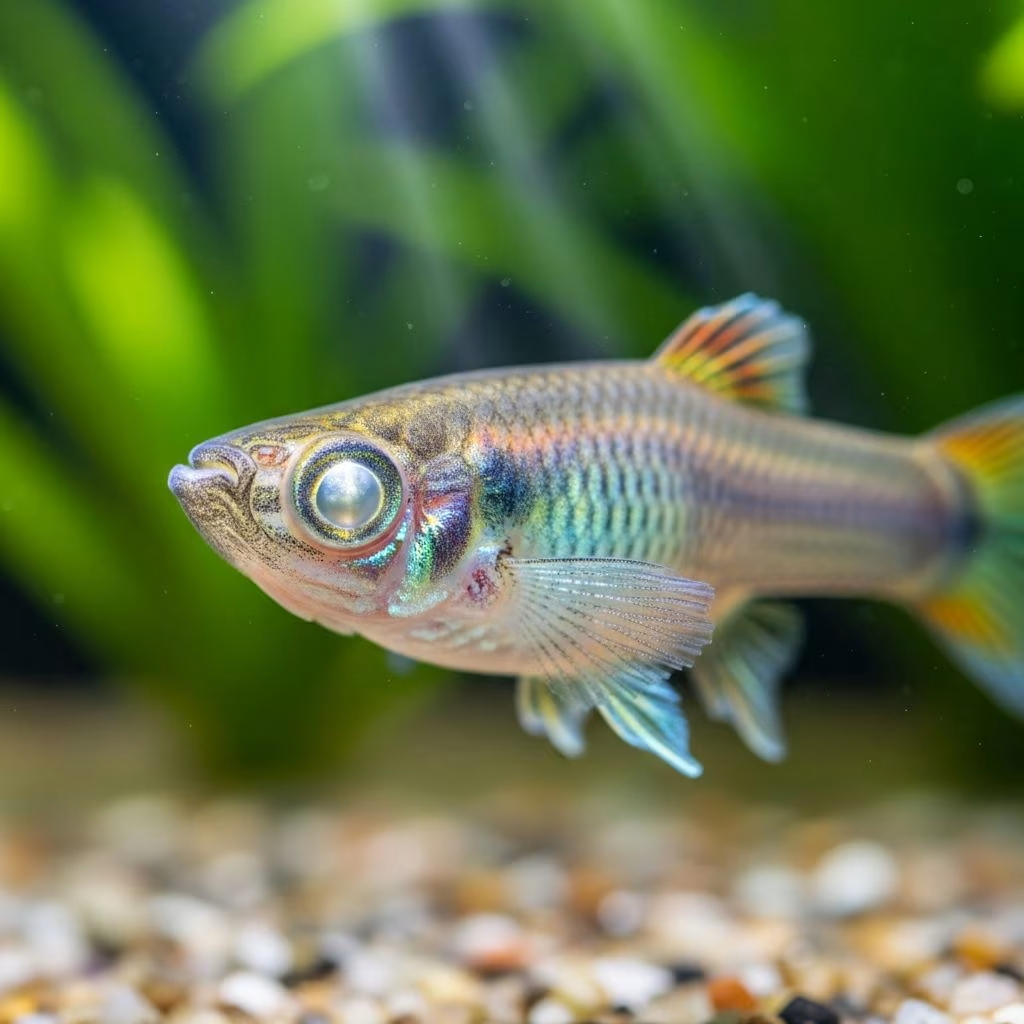
Understanding Popeye Disease in Fish
Popeye, medically known as exophthalmia, is a condition characterized by the swelling of one or both eyes in aquarium fish. The condition occurs when tissue fluid leaks into the region behind the eyeball, creating pressure that forces the fish’s eye outward. While popeye can be concerning for aquarium enthusiasts, understanding its causes, symptoms, and treatment options can help you manage the condition effectively. The good news is that while popeye is difficult to treat, it is relatively easy to prevent with proper aquarium maintenance and care.
What is Popeye in Fish?
Popeye is a condition where the eyes of affected fish appear to bulge outward, often accompanied by cloudiness or a white appearance. The cloudiness results from damage to the cornea, the transparent layer of skin covering the pupil. The swelling occurs due to fluid accumulation behind the eyeball, and opportunistic bacterial infections commonly develop as a secondary problem. This makes popeye a complex condition with multiple interconnected issues that need to be addressed simultaneously for successful treatment.
The Pathology of Popeye
Understanding the pathology of popeye helps in developing effective treatment strategies. The condition consists of three distinct problems: damage to the cornea, accumulation of fluid behind the eyeball, and opportunistic bacterial infections. When tissue fluid leaks into the space behind the eye, pressure builds up and forces the eyeball outward. This creates an environment where bacteria can thrive, leading to secondary infections that complicate recovery. The cloudiness you observe is direct evidence of corneal damage, which may be temporary or permanent depending on the severity of the condition and how quickly treatment begins.
Common Causes of Popeye Disease
Popeye disease in fish can result from various causes, and identifying the underlying reason is crucial for effective treatment. The most common causes include physical trauma, bacterial infections, poor water quality, and internal organ dysfunction.
Physical Trauma and Injury
The number one cause of popeye disease is physical trauma. Fish often get spooked or become overly excited and run into objects such as decorations, rocks, or tank walls, damaging their eyes. Some species, particularly fancy goldfish varieties like black moors with naturally protruding eyeballs, are more prone to eye injuries due to their anatomy. These fish are predisposed to popeye because their eyes already extend further from their heads, making them more vulnerable to accidental impact.
Internal Swelling and Organ Dysfunction
The second most common cause of popeye is internal swelling caused by organ dysfunction. Freshwater fish constantly take on water, and their gills and kidneys work to remove the excess. When the kidneys or gills are not functioning correctly, the fish’s body begins accumulating excess moisture. This fluid buildup can concentrate in the tissues behind the eye, causing it to protrude. Poor water quality is often the primary cause of kidney or gill dysfunction, making it the underlying issue that must be corrected before the popeye itself can resolve.
Bacterial and Parasitic Infections
Bacterial infections are a significant cause of popeye, with Corynebacterium being the most common culprit. This gram-positive bacterium is responsible for many cases of popeye in tropical fish. Parasitic infections, though less common, can also contribute to the condition, particularly in wild-caught fish or newly acquired specimens that haven’t been properly quarantined. Aeromonas and Pseudomonas bacteria are also known to cause eye socket infections that result in dramatic swelling.
Poor Water Quality
Environmental stress from poor water quality compromises a fish’s immune system, making it more susceptible to infections. Elevated ammonia and nitrate levels, improper pH balance, and unsuitable water temperature create conditions that weaken fish immunity and promote disease development. Tanks with inadequate maintenance and high bioload are particularly prone to producing fish with popeye.
Recognizing Popeye Symptoms
Early recognition of popeye symptoms allows for faster intervention and better outcomes. Common signs include one or both eyes bulging outward, cloudiness or whiteness of the eye, and visible swelling around the eye socket. In cases of internal bacterial infection, additional symptoms may include pale and eroded gills, weight loss despite a swollen body, and protruding scales. Some fish may also exhibit behavioral changes or reduced activity levels.
Treatment Strategies for Popeye Disease
Treating popeye requires a multi-faceted approach addressing the underlying causes and symptoms. Because popeye presents three distinct problems, successful treatment typically involves water quality improvement, fluid reduction, and bacterial infection management.
Improve Water Conditions
Begin treatment by testing your water parameters immediately. Check ammonia, nitrate, and nitrite levels, ensuring they are within acceptable ranges for your specific fish species. Test pH and temperature as well, making adjustments if necessary. Perform partial water changes to improve water quality and reduce ammonia levels. In severe cases, a complete tank cleaning may be necessary to remove accumulated waste and restore optimal conditions. Stable water conditions are essential for healing and preventing further complications.
Quarantine Affected Fish
Remove the infected fish and place it in a separate quarantine tank with optimal water conditions. This isolation prevents the spread of infection to other tank inhabitants and allows you to administer targeted treatment more effectively. The quarantine tank should have gentle filtration, regular water changes, and stable parameters that match the requirements of your affected fish.
Use Epsom Salt Treatment
Epsom salt is a proven remedy for reducing swelling associated with popeye. This mineral compound, composed of oxygen, sulfur, and magnesium, has been used for centuries to treat inflammation and fluid retention. Add between one and three teaspoons of Epsom salt per five gallons of water in your treatment tank. The reduction in puffiness should become noticeable within several days. Continue monitoring your fish daily during treatment and maintain stable water conditions throughout the process. While Epsom salt helps reduce swelling, it does not address bacterial infections, so it should be used in combination with other treatments when necessary.
Administer Antibiotics
When bacterial infection is present, antibiotics become essential. Several options are available depending on your fish species and the type of bacteria involved. Erythromycin is commonly used and should be administered in food rather than added to water for optimal effectiveness. For goldfish specifically, Baytril has proven effective, though it is a prescription medication. Kanaplex is another option available to aquarists for treating bacterial popeye. Broad-spectrum antibiotics administered orally as medicated food are preferred for treating internal infections. Treatment typically takes several weeks to several months in serious cases, requiring consistent monitoring and adherence to dosing instructions.
Provide Proper Nutrition
During treatment, provide your affected fish with a balanced, vitamin-rich diet. Proper nutrition supports the immune system and promotes corneal healing. Quality foods containing essential vitamins and minerals help the fish recover more quickly from the condition.
Prevention of Popeye Disease
Prevention is far more effective than treatment for popeye disease. By implementing proper care practices, you can significantly reduce the likelihood of this condition affecting your fish.
Maintain Optimal Water Conditions
Regular water testing and maintenance form the foundation of prevention. Perform partial water changes on a consistent schedule appropriate for your tank size and bioload. Monitor ammonia, nitrite, nitrate, pH, and temperature regularly. Keep all parameters within acceptable ranges for your fish species. Proper filtration and regular cleaning of filter media help maintain water quality and prevent the accumulation of harmful substances.
Reduce Environmental Stress
Minimize stress factors in your aquarium environment. Avoid sudden changes in water parameters, maintain appropriate lighting schedules, and provide adequate hiding places. Keep water temperature stable and appropriate for your fish species. Overstocking creates stress and poor water quality, so maintain appropriate population densities.
Select Compatible Tank Mates
Choose tank mates carefully, avoiding aggressive species that may harm peaceful fish. Fighting and aggressive behavior increase injury risk and stress levels, both of which can lead to popeye development. Research compatibility before adding new fish to established tanks.
Provide Safe Decorations
Use only aquarium-safe decorations and avoid sharp objects that could injure fish eyes. For species like fancy goldfish, silk plants are preferable to plastic plants, which can cause injuries. Smooth rocks, sand-covered decorations, and purpose-built fish tank ornaments reduce injury risk compared to rough or sharp items.
Quarantine New Fish
Always quarantine new fish in a separate tank for at least two weeks before introducing them to your main aquarium. This practice prevents the introduction of diseases, parasites, and pathogens that could affect your established fish population.
Special Considerations
Certain fish species require additional attention regarding popeye prevention. Fancy goldfish varieties with naturally bulging eyes, such as black moors and celestial-eyed goldfish, are inherently predisposed to eye problems. These species need particularly careful attention to tank decoration selection and environmental safety. Maintaining pristine water conditions becomes even more critical for these vulnerable species.
When to Seek Professional Help
If popeye persists despite your treatment efforts, or if your fish exhibits additional concerning symptoms, consult an aquatic veterinarian. Some cases may require prescription medications like Baytril or other specialized treatments that only a professional can provide. A veterinarian can also help identify underlying causes you may have missed.
Frequently Asked Questions About Popeye Disease
Q: How long does popeye take to develop in fish?
A: Popeye can develop relatively quickly, sometimes within days of the initial injury or infection. However, in cases caused by chronic water quality issues, development may be more gradual.
Q: Can popeye disease be fatal to fish?
A: Yes, if left untreated, popeye can lead to permanent eye damage or secondary infections that may be fatal, especially in sensitive species. Early intervention significantly improves survival and recovery rates.
Q: Will my fish’s eye return to normal after popeye treatment?
A: In many cases, minor corneal damage improves over time with optimal water conditions and proper nutrition. However, severe damage may result in permanent vision loss or cloudiness.
Q: Is popeye contagious to other fish?
A: While the bacterial infections that cause popeye can spread to other fish, trauma-induced popeye is not contagious. Quarantining affected fish prevents potential spread of infection.
Q: How often should I do water changes during popeye treatment?
A: During treatment, perform water changes more frequently than your normal routine—typically every 2-3 days or as recommended by treatment instructions—to maintain optimal water conditions and reduce medication buildup.
Q: Can I use regular salt instead of Epsom salt for popeye treatment?
A: No, aquarium salt can be used for some treatments, but Epsom salt is specifically recommended for popeye because of its unique properties in reducing inflammation and fluid accumulation. Use only salt products designed for aquarium use.
References
- Fish Popeye: Common Causes, Best Treatments & Prevention — California Academy of Fishes Veterinary Services. 2024. https://cafishvet.com/fish-health-disease/fish-popeye/
- Popeye In Tropical Fish (10.3.8) — Aquarium Science. 2024. https://aquariumscience.org/index.php/10-3-8-popeye/
- Pop-Eye (Internal Bacterial Infection) — Interpet Aquarium Care. 2024. https://interpet.co.uk/support/the-fish-doctor/diagnose-whats-wrong/pop-eye/
- Popeye Disease In Fish: Causes, Treatment & Prevention — Aquarium Source. 2024. https://www.aquariumsource.com/fish-popeye-disease/
- Fish PopEye Disease – 4 Ways To Prevent (And How To Cure It) — Aquarium Store Depot. 2024. https://aquariumstoredepot.com/blogs/news/fish-popeye
- Fish Disease Spotlight: Exophthalmia — Fitz’s Fish Ponds. 2024. https://fitzfishponds.com/blog/fish-disease-spotlight-exophthalmia/



