

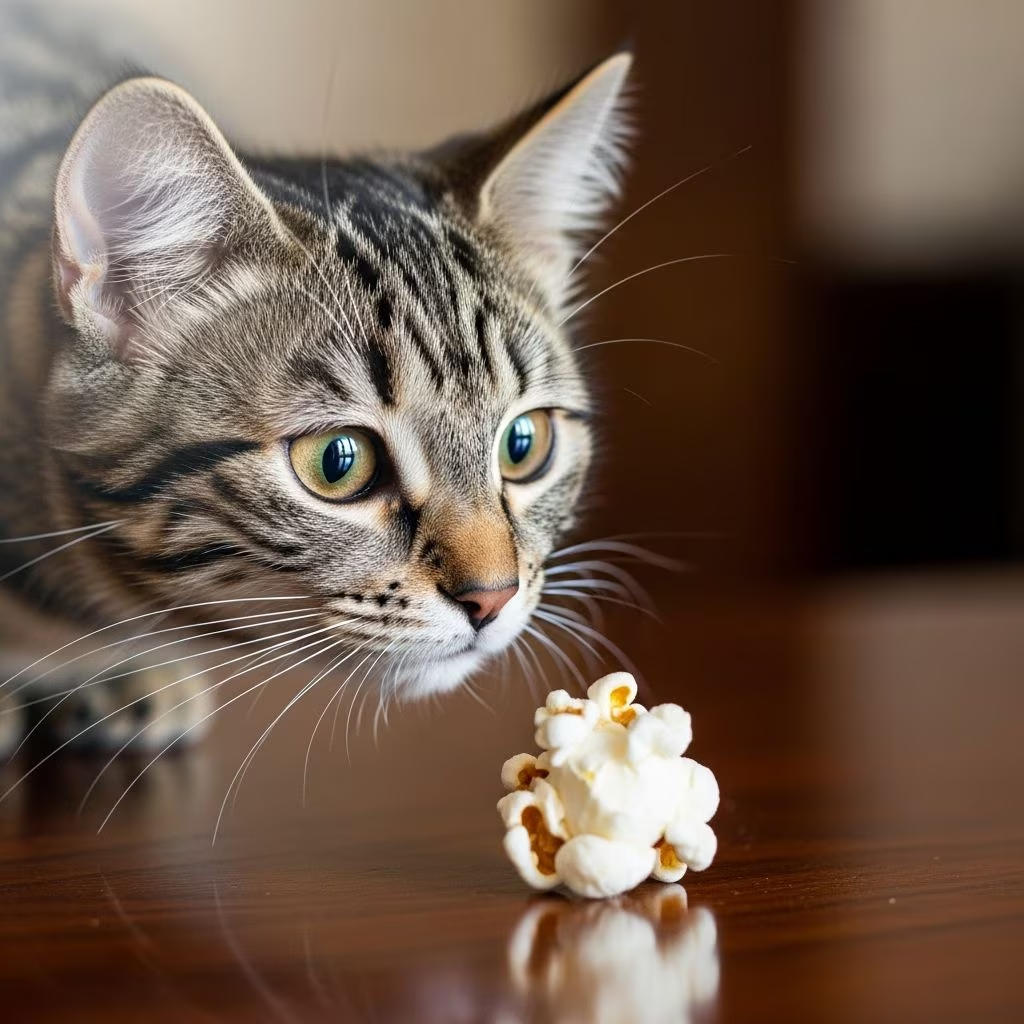
As a cat owner, you may wonder whether it’s acceptable to share your snacks with your feline companion. Popcorn is a popular human snack enjoyed by millions, and you might be curious if your cat can enjoy it too. The answer is more nuanced than a simple yes or no. While plain, air-popped popcorn in very small quantities is unlikely to cause immediate harm to a healthy adult cat, it should not be considered a regular part of your pet’s diet or treated as a standard treat option. Understanding the differences between safe and unsafe popcorn preparations, along with the nutritional implications for your cat, is essential for responsible pet ownership.
Understanding Your Cat’s Dietary Needs
Cats are obligate carnivores, meaning their bodies are designed to derive nutrients primarily from animal-based proteins. Unlike humans and some other animals, cats have evolved to thrive on a diet rich in meat, fish, and poultry. Their digestive systems are specifically optimized to process and extract nutrients from these protein sources. Cats require approximately 5.2 grams of protein per kilogram of body weight daily to maintain optimal health, support muscle development, and sustain vital organ function.
The nutritional requirements of cats extend beyond just protein. They need specific amino acids, essential fatty acids, vitamins, and minerals that are found predominantly in animal tissues. When you offer your cat human snacks like popcorn, you are potentially diverting their appetite away from the nutritionally complete meals they require. This can become problematic if such treats constitute a significant portion of their daily caloric intake.
The Nutritional Profile of Popcorn
Popcorn itself contains several components that make it an attractive snack for humans but problematic for cats. Plain, unsalted popcorn is primarily composed of carbohydrates and contains minimal protein. It does contain trace amounts of B vitamins, as well as small quantities of vitamins A, E, and K, along with some minerals. However, these nutrient levels are insufficient to provide any meaningful nutritional benefit to cats.
The carbohydrate content in popcorn is particularly concerning for felines. Cats have minimal dietary requirements for carbohydrates and are not well-equipped to process them efficiently. When cats consume excessive carbohydrates, their bodies struggle to metabolize these substances properly, which can contribute to various health issues over time.
Plain Air-Popped Popcorn: The Safest Preparation
If you decide to offer your cat popcorn, plain air-popped popcorn represents the safest option available. This preparation method involves no added oils, butter, salt, or artificial flavorings that could irritate your cat’s digestive system. When prepared this way, a few scattered kernels are unlikely to cause immediate harm to a healthy adult cat.
However, even plain popcorn carries certain risks. Unpopped kernels are particularly hard to digest and can create complications if your cat manages to ingest them. These hard seeds may cause choking hazards or lead to digestive blockages in some cases. Additionally, the fibrous nature of popcorn kernels can be difficult for a cat’s digestive system to process efficiently.
Why Flavored Popcorn Varieties Present Serious Concerns
Most commercially available popcorn products contain additives, flavorings, and preparations that pose genuine health risks to cats. Understanding which preparations to absolutely avoid is critical for your pet’s safety.
Buttered Popcorn Hazards
Buttered popcorn transforms an already suboptimal snack into a potentially harmful treat. Butter adds significant fat and cholesterol content, converting popcorn from a low-calorie snack into what some nutritionists call a fat and cholesterol bomb. When cats consume fatty foods, their digestive systems can become inflamed, leading to vomiting, diarrhea, and gastrointestinal distress. Regular consumption of buttered popcorn can accumulate fat in your cat’s arteries, increasing the risk of heart disease later in life.
Additionally, some commercially buttered popcorn contains diacetyl, a chemical flavoring agent that can cause serious lung problems if inhaled or ingested regularly. This chemical has been linked to a condition known as popcorn lung in humans and poses similar risks to cats with prolonged exposure.
Salted Popcorn Dangers
Salted popcorn presents another significant concern for feline health. Cats’ bodies are not physiologically equipped to process and eliminate high sodium levels efficiently. Excessive salt consumption can lead to several complications in cats, including dehydration, electrolyte imbalances, and in severe cases, sodium ion poisoning. Even moderate amounts of salt can trigger digestive irritation in sensitive cats.
The sodium content varies dramatically depending on popcorn preparation methods. Air-popped popcorn contains minimal sodium at approximately 1 mg, while oil-popped varieties contain around 97 mg. When butter topping is added to air-popped popcorn, sodium levels jump to 45 mg, and oil-popped buttered varieties contain approximately 109 mg of sodium. Cheese-flavored popcorn reaches 98 mg of sodium, making these preparations particularly problematic for cats.
Cheese and Caramel Coatings
Popcorn coated with cheese powder or caramel represents an entirely different category of concern. These flavor coatings typically contain multiple problematic ingredients including artificial flavors, excessive salt, sugar, and various preservatives. Cheese flavoring often contains lactose, which many adult cats cannot digest properly since they lack sufficient lactase enzymes after weaning. Caramel coatings introduce excessive sugar, which serves no nutritional purpose for cats and can contribute to weight gain and dental problems.
Health Risks Associated with Popcorn Consumption
Digestive System Complications
When cats consume popcorn in excessive quantities or encounter flavored varieties, digestive upset commonly follows. Symptoms include vomiting, diarrhea, and abdominal bloating. The high fiber content in popcorn can overwhelm a cat’s digestive system, as cats do not require dietary fiber and lack the microbiota necessary to process it efficiently. Fiber overdose can result in nutrient malabsorption, meaning your cat fails to absorb essential nutrients from their regular meals.
Unpopped kernels present particular challenges because their hard seed coat resists digestion entirely. These kernels may cause constipation, bloating, inappetence, and compromised digestion as they move through your cat’s gastrointestinal tract.
Weight Gain and Metabolic Issues
Popcorn is calorie-dense relative to its nutritional value, providing what nutritionists call empty calories. These calories offer no nutritional benefit while still contributing to your cat’s daily caloric intake. If your cat is not highly active, regular popcorn consumption will inevitably lead to weight gain. Overweight cats face significantly increased risks for developing diabetes, joint problems, and reduced quality of life.
Choking and Aspiration Risks
Popcorn kernels present a legitimate choking hazard, particularly for senior cats or those with dental issues. When a cat attempts to chew a popcorn kernel, it may lodge in their throat or airway. Additionally, cats can aspirate (inhale) small popcorn particles into their lungs, creating respiratory complications.
Special Circumstances When Popcorn Should Be Avoided
Certain situations make popcorn an especially poor choice for your feline companion. Sick cats require soft, bland foods that are easy to digest and won’t stress their compromised digestive systems. During recovery from gastrointestinal illness, offering hard, difficult-to-digest popcorn kernels can exacerbate symptoms and prolong the recovery period. Kittens and senior cats also have more vulnerable digestive systems and should never be offered popcorn under any circumstances.
Cats with pre-existing digestive conditions, obesity, diabetes, or heart disease should never receive popcorn of any variety. These cats require carefully controlled diets, and introducing inappropriate foods could trigger serious health complications.
Healthy Alternatives to Consider
Rather than risking your cat’s health with popcorn, numerous healthier snack options better align with feline nutritional requirements. High-protein treats like plain cooked chicken, turkey, or beef provide genuine nutritional value. Small amounts of cooked fish offer omega-3 fatty acids that support coat and cognitive health. Commercial cat treats specifically formulated for feline nutrition are designed to meet safety standards and provide appropriate nutrient profiles.
Some cats enjoy small pieces of cooked pumpkin or watermelon as occasional treats, though these should be offered sparingly. Always ensure any human food offered to your cat has been approved by your veterinarian and constitutes no more than 10 percent of their daily caloric intake.
Practical Guidelines for Pet Owners
If your cat accidentally consumes a small amount of plain popcorn while you’re not watching, there is no need for panic. A kernel or two of unflavored popcorn will likely pass through their digestive system without causing harm. However, if your cat ingests a large quantity or experiences any symptoms including vomiting, diarrhea, lethargy, or inability to keep down water, contact your veterinarian promptly.
The best approach is prevention through environmental management. Store popcorn in sealed containers where your cat cannot access it, and avoid eating popcorn near your pet to minimize temptation. If you enjoy popcorn regularly, designate specific areas for snacking where your cat cannot investigate.
When to Contact Your Veterinarian
You should reach out to your veterinary professional if your cat exhibits signs of digestive upset following popcorn consumption, if they’ve ingested popcorn regularly, or if you’re unsure about appropriate treats for your specific cat. Your veterinarian understands your cat’s individual health status, age, and any pre-existing conditions that might make certain foods particularly risky.
Final Thoughts on Feline Snacking
While popcorn is not inherently toxic to cats and small amounts of plain varieties are unlikely to cause immediate harm, the risk-benefit analysis clearly favors avoiding this snack entirely. Popcorn offers no nutritional value to cats while presenting multiple potential hazards including choking risks, digestive complications, and weight gain. The many varieties of flavored popcorn contain ingredients that are genuinely harmful to feline health.
Your cat depends on you to make informed decisions about their nutrition and safety. By choosing species-appropriate treats and maintaining a diet focused on high-quality protein sources, you support your cat’s long-term health, longevity, and quality of life. When in doubt about any human food, consult with your veterinarian to ensure you’re providing the best possible care for your feline friend.
References
- Can Cats Eat Popcorn? — Noble Vet Clinic. 2024. https://noblevetclinic.com/blog/can-cats-eat-popcorn
- Can cats eat popcorn? Safety rules explained — Untamed. 2024. https://untamed.com/blogs/nutrition/can-cats-eat-popcorn
- Cats and Popcorn: Safe Feline Snack? — Bailey’s CBD. 2024. https://baileyscbd.com/blogs/cat-nutrition/cats-and-popcorn-safe-feline-snack
- Can Cats Eat Popcorn? — PetMD. 2024. https://www.petmd.com/cat/nutrition/can-cats-eat-popcorn
- Can Cats Eat Salted Popcorn? Pet Safety in UAE — CHEETAH Pets. 2024. https://www.cheetahpets.com/en/blogs/can-cats-eat-popcorn
- Can Cats Eat Popcorn? — Cats.com. 2024. https://cats.com/can-cats-eat-popcorn
- Can Cats Eat Popcorn? — Creative Science. 2024. https://creative.science/education/can-cats-eat-popcorn



