

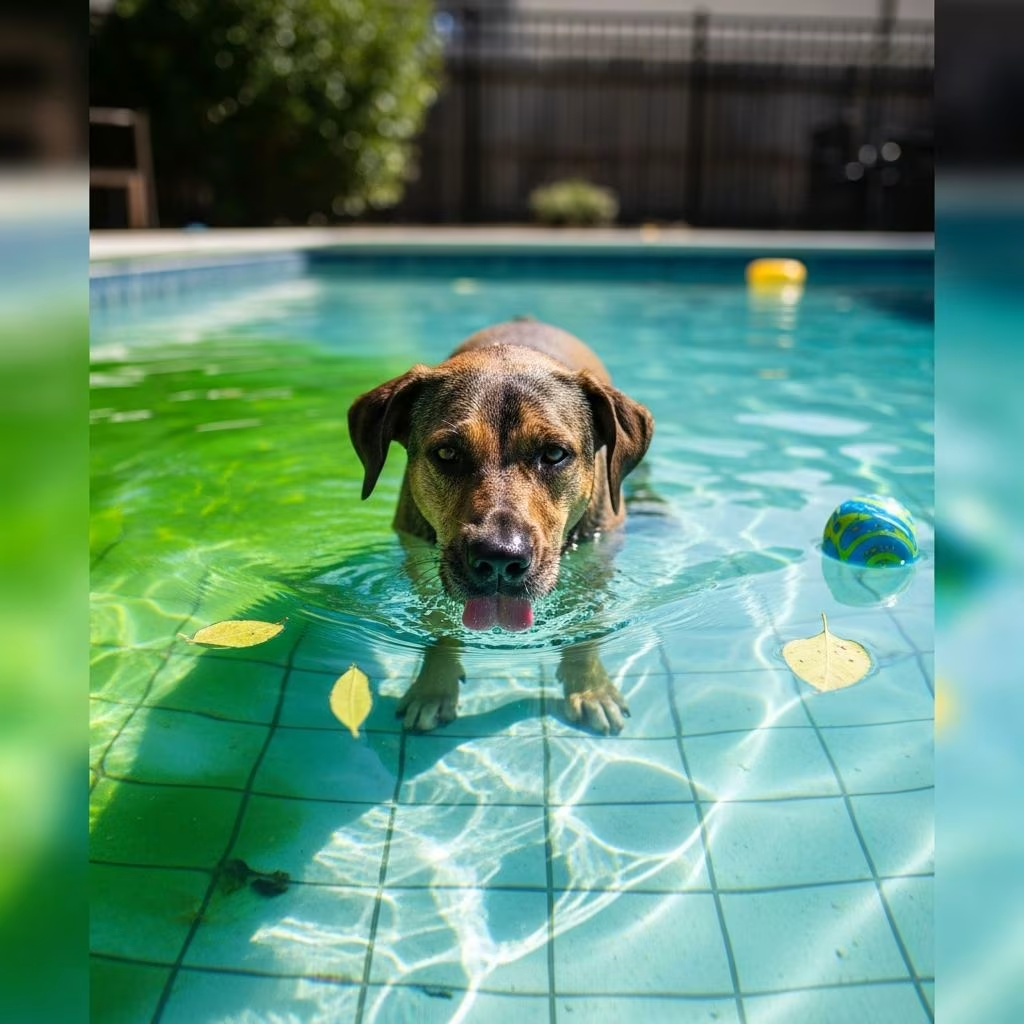
Summer brings opportunities for outdoor fun, and many pet owners look forward to enjoying their pools with their canine companions. While swimming itself can be excellent exercise for dogs, the water they’re swimming in poses significant health risks that extend beyond simple enjoyment. Understanding these dangers and implementing proper safety measures is essential for protecting your dog’s wellbeing during pool season.
The Challenge of Incidental Water Ingestion
One of the most challenging aspects of pool ownership with dogs is the inevitable ingestion of pool water. Dogs naturally swallow water while swimming, playing fetch in the shallow end, or simply cooling off. A small amount of properly treated pool water generally won’t cause serious harm to your dog, particularly if the chemical balance is correct. However, the problems escalate significantly when dogs begin deliberately drinking from the pool as if it were a refreshing water source rather than simply incidental contact during play.
This behavioral pattern—where a dog treats the pool as a giant drinking bowl—represents the primary concern for veterinarians and pet health professionals. When dogs actively lap up pool water to satisfy thirst, they consume far greater quantities of chlorine and other chemical treatments than would occur through incidental swallowing during normal swimming activities.
Understanding Chlorine and Its Effects on Dogs
How Chlorine Concentrations Matter
Chlorine serves a critical purpose in pool maintenance, preventing the growth of harmful bacteria and algae that could make the water unsafe for humans and animals alike. However, the concentration of chlorine in a pool determines whether it poses a danger to dogs. Properly maintained pools have chlorine levels that are diluted sufficiently to prevent harm from incidental ingestion during swimming activities.
The relationship between chlorine concentration and safety is not linear—it’s not simply a matter of “less is better.” Pools with insufficient chlorine become breeding grounds for dangerous bacteria, parasites, and algae. Conversely, pools with excessive chlorine levels irritate dogs’ gastrointestinal systems and can cause serious health complications. This balance requires consistent monitoring and maintenance.
Symptoms of Chlorine Irritation
When dogs consume excessive amounts of chlorinated water, various symptoms may develop depending on the quantity ingested and the chlorine concentration:
- Gastrointestinal upset including vomiting and diarrhea
- Stomach discomfort and loss of appetite
- Esophageal irritation and tissue erosion
- Eye irritation with redness or watery discharge
- Respiratory symptoms if chlorine fumes are inhaled
- Lethargy or unusual tiredness
- Increased thirst or changes in urination patterns
These symptoms typically develop within hours of significant chlorine ingestion and usually resolve with supportive care and fresh water access. However, the esophageal erosion that can result from repeated or large-quantity ingestion represents a more serious concern that may require veterinary intervention.
The Greater Danger: Undiluted Chemical Products
While diluted chlorine in properly maintained pools poses relatively low risk from incidental ingestion, the concentrated chemical products used to treat pools present far more serious dangers. Chlorine tablets, liquid chlorine, brominating tablets, and pool shocking chemicals are significantly more hazardous than the diluted chlorine in the water itself.
Dogs may encounter these concentrated products in several ways: finding dropped tablets during pool maintenance, accessing storage containers that aren’t properly secured, or investigating pool treatment equipment. These products contain high concentrations of sodium hypochlorite and other corrosive compounds that can cause severe damage to a dog’s mouth, throat, esophagus, and digestive tract.
Concentrated Chlorine Product Dangers
Ingestion of undiluted chemical tablets or liquids can cause:
- Corrosive ulcers throughout the mouth and throat
- Severe gastrointestinal tract damage
- Intestinal perforation requiring emergency surgery
- Bloody vomiting
- Excessive drooling and visible mouth sores
- Respiratory tract irritation if powder is inhaled
- Potential fatal complications if untreated
Even brief exposure to undiluted chlorine products demands immediate veterinary attention. These substances are among the most dangerous substances commonly found in residential areas and require emergency medical intervention.
Water Intoxication: A Different Type of Pool Danger
Beyond chemical concerns, excessive water consumption itself can pose a unique physiological threat to dogs. Water intoxication, also called hyponatremia, occurs when a dog ingests so much fresh water that the sodium concentration in their bloodstream drops to dangerously low levels.
This condition is particularly concerning during extended swimming sessions or when dogs repeatedly drink pool water throughout the day. The body’s sodium levels become too diluted to support normal cellular function, potentially leading to serious neurological complications. While water intoxication is relatively rare, it can be fatal if not treated promptly with veterinary intervention.
Signs of water intoxication include confusion, loss of coordination, excessive drooling, vomiting, seizures, and loss of consciousness. Any dog exhibiting these symptoms after significant water exposure requires immediate emergency veterinary care.
Saltwater Pools: A Different Chemical Challenge
Saltwater pools offer an alternative to traditional chlorine systems, often perceived as gentler and more natural. While saltwater pools do contain lower chlorine concentrations than freshwater pools, they introduce a different health concern: sodium toxicity.
Even though saltwater pools contain less sodium than ocean water, the sodium content is still significant enough to cause health problems if a dog drinks substantial quantities. Salt water poisoning, also called saltwater toxicosis, develops when dogs consume more salt water than their bodies can safely process.
Progression of Saltwater Toxicity
The severity of saltwater poisoning correlates with the quantity consumed. A few mouthfuls might cause mild diarrhea and recovery with rest and fresh water. However, larger quantities can trigger serious complications including severe dehydration, electrolyte imbalances, vomiting, seizures, and potential kidney or brain damage. In extreme cases, saltwater toxicity can prove fatal.
The mechanism of harm involves the body’s attempt to dilute excess sodium, drawing water from cells into the bloodstream. This process causes dehydration at the cellular level while the dog may appear to have adequate or excessive fluid intake. The electrolyte imbalance disrupts nerve and muscle function, leading to the severe symptoms associated with saltwater poisoning.
Additional Water Contamination Risks
Beyond chemical treatments, various water sources present their own dangers. Untreated or improperly maintained pools may harbor harmful microorganisms and environmental hazards:
| Contaminant Type | Health Risk | Prevention |
|---|---|---|
| Blue-green algae | Toxin production, potentially fatal poisoning | Maintain proper chlorine levels; regularly clean filters |
| Bacteria and parasites | Gastrointestinal infections and illness | Maintain adequate chlorine levels; regular testing |
| Algae blooms | Respiratory and neurological problems | Monitor water color; shock pool if discoloration occurs |
Practical Strategies for Pool Safety
Water Management and Hydration
The most effective strategy for preventing pool water ingestion is ensuring your dog has constant access to fresh, clean drinking water near the pool area. Dogs that are adequately hydrated feel less compelled to drink from the pool itself. Position water bowls in shaded areas where your dog can easily access them during breaks from swimming and play.
Encourage regular water breaks and monitor your dog’s drinking habits. If you notice your dog repeatedly returning to drink pool water, redirect their attention to their freshwater bowl and provide positive reinforcement when they comply.
Chemical Storage and Safety
All concentrated pool chemicals must be stored in chew-proof, locked containers in areas completely inaccessible to dogs. This includes chlorine tablets, liquid chlorine, algaecides, shock treatments, and other maintenance products. Store these items in a locked shed, cabinet, or storage unit rather than leaving them accessible during pool use or maintenance activities.
When performing pool maintenance, keep dogs completely separated from the area until all chemicals have been properly mixed and diluted into the pool. Chemical shocking, in particular, requires keeping dogs away from the pool entirely until the chemical balance has normalized and the chlorine levels have returned to safe concentrations.
Supervision and Physical Barriers
Never leave your dog unattended in or around a pool area. Continuous supervision allows you to redirect drinking behavior, monitor for signs of distress, and respond immediately to emergencies. This is particularly important for dogs that cannot swim or those prone to drinking excessively.
For dogs that lack strong swimming abilities, consider installing pet gates or barriers around the pool area to prevent unsupervised access. Alternatively, keep non-swimming dogs on a leash when in the pool area or allow them to enjoy air-conditioned indoor spaces during peak pool times.
Pool Maintenance Best Practices
Maintain your pool according to manufacturer specifications and professional recommendations. Regular testing ensures chlorine levels remain in the safe range—not too high to irritate dogs’ systems and not too low to allow dangerous microorganisms to proliferate. Test your pool water at least twice weekly during active use periods.
Remove pool toys and accessories when not in active use, as dogs may chew on foam noodles, inflatable rings, and other items, potentially ingesting foreign materials that could cause intestinal blockages.
Recognizing and Responding to Pool Water Emergencies
Warning Signs Requiring Veterinary Care
If your dog has consumed significant quantities of pool water or concentrated chemicals, watch carefully for these concerning symptoms over the following hours:
- Persistent vomiting or vomiting with blood
- Severe diarrhea lasting more than a few hours
- Refusal to eat or complete loss of appetite
- Visible mouth sores or excessive drooling
- Difficulty swallowing or signs of throat pain
- Unusual behavior, disorientation, or seizures
- Rapid deterioration in condition
Immediate Response Actions
If you suspect your dog has ingested significant pool water or concentrated chemicals, take these steps immediately. Rinse your dog thoroughly with fresh water to remove chlorine and other chemicals from their fur and skin. Offer fresh water in small amounts to drink, though don’t force excessive water consumption. Contact your veterinarian or an emergency animal poison control center immediately, providing details about the substance ingested, the approximate quantity, and the time of exposure. Your veterinarian can provide specific guidance based on the substance involved and your dog’s size and health status.
Frequently Asked Questions
Is swimming in chlorinated water safe for dogs?
Swimming in properly maintained chlorinated pools with appropriate chemical balance is generally safe for dogs. The danger comes from drinking pool water rather than incidental water exposure during normal swimming activities.
How much pool water is dangerous for dogs?
Small amounts of properly treated pool water are unlikely to cause serious harm. However, the amount that constitutes danger varies by dog size, pool chlorine concentration, and individual sensitivity. Any deliberate drinking from the pool should be discouraged rather than considered safe in any quantity.
Can saltwater pools cause more problems than chlorinated pools?
Each type presents different risks. Saltwater pools have lower chlorine but higher sodium content. The danger depends on consumption patterns and individual dog factors. Both require preventing deliberate drinking to maintain safety.
What should I do if my dog accidentally drinks pool water?
Small incidental amounts during swimming typically cause no problems. For larger quantities or concentrated chemical exposure, rinse your dog with fresh water, provide fresh water to drink, and contact your veterinarian for guidance on monitoring and potential treatment needs.
Creating a Safe Pool Environment for Your Canine Companion
Owning a pool and a dog requires balancing enjoyment with responsibility. Your dog can safely enjoy swimming and cooling off in properly maintained pools when you implement comprehensive safety measures. These measures include maintaining correct chemical balance, storing concentrated chemicals securely, providing fresh drinking water, maintaining constant supervision, and knowing how to recognize and respond to emergencies.
By understanding the specific risks that pool water poses to dogs and taking proactive steps to minimize exposure to unsafe water or chemicals, you can ensure that pool season remains a safe and enjoyable experience for your entire family, including your four-legged members.
References
- Swimming Pool Safety for Dogs — Zoetis Petcare. 2024. https://www.zoetispetcare.com/blog/article/swimming-pool-safety-dogs
- My Dog Drank Pool Water. Now What? — PetMD. 2024. https://www.petmd.com/dog/poisoning/my-dog-drank-pool-water
- Dogs Drinking Pool Water: Dangers of Chlorine — American Kennel Club. 2024. https://www.akc.org/expert-advice/health/dogs-drinking-pool-water-dangers-chlorine/
- Can Dogs Drink Pool Water? — Hill’s Pet Nutrition. 2024. https://www.hillspet.com/dog-care/healthcare/can-dogs-drink-pool-water



