

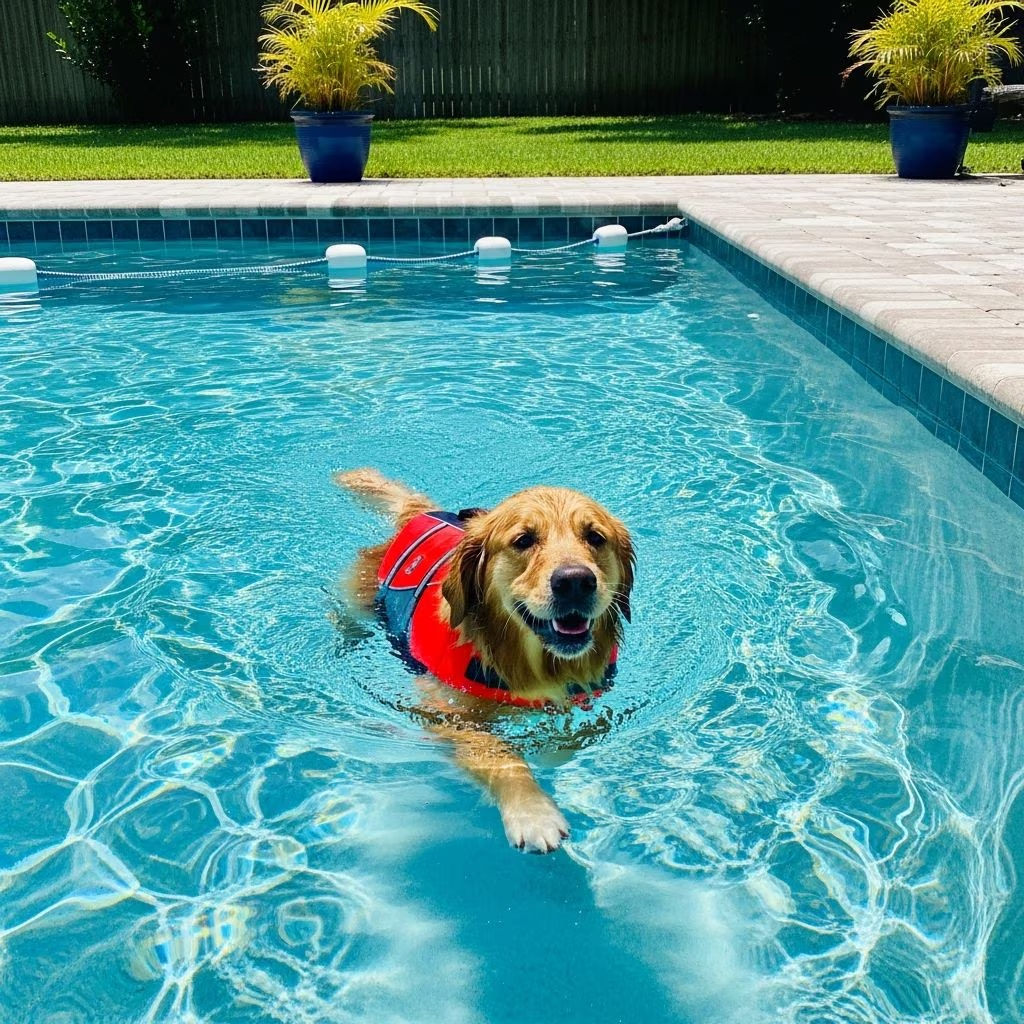
Swimming offers dogs a refreshing way to beat the summer heat, but pools present unique risks that demand proactive measures. Proper preparation transforms potential dangers into safe playtime, protecting pets from drowning, chemical exposure, and injuries.
Understanding Pool Risks for Canines
Dogs face several hazards around pools, including difficulty exiting due to steep sides, ingestion of chlorinated water causing gastrointestinal issues, and overheating from hot deck surfaces. Breeds with short legs or snouts, like Bulldogs or Pugs, struggle more in water, while even strong swimmers tire quickly without breaks. Supervision gaps lead to accidents, as pets may chase toys into deep ends unexpectedly.
Essential Pool Modifications for Pet Safety
Modify your pool area to minimize risks. Key adaptations include:
- Install sturdy fencing: A secure perimeter fence or gate prevents unsupervised access, crucial for homes with dog doors.
- Add exit aids: Ramps or pet-specific steps allow easy entry and exit, reducing panic in tired or disoriented dogs.
- Use covers: Non-floating covers or solar blankets block access when the pool is unused.
- Motion alarms: These alert owners to unauthorized entries.
These features create a controlled environment, as recommended by veterinary experts.
Selecting the Right Life Jacket
Life jackets provide buoyancy support, essential for novice or weak swimmers. Choose models with:
- Handles for lifting.
- Chest support for better flotation.
- Reflective strips for visibility.
- Adjustable straps fitting snugly without restricting movement.
Introduce gradually in shallow water to build confidence. Vests prevent submersion risks, particularly for brachycephalic breeds.
Training Techniques for Confident Swimmers
Teach water skills progressively:
- Start in shallow areas with positive reinforcement like treats.
- Practice entering and exiting via ramps repeatedly.
- Use toys to encourage paddling without fatigue.
- Graduate to deeper water under constant watch.
Regular sessions ensure dogs recognize safe routes instinctively, vital for accidental falls.
Supervision and Behavioral Guidelines
Never leave dogs unattended near water. Establish family rules such as:
- No play-chasing near edges.
- Mandatory adult presence.
- Breaks every 15-20 minutes.
- No roughhousing.
Monitor for fatigue signs like heavy panting or reluctance to move.
Preventing Chemical and Heat-Related Issues
Pool chemicals irritate skin and stomachs. Provide fresh water stations to deter drinking from the pool. Post-swim, rinse thoroughly with fresh water and dry ears to avoid infections. Hot concrete burns paws; test surfaces and use booties or shaded mats if needed.
| Hazard | Prevention | Signs to Watch |
|---|---|---|
| Chlorine ingestion | Fresh water bowls | Vomiting, diarrhea |
| Hot decks | Booties, shade | Limping, paw licking |
| Ear infections | Drying after swims | Head shaking, odor |
| Overheating | Breaks, cool water | Excessive panting |
Post-Swim Health Checks
Inspect paws for irritation, ears for moisture, and coat for residue. Apply pet-safe moisturizers if skin dries. Watch for 24-48 hours for delayed symptoms like lethargy.
Breed-Specific Considerations
Not all dogs suit pools equally. brachycephalic breeds need vests always; seniors benefit from ramps. Athletic types like Labs excel but require limits to prevent exhaustion.
FAQs on Dog Pool Safety
Can all dogs swim naturally?
No, many struggle; training and gear help.
Is pool water safe for dogs?
In moderation, yes, but rinse to remove chemicals.
How often should dogs take swim breaks?
Every 15-20 minutes, based on energy.
What if my dog falls in unsupervised?
Practice exits; fences prevent this.
Are dog life jackets necessary?
Highly recommended for safety.
Seasonal Pool Routine Checklist
Daily:
- Check fences/covers.
- Refill fresh water.
- Scan for hazards.
Weekly:
- Test alarms.
- Clean ramps.
- Train sessions.
This routine fosters safe habits.
References
- 7 Pool Safety Tips for Dogs — PetMD. 2023. https://www.petmd.com/dog/general-health/pool-safety-tips-for-dogs
- Summer Water Safety for Dogs — Dogtopia. 2024. https://www.dogtopia.com/blog/summer-water-safety-for-dogs/
- Splish Splash! Pool Safety Tips for Dogs — Gause Boulevard Veterinary. 2025-07-01. https://gauseblvdvet.com/2025/07/01/splish-splash-pool-safety-tips-for-dogs/
- Water Safety Tips for Your Dog this Summer — Animal Humane Society. 2023. https://www.animalhumanesociety.org/resource/water-safety-tips-your-dog-summer
- Pool Safety Tips for Dogs and Cats — Pet Assure. 2024. https://www.petassure.com/maxscorner/pool-safety-tips-for-dogs-and-cats/



