

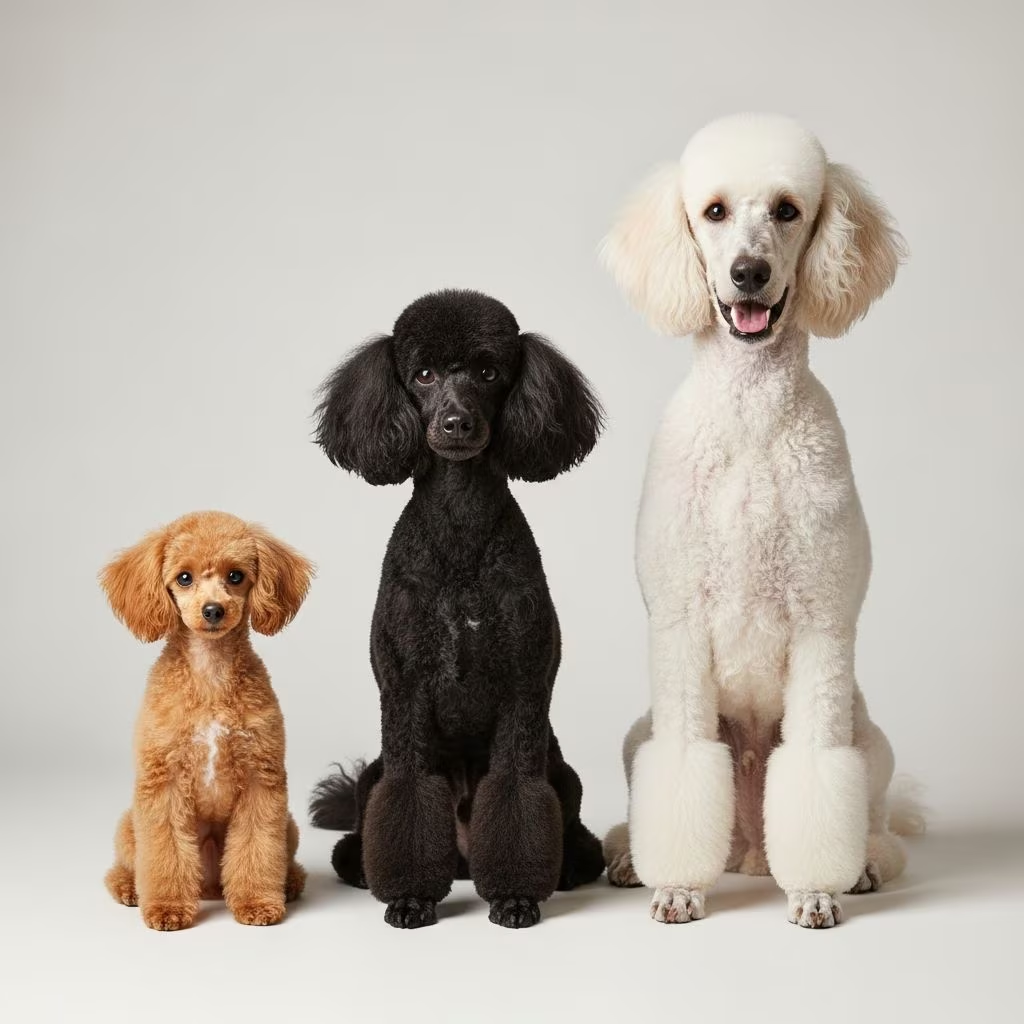
Understanding the Poodle: A Brief History
Poodles represent one of the most recognizable and beloved dog breeds across the world. The standard poodle is the original version of the breed, likely descending from the Barbet, a curly-coated dog that was found throughout France, Russia, Hungary, Germany, and elsewhere in Europe. The breed’s distinctive characteristics and remarkable intelligence have made poodles popular as working dogs, show dogs, and beloved family companions for centuries. What many people don’t realize is that the poodle family consists of three distinct size varieties, each with its own unique attributes while sharing the core traits that make poodles exceptional.
The Three Poodle Varieties
Standard Poodle
The standard poodle is the largest of the three poodle varieties and represents the original form of the breed. Standard poodles are medium-to-large dogs that typically stand over 15 inches at the shoulder. These athletic and elegant dogs have been bred for generations to excel in various roles, from hunting companions to service dogs. Their larger size makes them ideal for families seeking a robust, active companion that can keep up with an active lifestyle. Standard poodles are known for their exceptional athleticism and have historically been used as retriever dogs, which explains their strong swimming ability and love of water activities.
Miniature Poodle
The miniature poodle represents a middle ground between the standard and toy varieties. These dogs typically stand between 11 and 15 inches at the shoulder and weigh between 15 and 17 pounds. The miniature poodle combines the intelligence and athleticism of its larger counterpart with a more manageable size, making it an excellent choice for apartment dwellers and those seeking a portable companion. Despite their smaller stature, miniature poodles retain the breed’s characteristic energy and intelligence, requiring adequate mental and physical stimulation to thrive.
Toy Poodle
The toy poodle is the smallest variety, typically standing under 10 inches at the shoulder and weighing just 6 pounds or less. These diminutive dogs pack tremendous personality into their tiny frames. Toy poodles are perfect for individuals living in small spaces or those seeking a lap dog with the poodle breed’s characteristic intelligence. Despite their toy size, these dogs maintain the spirited and affectionate nature that defines the poodle breed, though they require careful handling due to their delicate size.
Temperament and Personality Traits
Regardless of size, all poodles share distinctive temperament characteristics that have made them favorites among dog enthusiasts. Poodles are eager to please, bright, and responsive dogs that rank among the easiest of all dog breeds to train. These dogs exhibit exceptional intelligence and a genuine desire to work alongside their owners, making them ideal candidates for obedience training and advanced dog sports.
Poodles are keenly sensitive and adapt remarkably well to people. This sensitivity, combined with their substantial supply of energy, means they thrive on attention and commands from their owners. They are active, energetic dogs who love to engage in activities and adventures with their people. This intelligence paired with their social nature makes them excellent therapy dogs, service animals, and competition competitors.
All three poodle varieties are athletic and highly intelligent dogs that love both people and other pets equally. They are not typically independent thinkers like some other breeds; instead, they prefer to work in partnership with their human companions. This trait makes them particularly responsive to positive reinforcement training methods and reward-based learning.
Grooming and Coat Care
One of the most distinctive features of poodles is their unique coat. All poodles have a curly, non-shedding coat that requires regular professional grooming to maintain. Unlike many dog breeds, poodles are considered hypoallergenic due to their minimal shedding, making them suitable for individuals with allergies. However, this benefit comes with the responsibility of consistent grooming maintenance.
Poodles require regular brushing to prevent matting and professional grooming appointments typically every 4-6 weeks. The coat should be clipped in one of several recognized styles, including the Continental clip, English Saddle clip, or Puppy clip for showing, or simpler utility cuts for pets. Beyond professional grooming, owners should brush their poodle’s coat several times per week and ensure their ears remain clean and dry to prevent infections, a common concern in dogs with floppy ears and hair-covered ear canals.
Grooming goes beyond aesthetics—it is essential for the health and comfort of these dogs. Their unique coat structure means that failure to maintain regular grooming can result in painful matting and skin issues. Many poodle owners develop close relationships with professional groomers who understand the breed’s specific grooming needs and coat requirements.
Exercise and Activity Requirements
Despite their varying sizes, all poodles require substantial daily exercise and mental stimulation. Standard poodles need vigorous exercise, including long walks, runs, and engaging activities to stay healthy and happy. Miniature and toy poodles require proportionally less exercise but still need regular activity to maintain optimal health and prevent behavioral issues that stem from boredom.
These intelligent dogs excel at obedience and agility competitions, making organized dog sports an excellent outlet for their energy and mental capacity. Many poodles thrive in activities such as dock diving, rally obedience, and Schutzhund competitions. Mental stimulation through puzzle toys, training sessions, and interactive play is just as important as physical exercise for these intellectually gifted animals.
Health Considerations by Size
Each size of poodle—toy, miniature, and standard—has its own specific health considerations, though certain issues span all poodle sizes. Understanding these breed-specific health concerns can help owners make informed decisions about screening and preventive care.
Standard Poodle Health Screening
Standard poodles require specific health testing to maintain breed standards and reduce inherited disease risk. According to the Canine Health Information Center (CHIC), standard poodles should undergo hip dysplasia evaluation (either OFA, OVC, or PennHIP evaluation), eye examination by a board-certified ACVO ophthalmologist (registered with OFA or CERF), and health elective testing chosen from OFA thyroid evaluation from an approved laboratory, OFA SA by an approved dermapathologist, or congenital cardiac or advanced cardiac examinations. All testing dogs must be permanently identified to qualify for CHIC registration.
Miniature Poodle Health Screening
Miniature poodles have somewhat different health screening requirements that reflect breed-specific concerns. These dogs should undergo progressive retinal atrophy (PRA) DNA testing from an approved laboratory, eye examination by a board-certified ACVO ophthalmologist (registered with OFA or CERF), patellar luxation evaluation, and hip dysplasia testing (either OFA, OVC, or PennHIP evaluation). As with standard poodles, permanent identification is required for CHIC registration.
Toy Poodle Health Screening
Toy poodles require progressive retinal atrophy (PRA) DNA testing from an approved laboratory, eye examination by a board-certified ACVO ophthalmologist (registered with OFA or CERF), and patellar luxation evaluation. These smaller poodles are particularly prone to patellar luxation, a condition where the kneecap dislocates from its normal position. Permanent identification is also required for toy poodles undergoing CHIC certification.
Lifespan and Longevity
Poodles are known for their longevity compared to many other dog breeds. These athletic and highly intelligent dogs typically have a lifespan of up to 18 years. This extended lifespan means that adopting a poodle is a long-term commitment, but it also provides many years of companionship and joy with your canine friend. Proper nutrition, regular exercise, preventive veterinary care, and mental stimulation contribute significantly to maintaining a healthy, active poodle throughout their senior years.
Poodle Size Comparison Chart
| Characteristic | Standard Poodle | Miniature Poodle | Toy Poodle |
|---|---|---|---|
| Height | Over 15 inches | 11-15 inches | Under 10 inches |
| Weight | 45-70 pounds | 15-17 pounds | Under 6 pounds |
| Exercise Needs | High – vigorous daily activity | Moderate to high | Moderate |
| Space Requirements | Large (house with yard ideal) | Medium (apartment suitable) | Small (apartment friendly) |
| Primary Health Concern | Hip dysplasia, eye issues | Patellar luxation, PRA, hip dysplasia | Patellar luxation, PRA |
| Lifespan | 12-15 years | 14-16 years | 15-18 years |
Training and Intelligence
Poodles excel at obedience and agility competitions, as well as therapy dog work and other professional roles. Their exceptional intelligence makes them quick learners who respond well to consistent, positive reinforcement-based training methods. These dogs are eager to please their owners and thrive when given clear expectations and regular training sessions.
The intelligence of poodles means they require mental stimulation just as much as physical exercise. Puzzle toys, scent work, training exercises, and interactive games help keep their brilliant minds engaged and prevent behavioral problems that develop from boredom. Many poodle owners find that their dogs enjoy learning new commands and tricks and will continue to work for praise and rewards.
Shedding and Allergies
One of the most appealing characteristics of poodles for many potential owners is their minimal shedding. With a shedding rating of just 1 out of 5, poodles are excellent choices for people with dog allergies or those who prefer to minimize dog hair around their homes. Their hypoallergenic coat makes them popular with allergy sufferers, though no dog breed is truly 100% hypoallergenic. Regular grooming and brushing help manage any loose hair and dander, further reducing allergenic reactions.
Cold Weather Tolerance
Poodles rate 3 out of 5 for cold weather tolerance, indicating moderate comfort in cooler climates. While their curly coats provide some insulation, poodles are not cold-hardy dogs and should be protected in extremely cold or wet weather conditions. Many poodle owners invest in dog coats and sweaters for winter outings, and it is important to limit time outdoors during harsh winter conditions.
Barking Tendencies
Poodles rate 2 out of 5 for barking, suggesting they are relatively quiet compared to many other breeds. However, individual poodles vary in vocalization habits. Proper training and socialization from puppyhood help establish good vocal behavior patterns. Early intervention and consistent training help prevent excessive barking from developing.
Frequently Asked Questions About Poodles
Q: Are poodles good family dogs?
A: Yes, poodles are excellent family dogs across all three size varieties. They are intelligent, eager to please, and affectionate with their families. However, toy and miniature poodles may be too fragile for young children, while standard poodles are more robust. Supervision and training are essential for any dog living with children.
Q: How often do poodles need grooming?
A: Poodles require professional grooming every 4-6 weeks to maintain their coat health and appearance. Between appointments, owners should brush their poodle’s coat several times per week and keep ears clean and dry.
Q: What is the best size poodle for apartment living?
A: Toy and miniature poodles are better suited for apartment living due to their smaller size and lower space requirements. Standard poodles need more room and benefit from access to a yard, though they can adapt to apartment life with adequate daily exercise.
Q: Do poodles get along with other pets?
A: Yes, poodles generally love people and other pets equally and can live peacefully with other animals when properly socialized from a young age. Early introduction and supervision help ensure positive relationships with other household pets.
Q: What is the average cost of poodle health screening?
A: Health screening costs vary by location and veterinary clinic but typically range from $500 to $1,500 depending on the testing required. Reputable breeders invest in these screenings to ensure they are breeding healthy dogs.
Q: How much exercise does a standard poodle need daily?
A: Standard poodles need vigorous daily exercise, including long walks, runs, or participation in dog sports. Aim for at least 1-2 hours of physical activity combined with mental stimulation daily.
References
- Designer Dog Breeds — VCA Animal Hospitals. 2024. https://vcahospitals.com/know-your-pet/designer-dog-breeds
- Standard Poodle — VCA Animal Hospitals. 2024. https://vcahospitals.com/know-your-pet/dog-breeds/standard-poodle
- Poodle Health — United Poodle Association. 2024. https://unitedpoodleassociation.org/poodle-info/poodle-health/
- Poodle Dog Breed Guide — CareCredit. 2024. https://www.carecredit.com/well-u/pet-care/poodle-dog-breed/
- Poodle: Characteristics, Health, Nutrition — Royal Canin. 2024. https://www.royalcanin.com/mt/dogs/breeds/poodle
- Poodle Breed Information — MetLife Pet Insurance. 2024. https://www.metlifepetinsurance.com/blog/breed-spotlights/poodle/



