

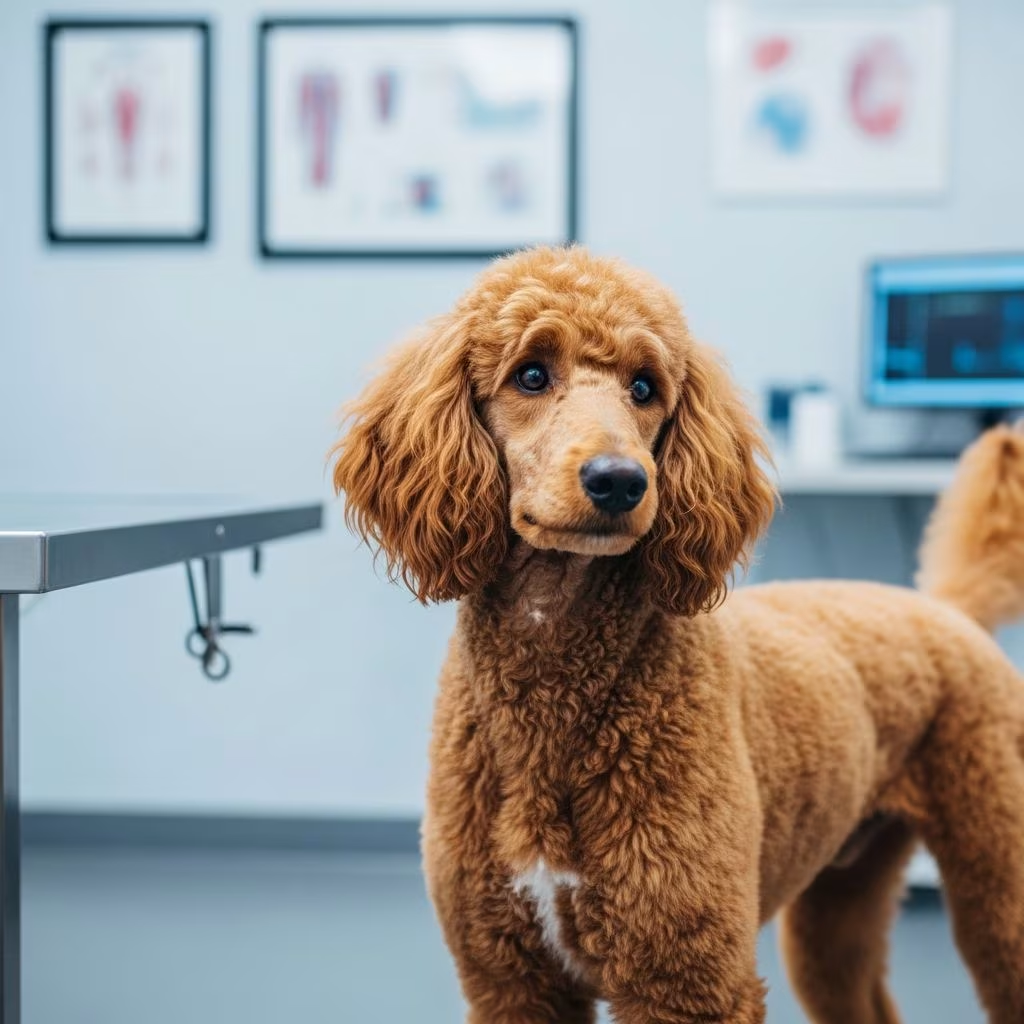
Poodles, available in Standard, Miniature, and Toy sizes, stand out for their intelligence and elegant appearance but face specific health vulnerabilities that owners must monitor closely. Understanding these risks enables early intervention, potentially extending lifespan and improving quality of life across all varieties.
Joint and Mobility Challenges in Poodles
Poodles often encounter orthopedic problems due to genetic predispositions and physical build. **Hip dysplasia**, a malformation where the hip joint fails to fit properly, affects roughly 11.9% of Poodles mildly or more severely, leading to grinding bones, cartilage loss, inflammation, and eventual arthritis. Symptoms emerge gradually, including weakness in hind limbs, reluctance to exercise, difficulty rising, limping, bunny-hopping gait, and small hesitant steps. Larger Standard Poodles bear higher risk from their deep-chested structure, while Miniature and Toy varieties suffer **patellar luxation**, where kneecaps dislocate, causing sudden limping or skipping. Toy Poodles additionally risk **Legg-Calvé-Perthes disease**, reducing blood flow to the thigh bone and degrading it, typically showing as limping in puppies aged 4-6 months.
Prevention starts with choosing breeders who screen for genetic markers via Orthopedic Foundation for Animals (OFA) certifications. Maintain ideal weight through portion-controlled diets rich in omega-3s and glucosamine. Regular low-impact exercise like swimming strengthens joints without strain. For diagnosed cases, treatments include anti-inflammatories, joint supplements, physical therapy, weight management, and surgery in severe instances like femoral head ostectomy for Legg-Calvé-Perthes.
Eye Conditions Threatening Poodle Vision
Visual impairments rank among top concerns for Poodles, with **progressive retinal atrophy (PRA)** causing gradual photoreceptor degeneration and night blindness progressing to total vision loss. Other issues include **cataracts** clouding the lens, **glaucoma** from elevated eye pressure, and abnormal eyelash growth. These genetic conditions can onset early, impairing sight and leading to secondary infections if untreated.
Annual veterinary ophthalmology exams using tools like electroretinography detect PRA before symptoms. Symptoms encompass bumping into objects, dilated pupils, cloudiness, redness, or tearing. Management involves CERF (Canine Eye Registration Foundation) certified breeding stock, antioxidant-rich diets supporting retinal health, and interventions like surgery for cataracts or pressure-lowering drops for glaucoma. Early detection preserves vision longer, emphasizing routine checks from puppyhood.
Endocrine and Hormonal Imbalances
Hormonal disruptions plague Poodles, notably **Addison’s disease** (hypoadrenocorticism), where adrenal glands underproduce cortisol, causing lethargy, depression, anxiety, digestive upset, and life-threatening crises with collapse. **Hypothyroidism**, thyroid hormone deficiency, manifests as hair loss, weight gain despite normal intake, weak immunity, excessive hunger, cold intolerance, and slow heart rate. Conversely, rare hyperthyroidism accelerates metabolism harmfully.
| Condition | Symptoms | Treatment |
|---|---|---|
| Addison’s Disease | Lethargy, vomiting, weakness | Hormone replacement, hospitalization for crises |
| Hypothyroidism | Hair loss, weight gain, lethargy | Lifelong thyroid supplements |
Diagnosis relies on blood tests measuring cortisol and thyroid levels. Lifelong medication manages both, with regular monitoring preventing flare-ups. Breeders using genetic testing reduce incidence.
Neurological Disorders: Epilepsy and Beyond
**Epilepsy** strikes Poodles, especially Standards, with idiopathic seizures between ages 2-5, featuring drooling, pacing, unconsciousness, stiff limbs, confusion, or strange movements. Clusters or prolonged episodes demand emergency care to avert brain damage.
Video your dog’s episodes for vets, who prescribe anticonvulsants like phenobarbital or imepitoin based on frequency. Avoid triggers like stress or flashing lights; consistent routines help. DNA testing identifies at-risk lines. Other neurological flags include behavioral shifts or tremors, warranting prompt evaluation.
Gastrointestinal and Respiratory Vulnerabilities
Standard Poodles risk **gastric dilatation-volvulus (GDV or bloat)**, a deep-chest trait causing stomach distension and twisting, trapping gas and cutting blood flow—fatal without swift surgery. Signs: abdominal swelling, unproductive retching, salivation, weakness, rapid heart rate.
Toy and Miniature Poodles face **collapsed trachea**, where weakened windpipe cartilage obstructs airways during excitement or pulling on collars, yielding honking coughs and breathing distress. Feed small frequent meals, use slow-feed bowls, elevate food dishes, and opt for harnesses. Emergency vet visits for bloat involve decompression and surgery; prophylactics like gastropexy suit high-risk dogs.
Skin, Coat, and Dental Concerns
Poodles’ curly coats hide **sebaceous adenitis**, inflamed glands causing dry scaly skin, hair loss, and odor, plus allergies and cysts. Frequent grooming unclogs follicles; topical therapies and omega fatty acids soothe. Dental overcrowding in smaller Poodles invites infections—daily brushing and annual cleanings prevent. Ear infections thrive in hairy, floppy canals; weekly cleaning curbs yeast and bacteria.
Breed-Specific Cancer and Bleeding Risks
Standards face elevated **hemangiosarcoma** and **insulinoma** cancers, plus **von Willebrand’s disease**, impairing clotting with prolonged bleeding. DNA tests screen breeding dogs; vigilant lump checks and prompt biopsies save lives.
Proactive Wellness and Monitoring Protocols
Poodle longevity (12-18 years) hinges on vigilance. Schedule:
- Puppy visits (8, 12, 16 weeks): Vaccinations, parasites, growth checks.
- Annual exams: Heartworm, lameness, eyes, thyroid, weights.
- Seniors (7+): Bi-annual for cancers, kidneys, cognition.
Track red flags: lethargy, limping, pot-belly, coughs, eye changes, appetite shifts. Nutrition with joint, skin, and heart support; hydration and dental toys aid resilience.
FAQs
How do I prevent hip dysplasia in my Poodle?
Select OFA-certified parents, control weight, provide joint supplements, and use moderate exercise like swimming.
What are early signs of Addison’s in Poodles?
Lethargy, poor appetite, vomiting, weakness—blood tests confirm.
Can Poodle eye problems be cured?
Some like cataracts via surgery; PRA is progressive but preventable via breeding screens.
Is bloat common in all Poodle sizes?
Primarily Standards due to chest shape; feed carefully across sizes.
How often should I groom a Poodle for skin health?
Every 4-6 weeks professionally; daily brushing, weekly baths with medicated shampoos if prone.
References
- Poodle Health Issues & Problems — Canna-Pet. 2023. https://canna-pet.com/articles/poodle-health-issues-problems/
- The Comprehensive Poodle Guide — Coops & Cages. 2024. https://www.coopsandcages.com.au/blog/poodle/
- Caring for your Poodle — Winter Park Veterinary Hospital. 2022. http://wpvet.com/pdfs/dogbreedinfo/winterparkveterinaryhospitalpoodle.pdf
- 5 Most Common Poodle Health Issues — PetPLAY.com. 2023. https://www.petplay.com/blogs/tips/5-most-common-poodle-health-issues
- Standard Poodle Owners Complete Guide — Rubyloo.co. 2024. https://rubyloo.co/blogs/news/standard-poodle
- Common Poodle Health Issues — Vetericyn. 2023. https://vetericyn.com/blogs/vetericyn/common-poodle-health-issues



