

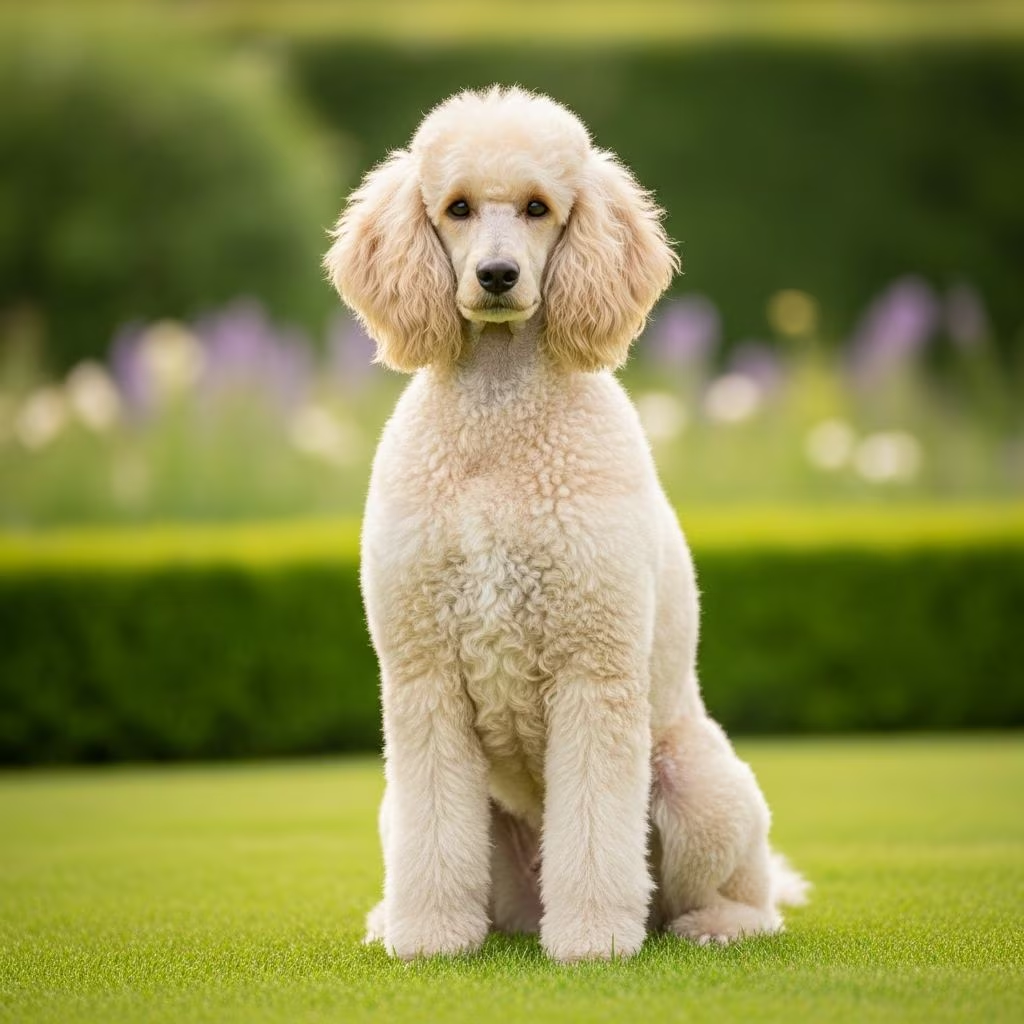
The Poodle stands out as one of the most intelligent and adaptable dog breeds, known for its curly coat, athletic build, and sharp mind. Originating as a robust water retriever, this breed has evolved into a cherished companion in various sizes, appealing to families, athletes, and apartment dwellers alike.
Origins and Evolution of the Poodle
Poodles trace their roots to medieval Europe, with most experts pointing to Germany as the birthplace around the 15th century. There, they were bred as “Pudel” or water dogs, excelling in retrieving ducks and game from icy waters due to their sturdy frames and water-resistant coats. Their name derives from the German word for puddle, reflecting their aquatic prowess.
The breed gained prominence in France, where it was refined and nicknamed “Caniche,” meaning duck dog. French nobility embraced Poodles for hunting, circus performances, and companionship, elevating their status to that of a national icon. Artifacts from ancient Roman times depict curly-coated dogs resembling early Poodles, suggesting even deeper ancestry possibly from Asian herding dogs or North African Barbet types that migrated through Europe.
Over centuries, selective breeding produced three distinct sizes: Standard, Miniature, and Toy. Larger Standards handled duck hunting and fishing, Miniatures located truffles, and Toys served as lapdogs for the elite, often tucked into sleeves of Renaissance nobility. This versatility transformed the Poodle from utilitarian worker to glamorous show dog, with iconic grooming styles emerging to aid swimming while adding flair.
Poodle Varieties: Standard, Miniature, and Toy
Poodles come in three Fédération Cynologique Internationale-recognized sizes, each sharing the same breed standards for coat, color, and temperament but differing in stature and typical roles.
- Standard Poodle: Standing over 15 inches at the shoulder and weighing 45-70 pounds, these are the originals—athletic hunters with boundless energy. Ideal for active owners seeking a versatile partner for hiking, agility, or obedience trials.
- Miniature Poodle: Measuring 10-15 inches tall and 10-20 pounds, Miniatures balance portability and playfulness. They’re agile truffle hunters turned family pets, perfect for suburban homes.
- Toy Poodle: The smallest at under 10 inches and 4-6 pounds, Toys are lively companions for apartments. Despite size, they retain the breed’s intelligence and spirit.
All varieties boast the same dense, curly coat in colors like black, white, apricot, cream, gray, silver, blue, and patterns such as parti or phantom. Their hypoallergenic fur sheds minimally, making them suitable for allergy sufferers.
Temperament and Personality Traits
Poodles are renowned for their genius-level IQ, ranking second only to Border Collies in intelligence according to canine psychologist Stanley Coren. This smarts translates to eager learning, problem-solving, and adaptability.
They form deep bonds with families, displaying affection, playfulness, and loyalty. Standards may act protective, barking at intruders as vigilant watchdogs, while smaller varieties lean more companion-oriented. Proper socialization prevents shyness or nippiness; otherwise, they can be reserved with strangers.
Energy levels vary by size—Standards demand vigorous exercise like swimming or fetch, while Toys suffice with indoor games. All thrive on mental stimulation via puzzles or tricks to curb boredom-induced behaviors like chewing. Separation anxiety is common, so they’re best for households where someone is home often.
| Size | Energy Level | Best For | Trainability |
|---|---|---|---|
| Standard | High | Active families, sports | Excellent |
| Miniature | Medium-High | Families, apartments | Excellent |
| Toy | Medium | Seniors, small spaces | Excellent |
Grooming Essentials for the Curly-Coated Poodle
The Poodle’s dense, moisture-trapping coat requires diligent maintenance to prevent matting. Professional grooming every 4-6 weeks is standard, with daily brushing using a slicker brush at home.
Iconic clips like the Continental or Puppy Cut honor hunting heritage—pom-poms protect joints in water—while modern styles prioritize comfort. Bathe bi-weekly with pH-balanced shampoo, clean ears weekly to avoid infections, and trim nails monthly. Dental care via brushing and chews combats tartar buildup common in the breed.
Miniatures and Toys need extra vigilance for tear staining around eyes, treatable with vet-approved wipes. Their coat grows continuously, so consistent care keeps skin healthy and allergens low.
Nutrition and Daily Exercise Needs
Fuel a Poodle’s active lifestyle with high-quality, breed-sized kibble rich in proteins (25-30%) from fish or chicken for coat health and omega fatty acids. Portion control prevents obesity, especially in Toys: Standards need 2-3 cups daily, Miniatures 1-2, Toys 1/4-1/2.
Exercise: Standards crave 60+ minutes of runs, swims, or agility; Miniatures 45 minutes of walks and play; Toys 30 minutes suffices. Swimming leverages their webbed feet and love of water, building muscle without joint strain. Rotate toys and training to engage their minds.
Health Considerations and Lifespan
Poodles enjoy 12-18 year lifespans, with Toys often outliving larger kin. Common issues include hip dysplasia, patellar luxation, progressive retinal atrophy (PRA), Addison’s disease, and bloat in Standards.
Genetic testing via OFA or PennHIP screens breeding stock. Annual vet checkups, vaccinations, and parasite prevention are crucial. Spay/neuter timing consults vets to mitigate cancers. Feed joint supplements like glucosamine for active dogs.
Training Your Intelligent Poodle
Harness their trainability with positive reinforcement—treats, praise—from puppyhood. Teach basics like sit, stay, come via short, fun sessions. Advance to agility, obedience, or therapy work; Poodles excel in canine sports.
Socialize early via puppy classes to foster confidence. Crate training eases housebreaking and combats anxiety. Consistency yields a polite, responsive dog.
Poodles in Modern Life: Families, Sports, and More
Beyond homes, Poodles shine as service dogs, thanks to hypoallergenic coats and smarts. They’ve influenced designer breeds like Labradoodles, blending traits with Labs or Goldens, though purebred enthusiasts prioritize lineage preservation.
In competitions, they dominate conformation, obedience, and freestyle dancing, showcasing elegance and skill. Families value their kid-friendly nature when supervised with toddlers due to playful energy.
Choosing Your Poodle: Adoption and Breeder Tips
Adopt from rescues like Poodle Club of America or breed-specific shelters. Reputable breeders health-test parents, provide pedigrees, and match temperaments to lifestyles. Avoid puppy mills; expect $1,500-$3,000 for purebreds.
Puppy-proof homes: secure cords, provide chew toys. Budget $1,000-2,000 yearly for grooming, food, vet care.
Frequently Asked Questions (FAQs)
Are Poodles hypoallergenic?
Yes, their low-shedding coat produces fewer dander allergens, ideal for sensitive owners, though no dog is 100% hypoallergenic.
How often do Poodles need grooming?
Every 4-6 weeks professionally, daily brushing at home to prevent mats.
Do Poodles make good family dogs?
Absolutely, their gentle, playful nature suits families, but supervise with young kids and ensure exercise.
What’s the average lifespan of a Poodle?
12-18 years, varying by size; Toys often reach 15-18.
Are Poodles easy to train?
Highly, ranking #2 in intelligence; they learn quickly with positive methods.
References
- Poodle Guide: Temperament, Life Span & Traits — Canna-Pet. 2023. https://canna-pet.com/breed/standard-poodle/
- Dog Breed Spotlight: Poodle | History & Facts — Dr. Bill’s Pet Nutrition. 2023. https://drbillspetnutrition.ca/dog-breed-spotlight-poodle/
- Poodle History: From Water Retriever to Versatile Companion — American Kennel Club (AKC). 2024-01-15. https://www.akc.org/expert-advice/dog-breeds/poodle-history/
- Standard Poodle History — Poodle Mojo. 2023. https://poodlemojo.com/history/
- Poodle | Size, Lifespan & Grooming — Britannica. 2025-06-12. https://www.britannica.com/animal/poodle
- Poodle – Full History — YouTube (History Channel). 2023-05-20. https://www.youtube.com/watch?v=omm9RF6l0_Y
- The Ultimate Guide to Poodles: History, Care, Tips — Vetericyn. 2024. https://vetericyn.com/blogs/vetericyn/poodle



