

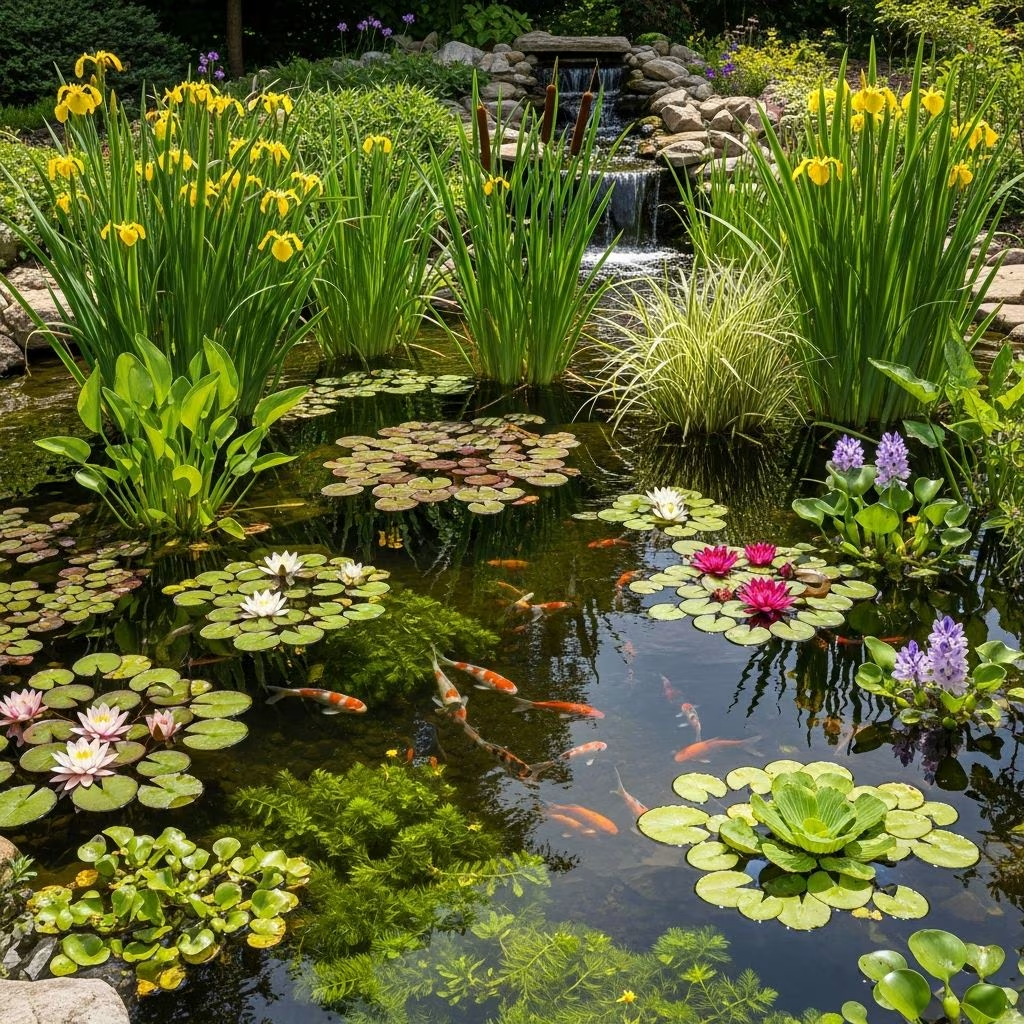
15 Pond Plants to Beautify Your Outdoor Fish Pond
Creating a thriving outdoor fish pond requires more than just clean water and proper filtration. The addition of carefully selected aquatic plants transforms your pond into a vibrant ecosystem that benefits both the visual appeal and the health of your aquatic environment. Whether you’re designing a new pond or enhancing an existing one, understanding the different zones and plant types available will help you create the perfect balance of beauty and functionality.
Pond plants serve multiple purposes in your water garden. They provide oxygen to the water, absorb excess nutrients that would otherwise fuel algae growth, create habitats for fish and other aquatic creatures, and add stunning visual interest with their flowers, foliage, and textures. By incorporating plants from different planting zones, you can create a layered, biodiverse pond that remains healthy and attractive throughout the seasons.
Understanding Pond Plant Zones
Successful pond planting begins with understanding the different depth zones and their corresponding plant categories. Each zone has unique characteristics that make it suitable for specific types of plants. By selecting plants appropriate for each zone, you maximize their growth potential and ensure they contribute effectively to your pond’s ecosystem.
Zone 1: Bog Plants (Saturated Soil)
Bog plants represent the first zone in pond planting strategy. These plants thrive in wet soil conditions but prefer to keep their leaves and stems relatively dry. They grow best around the edges of ponds, where they can access the moisture they need without remaining submerged for extended periods. Many bog plants are particularly valuable for their ability to filter excess nutrients and pollutants from your pond water, making them essential for maintaining water clarity and quality.
Marsh Marigold (Caltha palustris): This charming plant features kidney-shaped leaves and bright yellow flowers that resemble its buttercup cousins. Beyond its aesthetic appeal, marsh marigolds actively help prevent string algae overgrowth and reduce bacterial blooms, making them a functional as well as beautiful choice for your pond edges.
Marsh Fern (Thelypteris palustris): A native North American plant, marsh ferns are adaptable to various conditions. They enjoy full to partial sun and thrive in boggy to moderately wet soil. Before planting, check your USDA hardiness zone to ensure marsh ferns will thrive in your specific climate and pond location.
Creeping Jenny (Lysimachia nummularia): Also known as moneywort due to the coin-like shape of its leaves, creeping Jenny produces yellow or white flowers depending on the species. These flowers attract valuable pollinators such as bees and butterflies. Capable of growing up to 12 inches tall, creeping Jenny performs best in water depths up to 2 inches. Its long, branching growth pattern provides shade and protection for small or juvenile fish, creating safe refuges in your pond.
Iris (Iris pseudacorus, Iris laevigata): This striking marginal plant requires sufficient water to keep its crown covered throughout the year. Iris plants reward patience with purplish-blue flowers during the first year after establishment. Some varieties, particularly blue irises, can grow up to 5 feet tall, creating dramatic vertical interest in your pond landscape.
Sweet Flag (Acorus calamus): This tall perennial herb grows best in water depths up to 3 feet. Sweet flags feature long, flat, deep green leaves that impart a tropical appearance to your backyard pond. Beyond their aesthetic value, sweet flags provide oxygen directly to the water and absorb excess nutrients. They also offer important spawning habitat for your fish, supporting their reproductive cycles.
Zone 2: Marginal and Shallow-Water Plants
Marginal plants occupy the shallow waters around your pond’s perimeter, creating a transition zone between the bog plants and deeper water plants. These plants add color, texture, and structure to your pond while remaining accessible for maintenance and viewing.
Zone 3: Intermediate Depth Plants
The intermediate zone bridges the gap between shallow marginal plants and deep-water varieties. This zone accommodates plants that need moderate water depth to thrive, typically ranging from a few inches to approximately 40 centimeters.
Zone 4: Deep-Water and Oxygenating Plants
For ponds with sufficient depth, deep-water plants like lotus and water lilies provide essential oxygen to the water column. These plants root in the substrate far below the surface, often in water exceeding 16 inches deep. Their leaves reach toward the surface and typically float there, adapting gracefully to changing water levels while continuously oxygenating the water.
Hardy Water Lily (Nymphaea spp.): Water lilies grace ponds worldwide, lending a classic elegance and aesthetic refinement to water gardens. They create perfect resting spots for frogs and other pond inhabitants. These plants root at the pond bottom, sending shoots upward toward the surface where showy flowers emerge during summer months. Available in various colors including pink, peach, red, and white, water lilies provide reliable seasonal interest and are generally easy to cultivate.
Water lilies root in deep substrates and produce floating leaves with beautiful flowers that bloom throughout the summer season. They adapt well to various pond conditions and contribute significantly to your pond’s ecosystem health by providing surface shade that reduces water temperature and discourages excessive algae growth.
Zone 5: Floating Plants
Floating plants offer unparalleled ease of installation—simply drop them into your pond and let them flourish. These plants require no soil and thrive when placed directly on the water surface. The roots of many species dangle below the main plant, where they actively filter toxins and provide shelter for small fish and other aquatic organisms.
Water Lettuce (Pistia spp.): Also called water cabbage, water lettuce has colonized every continent except Antarctica. This pond plant has become immensely popular in water gardens because its leafy greens reach up to a foot wide, adding gorgeous texture and visual interest to ponds. The clustered leaf arrangement creates attractive rosettes on the water surface while the dangling roots filter water and provide fish habitat.
Mosaic Plant (Ludwigia sedoides): Known as false loosestrife, mosaic plant is native to Central and South America. It thrives in still water with abundant sunshine, producing pretty yellow flowers on the floating rosettes when healthy. The distinctive mosaic-like pattern on its leaves provides interesting visual contrast in pond water gardens.
Hornwort (Ceratophyllum demersum): This remarkably versatile plant can function as either a floating plant or a submerged oxygenator. Hornwort is self-propagating, meaning it spreads on its own once established in your pond. It grows long, feathery fronds that appear beautiful while simultaneously oxygenating water, providing shade, and reducing algae growth. Its ability to perform multiple ecological functions makes it invaluable in pond ecosystems.
The Importance of Plant Diversity in Pond Ecosystems
Incorporating plants from multiple zones creates a balanced, self-regulating pond ecosystem. The combination of different plant types works synergistically to maintain water clarity and support fish health. Surface-floating plants provide shade that reduces water temperature and prevents excessive algae growth. Submerged oxygenating plants compete with algae for nutrients while releasing oxygen into the water. Bog and marginal plants filter excess nutrients and pollutants, further enhancing water quality.
This multi-zone approach creates numerous microhabitats within your pond, supporting diverse aquatic life including fish, invertebrates, frogs, and beneficial bacteria. Fish benefit from varied shelter options, spawning sites, and food sources supported by the plant community. The result is a more stable, resilient pond ecosystem that requires less intervention and maintenance over time.
Selecting the Right Plants for Your Pond
When choosing pond plants, consider your local climate, pond size, sunlight exposure, and water depth. Different plants have specific requirements regarding water temperature, pH levels, sunlight, and water movement. Research your USDA hardiness zone and select plants known to thrive in your region. Consider seasonal variations in your location and choose plants that will provide year-round interest and ecological support.
Assess your pond’s sunlight exposure, as some plants require full sun while others prefer partial shade. Water depth is another critical consideration—ensure selected plants match the depth zones available in your pond. Mixing plants of varying heights and growth habits creates visual interest and maximizes the functional benefits each species provides.
Planting and Maintenance Tips
Proper planting technique ensures plants establish successfully and thrive for years. Most pond plants should be planted in late winter or early spring when danger of frost has passed and plants are most active. Use aquatic plant baskets filled with appropriate aquatic planting soil rather than regular garden soil, which can cloud water and introduce unwanted nutrients.
Floating plants require no planting—simply place them on the water surface and allow them to spread. For rooted plants, position baskets at appropriate depths and weigh them securely to prevent displacement. Monitor plants regularly, removing dead foliage and controlling excessive growth. Many floating plants grow vigorously and may need thinning during summer months to maintain water clarity and prevent them from completely covering the pond surface.
Seasonal Considerations
Different seasons affect pond plants differently. Spring is the ideal planting season for most aquatic plants, allowing them to establish strong root systems before summer growth. Summer brings peak blooming and growth for many plants. Fall requires cleanup and preparation for winter, including removing dead foliage that could decompose and foul water quality. Some plants require overwintering strategies in colder climates.
Frequently Asked Questions
Q: How deep should water be for different pond plants?
A: Different plants require different depths. Bog plants prefer saturated soil at pond edges, creeping Jenny thrives in up to 2 inches of water, sweet flag grows best in up to 3 feet of water, while water lilies and lotus need 16 inches or more of water depth for optimal growth and flowering.
Q: Do all pond plants need sunlight?
A: Most pond plants prefer full to partial sun, though some tolerate shade. Water lilies require full sun to flower properly. Floating plants and oxygenators also perform best with adequate sunlight, typically 4-6 hours minimum daily.
Q: How can pond plants help reduce algae?
A: Pond plants reduce algae by competing for the same nutrients, absorbing excess nitrogen and phosphorus that algae would otherwise consume. Surface plants provide shade that reduces water temperature and limits algae growth, while submerged oxygenators further suppress algae development.
Q: When is the best time to plant aquatic plants?
A: Late winter through early spring is ideal for planting pond plants. This timing allows plants to establish strong root systems before the active growing season and ensures they’re ready for summer growth and flowering.
Q: Can I keep all these plants in a small pond?
A: Small ponds can accommodate selected plants from each zone. Choose dwarf varieties like Nymphaea ‘Pygmaea Helvola’ for water lilies, and limit floating plants to prevent overgrowth. Focus on vertical space and carefully manage plant growth through regular maintenance.
Q: Which plants are safest for ponds with fish?
A: Most native aquatic plants are safe for fish. Water lilies, hornwort, marsh marigold, creeping Jenny, and iris are all fish-friendly options. Ensure plants aren’t treated with pesticides and avoid invasive species that could harm pond ecosystems.
References
- Pond Plants for Outdoor Fish Ponds — Chewy Education. 2024. https://www.chewy.com/education/fish/pond-fish/pond-plants-for-outdoor-fish-pond
- The Complete Guide to Pond Plants: Types, Care & Seasonal Tips — The Bright Garden. 2024. https://thebrightgarden.com/ponds/pond-plants/
- Choosing Pond Plants — Royal Horticultural Society (RHS). 2024. https://www.rhs.org.uk/ponds/pond-plants
- Essential Guide to Water Plants for Small Ponds — We Know Water Gardens. 2024. https://weknowwatergardens.com.au/blogs/news/essential-guide-to-water-plants-for-small-ponds-our-top-pond-plants-to-suit-petite-ponds
- A Guide to Native Pond Plants — Wildfowl & Wetlands Trust (WWT). 2024. https://www.wwt.org.uk/discover-wetlands/gardening-for-wetlands/a-guide-to-native-pond-plants
- Planting A Pond: A Beginner’s Guide — Water Garden Plants. 2024. https://www.watergardenplants.co.uk/pages/planting-a-pond-a-beginners-guide



