

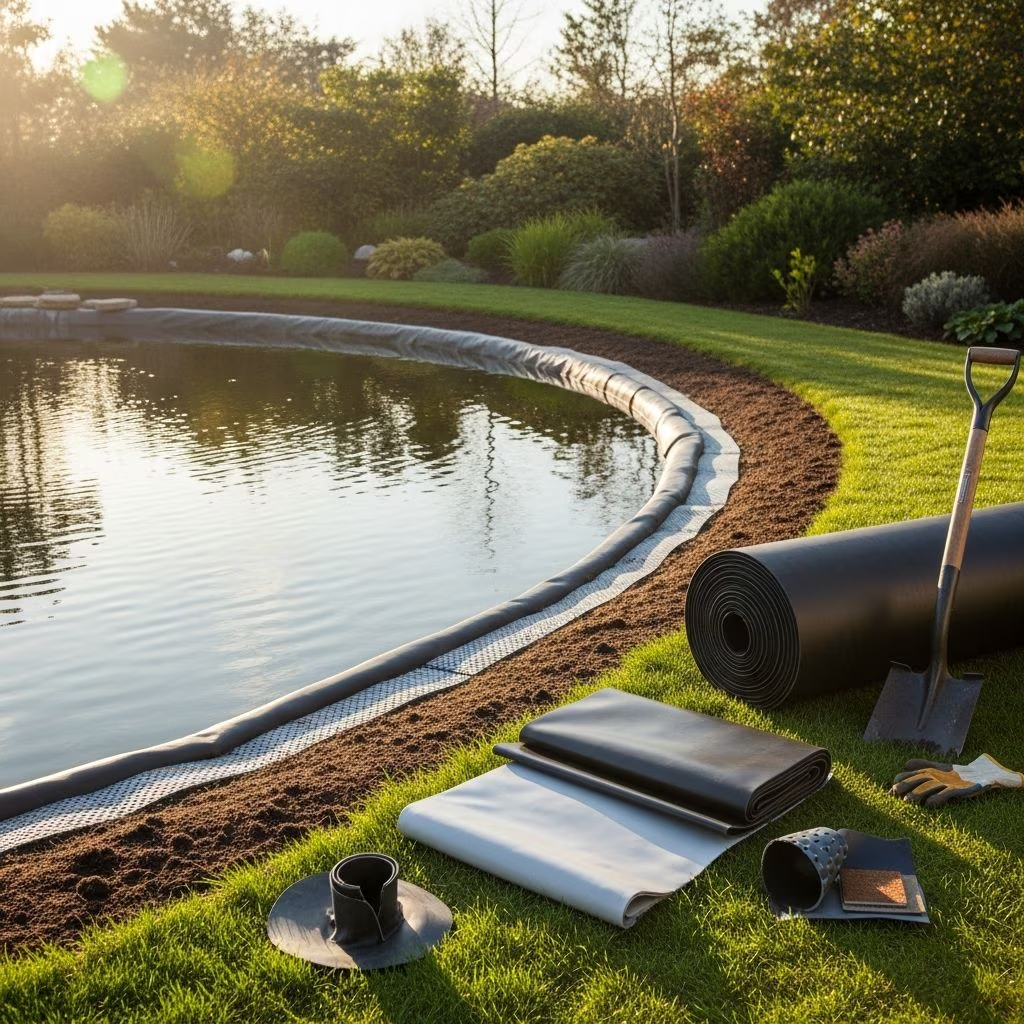
A pond liner is one of the most critical components of any successful pond construction project. Whether you’re building a small decorative water garden or a larger fish pond, selecting the right liner and understanding proper installation techniques will ensure your pond remains watertight and functional for years to come. This comprehensive guide covers everything you need to know about pond liners, from material selection to installation and maintenance.
Understanding Pond Liners
A pond liner serves as the waterproof barrier that contains water within your pond structure. Without a proper liner, water would simply seep into the ground, and your pond would never hold water. Modern pond liners come in various materials and thicknesses, each offering different benefits and drawbacks. Understanding these options helps you make an informed decision based on your specific needs, budget, and intended pond use.
The primary purpose of a pond liner is to create an impermeable seal that prevents water loss while accommodating the natural expansion and contraction of materials due to temperature changes and ground settling. A quality liner will also resist damage from UV rays, punctures, and chemical degradation, ensuring your pond investment lasts for decades.
Types of Pond Liners
When planning your pond project, you’ll encounter several liner options, each with distinct characteristics. Understanding the differences between these materials will help you select the best option for your situation.
Flexible Pond Liners
Flexible liners are among the most popular choices for backyard ponds. These materials conform to the shape of your excavated pond, making them ideal for irregular shapes and custom designs. Flexible liners come in several material types, each offering different durability and cost considerations.
Rubber Liners (EPDM) are synthetic rubber materials that offer excellent flexibility and durability. Ethylene Propylene Diene Monomer (EPDM) liners are resistant to UV radiation and can withstand temperature fluctuations without becoming brittle or cracking. High-quality EPDM liners often come with extended warranties of 20-30 years or more. These liners are particularly suitable for ponds containing fish and plants, as EPDM is non-toxic and safe for aquatic life.
PVC Liners are polyvinyl chloride materials that are more affordable than rubber options but may have a shorter lifespan. While generally durable, PVC liners can become less flexible in cold temperatures and may be more susceptible to UV degradation over time. However, they remain a popular choice for smaller ponds and budget-conscious projects.
Reinforced Polyethylene liners offer a middle ground between cost and durability. These materials are tougher than standard plastic but may not match the longevity of premium rubber liners. They work well for temporary installations or experimental pond designs.
Preformed Pond Liners
Preformed pond liners are rigid plastic shells that come in predetermined shapes and sizes. These ready-made structures eliminate much of the guesswork in pond construction, as you simply dig a hole matching the liner’s dimensions and install it. Preformed liners are ideal for smaller ponds and require less site preparation than flexible liners. However, they limit your design flexibility, and replacement can be challenging if the structure cracks or deteriorates.
Concrete Liners
Concrete is a traditional pond lining material that remains popular for larger installations. Concrete liners provide excellent durability and can support considerable weight, making them suitable for ponds with heavy landscaping features or water features. However, concrete installation is labor-intensive, requires proper sealing to prevent water loss, and can crack over time due to ground movement or freeze-thaw cycles. Concrete also requires a significant curing period before water can be added.
Liner Thickness and Durability
The thickness of your pond liner directly impacts its durability and resistance to puncture damage. Flexible liners are measured in millimeters, with common thicknesses ranging from 0.5mm to 1.5mm or more. Thicker liners generally offer better puncture resistance and longer lifespans, though they cost more and may be harder to work with during installation.
For most backyard fish ponds, a liner thickness of 0.75mm to 1mm provides an excellent balance between cost and durability. Larger ponds or those containing sharp rocks or rough edges benefit from thicker liners, which offer added protection against accidental punctures. Climate also plays a role in liner selection; areas with extreme temperature fluctuations benefit from more flexible materials that can accommodate seasonal movement without cracking.
Preparing Your Pond for Liner Installation
Proper site preparation is essential for successful liner installation and long-term pond performance. This preparation phase involves several critical steps that must not be overlooked.
Excavation and Shaping
Begin by excavating your pond area to the desired dimensions and depth. Create sloped sides rather than vertical walls, as slopes distribute water pressure more evenly and make maintenance easier. Most experts recommend a slope of approximately 20 degrees from vertical. For ponds containing fish and aquatic plants, dig deeper areas for winter refuge, typically 2-3 feet deep in cold climates.
As you excavate, remove the topsoil and set it aside for landscaping around your pond. This prevents nutrient-rich topsoil from contaminating your pond water later. The excavated subsoil can be shaped into the pond structure or used to create landscape berms and raised features around the pond perimeter.
Leveling and Compacting
Use a spirit level to ensure the pond basin is relatively level around its perimeter. Uneven surfaces can cause water to pool unevenly and may stress the liner. Thoroughly compact the excavated soil, removing air pockets that could create pressure points under the liner. Walk over the entire area systematically, paying special attention to corners and edges where soil may be loose.
Removing Sharp Objects
Carefully inspect your excavated pond basin for rocks, roots, sharp sticks, and other debris that could puncture your liner. Remove all sharp objects, as even a small puncture can lead to slow water loss over time. Many installers add a layer of sand or a protective underlayment to provide additional cushioning and protection against unexpected sharp edges.
Installing an Underlayment
A protective underlayment serves as a buffer between the raw soil and your pond liner, preventing damage from roots, rocks, and ground movement. Commercial underlayment materials are specifically designed to protect liners, though some installers use layers of sand, old carpet, or geotextile fabrics. An underlayment is particularly important in areas with rocky soil or where root systems might compromise your liner’s integrity.
Installing Your Pond Liner
Proper liner installation requires attention to detail and a systematic approach. Whether using flexible or preformed liners, correct installation ensures years of reliable pond operation.
Flexible Liner Installation
Begin by laying out your flexible liner across the pond basin. For best results, install the liner on a warm day when the material is more pliable and easier to work with. Start at the deepest point and gradually work the liner upward, smoothing out wrinkles as you go. Work with a helper, as managing a large sheet of liner requires coordination.
As you fill the pond with water, the weight of the water will help push the liner into the basin contours. Adjust the liner as needed to ensure it remains centered and smooth. Once the pond is filled, trim excess liner around the edges, leaving approximately 12-18 inches of overhang to secure the liner at the pond’s perimeter. This overhang prevents the liner from slipping inward and accommodates future water level changes.
Securing the Liner Edge
The liner edge must be securely fastened to prevent it from slipping into the water. Install brickwork, paving stones, or decorative edging materials over the liner overhang, securing them with adhesive or mortar. This edging prevents the liner from displacing and also enhances your pond’s appearance. Ensure the edging material covers the entire perimeter, as any unsecured sections may shift over time.
Creating Finished Edges
Professional-looking finished edges enhance your pond’s aesthetic appeal. You can create various edge styles by selecting different materials: natural stone for a rustic appearance, concrete pavers for a formal look, or planted borders for a naturalized effect. Whatever edging material you choose, ensure it’s securely positioned and stable, as it will be under constant moisture exposure.
Filling Your Pond
Filling your pond requires patience and attention to ensure proper liner settling and adjustment. Begin filling slowly, allowing the liner to adjust gradually to water pressure. As the water level rises, periodically check that the liner remains smooth and properly positioned. The weight of water will help conform the liner to the basin shape, but manual adjustments may be necessary in corners and along edges.
Continue filling until you reach your desired water level, typically 2-3 inches below the pond’s perimeter to prevent overflow during heavy rain. Once filled, allow the water to settle for several days before installing pumps, filters, or adding plants and fish. This settling period allows the liner to stabilize in its final position.
Common Liner Problems and Solutions
Understanding potential liner issues helps you address problems quickly, preventing extensive damage or water loss.
Punctures and Tears
Despite careful preparation, punctures can occur from sharp objects, wildlife, or accidental damage. Small punctures can be patched using repair kits specifically designed for your liner material. Most flexible liner repair kits include adhesive patches and sealant. Clean the damaged area, roughen the surface slightly, apply adhesive, and press the patch firmly over the damage. Larger tears may require professional repair or liner replacement.
Wrinkles and Folds
Persistent wrinkles or folds in the liner, though not necessarily problematic, can trap sediment and detract from appearance. Minor wrinkles often resolve over time as the liner settles. More significant wrinkles may require partial draining and liner adjustment to smooth them out. Prevent wrinkling by ensuring thorough site preparation and careful installation.
Water Loss
If your pond consistently loses water beyond normal evaporation, check for leaks. Small leaks may be difficult to locate; adding dye to the water near suspected areas can help identify the leak location. Once found, drain the pond sufficiently to expose the damaged area above water level and apply the appropriate repair.
Maintenance and Longevity
Regular maintenance extends your liner’s lifespan and keeps your pond functioning optimally. Perform quarterly inspections for damage, debris accumulation, and signs of deterioration. Remove fallen leaves and plant material promptly, as decomposing matter can alter water chemistry and potentially damage the liner.
Protect your liner from excessive UV exposure by maintaining adequate plant coverage and water depth. During winter in cold climates, ensure the pond doesn’t freeze solid; maintain a small area of open water for gas exchange and prevent ice expansion from stressing the liner. In harsh climates or under heavy use, inspect the liner’s upper edges regularly for UV damage.
Frequently Asked Questions
Q: How long do pond liners typically last?
A: Quality pond liners can last 20-40 years depending on material type, installation quality, and maintenance. EPDM rubber liners often outlast PVC options. Proper maintenance and protection from excessive UV exposure significantly extend liner lifespan.
Q: Can I repair a punctured pond liner?
A: Yes, small punctures can be repaired using liner repair kits available for most liner materials. Larger damage may require professional repair or complete liner replacement. Early detection and repair prevent extensive water loss and secondary damage.
Q: What thickness pond liner should I choose?
A: For most backyard ponds, 0.75mm to 1mm thickness provides adequate durability. Larger ponds or those with rocky soil or sharp edges benefit from thicker liners. Climate considerations and intended pond use should also influence thickness selection.
Q: Do I need an underlayment under my pond liner?
A: While not absolutely required, an underlayment significantly extends liner life by protecting against sharp objects and ground movement. Installing underlayment is highly recommended, especially in rocky or root-prone soil conditions.
Q: Can I install a new liner over an old one?
A: Installation over an old liner is generally not recommended, as punctures or deterioration in the lower liner can cause water loss and complications. Proper installation involves complete removal of old liners and thorough site preparation.
Q: What is the best time to install a pond liner?
A: Spring and early fall offer ideal installation conditions with moderate temperatures. Avoid installing during extreme heat, as liners become too flexible and difficult to manage. Cold weather makes liners brittle and prone to cracking.
Conclusion
Selecting and installing the appropriate pond liner is fundamental to creating a successful, long-lasting water feature. By understanding your options, preparing your site properly, and following installation best practices, you’ll ensure your pond provides years of enjoyment. Whether you’re building a small decorative water garden or a larger fish pond, investing time in proper liner selection and installation pays dividends through reliable performance and minimal maintenance requirements.
References
- The Ultimate Guide to Pond Building: Step-by-Step Process — Mid South Ponds. 2024. https://midsouthponds.com/the-ultimate-guide-to-pond-building-step-by-step-process/
- Constructing a Small Fish Pond in the Garden — Instructables. 2024. https://www.instructables.com/Constructing-A-Small-Fish-Pond-In-The-Garden/
- How to Build a Fish Pond — The Home Depot. 2024. https://www.homedepot.com/c/ab/how-to-build-a-fish-pond/9ba683603be9fa5395fab90f18781bd
- HANDBOOK3. Constructing fish ponds — Food and Agriculture Organization of the United Nations (FAO). 2024. https://www.fao.org/fishery/static/FAO_Training/FAO_Training/General/t0581e/t0581e03.htm
- Building a Pond — Oklahoma State University Extension. 2024. https://extension.okstate.edu/fact-sheets/building-a-pond.html



