

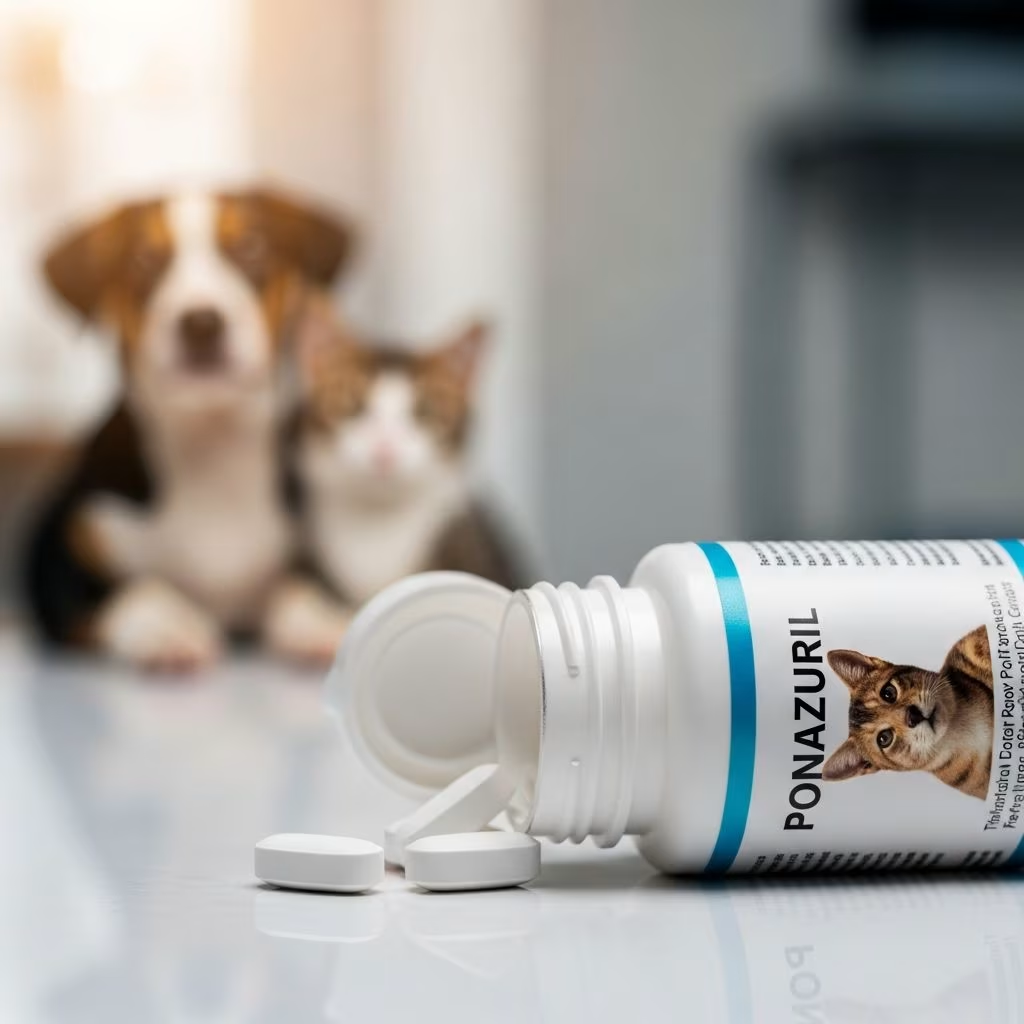
What Is Ponazuril?
Ponazuril is an antiprotozoal medication that plays a crucial role in veterinary medicine by targeting and eliminating protozoal parasites in various animal species. This prescription medication works by interfering with the metabolic processes of protozoa, disrupting their ability to reproduce and survive within the host animal. Ponazuril is particularly effective because it attacks the parasites’ cellular structures at a fundamental level, effectively eradicating infections within days of administration.
The medication is primarily available as an oral paste formulation, making it convenient for administration to horses and other animals. While ponazuril is FDA-approved specifically for use in horses, veterinarians frequently prescribe it off-label for treating protozoal infections in cats, dogs, rabbits, birds, and reptiles. This off-label use demonstrates the medication’s broad-spectrum effectiveness and the confidence veterinary professionals have in its safety profile.
FDA Approval and Labeled Uses
Ponazuril is FDA-approved exclusively for treating equine protozoal myeloencephalitis (EPM) in horses, a serious neurological disease caused by the protozoan parasite Sarcocystis neurona. This approval recognizes the medication’s proven efficacy in managing one of the most challenging protozoal infections in equine medicine.
However, veterinarians are permitted to prescribe ponazuril and related compounds like toltrazuril for off-label use in other animal species when they determine it is the most appropriate therapeutic choice. This flexibility in veterinary medicine allows practitioners to extend the benefits of proven treatments to a wider range of patients, including companion animals and exotic pets.
Main Uses of Ponazuril
Equine Protozoal Myeloencephalitis (EPM) in Horses
EPM stands as the primary and most significant use of ponazuril in veterinary medicine. This debilitating neurological disease affects horses of all ages and can result in severe incoordination, weakness, and stumbling. The condition is caused by Sarcocystis neurona, a protozoan parasite that invades the nervous system and causes inflammation of the brain and spinal cord.
Ponazuril is considered a cornerstone treatment for EPM because it specifically targets the causative parasite, helping to halt disease progression and support recovery. Many horses show marked improvement in neurological signs after receiving ponazuril therapy, with significant enhancements in quality of life and functional ability. The medication can help restore coordination, strength, and normal movement patterns in affected animals.
Veterinarians must exercise caution when diagnosing EPM and prescribing ponazuril, as other conditions can present with similar symptoms of incoordination and weakness. Thorough diagnostic workup, including imaging and potentially cerebrospinal fluid analysis, should be completed before initiating EPM treatment to ensure an accurate diagnosis.
Neosporosis in Dogs and Cats
Neosporosis, caused by the parasite Neospora caninum, represents another significant protozoal infection that ponazuril effectively treats. This infection can be particularly debilitating for puppies and kittens, potentially affecting their development and overall health. Young animals are especially vulnerable to severe manifestations of neosporosis, which can include muscle inflammation, weakness, and neurological signs.
Ponazuril therapy helps reduce the clinical signs of neosporosis and prevents the severe impacts of this infection, supporting healthy development in young companion animals. The medication’s effectiveness in managing neosporosis has made it an important tool for veterinarians treating infected dogs and cats, particularly in cases where the infection threatens the animal’s survival or quality of life.
Coccidiosis in Dogs, Cats, and Other Animals
Coccidiosis represents one of the most common protozoal infections treated with ponazuril in companion animal practice. This intestinal infection is caused by coccidia parasites, particularly Cystoisospora species (formerly known as Isospora), and results in diarrhea, weight loss, and general malaise in affected animals. The condition is especially prevalent in puppies, kittens, and animals in high-density environments such as shelters and breeding facilities.
Ponazuril kills coccidia organisms effectively, providing rapid relief from clinical signs. The medication is particularly valued in shelters and animal rescue facilities where coccidia spread readily among incoming animals. A single-dose treatment is typically sufficient to resolve uncomplicated intestinal coccidiosis, though treatment may extend to 7 days depending on the severity of infection and the individual animal’s response.
Other Protozoal Infections
Beyond the primary uses, ponazuril may be employed to treat other protozoal parasites including Toxoplasma species and Cryptosporidium. These infections can occur in various animal species and may cause serious systemic disease, particularly in immunocompromised animals. Dogs suffering from seizures due to toxoplasmosis or other obligate intracellular protozoal parasites affecting the brain and spinal cord can be effectively treated with ponazuril, typically requiring a minimum 90-day treatment course for these serious neurological infections.
Dosage and Administration
The appropriate dosage of ponazuril varies significantly depending on the animal species, the specific infection being treated, and the individual animal’s health status. For equine EPM treatment, ponazuril is administered as an oral paste, with dosing typically calculated based on the horse’s body weight. The treatment course for EPM usually spans 28 days, representing a substantial commitment to therapy.
For companion animals treated off-label, the compounded oral formulation is administered by mouth, with treatment duration typically ranging from 1 to 7 days for intestinal coccidiosis. For more serious protozoal infections affecting the nervous system, such as neosporosis or toxoplasmosis, treatment courses may extend considerably longer, sometimes lasting 90 days or more.
Proper dosing is critical for both safety and effectiveness, as improper administration can lead to inadequate treatment or potential adverse reactions. Pet owners should always follow their veterinarian’s specific dosing instructions carefully and complete the entire prescribed course of therapy, even if clinical improvement occurs before treatment concludes. Incomplete treatment may result in relapse or the development of resistant parasites.
Side Effects and Safety Considerations
Ponazuril is generally well-tolerated across most animal species, with a favorable safety profile compared to many other antiparasitic medications. Most animals experience minimal side effects during treatment, making ponazuril a practical choice for both acute infections and preventive therapy.
However, ponazuril should be used with caution in certain situations. Dogs with dry eye syndrome (keratoconjunctivitis sicca) or breeds at higher risk for this condition—including cocker spaniels, West Highland white terriers, bulldogs, Lhasa apsos, and Shih Tzus—require careful monitoring during ponazuril therapy. Veterinarians should weigh the benefits of treatment against potential risks in these cases and may recommend concurrent supportive care for the eyes.
As with any medication, adverse effects are possible in individual animals. Pet owners should observe their animals closely during treatment and report any unusual symptoms or behavior changes to their veterinarian promptly. Pregnant or nursing animals should be treated with ponazuril only under veterinary supervision, as safety in these populations has not been definitively established.
Advantages of Ponazuril Treatment
Ponazuril offers several significant advantages over alternative antiparasitic medications. Its high efficacy against coccidia, with infection resolution often occurring within 24 to 48 hours, makes it exceptionally effective for acute coccidiosis. The medication typically requires only a single dose for uncomplicated intestinal infections, offering convenience for both veterinarians and pet owners.
The medication begins working within hours of administration, providing rapid relief from clinical signs such as diarrhea and discomfort. This fast-acting nature is particularly valuable in shelter environments where quick disease control prevents spread to other animals. The minimal side effect profile makes ponazuril well-tolerated by most animals, reducing the risk of complications during treatment.
Ponazuril’s preventive applications represent another significant advantage. In high-risk environments such as animal shelters, breeding facilities, and kennels, ponazuril can be administered as a preventive measure to new arrivals or to prevent outbreaks in multi-animal households. This versatility extends the medication’s utility beyond acute infection treatment.
Comparison with Other Antiparasitic Medications
| Medication | Primary Uses | Treatment Duration | Availability |
|---|---|---|---|
| Ponazuril | Coccidiosis, EPM, neosporosis | 1-7 days (intestinal); 28-90 days (systemic) | Prescription |
| Fenbendazole | Roundworms, hookworms | 3-5 days | Over-the-counter |
| Metronidazole | Giardia, bacterial infections | 5-7 days | Prescription |
| Toltrazuril | Coccidiosis | 3-5 days | Prescription |
For coccidiosis specifically, ponazuril is frequently preferred due to its rapid onset of action and single-dose convenience. In animal shelter environments, ponazuril’s effectiveness and ease of administration make it the medication of choice for mass treatment protocols. The decision between ponazuril and alternative medications depends on the specific infection type, animal species, and individual clinical circumstances.
Frequently Asked Questions
Q: Is ponazuril safe for use in all animal species?
A: Ponazuril is FDA-approved only for horses with EPM. However, it is commonly prescribed off-label in dogs, cats, rabbits, birds, and reptiles by veterinarians when deemed appropriate. Always consult with your veterinarian to determine if ponazuril is suitable for your specific animal and condition.
Q: How quickly does ponazuril work?
A: Ponazuril begins working within hours of administration. For intestinal coccidiosis in dogs and cats, clinical improvement is often evident within 24-48 hours. For systemic infections like EPM in horses, improvement in neurological signs typically occurs over several weeks of consistent treatment.
Q: Can ponazuril be used preventively?
A: Yes, ponazuril can be used preventively in high-risk environments such as animal shelters, breeding facilities, and kennels. It is also sometimes used as a preventive measure in multi-dog households where coccidia exposure is likely. Your veterinarian can recommend an appropriate preventive protocol based on your specific situation.
Q: What should I do if I miss a dose?
A: If you miss administering a dose of ponazuril, give it as soon as you remember unless it is nearly time for the next scheduled dose. Never double-dose to make up for a missed administration. Contact your veterinarian if you have concerns about missed doses during treatment.
Q: Are there any drug interactions with ponazuril?
A: While major drug interactions with ponazuril are uncommon, inform your veterinarian about all other medications and supplements your animal is receiving. This allows your veterinarian to monitor for any potential interactions and adjust treatment protocols if necessary.
Q: How much does ponazuril treatment cost?
A: The cost of ponazuril treatment varies depending on the animal’s size, the treatment duration required, and local veterinary pricing. For intestinal coccidiosis in companion animals, treatment is typically quite affordable. For prolonged EPM treatment in horses or extended therapy for systemic infections, costs may be more substantial. Discuss pricing with your veterinarian.
References
- Ponazuril — VCA Animal Hospitals. Accessed 2025-11-28. https://vcahospitals.com/know-your-pet/ponazuril
- Ponazuril – Horse Medication — PetMD. Accessed 2025-11-28. https://www.petmd.com/pet-medication/ponazuril
- PONAZURIL — Mar Vista Animal Medical Center. Accessed 2025-11-28. https://www.marvistavet.com/ponazuril.pml
- Ponazuril – JAM Veterinary Services — JAM Veterinary Services. Accessed 2025-11-28. https://www.jamdvm.com/ponazuril
- A Detailed Look at Ponazuril for Coccidia in Pets — PetScript Pharmacy. Accessed 2025-11-28. https://www.petscriptpharmacy.com/blogs/all/a-detailed-look-at-ponazuril-for-coccidia-in-pets
- Ponazuril Dosage for Dogs: Safe Use & Benefits — Toltrazuril Shop. Accessed 2025-11-28. https://toltrazurilshop.com/ponazuril-dose-for-dogs-chart/



