

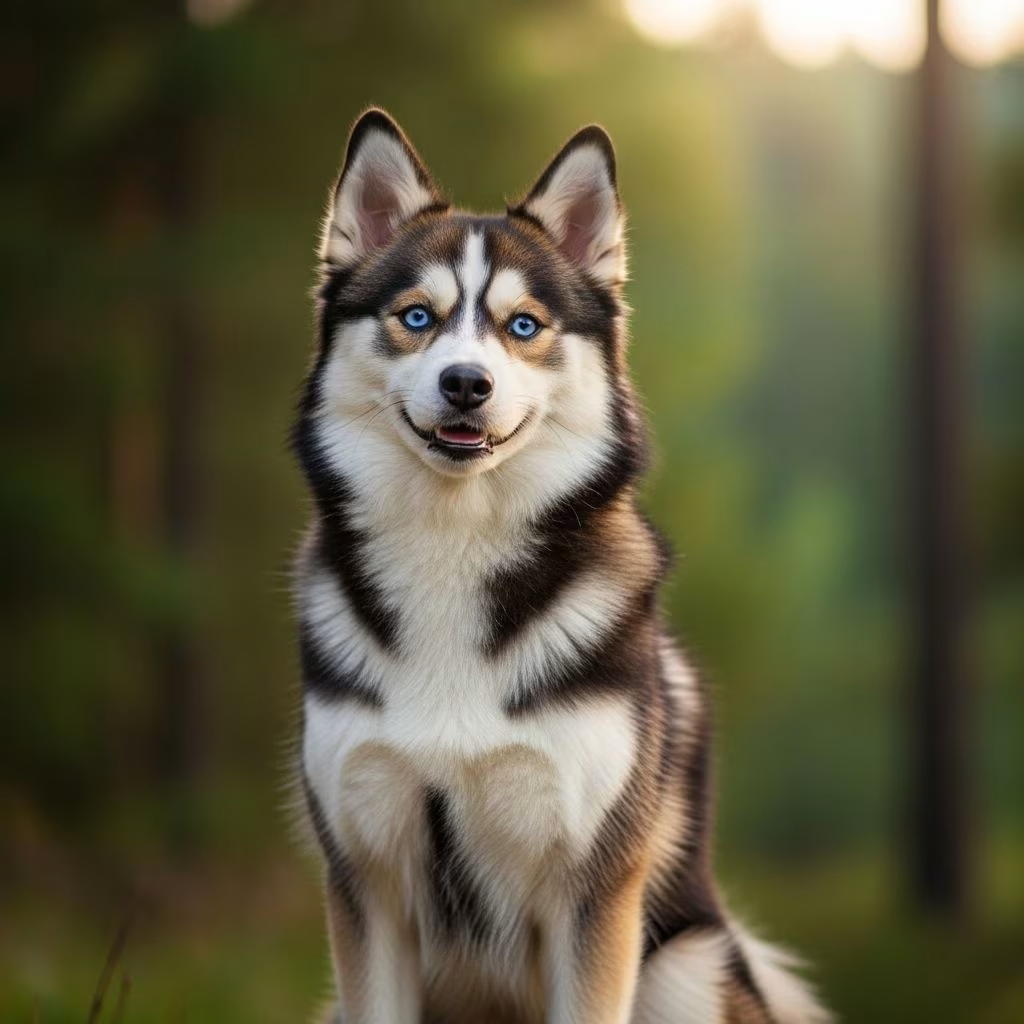
The Pomsky, a captivating cross between the Siberian Husky and Pomeranian, has surged in popularity as a compact yet dynamic companion. This designer breed merges the Husky’s wolfish allure and endurance with the Pomeranian’s spunky fox-like charm, yielding dogs that are intelligent, affectionate, and brimming with vitality. Ideal for those seeking a smaller alternative to the Husky without sacrificing personality, Pomskies demand active lifestyles and dedicated training to flourish.
Origins and Development of the Pomsky Breed
Pomskies emerged in the early 2010s in the United States, crafted by visionary breeders aiming to miniaturize the majestic Siberian Husky. By crossing female Pomeranians with male Huskies—or sometimes employing artificial insemination—the result is a hybrid that typically weighs far less than its larger parent. This intentional blending capitalizes on the Pomeranian’s diminutive frame to temper the Husky’s size, producing pups that echo the Husky’s striking patterns in a more manageable package.
Unlike purebreds with centuries of selective breeding, Pomskies represent a modern hybrid vigor experiment. Each generation can vary, with F1 (first-generation) crosses showing the widest diversity in traits. Responsible breeders prioritize health testing to mitigate inherited issues from both lines, ensuring puppies inherit the best of both worlds: the Husky’s stamina and the Pomeranian’s vivacity. Today, Pomskies captivate social media and pet enthusiasts worldwide, though they lack official recognition from major kennel clubs like the AKC due to their hybrid status.
Physical Traits and Appearance Variations
Pomskies enchant with their petite, athletic builds reminiscent of mini Huskies. Adults typically stand 10 to 15 inches tall at the shoulder and weigh 20 to 30 pounds, though sizes fluctuate based on parental dominance—some lean more Pomeranian-like at under 20 pounds, others Husky-esque up to 35 pounds.
- Coat: Double-layered for insulation, featuring a plush undercoat and weather-resistant topcoat. Length varies from medium to long and fluffy.
- Colors: Predominantly Husky-inspired black-and-white, gray-and-white, red-and-white, or blue-and-white; also solid black, white, tan, or brown.
- Eyes: Expressive almond or round shapes in brown, blue, amber, green, hazel, gray; heterochromia (two-toned eyes) or parti-coloration adds uniqueness.
- Ears and Tail: Alert, upright ears and a curled, bushy tail enhance their eager, fox-wolf hybrid vibe.
- Build: Sturdy yet compact, with a straight back, strong legs, and a nose that may “snow” (lighten) in winter from Husky genes.
This variability makes every Pomsky visually distinct, often sporting dramatic facial masks or merle patterns if ethically bred.
Temperament: The Playful Heart of Pomskies
Beneath their adorable exteriors beats a spirited soul. Pomskies inherit intelligence and playfulness from both parents, making them quick learners with a mischievous edge. Loyal to their core, they bond deeply with families, thriving on human interaction and often designating a favorite person.
Expect high energy levels: these dogs crave daily adventures, from hikes to fetch sessions. Their vocal nature—yips from Pomeranians, howls from Huskies—turns them into alert watchdogs, barking at intruders but potentially noisy in quiet settings. Socialization curbs skittishness around strangers or kids; they fare best with older children or puppy-raised in gentle homes.
| Trait | Description |
|---|---|
| Affectionate | Cuddly companions who love laps and attention. |
| Intelligent | Eager to please, excels in tricks and obedience. |
| Energetic | Needs 1-2 hours of exercise daily to prevent boredom. |
| Stubborn | Willful streak requires firm, positive training. |
| Social | Gregarious with people and pets if socialized early. |
Far from hyper, well-bred Pomskies balance zest with affection, suiting active singles, couples, or families who work from home.
Training Essentials for Success
Harnessing a Pomsky’s smarts demands early, consistent training. Start puppy classes by 8-12 weeks to instill manners and curb nipping or chewing. Positive reinforcement—treats, praise—works wonders on their eager-to-please nature, while harsh methods fuel defiance.
- Puppy-proof your space to manage their curious, escape-artist tendencies.
- Teach commands like “sit,” “stay,” and “leave it” amid play to channel energy.
- Crate training aids housebreaking; expect 4-6 months for full reliability.
- Socialize broadly: parks, doggy daycare, and varied encounters build confidence.
Mental puzzles, agility, or scent work prevent destructive behaviors born of boredom. Patience counters their occasional stubbornness, yielding a well-mannered adult.
Grooming and Daily Maintenance
That luxurious coat sheds seasonally, dubbed “blowing coat,” requiring weekly brushing with a slicker or undercoat rake to detangle and distribute oils. Bathe monthly or as needed with dog-safe shampoo; dry thoroughly to avoid skin issues.
Nail trims every 4-6 weeks, ear cleanings weekly, and teeth brushing 2-3 times weekly round out routines. Their active shedding suits allergy sufferers less, but regular upkeep keeps homes tidy.
Health Considerations and Lifespan
Pomskies boast a 12-15 year lifespan with vigilant care. Hybrids may dodge some purebred woes, but screen for:
- Patellar Luxation: Kneecap slippage causing limping.
- Hip Dysplasia: Joint malformation leading to mobility loss.
- Eye Issues: PRA or cataracts.
- Dental Problems: Pomeranian trait; prioritize chew toys.
- Obesity: Monitor diet to sustain agility.
Annual vet checkups, vaccinations, and DNA testing from breeders mitigate risks. Feed high-quality kibble portioned to weight—1.5-2.5 cups daily, split meals.
Finding the Perfect Living Environment
Pomskies adapt to apartments if exercised rigorously but prefer yards for romps. Cooler climates suit their coats; avoid scorching heat to prevent overheating. Active owners—runners, hikers—match best; sedentary homes risk behavioral issues.
They coexist with other pets post-introduction and adore kids who respect boundaries. Not ideal for novices; experienced handlers navigate their independence.
Nutrition and Exercise Regimen
Fuel with puppy food until 12 months, transitioning to adult formulas rich in protein (25-30%) for muscle maintenance. Fresh water always; puzzle feeders engage minds.
Exercise: 60-120 minutes daily via walks, play, training. Rotate activities to stave off ennui—fetch, swimming, obedience games.
Frequently Asked Questions (FAQs)
Are Pomskies good for apartments?
Yes, with ample daily exercise and mental stimulation; they tolerate small spaces better than full Huskies.
Do Pomskies bark a lot?
Moderately vocal as watchdogs; training minimizes excessive noise.
How much do Pomskies shed?
Significantly during seasonal blows; daily brushing helps manage.
Are Pomskies hypoallergenic?
No, their double coat sheds profusely, producing dander.
What’s the cost of a Pomsky puppy?
$1,500-$5,000 from reputable breeders; avoid cheap sources lacking health guarantees.
Choosing Your Pomsky: Breeder Tips
Seek breeders with OFA/PennHip certifications, genetic panels, and transparent parent histories. Visit premises, query socialization practices, and secure contracts. Rescues offer adult Pomskies for experienced adopters.
Embracing a Pomsky promises joy, laughter, and unwavering devotion—a pint-sized powerhouse ready for life’s escapades.
References
- Pomsky Dog Breed Information and Characteristics — Potty Buddy. 2024. https://pottybuddy.co/blogs/potty-buddy-blog/pomsky-dog-breed-information-characteristics
- Pomsky Dog Breed – Temperament, Personality and Characteristics — Hill’s Pet. 2025. https://www.hillspet.com/dog-care/dog-breeds/pomsky
- Pomsky Characteristics, Care & Photos — Chewy. 2025-12-15. https://www.chewy.com/education/dog-breeds/pomsky
- Pomsky Dog Breed Health and Care — PetMD. 2025. https://www.petmd.com/dog/breeds/pomsky
- About Pomskies | Traits, Personality, Behavior, Appearance, and Care — West Bay Pomsky. 2024. https://www.westbaypomsky.com/about-pomskies



