

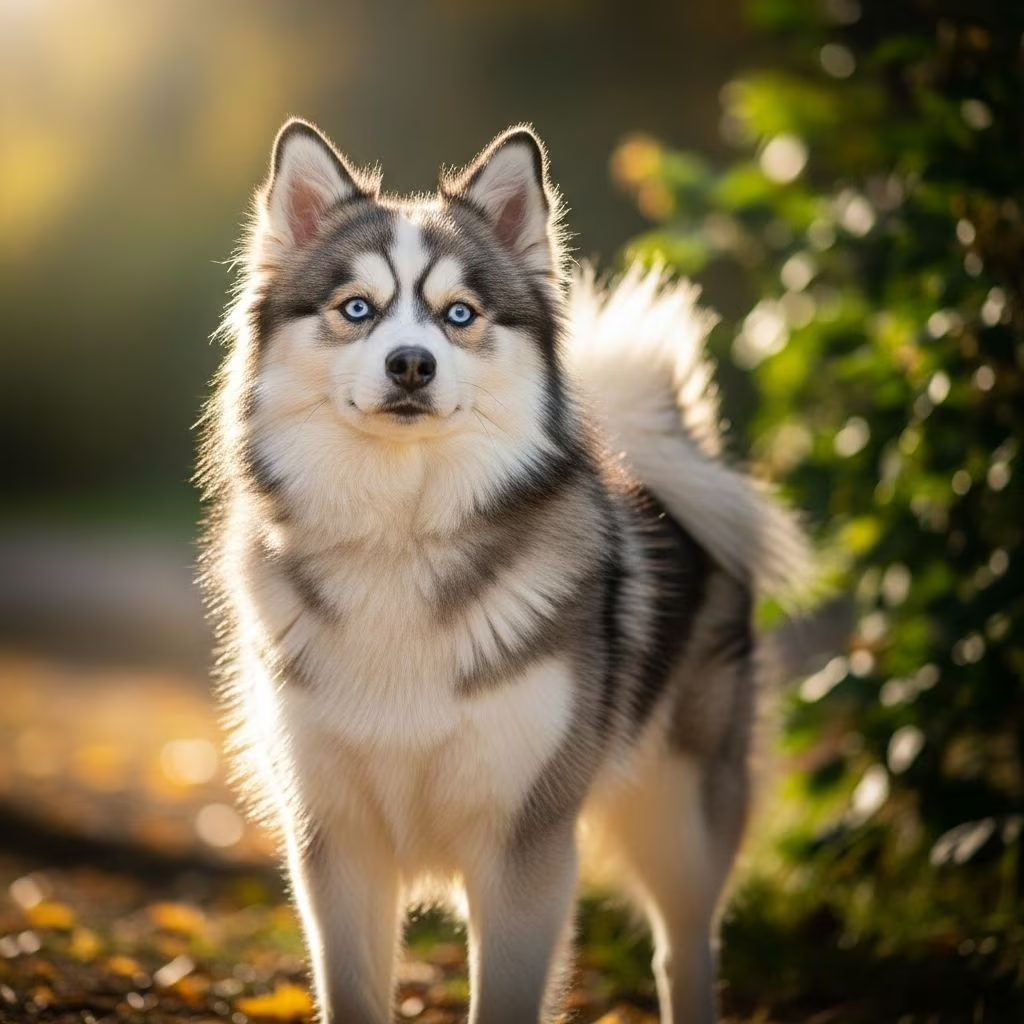
The Pomsky represents a fascinating intersection of two dramatically different dog breeds. By combining the diminutive Pomeranian with the powerful Siberian Husky, breeders have created a dog that captures the best qualities of both parent breeds while offering something distinctly unique to the canine world. Understanding what makes these dogs special requires exploring their origins, distinctive characteristics, behavioral traits, and the specific care requirements that keep them thriving.
Understanding the Pomsky Heritage
The Pomsky emerged as a designer breed that aims to blend the compact size of the Pomeranian with the striking appearance and intelligence of the Siberian Husky. This relatively recent addition to the designer dog landscape has gained considerable attention from dog enthusiasts seeking a mid-sized companion with an engaging personality. The concept behind the Pomsky is straightforward: create a dog that possesses the Husky’s impressive cognitive abilities and distinctive wolf-like appearance while maintaining a size suitable for various living situations.
The unpredictability inherent in cross-breeding means that each Pomsky puppy carries the potential to inherit different combinations of traits from its parents. This genetic lottery makes every Pomsky somewhat unique, adding an element of surprise to breed expectations. Responsible breeding practices have become increasingly important as the breed gains popularity, with conscientious breeders using DNA testing to identify and eliminate hereditary health concerns common to both parent breeds.
Visual Characteristics and Physical Appearance
Pomskies typically present a striking appearance that captures elements of both parent breeds. Most commonly, they resemble miniature versions of their Husky lineage, featuring the characteristic wolf-like facial structure and alert, upright ears. However, some individuals lean more heavily toward their Pomeranian heritage, displaying a stockier frame with more pronounced fluffy characteristics.
Size and Build
A fully grown Pomsky typically weighs between 20 and 30 pounds, with some individuals reaching up to 35 pounds. Height generally ranges from 10 to 15 inches at the shoulder, making them a medium-sized dog that fits comfortably in various living arrangements. Despite their modest size, these dogs possess sturdy, athletic builds that reflect their working dog ancestry.
Coat Characteristics
The Pomsky’s double coat is one of its most recognizable features. This thick, fluffy covering serves as excellent insulation for colder climates, a trait inherited from the Husky parent breed. Some Pomskies develop longer, fluffier coats, while others sport shorter, more manageable hair. Regardless of length, the double coat requires consistent grooming and regular maintenance to prevent matting and maintain optimal skin health.
Coloring and Markings
Pomsky coloring is wonderfully diverse. The most common patterns feature the characteristic Husky markings of black and white, gray and white, brown and white, red and white, or blue and white combinations. Some individuals display solid colors like pure black, pure white, or tan inherited from the Pomeranian side. Unique and unpredictable color combinations also occur, contributing to the breed’s visual appeal and individuality.
Distinctive Facial Features
Pomskies often display expressive, almond-shaped or round eyes that come in various colors, including brown, blue, amber, green, hazel, gray, or even heterochromia, where each eye displays a different color. Their noses are slightly rounded and may be black, brown, liver, or pink. Some Pomskies inherit the “snow nose” trait from their Husky parent, which causes the nose to lighten during colder months.
Behavioral Traits and Temperament
Understanding a Pomsky’s personality is crucial for potential owners considering this breed. These dogs are renowned for their intelligence, confidence, loyalty, and affectionate nature. They possess an unusual combination of traits that makes them both delightful and occasionally challenging companions.
Energy Levels and Activity Requirements
Pomskies are highly energetic dogs that thrive on physical activity and mental stimulation. They inherit the working dog mentality from their Husky parent, which means they genuinely enjoy having tasks to complete and challenges to overcome. These dogs are happiest when they’re engaged in activities with their family members, whether that involves outdoor adventures, playtime, or interactive training sessions.
Sociability and Family Compatibility
These dogs are extremely sociable and confident around humans. They tend to be cuddlers who love being the center of attention and thrive in households where they receive consistent affection and engagement. Pomskies generally get along well with everyone, though they may develop a special bond with one particular family member. Early socialization helps ensure they interact appropriately with other animals, new people, and children.
Protective Instincts and Vocalization
Both parent breeds are naturally protective, and this trait carries through to Pomskies. They make excellent watchdogs due to their alert nature and protective instincts. However, it’s important to note that both Pomeranians and Huskies are vocal breeds, and Pomskies often inherit this tendency. This combination of protectiveness and talkativeness means Pomskies may bark frequently, especially around strangers. They are not ideal for apartment dwellers with noise-sensitive neighbors or individuals with low tolerance for vocal pets.
Willfulness and Training Challenges
The Pomsky’s combination of intelligence and stubbornness can present training challenges. These dogs have strong personalities and mischievous streaks that require experienced handlers who understand how to channel their energy constructively. With consistent training and positive reinforcement, however, they excel at learning commands and performing tricks. Their working dog heritage makes them hard workers with good problem-solving abilities and a genuine willingness to please when properly motivated.
Training and Mental Stimulation Needs
Training a Pomsky requires patience, consistency, and a solid understanding of positive reinforcement techniques. These intelligent dogs respond well to training when approached correctly, but their willful nature means they’ll test boundaries if given the opportunity.
Mental stimulation is equally important as physical exercise for this breed. Pomskies are bright-eyed, intelligent dogs that require regular cognitive challenges to prevent behavioral problems. Without adequate mental engagement, they may develop destructive behaviors or excessive barking. Interactive games, puzzle toys, training sessions, and problem-solving activities all contribute to a well-balanced Pomsky.
Early training and socialization are essential for developing a well-mannered adult Pomsky. Starting puppies on training programs helps reduce unwanted behaviors and establishes healthy patterns from the beginning.
Health Considerations and Breed-Specific Concerns
As a hybrid breed, Pomskies can inherit health conditions from either parent breed. Responsible breeders conduct DNA testing to identify and avoid passing on genetic predispositions to common diseases.
Common health issues that Pomskies may face include hip dysplasia, a condition affecting the hip joint. Symptoms of hip dysplasia include limping, difficulty with stairs, reluctance to jump, shifting weight to front legs, and loss of muscle mass in the hind legs.
Both parent breeds are prone to certain conditions, including patellar luxation (knee problems), eye conditions, and dental issues. Regular veterinary check-ups, appropriate exercise levels, and proper nutrition help maintain optimal health. Pomskies typically enjoy a lifespan of 12 to 15 years when properly cared for.
Living Environment and Space Requirements
While Pomskies are small to medium-sized dogs, they require more space than their size might suggest. These active, energetic dogs thrive best in environments where they have access to outdoor space where they can run, play, and burn off excess energy. Semi-rural areas with plenty of outdoor space are ideal for this breed.
Although Pomskies can adapt to smaller living spaces, they genuinely prefer homes with larger yards or access to outdoor areas. Apartment living is possible for Pomskies in homes where owners commit to regular exercise and mental stimulation, but the breed’s vocal nature makes apartment living with noise-sensitive neighbors challenging.
Ideal Owner Profile
Pomskies are best suited to households with experienced dog owners who understand how to manage the breed’s intelligence and stubbornness. They do best with owners who have significant time to spend with them, such as those who work from home or have flexible schedules allowing regular interaction and engagement. Families with older children generally fare better than those with very young children, as Pomskies can be skittish around small kids and may not be ideal for households with infants or toddlers.
Grooming and Coat Maintenance
The Pomsky’s thick double coat requires regular grooming to maintain its health and appearance. Brushing several times per week, or daily during shedding seasons, prevents matting and helps manage the considerable amount of hair these dogs shed. Many owners find professional grooming appointments helpful for maintaining the coat and managing seasonal shedding.
Regular ear cleaning, dental care, and nail trimming also contribute to overall grooming needs. These maintenance activities provide opportunities to check your Pomsky for any unusual lumps, skin conditions, or health concerns that may require veterinary attention.
Frequently Asked Questions About Pomskies
Are Pomskies good family dogs?
Pomskies can make wonderful family companions when placed in appropriate homes. They do best with families that have older children rather than very young kids, though with proper socialization they generally get along well with respectful children. Families should be prepared for an energetic, vocal, intelligent dog that requires significant time and attention.
How much exercise do Pomskies need?
Pomskies are highly energetic dogs that require daily exercise and mental stimulation. Regular walks, playtime, training sessions, and interactive games all contribute to meeting their exercise needs. Without adequate physical and mental activity, they may develop behavioral problems.
Do Pomskies bark a lot?
Yes, Pomskies tend to be vocal dogs due to both parent breeds’ talkative nature. They bark to alert their families to potential threats and to communicate various needs and emotions. This tendency makes them excellent watchdogs but potentially problematic neighbors for those sensitive to noise.
What is the Pomsky lifespan?
Pomskies typically live 12 to 15 years when properly cared for and fed a healthy diet. Responsible breeding practices that minimize genetic health issues contribute to longer, healthier lives.
How big do Pomskies get?
Pomskies typically weigh 20 to 30 pounds, with some reaching up to 35 pounds. Height generally ranges from 10 to 15 inches. Size variation occurs due to which parent breed’s genes prove more dominant in individual dogs.
Conclusion
The Pomsky represents a captivating blend of two distinct breeds, resulting in a dog that is intelligent, energetic, loyal, and endlessly entertaining. These dogs offer remarkable personality packed into a manageable size, making them appealing to many dog lovers. However, they’re not suitable for every household. Potential Pomsky owners should honestly assess their lifestyle, living situation, experience level, and ability to provide consistent training, socialization, and mental stimulation. For those prepared to meet these demands, a Pomsky can become an extraordinarily rewarding companion that brings joy, adventure, and unconditional love to their family for many years.
References
- Pomsky Dog Breed Information and Characteristics — Potty Buddy. 2025. https://pottybuddy.co/blogs/potty-buddy-blog/pomsky-dog-breed-information-characteristics
- Pomsky Dog Breed-Temperament, Personality and Characteristics — Hill’s Pet Nutrition. 2025. https://www.hillspet.com/dog-care/dog-breeds/pomsky
- Pomsky Characteristics, Care & Photos – Dog Breeds — Chewy. Updated December 15, 2025. https://www.chewy.com/education/dog-breeds/pomsky
- Pomsky Dog Breed Health and Care — PetMD. 2025. https://www.petmd.com/dog/breeds/pomsky



