

Understanding the Pomsky: A Complete Behavior and Breed Guide
The Pomsky is a designer dog breed that represents a unique blend of two distinct parent breeds: the Siberian Husky and the Pomeranian. This hybrid combines the spirited energy and intelligence of the Husky with the playful, affectionate nature of the Pomeranian, resulting in a dog with a remarkably big personality packed into a small to medium-sized frame. Understanding this breed’s behavior and characteristics is essential for anyone considering bringing a Pomsky into their home.
Pomsky Physical Characteristics
Pomskies present a fascinating visual blend of their parent breeds, creating a distinctive appearance that appeals to many dog lovers. Their physical traits vary depending on which parent breed’s genetics are more dominant in each individual dog.
Size and Build
A full-grown Pomsky typically stands 10 to 15 inches at the shoulder and weighs between 7 to 38 pounds, though most commonly range from 20 to 30 pounds. Their compact and athletic body structure features a medium-length frame with a sturdy, muscular build that balances the Husky’s robustness with the Pomeranian’s lighter physique. This combination creates an agile and sprightly dog that moves with notable energy and grace.
Distinctive Facial Features
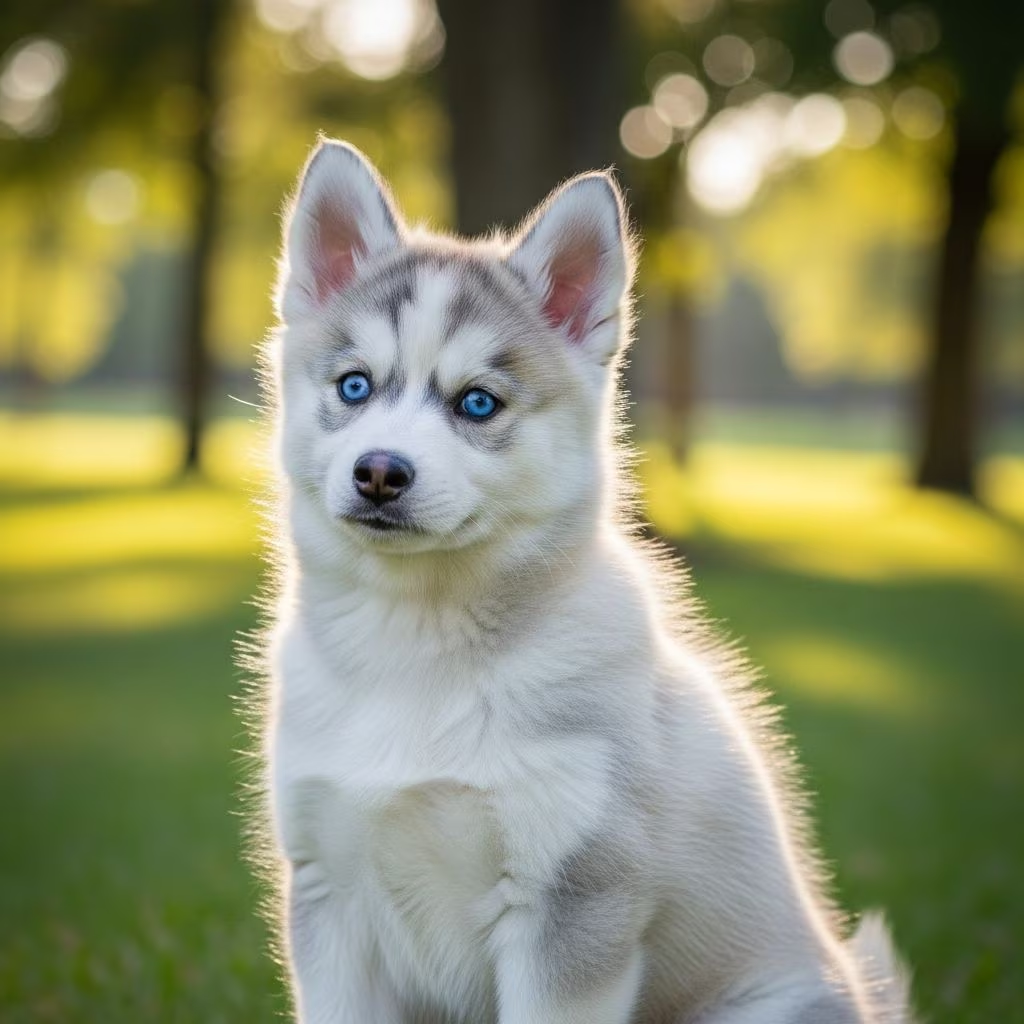
Pomskies typically display a wedge-shaped head with an expressive, fox-like or wolf-like appearance. Their alert, perked ears may resemble the Pomeranian’s style or be slightly larger and Husky-like, contributing to their eager and enthusiastic expression. One of their most striking features is their eyes, which can display a remarkable range of colors including brown, blue, amber, or green, and may even exhibit heterochromia—two different colored eyes—a trait inherited from their Husky ancestry.
Coat and Tail
Pomskies feature a thick double coat that sheds moderately to heavily, coming in various colors characteristic of both parent breeds including white, grey and white, black and white, blue and white, red and white, tan, and brown. Their tail is notably distinctive, typically curled and sitting high over their back with abundant fur, giving them a fluffy and animated appearance that adds to their overall charm.
Pomsky Personality and Temperament
The personality of a Pomsky is where this breed truly shines, creating a captivating and entertaining companion that many owners describe as having an outsized presence.
Energy and Playfulness
Pomskies are exceptionally high-energy dogs that love to play and remain active throughout their lives. They retain puppy-like playfulness well into adulthood, making them perfect for families with children or households with other pets, provided introductions are handled carefully. These dogs benefit tremendously from regular walks, playtime, and opportunities to engage in stimulating activities that challenge both their physical abilities and mental capabilities.
Intelligence and Independence
Highly intelligent dogs inherited from their Husky lineage, Pomskies are quick learners capable of mastering commands and tricks. However, this intelligence comes coupled with an independent, sometimes stubborn streak that can present training challenges. Their curious nature and problem-solving abilities mean they excel at figuring out solutions, but without proper guidance, this can manifest as escape attempts or household mischief. They have strong personalities and willful dispositions, which while entertaining and endearing, can make training more demanding than with some other small breeds.
Affection and Social Nature
Pomskies tend to bond intensely with their families and are often described as “velcro dogs” that follow their owners throughout the house. They are affectionate, loyal, and thrive when they are the center of attention, happiest in homes where they receive plenty of affection and involvement in family activities. These dogs are extremely sociable and confident around humans, loving outdoor adventures and general interaction with their pack.
Vocalization and Communication
With a mix of barks, whines, and sometimes even howls, Pomskies are notably vocal dogs known for “talking” to their families. Both parent breeds are talkative by nature, and this trait is often prominently displayed in Pomskies, who use their voices to communicate their desires, emotions, and need for attention. They are highly alert and expressive, making them excellent at alerting their families to strangers or unusual noises, functioning as surprisingly effective watchdogs despite their small size.
Behavioral Traits and Considerations
Understanding the behavioral patterns of Pomskies is crucial for potential owners to ensure a harmonious household relationship.
Alertness and Protective Nature
Though not typically aggressive, Pomskies demonstrate natural protective instincts inherited from their Husky parent, making them alert and watchful of their environment. They are quick to notice changes and activity around them, and their vocal nature means they’ll notify their families of anything unusual. This combination makes them excellent watchdogs who provide both protection and entertainment.
Behavioral Challenges
Pomskies can be willful and stubborn, particularly when they’ve decided they want to do something specific. Without proper training and positive reinforcement, their mischievous streak combined with their stubbornness can create behavioral difficulties. Boredom can lead to undesirable behaviors, making consistent mental and physical stimulation essential for managing their conduct.
Training Requirements
While Pomskies respond well to positive reinforcement and consistency, they can be more challenging to train than many small breeds, requiring more patience from their owners. Their intelligence means they understand commands quickly, but their independent nature may cause them to question why they should comply. First-time dog owners may find this breed particularly challenging without proper guidance and dedication to consistent training methods.
Pomsky Family Compatibility
Pomskies can make excellent family pets due to their affectionate, playful, and social nature. Their size and temperament generally fit well with families, as they love being around people and tend to bond closely with their owners. However, there are important considerations regarding different household situations.
Suitability for Different Living Situations
Known for being adaptable to various living environments, Pomskies can thrive in apartments as well as larger homes, provided they receive adequate exercise and mental stimulation. However, while they can adapt to smaller spaces, they prefer having access to a larger outdoor area where they can run freely and release their boundless energy. Semi-rural areas with plenty of outdoor space are ideal for this breed, though urban living is possible with committed owners.
Compatibility with Children
As a crossbreed, Pomskies can be somewhat unpredictable in temperament, and while they can make great family dogs, they are recommended for homes with older children or puppies reared from a young age to ensure good relationships with younger children. Huskies are generally friendly around children, which bodes well for this breed, though careful supervision and proper socialization remain essential for safety.
Ideal Owner Profile
Pomskies are best suited to households with experienced dog owners who understand how to handle intelligent, sometimes mischievous breeds. They thrive in homes where someone can dedicate considerable time to their care, such as people who work from home or families capable of providing substantial attention and affection. While these dogs can adapt to various situations, they require owners committed to consistent training, regular exercise, and engaging activities.
Training and Mental Stimulation
The Pomsky’s combined intelligence from both parent breeds makes them extremely receptive to training when approached correctly. Their working dog heritage means they respond well to having tasks and purposes, displaying good problem-solving skills and a willingness to please their owners when properly motivated.
Consistent positive reinforcement works best with this breed, avoiding harsh corrections that may trigger their stubborn streak. Mental stimulation is just as important as physical exercise—puzzle toys, training sessions, and interactive games help prevent the boredom that can lead to destructive behaviors. These dogs excel when they have clear structure, boundaries, and rewards for compliance.
Health Considerations
Responsible Pomsky breeders use DNA testing to avoid passing on health conditions that Pomeranians and Siberian Huskies are predisposed to inheriting. Potential health issues may include hip dysplasia and patellar luxation. Common symptoms to watch for include limping, trouble navigating stairs, reluctance to get up or jump, weight shifting to front legs, and loss of muscle mass in the back legs. Regular veterinary check-ups and maintaining appropriate weight through exercise help support long-term health.
Lifespan and Longevity
Pomskies typically enjoy a lifespan of 12 to 15 years, offering owners many years of companionship with their spirited canine companion. Proper care, including regular exercise, mental stimulation, preventive veterinary care, and a balanced diet, contributes to maximizing their healthy years.
Frequently Asked Questions
Q: Are Pomskies good family dogs?
A: Yes, Pomskies can make excellent family pets due to their affectionate and playful nature. However, they are better suited for families with older children or those who can rear them from puppyhood. They require experienced owners who can provide consistent training and substantial attention.
Q: How much exercise do Pomskies need?
A: Pomskies are high-energy dogs requiring regular walks, playtime, and mental stimulation activities daily. Without adequate exercise and engagement, they may develop behavioral problems from boredom.
Q: Can Pomskies live in apartments?
A: While Pomskies can adapt to apartment living, they prefer access to larger outdoor spaces where they can run freely. With adequate daily exercise and mental stimulation, they can be suitable for smaller homes.
Q: Are Pomskies easy to train?
A: Pomskies are intelligent and receptive to training but can be stubborn and independent. They respond best to consistent, positive reinforcement training methods and may challenge first-time dog owners.
Q: Do Pomskies bark a lot?
A: Yes, Pomskies are vocal dogs who inherit this trait from both parent breeds. They “talk” to their families frequently using barks, whines, and howls, making them effective watchdogs but potentially challenging in noise-sensitive environments.
Q: What colors do Pomskies come in?
A: Pomskies display a variety of coat colors including white, grey and white, black and white, blue and white, red and white, tan, and brown, depending on which parent breed genetics are more dominant.
Q: How large do Pomskies grow?
A: Pomskies typically stand 10 to 15 inches at the shoulder and weigh between 7 to 38 pounds, with most commonly weighing 20 to 30 pounds. Size variation depends on which parent breed’s genetics are more dominant.
Q: Are Pomskies good with other pets?
A: Pomskies can be good with other pets when properly socialized from a young age. Their playful and social nature makes them adaptable to multi-pet households with careful introductions.
Conclusion
The Pomsky represents a fascinating blend of two distinctive breeds, creating a dog with an exceptional personality and unique behavioral characteristics. These intelligent, energetic, and affectionate companions thrive with experienced owners who can provide consistent training, adequate mental and physical stimulation, and abundant attention. While they may present training challenges due to their independent nature, their loyalty, playfulness, and social nature make them rewarding companions for the right household. Understanding their specific needs, behavioral traits, and care requirements ensures a harmonious and fulfilling relationship with these delightful designer dogs.
References
- Pomsky Dog Breed Information & Characteristics — DogTime. 2025-11-28. https://dogtime.com/dog-breeds/pomsky
- Pomsky Dog Breed Information and Characteristics — Potty Buddy. 2025-11-28. https://pottybuddy.co/blogs/potty-buddy-blog/pomsky-dog-breed-information-characteristics
- Pomsky Dog Breed Health and Care — PetMD. 2025-11-28. https://www.petmd.com/dog/breeds/pomsky



