

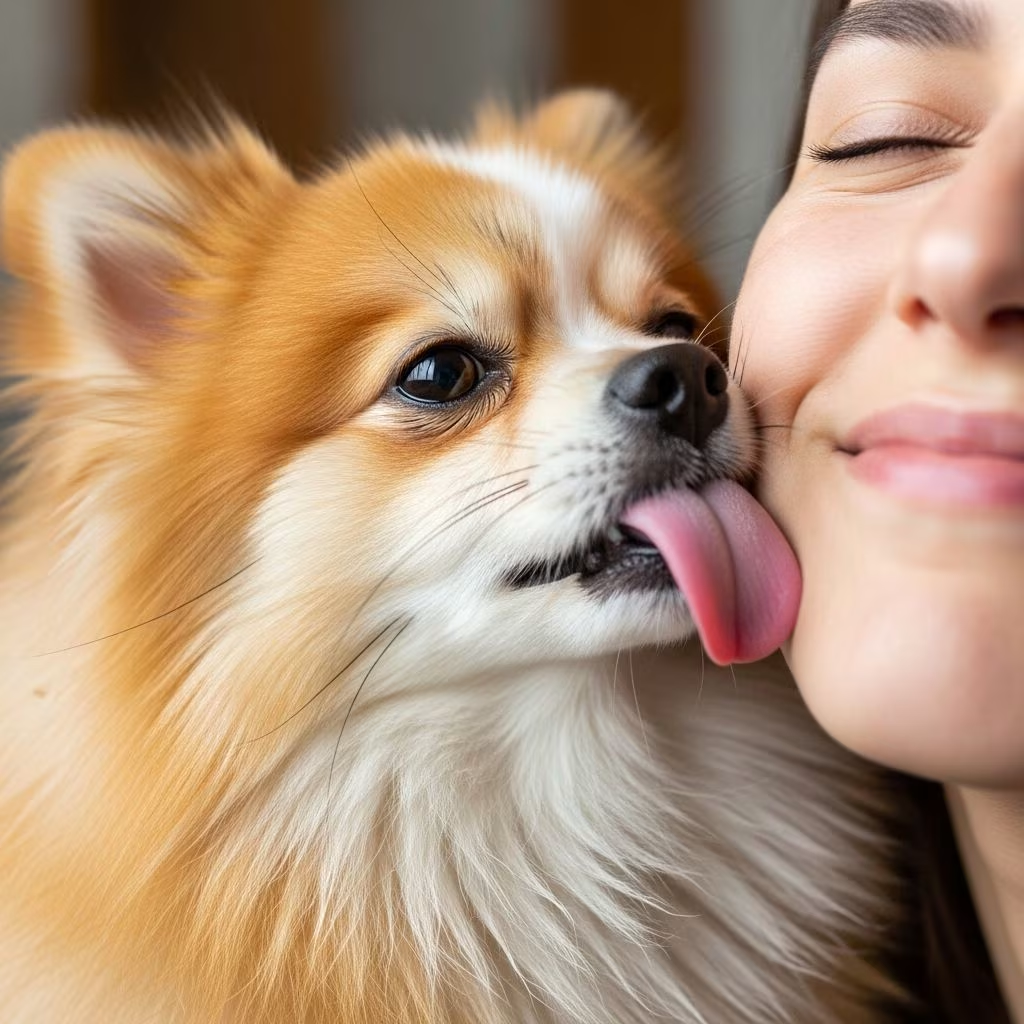
Pomeranians often express themselves through licking, a behavior rooted in instinct, emotion, or physical discomfort. This guide delves into the various motivations behind why your Pomeranian might lick you, their paws, or other surfaces, offering insights into distinguishing normal from problematic patterns.
Normal Licking Behaviors in Pomeranians
Licking serves multiple natural purposes for dogs, particularly small breeds like Pomeranians. It originates from puppyhood when they lick their mother’s face to stimulate regurgitation of food, evolving into a communication tool in adulthood.
- Affection and bonding: Pomeranians lick owners to show love and reinforce pack bonds, viewing humans as family leaders.
- Grooming instinct: They lick to clean themselves or others, maintaining hygiene in hard-to-reach areas.
- Taste appeal: Human skin’s saltiness from sweat attracts their taste buds, especially after activities.
These actions are typically brief and gentle, strengthening the human-canine relationship without causing harm.
When Licking Becomes Excessive
Excessive licking crosses into concern when it leads to physical damage like hair loss, red inflamed skin, sores, or infections. Pomeranians, with their sensitive skin and fluffy coats, are prone to this due to their curious and energetic nature.
| Sign of Excess | Description | Potential Impact |
|---|---|---|
| Hair thinning | Bald patches from constant moisture | Follicle weakening |
| Skin redness | Irritated, warm areas | Infection risk |
| Oozing wounds | Cracks or discharge | Bacterial entry |
| Limping or favoring paws | Chewing focused on joints | Pain referral |
Monitor frequency; if it interferes with eating, playing, or resting, intervention is needed.
Common Causes of Licking Directed at Owners
Pomeranians licking people often signals positive intent but can escalate if reinforced unintentionally.
- Seeking attention: A quick lick prompts interaction; responding reinforces it.
- Submission display: Mimics wild pack deference to alphas, affirming hierarchy.
- Salt craving: Post-exercise sweat or lotions taste appealing.
- Learned habit: If owners smile or pet during licks, dogs repeat for rewards.
While endearing, curb excess by redirecting with toys during calm moments.
Paw Licking: Environmental and Allergy Triggers
Pomeranians frequently target paws due to exposure during walks. Irritants like grass residues, de-icing salts, or household cleaners provoke itching.
Allergies dominate: Environmental (pollen, dust), flea bites, or food sensitivities cause pruritus. Symptoms include red paws, constant chewing, and secondary infections from saliva. Hypothyroidism mimics allergies with itchy feet and ears.
Dry winter air exacerbates skin cracking, prompting licks that worsen moisture imbalance.
Stress and Anxiety-Related Licking
Behavioral factors shine in isolation scenarios. Separation anxiety triggers coping licks releasing endorphins, forming cycles.
- Boredom in understimulated homes leads to repetitive paw focus.
- Life changes like new pets or moves heighten stress.
- Acral lick dermatitis (granuloma) results from chronic licking, creating thickened, ulcerated lesions.
Pomeranians’ intelligence amplifies anxiety; enrich environments with puzzles mitigate this.
Medical Conditions Prompting Licking
Beyond surface issues, internal problems manifest as licking.
- Pain referral: Orthopedic woes like hip dysplasia or back strain cause paw chewing despite no local injury.
- Infections: Yeast between toes, urinary tract issues lead to genital licking.
- Parasites: Fleas, mites irritate, prompting vigorous grooming.
- Endocrine imbalances: Hormonal shifts dry skin, inciting licks.
Comprehensive vet exams, including bloodwork and urinalysis, rule out these.
Diagnosing the Root Cause
Observe patterns: single paw suggests injury; multiple indicates systemic issues. Track timing post-walks or alone time.
- Vet physical exam for parasites, infections.
- Allergy testing via elimination diets or skin panels.
- Behavioral assessment for anxiety signs like pacing.
- Imaging for orthopedic pain if limping present.
Early diagnosis prevents complications like chronic granulomas.
Practical Solutions and Home Remedies
Address based on cause while awaiting vet input.
For allergies: Hypoallergenic diets, paw wipes post-outings, medicated shampoos.
Stress relief: Interactive toys, crate training for alone time, pheromone diffusers.
Deterrents: Bitter sprays (apple cider vinegar mix) on paws 3-4 times daily for weeks. Booties protect from irritants.
Table of remedies:
| Issue | Remedy | Duration |
|---|---|---|
| Paw irritation | Epsom soaks | 10 min daily |
| Anxiety | Calming chews | Ongoing |
| Habitual lick | Bitter agent | 3-4 weeks |
Preventive Strategies for Healthy Habits
Proactive care minimizes licking triggers.
- Regular grooming: Trim nails, clean paws weekly.
- Diet optimization: Omega-3 supplements for skin health.
- Exercise routine: 30-min daily walks reduce boredom.
- Flea prevention: Monthly topicals year-round.
Train ‘leave it’ commands to redirect impulses.
When to Consult a Veterinarian Urgently
Seek immediate care if licking causes open wounds, swelling, pus, lethargy, or appetite loss. Persistent cases warrant dermatologist referral for advanced testing.
Untreated excess risks deep infections, fur loss, or behavioral fixation.
Frequently Asked Questions (FAQs)
Is Pomeranian paw licking always a problem?
No, occasional licking cleans paws, but excess with damage signals issues.
Can diet stop my Pomeranian’s licking?
Yes, food allergies respond to novel protein trials under vet guidance.
How do I stop my Pomeranian licking me constantly?
Ignore licks, reward calm sitting; consistency breaks habits.
Does anxiety cause Pomeranian lick granulomas?
Yes, stress-induced licking forms these via endorphin cycles.
Are booties effective for paw licking?
They block access, allowing healing, paired with cause treatment.
References
- Pomeranian Licking Paws Problems — Pomeranian.org. 2020-01-05. https://pomeranian.org/blog/2020/01/05/chew-andor-lick/
- Pomeranian Licking Issues — PetPom.com. N/A. https://www.petpom.com/pomeranian-licking
- Excessive Licking, Chewing, and Grooming in Dogs — PetMD. N/A. https://www.petmd.com/dog/general-health/excessive-licking-chewing-and-grooming-dogs
- Lick Granuloma in Dogs: Causes, Signs, Solutions — ToeGrips.com. N/A. https://toegrips.com/lick-granuloma-dog/



