

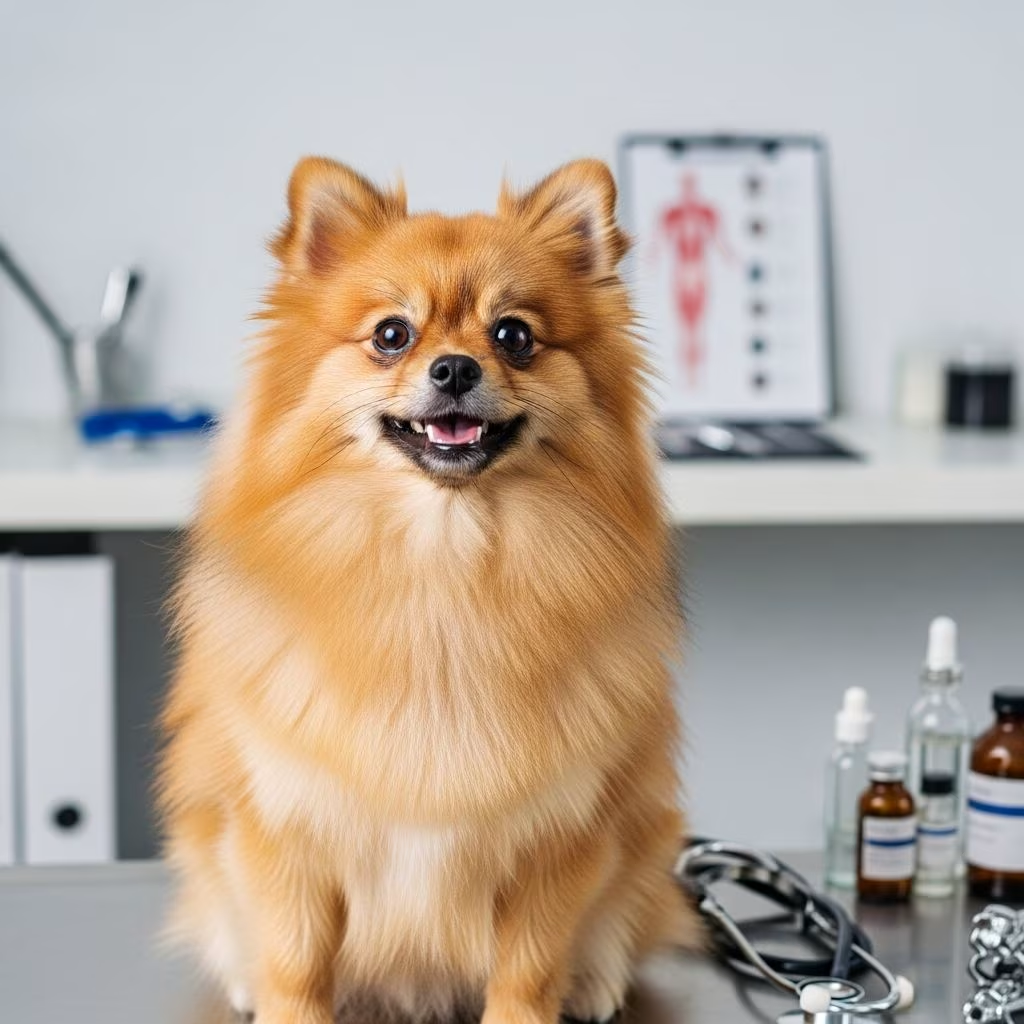
Pomeranians, with their fluffy coats and lively personalities, face several breed-specific health vulnerabilities due to their small size and genetics. Understanding these risks enables owners to provide targeted care, potentially extending lifespan and improving quality of life. This guide details prevalent conditions, drawing from veterinary insights on symptoms, diagnostics, management, and prevention.
Respiratory Challenges in Pomeranians
Small breeds like Pomeranians often struggle with airway issues stemming from weakened tracheal structures. The most notable is tracheal collapse, where cartilage rings flatten, narrowing the windpipe and impeding airflow.
Symptoms typically emerge during excitement, exercise, or collar pressure, manifesting as a distinctive honking cough resembling a goose call or retching. Affected dogs may wheeze, gasp, or exhibit exercise intolerance. Diagnosis involves X-rays, fluoroscopy, or endoscopy to assess airway narrowing severity.
- Mild cases: Managed with cough suppressants, anti-inflammatories, bronchodilators, and weight control.
- Severe cases: Require stents, rings, or surgical muscle division like sternohyoideus separation.
Prevention emphasizes harnesses over collars to avoid neck strain, alongside maintaining ideal weight to reduce respiratory burden. Reverse sneezing, another breathing quirk, involves sudden inhalation spasms but is benign, differing from collapse by lacking cough.
Orthopedic Concerns: Patellar Luxation Explained
Patellar luxation, a slipping kneecap, affects up to 20-30% of small dogs, with Pomeranians highly predisposed due to shallow knee grooves and ligament laxity. The patella dislocates medially or laterally, causing intermittent pain.
Owners observe skipping steps, kicking out the leg to reposition the kneecap, or chronic lameness in advanced grades (I-IV). Radiographs confirm the condition, grading severity from transient slips to permanent dislocation.
| Grade | Description | Treatment |
|---|---|---|
| I | Occasional slip, self-corrects | Conservative: weight management, physio |
| II | Frequent slips, manual reduction needed | Medications, controlled exercise |
| III-IV | Permanent dislocation, bowing legs | Surgery: trochlear deepening, ligament repair |
Genetic screening in breeding stock minimizes incidence. Post-surgical recovery involves crate rest and rehab to restore mobility.
Endocrine Disorders: Thyroid and Adrenal Imbalances
Hypothyroidism Prevalence and Management
Hypothyroidism, underactive thyroid, disrupts metabolism in Pomeranians, leading to weight gain despite normal intake, dry flaky skin, coat thinning or loss (especially flanks and tail), lethargy, cold intolerance, and recurrent infections. Blood tests reveal low T4/TSH levels; OFA thyroid certification is recommended for breeders.
Treatment is lifelong levothyroxine supplementation, with monitoring to avoid overdosage. Diet rich in omega-3s supports skin health.
Cushing’s Disease: Hyperadrenocorticism Signs
Cushing’s, excess cortisol production, causes pot-bellied appearance, insatiable hunger/thirst/urination, panting, hair loss, thin fragile skin prone to bruising/infections, muscle wasting, and buffalo hump fat pads. Dexamethasone suppression or ACTH stimulation tests diagnose it.
Options include trilostane medication, adrenal surgery, or radiation for pituitary tumors. Prognosis improves with early intervention.
Ocular and Dental Vulnerabilities
Eye Conditions to Monitor
Pomeranians risk cataracts (lens clouding causing vision loss), distichiasis (extra eyelashes rubbing cornea), dry eye (keratoconjunctivitis sicca from poor tearing), and retinal issues. Symptoms: squinting, tearing, cloudiness, redness, or behavioral blindness cues.
CERF exams screen breeding dogs. Cataract surgery restores sight; lubricants treat dry eye.
Dental Disease: A Silent Threat
Crowded tiny jaws promote plaque/tartar buildup, gingivitis, periodontal loss, and retained deciduous teeth. Bad breath, drooling, gum bleeding, or loose teeth signal problems.
Daily brushing with enzymatic toothpaste, dental chews, and annual cleanings under anesthesia prevent escalation. Extractions resolve retained teeth.
Metabolic and Neurological Risks
Hypoglycemia in Pups: Toy breed puppies crash blood sugar from infrequent meals or stress, showing weakness, tremors, seizures, coma. Feed small frequent meals with corn syrup for emergencies; transition to puppy food by 12 weeks.
Heart Murmurs and Seizures: Mitral valve disease causes murmurs; monitor via annual auscultation. Idiopathic seizures warrant neurology consults.
Alopecia X (Black Skin Disease): Non-itchy symmetrical hair loss, hyperpigmentation, often post-growth. Melatonin or growth hormone trials help.
Proactive Wellness Strategies
Annual vet exams include bloodwork, dental checks, orthopedic evals, and heart screens. Maintain lean weight via portioned kibble (300-400 kcal/day adult), avoiding table scraps. Exercise: 30-min daily walks prevent obesity-linked issues.
- Breed from health-tested parents (OFA patella/thyroid, CERF eyes).
- Vaccinate core series, prevent heartworm/fleas.
- Spay/neuter post-maturity to dodge orthopedic risks.
Frequently Asked Questions
How do I prevent tracheal collapse in my Pomeranian?
Use a harness, keep weight optimal, avoid irritants like smoke, and seek early vet care for coughs.
Is patellar luxation surgery always needed?
No, grades I-II respond to conservative care; III-IV often require it.
Can diet fix hypothyroidism?
No, medication is essential, but balanced nutrition aids symptom control.
Why does my Pom puppy shake?
Likely hypoglycemia; feed 4-6 small meals daily.
How often should I brush my Pomeranian’s teeth?
Daily for best prevention, minimum 3x/week.
Long-Term Care for Optimal Longevity
Pomeranians live 12-16 years with vigilant care. Track changes like appetite shifts, mobility dips, or coat alterations via monthly weigh-ins and photos. Holistic supports like glucosamine for joints, fish oil for coat, and puzzle toys for mental health enhance well-being. Responsible ownership—health-testing breeders, routine checkups—mitigates genetic woes, letting these spirited fluffballs enjoy full, vibrant lives.
References
- Common Pomeranian Health Issues Explained in Detail — Pomeranian.org. 2022-11-28. https://pomeranian.org/blog/2022/11/28/pomeranian-dog-health-issues-explained/
- Understanding Pomeranian Health Problems – A Comprehensive Guide — Houndsy. N/A. https://www.houndsy.com/blogs/modern-tails/understanding-pomeranian-health-problems-a-comprehensive-guide
- Pomeranian Health Issues Explained In Detail — Jungle Aquatics. N/A. https://jungleaquatics.com/blogs/news/pomeranian-health-issues-explained-in-detail
- Caring for your Pomeranian — Winter Park Veterinary Hospital. N/A. https://wpvet.com/pdfs/dogbreedinfo/winterparkveterinaryhospitalpomeranian.pdf
- Pomeranian Health Issues — American Kennel Club. N/A. https://cdn.akc.org/Marketplace/Health-Statement/Pomeranian.pdf



