

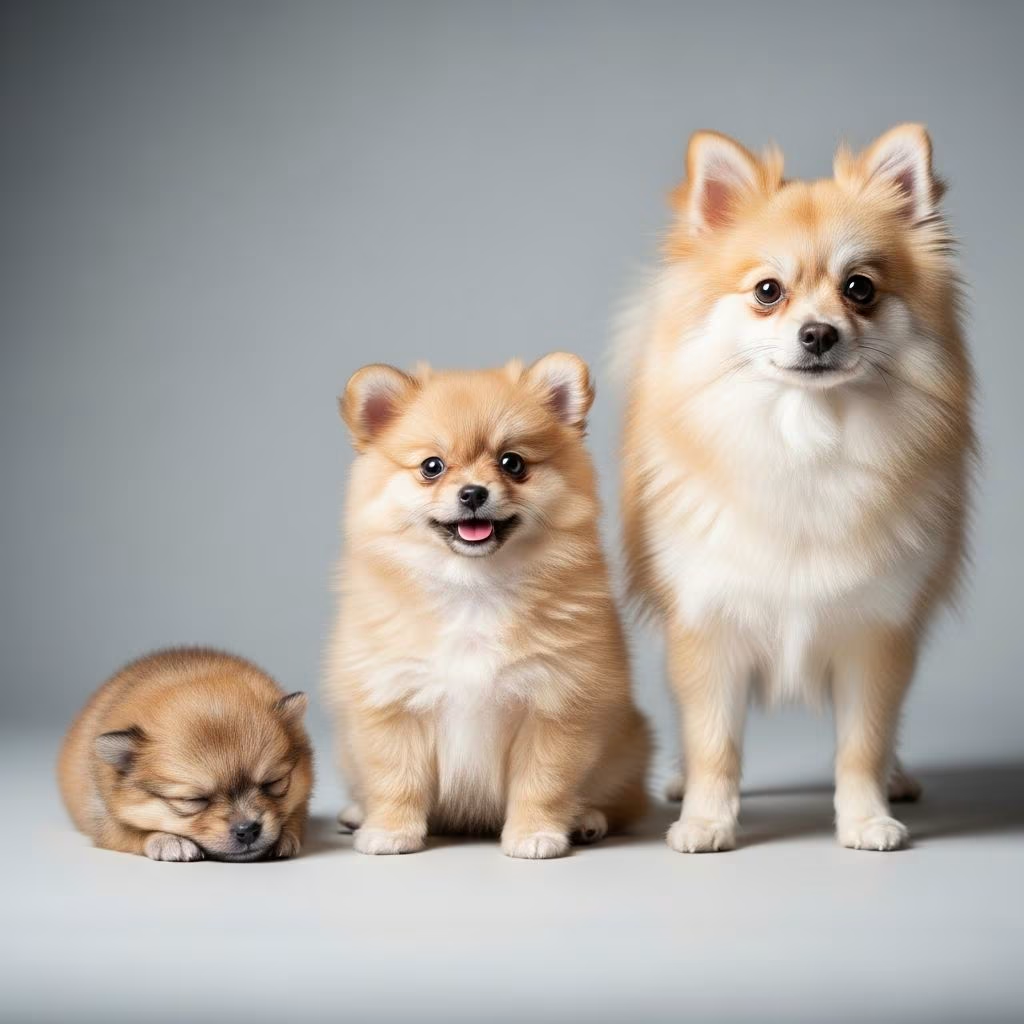
Pomeranians, with their vibrant personalities and luxurious coats, typically reach full maturity between 9 and 12 months, settling into a compact size of 3 to 7 pounds and 8 to 11 inches in height at the shoulder. Monitoring growth ensures they develop healthily, avoiding issues like obesity or stunted growth.
Understanding Pomeranian Physical Development Stages
Pomeranian puppies grow rapidly in their first year, transitioning from tiny fluffballs to sturdy adults. This phase demands close observation of height, weight, and body condition to spot deviations early. Key stages include neonatal, puppyhood, adolescence, and adulthood, each with distinct milestones.
- Neonatal (Birth to 2 Weeks): Newborns weigh 2 to 5 ounces and measure about 3-4 inches long. They double birth weight within a week, relying on mother’s milk for rapid gains.
- Early Puppyhood (3-8 Weeks): Eyes open around 10-14 days; weight climbs to 1-2 pounds by weaning. Socialization begins here.
- Weaning to Junior (2-6 Months): Explosive growth peaks, with daily weight gains of 0.5-1 ounce. Height reaches 6-8 inches.
- Adolescence (6-12 Months): Slows to adult proportions; females may gain slower post-spay.
- Adulthood (1 Year+): Stable size maintained through diet and activity.
These stages highlight the need for tailored nutrition and vet checkups to support skeletal and muscular development.
Detailed Pomeranian Weight Chart by Age
Use this chart to benchmark your Pomeranian’s progress. Weights are averages; consult a vet for personalized assessments, as genetics play a role.
| Age | Expected Weight Range (lbs) | Average Weight (lbs) | Notes |
|---|---|---|---|
| Newborn | 0.2 – 0.4 | 0.3 | Rapid initial gains |
| 1 Month | 1 – 2 | 1.5 | Weaning phase |
| 2 Months | 2 – 3.5 | 2.5 | Vaccination time |
| 3 Months | 3 – 4.5 | 3.5 | High energy needs |
| 4 Months | 3.5 – 5 | 4.2 | Monitor for hypoglycemia |
| 5 Months | 4 – 5.5 | 4.7 | Slows slightly |
| 6 Months | 4.5 – 6 | 5.2 | Half adult size |
| 9 Months | 5 – 6.5 | 5.7 | Nearing maturity |
| 12 Months | 3 – 7 | 5 | Adult weight |
| Adult (1-8 Years) | 3 – 7 | 4-6 | Maintain steady |
Males often weigh slightly more than females. Over 7 pounds signals overweight risk; under 3 pounds may indicate underfeeding or health concerns.
Height and Size Expectations for Pomeranians
Adult Pomeranians stand 8-11 inches tall at the shoulder, with a body length roughly 1.5 times their height due to fluffy fur. Puppies grow 1-2 inches per month initially.
- Birth to 1 Month: 3-5 inches
- 3 Months: 6-7 inches
- 6 Months: 7-9 inches
- Adult: 8-11 inches
Measure from floor to withers (shoulder top). Toy breed standards prioritize proportion over exact size; disproportionate growth warrants vet review.
Factors Influencing Pomeranian Growth Patterns
Several elements determine if your Pomeranian hits ideal metrics. Nutrition tops the list: high-quality puppy food with balanced protein (25-30%) and fats supports bone density without excess calories.
Genetics from sire and dam set baselines—research pedigrees for health-tested lines. Neutering before 6 months can slightly reduce final size in females. Exercise prevents joint issues like patellar luxation, common in the breed.
Environmental stressors, such as poor housing or frequent moves, can stunt growth. Consistent routines foster optimal development.
Nutrition Strategies for Healthy Pomeranian Growth
Puppies need frequent meals (4-6 daily up to 4 months) to combat hypoglycemia, a risk in small breeds causing weakness or seizures. Transition to adult food at 10-12 months.
- Choose AAFCO-approved kibble for small breeds.
- Portion control: 1/2 to 1 cup daily for adults, split into meals.
- Incorporate omega-3s for coat and joint health.
- Avoid table scraps to prevent obesity.
Seniors (8+ years) benefit from lower-calorie formulas to maintain weight.
Exercise Requirements Across Life Stages
Daily activity keeps Pomeranians lean and mentally sharp. Puppies: short 10-15 minute walks plus play. Adults: 30-45 minutes of brisk walks or fetch. Seniors: gentle strolls to ease arthritis.
Indoor games suit apartments; agility training builds muscle without overstrain. Watch for tracheal collapse signs like honking coughs during exertion.
Recognizing Normal vs. Abnormal Growth Signs
Healthy growth shows a steady curve on charts, shiny coat, bright eyes, and firm muscle tone. Red flags include:
- Sudden weight loss/gain
- Limping or reluctance to jump
- Lethargy, diarrhea, or vomiting
- Pot-bellied appearance (parasites)
- Excessive scratching (allergies)
Annual vet exams from age 1, bi-annual for seniors, catch issues like hypothyroidism or heart murmurs early.
Veterinary Wellness Schedule for Growth Monitoring
Follow this timeline adapted from veterinary guidelines.
| Age Group | Key Checks |
|---|---|
| Puppy (6 weeks-1 year) | Physical exam, vaccines, parasite screens, growth eval, dental check |
| Adult (1-8 years) | Annual bloodwork, heartworm test, dental cleaning, joint assessment |
| Senior (9+ years) | Bi-annual: thyroid, cancer screen, organ function, arthritis eval |
Grooming’s Role in Health and Appearance
Double coats require weekly brushing to prevent mats, aiding skin inspections for lumps. Bath monthly with gentle shampoos. Nail trims bi-weekly; ear cleaning weekly reduces infections.
Dental care combats overcrowding: daily brushing, chews, and annual cleanings.
Common Health Concerns Impacting Size and Vitality
Pomeranians face breed-specific risks:
- Patellar Luxation: Kneecap slippage; manage with weight control.
- Dental Disease: 80% affected; proactive hygiene key.
- Tracheal Collapse: Harness over collars.
- Hypothyroidism: Blood tests from age 3.
- Heart Issues: Monitor coughs in seniors.
FAQs
When do Pomeranians stop growing?
Pomeranians typically reach 90% of adult size by 6-9 months, fully maturing at 12 months.
Ideal adult weight for a Pomeranian?
3-7 pounds; aim for 4-6 pounds based on frame.
How to tell if my Pomeranian puppy is overweight?
Ribs should be felt with slight fat cover; visible waist from above.
Does spaying affect size?
May slightly reduce final weight if done early.
Best food for growing Pomeranians?
Small-breed puppy formula with high protein, transitioned timely.
Long-Term Care for a Thriving Pomeranian
Beyond growth, lifelong habits like puzzle toys for mental stimulation and orthopedic beds for joints ensure vitality into teens. Pet insurance offsets costs of breed predispositions.
Tracking growth fosters a deep bond, catching needs proactively for 12-16 happy years.
References
- Caring for your Pomeranian — Winter Park Veterinary Hospital. Accessed 2026. https://wpvet.com/pdfs/dogbreedinfo/winterparkveterinaryhospitalpomeranian.pdf
- Health & Care for Pomeranian Owners: Essential Tips — Pet City Houston. 2025-03-19. https://petcityhouston.com/2025/03/19/health-care-for-pomeranian-owners-essential-tips-for-your-fluffy-friend/
- A Pomeranian’s Perfect Day: Quick Care and Informational Guide — A Pup Above. Accessed 2026. https://apupabove.com/blogs/all/pomeranian
- Pomeranian Dog Breed Health and Care — PetMD. Accessed 2026. https://www.petmd.com/dog/breeds/pomeranian
- Pomeranian Owner’s Guide — Greencross Vets. Accessed 2026. https://www.greencrossvets.com.au/pet-library/dogs/breed-guides/pomeranian-owners-guide/



