

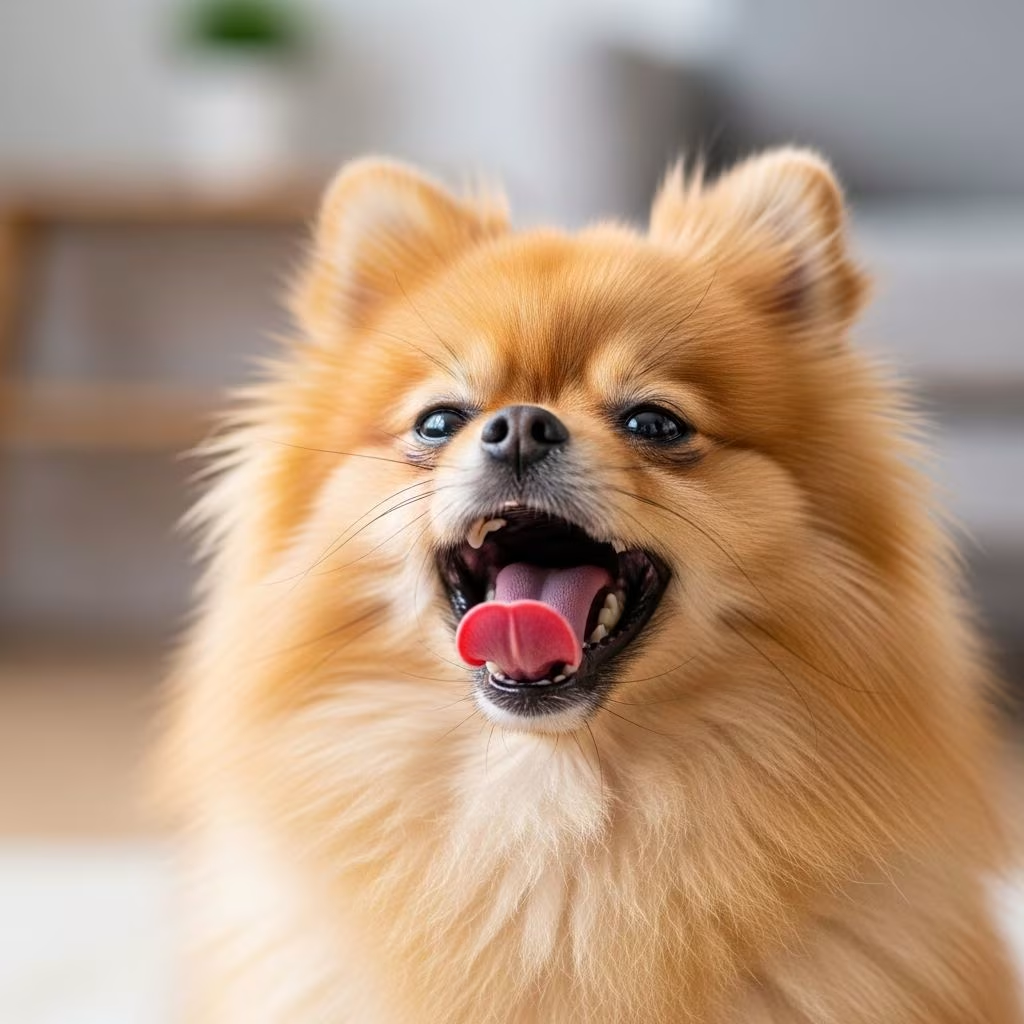
Pomeranians, with their fluffy coats and lively personalities, often pant as a natural way to regulate body temperature or express emotions. However, frequent or intense panting can signal underlying problems specific to this toy breed. Understanding the distinction between normal and abnormal panting helps owners ensure their pet’s health.
Understanding Normal Panting in Pomeranians
Panting serves as a dog’s primary cooling mechanism since they lack sweat glands like humans. For Pomeranians, whose dense double coat originated from cold climates, rapid breathing evaporates moisture from the tongue and respiratory tract, lowering core temperature. This is especially evident after play or in warm environments.
Typical scenarios include post-exercise recovery or joyful greetings. A healthy Pomeranian’s resting respiratory rate is 10-30 breaths per minute, increasing during activity without distress. Monitoring patterns establishes a baseline for detecting deviations.
Environmental Triggers for Heavy Panting
Heat and Overheating Risks
High temperatures pose significant dangers to brachycephalic-like traits in small breeds, though Pomeranians aren’t flat-faced. Their thick fur traps heat, leading to rapid panting during summer walks or confined spaces. Owners report Poms panting heavily after short outings in mild warmth due to poor heat dissipation.
- Avoid midday exercise; opt for dawn or dusk walks.
- Provide constant fresh water and shaded areas.
- Never leave in vehicles, even briefly, as interior temps soar quickly.
Preventive grooming, like summer trims (not full shaves to protect skin), aids cooling while preserving coat function.
Humidity and Poor Ventilation
Combined heat and humidity overwhelm a Pom’s cooling ability. Indoor air conditioning or fans mimic natural breezes, reducing panting episodes. Track home humidity; levels above 60% exacerbate issues.
Behavioral and Emotional Factors
Excitement and Joy
Pomeranians are energetic, often panting during enthusiastic play or reunions. This short-lived response accompanies wagging tails and playful bounces, resolving quickly upon calming. Training calm greetings prevents overstimulation.
Anxiety and Stress Responses
Adrenaline surges from stressors elevate heart rates, prompting panting. Common triggers: loud noises, separations, or new environments. Poms may whine or pace alongside, indicating emotional distress.
- Use pheromone diffusers or calming toys.
- Desensitization training builds resilience.
- Consistent routines minimize surprises.
Physical Discomfort Indicators
Pain Signals
Injuries or chronic aches manifest as unexplained panting, especially at rest. Arthritis in older Poms or post-surgery recovery heightens this. Accompanying limps or guarded postures warrant attention.
Fear Reactions
Storms, fireworks, or unfamiliar scents spike cortisol, causing labored breathing. Unlike excitement, fear-panting persists until the threat subsides. Safe spaces with familiar bedding soothe them.
Medical Conditions Behind Persistent Panting
Beyond benign causes, panting flags serious issues. Pomeranians’ small size amplifies vulnerabilities like respiratory constraints or metabolic disorders.
| Condition | Symptoms | Common in Poms? |
|---|---|---|
| Cushing’s Disease | Excessive thirst, pot belly, hair loss, panting | Yes, especially seniors |
| Heart Disease | Coughing, lethargy, blue gums | Frequent in toy breeds |
| Respiratory Issues (e.g., Tracheal Collapse) | Honking cough, exercise intolerance | High risk due to anatomy |
| Anemia | Weakness, pale gums, restlessness | Possible from various causes |
| Obesity | Reduced stamina, labored breath | Common with overfeeding |
Cushing’s, or hyperadrenocorticism, floods the system with cortisol, mimicking stress responses. Vets diagnose via blood tests like ACTH stimulation. Heart conditions impair oxygen delivery, forcing compensatory panting. Tracheal collapse, prevalent in small dogs, narrows airways during excitement.
Fever and Infections
Illnesses raise body temperature, prompting cooling attempts. Bacterial pneumonia or viral infections present with fever-panting, often plus nasal discharge.
Recognizing Emergency Signs
Not all panting requires alarm, but these demand immediate vet intervention:
- Sudden onset with collapse or disorientation.
- Resting panting lasting over 30 minutes.
- Gum color shifts: bright red, purple, or blue.
- Accompanied by vomiting, diarrhea, or seizures.
- Lethargy, foaming mouth, or unproductive retching.
Heatstroke escalates rapidly; cool with wet towels and fan air en route to clinic.
Prevention Strategies for Pomeranian Owners
Daily Monitoring Routines
Track panting frequency, duration, and triggers in a journal. Normal post-walk panting fades in 10-15 minutes; longer suggests issues. Weigh weekly to combat obesity.
Diet and Exercise Balance
Portion-controlled, breed-specific kibble prevents weight gain. Short, frequent walks (15-20 mins) suit their stamina without exhaustion. Swimming offers low-impact cardio.
Regular Vet Checkups
Annual exams include heart listens and bloodwork for early detection. Seniors need biannuals. Vaccinations curb infections.
Home Remedies and Supportive Care
For mild cases:
- Cooling mats or vests for hot days.
- Herbal calming supplements (vet-approved).
- Massage for pain relief.
Avoid human meds; consult professionals first.
FAQs on Pomeranian Panting
Is heavy panting after walks normal for Pomeranians?
Yes, briefly, due to high energy and coat insulation, but monitor for persistence.
Why does my Pomeranian pant at night?
Possible pain, anxiety, or conditions like Cushing’s; rule out overheating.
How to cool a panting Pomeranian quickly?
Offer ice chips, wet paws/tongue, and move to AC; avoid ice baths.
Does breed size affect panting frequency?
Small dogs pant more readily from excitement or exertion owing to faster metabolisms.
When is panting a sign of heart problems?
If with coughing, fatigue, or gum changes, seek urgent care.
Long-Term Management for Chronic Panting
For diagnosed issues, treatments vary: medications for Cushing’s suppress cortisol; surgery or stents for tracheal problems. Lifestyle tweaks like weight loss dramatically improve symptoms. Owners report reduced panting post-diagnosis with tailored plans.
Building a panting-aware routine fosters a happier, healthier Pomeranian. Stay vigilant, as early action prevents crises.
References
- Why Is My Pomeranian Panting So Much? 6 Likely Reasons — Dogster. 2023. https://www.dogster.com/dog-health-care/why-is-my-pomeranian-panting-so-much
- Pomeranian Panting – Diagnose Excessive Heavy Pant — PetPom. 2023. https://www.petpom.com/pomeranian-panting
- Why is my Pomeranian suddenly panting heavily after we walked — Dial A Vet. 2023. https://www.dialavet.com/vet-answers/pomeranian-panting-heavily-after-walk-155061
- Why is my dog panting and restless at night? — Germantown Animal Hospital. 2022-05-15. https://www.germantownah.com/site/blog-memphis-vet/2022/05/15/dog-panting-night
- Why Is My Dog Panting and Restless? 7 Causes — ToeGrips. 2023. https://toegrips.com/why-is-my-dog-panting-and-restless/



