

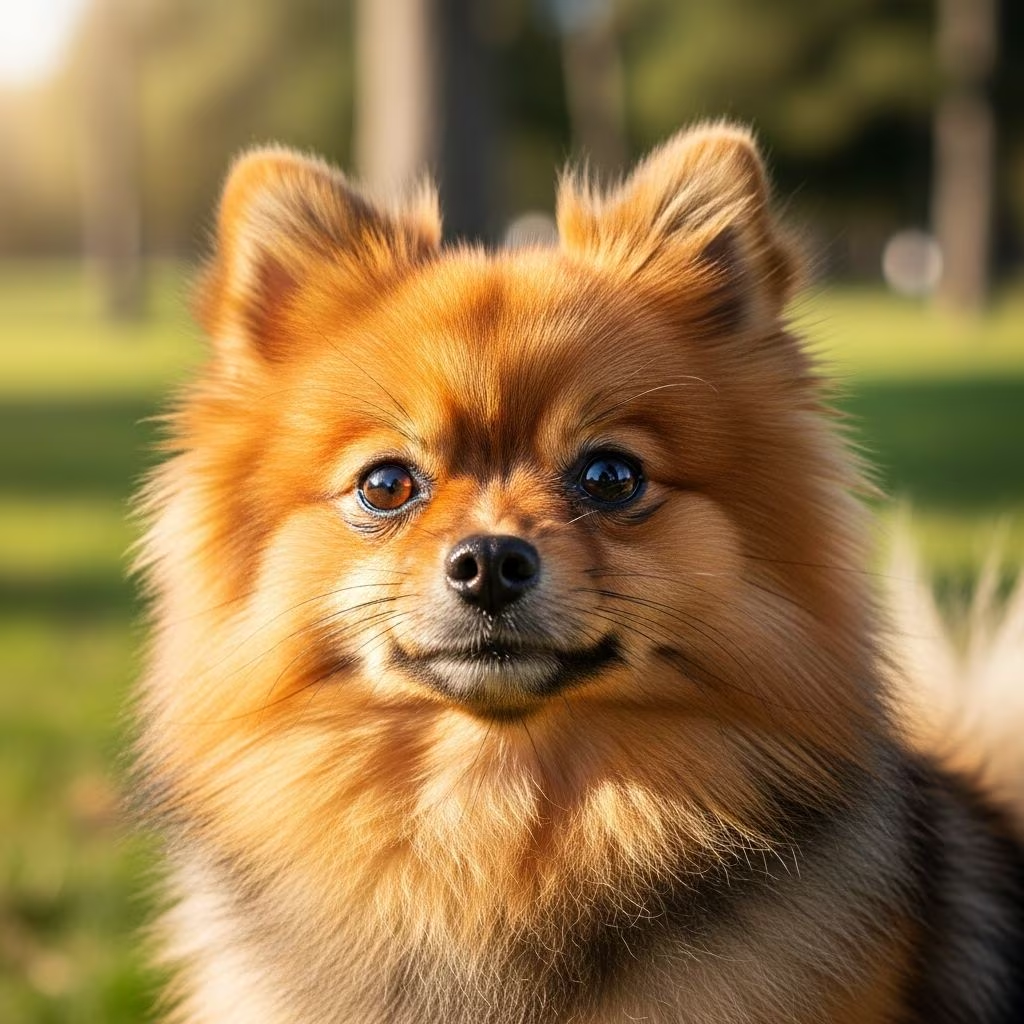
Pomeranians captivate dog lovers with their fox-like faces, plush double coats, and boundless energy packed into a tiny frame. These toy breeds, standing 7 to 12 inches tall and weighing 3 to 7 pounds, originated from larger Nordic ancestors but evolved into spirited companions ideal for apartments or homes with active families.
Origins and Evolution of the Breed
The Pomeranian traces its roots to the Spitz family of dogs from Arctic regions, particularly Pomerania, a historical area spanning parts of modern-day Poland and Germany. Initially bred as sturdy sled dogs weighing up to 30 pounds, selective breeding in the 18th century reduced their size dramatically, transforming them into the diminutive lap dogs we know today.
Queen Victoria of England played a pivotal role in popularizing the breed during the 19th century. Her fondness for a particularly small Pomeranian sparked a trend among European royalty, leading to the breed’s recognition by kennel clubs worldwide. By the early 20th century, Pomeranians had secured their status as a top toy breed, celebrated for their vivacity and alertness.
Physical Appearance and Coat Varieties
Pomeranians boast a distinctive silhouette: a square-proportioned body, alert prick ears, and a tail that curls jauntily over the back. Their double coat features a dense undercoat and a longer, straight outer coat, forming a luxurious ruff around the neck and chest.
Coat colors are diverse, including solids and mixes of black, white, cream, orange, red, chocolate, blue merle, and beaver. Orange and red shades are most common, giving many Poms their signature fiery look. Despite the fluff, they mature quickly, reaching adult size between 7 and 10 months.
| Physical Trait | Details |
|---|---|
| Height | 7-12 inches |
| Weight | 3-7 pounds |
| Coat Type | Long, double-layered |
| Common Colors | Orange, red, black, cream |
| Lifespan | 12-16 years |
Distinctive Temperament Traits
Don’t let their size fool you—Pomeranians exhibit the confidence of much larger dogs. They are inquisitive, bold, lively, and intelligent, often displaying a ‘big dog’ attitude with cocky animations and a perpetual smile on their foxy faces. Playful and energetic, these extroverts thrive on attention, making them entertaining family pets.
Key personality highlights include unwavering loyalty, high-spirited tenacity, and curiosity that keeps them ever-watchful. They form deep bonds, often favoring one primary person, and love showcasing tricks or participating in games. However, their independence can lead to stubbornness if not channeled properly.
- Playful and Energetic: Ideal for indoor fun and short bursts of activity.
- Loyal and Loving: Unconditional devotion to family members.
- Alert and Vocal: Excellent watchdogs with a loud, persistent bark.
- Intelligent: Quick learners for obedience, agility, and therapy work.
- Outgoing: Social butterflies who enjoy being the center of attention.
Behavior Patterns and Daily Life
Pomeranians adapt well to various living situations, from bustling cities to quiet suburbs, thanks to their low space requirements. Daily short walks and indoor play suffice for exercise, though their Nordic heritage fuels a love for activity. They excel in dog sports like rally obedience and agility, leveraging their smarts and agility.
These dogs are escape artists, capable of squeezing through tiny gaps or scaling fences, so secure enclosures are essential. Their high prey drive may spark chasing instincts toward small animals, requiring supervised outdoor time. Pomeranians are acutely aware of surroundings, often peering out windows or barking at new stimuli, which underscores their watchdog prowess.
While affectionate, they aren’t always lap-exclusive; they balance independence with a need for engagement. Mental stimulation through toys, puzzles, and training prevents boredom-induced mischief.
Care Essentials for Optimal Health
Grooming is a cornerstone of Pomeranian care due to their profuse shedding, especially during seasonal blows. Brush 2-3 times weekly with a slicker brush to manage the undercoat and prevent mats; baths every 4-6 weeks keep the coat gleaming.
Exercise needs are modest: 20-30 minutes daily of walks, fetch, or play sessions maintains fitness without overexertion. Mental exercises like training sessions or scent games are equally vital to satisfy their sharp minds.
Diet should consist of high-quality, small-breed formulas portioned to prevent obesity, as their small frames hide hearty appetites. Fresh water is always available, and treats should be limited.
Training Strategies for Success
Pomeranians’ intelligence makes them responsive to positive reinforcement training, but their willful nature demands consistency. Start early with short, fun sessions focusing on basic commands, socialization, and leash manners to curb ‘small dog syndrome’—a behavioral issue from overindulgence leading to yappiness or entitlement.
Socialize puppies extensively to mitigate wariness of strangers. Bark training is crucial; reward quiet behavior and ignore nuisances to refine their alert nature into effective warning without excess. They shine in advanced obedience and tricks, turning training into bonding time.
Health Considerations and Wellness Tips
With a lifespan of 12-16 years, Pomeranians are generally hardy but prone to issues like patellar luxation, tracheal collapse, dental disease, and heart conditions. Regular vet check-ups, dental chews, and weight management are preventive measures.
Genetic testing for breeders ensures healthier lines, reducing risks of eye problems or hypothyroidism. Spay/neuter decisions should weigh breed-specific health data. Monitor for signs of distress in heat due to their coat, and provide cooling aids in summer.
Suitability for Families and Lifestyles
Pomeranians suit adults, seniors, or families with older, gentle children who respect their fragility. Their bold spirit may lead to snaps if roughly handled, so supervision is key. They coexist well with other pets if introduced properly, though their prey drive warrants caution around small animals.
Apartments are ideal due to low exercise demands, but they dislike solitude—separation anxiety can arise without gradual alone-time training. Singles or couples seeking lively companions find perfect matches in these vocal, protective fluffballs.
| Lifestyle Fit | Pros | Cons |
|---|---|---|
| Apartment Living | Low space needs, adaptable | May bark at noises |
| Families with Kids | Affectionate with respect | Fragile; not for toddlers |
| Active Owners | Enjoys play and sports | Moderate energy only |
| Seniors | Companionable, low-maintenance walks | Grooming required |
Frequently Asked Questions (FAQs)
Are Pomeranians good apartment dogs?
Yes, their small size and moderate exercise needs make them excellent for apartments, though training minimizes barking.
Do Pomeranians bark a lot?
They are vocal watchdogs but respond well to training to bark only when necessary.
How often should I groom a Pomeranian?
Brush 2-3 times weekly; bathe monthly to manage shedding.
Are Pomeranians hypoallergenic?
No, their double coat sheds heavily despite appearances.
Can Pomeranians live long lives?
Average 12-16 years with proper care.
Choosing Your Pomeranian Companion
Selecting a Pomeranian involves researching reputable breeders or rescues emphasizing health testing. Puppies should be vibrant, well-socialized, and from lines free of extremes. Adult adoptions offer insight into temperament, often matching owners perfectly. These pint-sized powerhouses reward dedicated owners with years of joy, loyalty, and entertainment.
References
- Pomeranian Dog Breed Information — Purina US. Accessed 2026. https://www.purina.com/dogs/dog-breeds/pomeranian
- Typical Pomeranian Personality Traits Explained — Pomeranian.org. 2022-05-01. https://pomeranian.org/blog/2022/05/01/pomeranian-temperament/
- Pomeranian | Temperament, Lifespan & History — Pooch and Mutt. Accessed 2026. https://www.poochandmutt.co.uk/blogs/by-breed/pomeranian
- Pomeranian Dog Breed — Hill’s Pet Nutrition. Accessed 2026. https://www.hillspet.com/dog-care/dog-breeds/pomeranian
- Pomeranian Dog Breed Information — American Kennel Club. Accessed 2026. https://www.akc.org/dog-breeds/pomeranian/



