

Pomeranian Dogs: A Complete Breed Guide
Pomeranians have large personalities tucked into their tiny bodies. These sassy, spunky companions carry the confidence of much larger dogs despite weighing only three to seven pounds. Originally bred as working dogs in the snowy regions of northern Germany, Pomeranians have evolved into beloved companion animals for families, singles, and older adults alike. Understanding the unique characteristics, care requirements, and training needs of this distinctive breed is essential for anyone considering adding a Pomeranian to their home.
Physical Characteristics and Appearance
Pomeranians are true toy dogs, representing one of the most recognizable small dog breeds in the world. Their ideal height ranges from seven to twelve inches, though most mature dogs stand closer to eight to eleven inches tall. These petite dogs typically weigh between three and seven pounds at maturity, with many reaching their full adult size by seven to ten months of age.
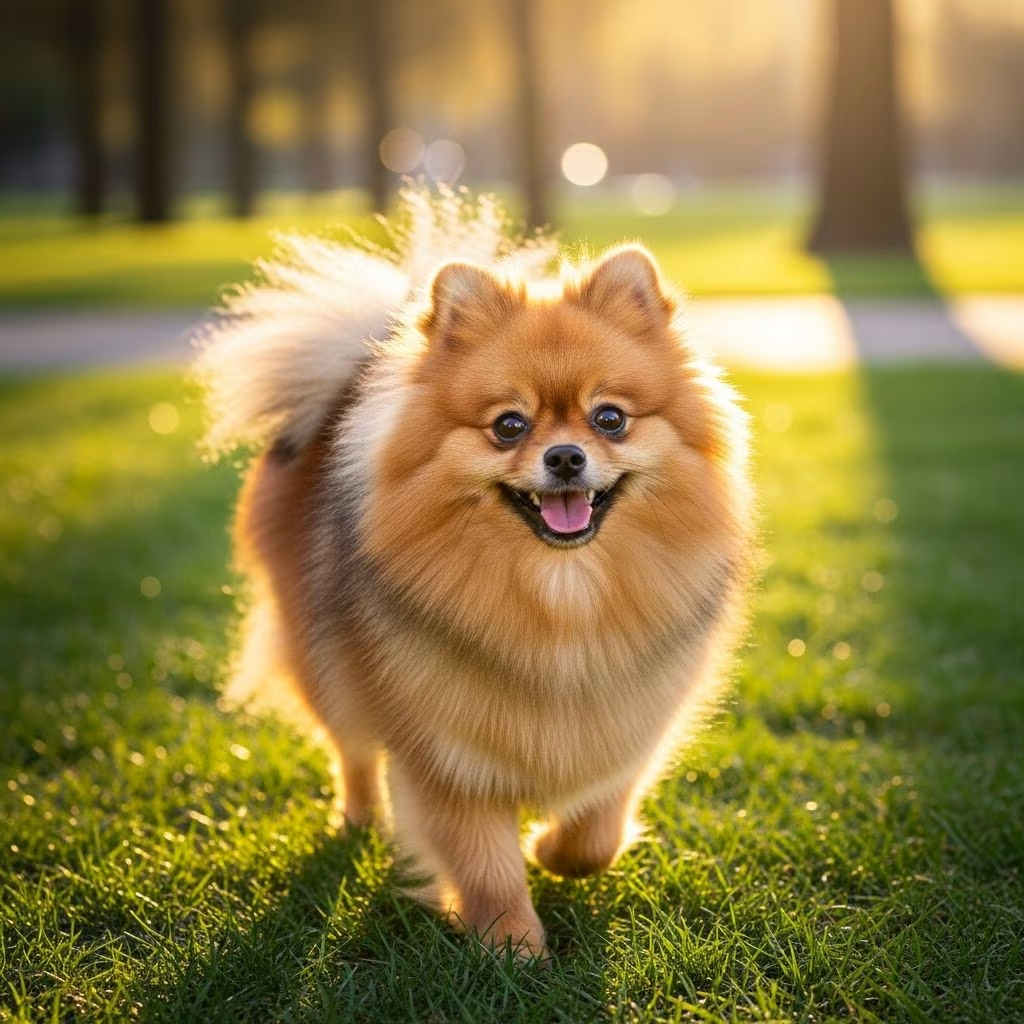
The breed is easily distinguished by several signature physical features. Pomeranians possess a luxuriant, fluffy double coat that gives them a cloud-like appearance. This coat consists of a long, straight, and harsh-textured outer layer combined with a soft, thick, and short undercoat. The longer fur around the neck and chest area creates a distinctive ruff, reminiscent of their Nordic heritage. The breed’s foxy face features alert, prick ears set high on the head, and a feathered tail that curls up and over the back.
The body structure of a Pomeranian is fairly square in proportion, and their head is somewhat rounded with a distinct muzzle. This unique combination of features creates the characteristic “fox-like” appearance that breed enthusiasts find so appealing. Pomeranians come in a remarkable variety of coat colors and patterns, including solid colors such as red, orange, white, cream, blue, brown, and black. Additionally, they can display patterned coats including black and tan, wolf sable, orange sable, brindle, and parti-color combinations featuring white with colored markings. The most commonly seen colors are orange and red.
Temperament and Personality
Despite their diminutive size, Pomeranians display personalities that rival much larger dog breeds. They are intelligent, curious, energetic, feisty, and bold by nature. These dogs are typically very playful and love being the center of attention, thriving in households where they receive regular interaction and mental stimulation.
Pomeranians are known for their alertness and awareness of their surroundings. They make excellent watchdogs, constantly monitoring their environment and ready to alert their families to any perceived threats or unusual activity. However, potential owners should be aware that this alertness can sometimes lead to excessive barking, particularly if the breed is not properly trained and socialized from an early age.
One of the defining traits of Pomeranians is their fierce independence. While they are deeply loyal and affectionate with their families, they prefer to maintain a degree of autonomy. Many Pomeranians would rather walk on the ground than be carried, and they enjoy making their own decisions. This independent streak, combined with their high intelligence, means they require a firm yet gentle hand during training. Pomeranians are not particularly submissive dogs, and they often demonstrate what trainers call “small dog syndrome,” where they behave as though they are much larger and more dominant than their actual size would suggest.
Activity Level and Exercise Needs
Despite being classified as high-energy dogs, Pomeranians require less extensive outdoor activity than larger breeds, thanks to their small size. These active little dogs need daily exercise, which can be adequately provided through indoor play and short walks around the neighborhood or block. A walk around the block is often sufficient to meet their exercise requirements, making them ideal pets for apartment dwellers and those living in urban environments.
Pomeranians can get plenty of exercise running around the home, playing with toys, and engaging in interactive games with their families. Their intelligence and energy make them excellent candidates for dog sports and competitions, including obedience, rally obedience, and agility events. Many Pomeranians excel in these activities despite their small stature, demonstrating remarkable athleticism and problem-solving abilities.
Caring for a Pomeranian
Grooming and Coat Maintenance
Pomeranians require quite a bit of grooming and upkeep for their thick, long coats. The breed’s luxuriant double coat needs regular brushing to prevent matting and tangling, and to manage shedding. Potential owners should be prepared to invest significant time in grooming or be willing to hire professional grooming services. Regular maintenance helps keep the coat healthy, reduces shedding around the home, and contributes to the dog’s overall health and comfort.
Outdoor Safety Considerations
Because Pomeranians are small and fluffy, resembling prey species such as rabbits, owners must be diligent about watching them while they are outside. Predatory birds and other animals may mistake your Pomeranian for their usual prey. This means that Pomeranians should always be supervised during outdoor time and should be kept in secure areas where they cannot escape. Pomeranians are also notorious for escaping through small crevices or gaps in fencing and can sometimes climb over short fences, so secure fencing is essential.
Social Needs and Companionship
Pomeranians do well with other pets and genuinely love attention. They thrive in households where they receive regular interaction and remain mentally engaged. These dogs are not ideal for families or individuals who work away from home all day, as their vocal nature and need for companionship can lead to separation anxiety and excessive barking.
Behavior and Training Tips for Pomeranians
Pomeranian Personality and Temperament
Pomeranians are intelligent dogs with large personalities. Their intelligence means they enjoy learning and do well with training and mentally stimulating activities. These dogs thrive when presented with puzzles, training challenges, and interactive games that engage their minds. However, their independent nature means they may not always be eager to please, and training requires patience and creativity.
Importance of Training and Socialization
While Pomeranians can make great companions for many homes, potential pet parents must invest time and effort into positive reinforcement training and socialization. Do not expect to adopt a Pomeranian puppy and have them grow into a friendly and well-mannered dog without this investment. Socialization is vital during a Pomeranian puppy’s development, just as it is with every dog breed.
Without proper socialization and training, behaviors such as excessive barking, reactive behavior, separation anxiety, and hyperactivity can emerge. Pomeranians are acutely aware of environmental changes and may bark at new stimuli if not properly trained. Because they are extremely defensive about their territory, they are likely to bark at sounds outside, whether it is somebody walking past the house or a person coming to the front door. Training should focus on managing this alertness and channeling their protective instincts constructively.
Training Methods and Best Practices
Pomeranians respond best to positive, productive reinforcement training that harnesses their intelligence. Keep lessons fun and short to prevent them from losing interest or becoming bored quickly. The breed’s tendency to use their intelligence as a tool to get everything they want means owners must establish clear rules and boundaries. As extroverts who love being the center of attention, Pomeranians may become naughty if rules are not consistently enforced.
Watchdog and Guard Dog Capabilities
Pomeranians are not suitable as guard dogs in the traditional sense, but they make terrific watchdogs. Because they are fiercely loyal and protective of their human owners and their territory, they will bark a warning whenever they sense that you or their territory is threatened. Their bark is surprisingly loud and persistent, and while it may seem disproportionate to their tiny size, it serves as an effective alert system. Their intelligence, combined with their curiosity, makes them naturally observant and aware of their surroundings.
Barking and Vocalization
Pomeranians are known for being quite vocal, so potential owners should expect some barking. This breed is sometimes too fast to raise the alarm if there are sounds or sights they want to warn you about. You must be equally quick to prevent excessive Pomeranian barking from becoming a problem. Pomeranians are not ideal dogs if you have close neighbors or work away from the home all day, as their vocal nature can be challenging in these situations.
Lifespan and Health Considerations
Pomeranians have a relatively long lifespan for their size, typically living between twelve and sixteen years. This extended lifespan means that bringing a Pomeranian into your family is a long-term commitment. Understanding potential health issues and providing regular veterinary care can help ensure your Pomeranian enjoys a healthy, happy life throughout their senior years.
Suitability for Different Living Situations
Pomeranians are great companions for many types of pet parents, including families, singles, and older adults. Their small size makes them well-suited for apartment living and urban environments. However, they require significant social interaction, mental stimulation, and training. They are not appropriate for families with very young children who might accidentally injure them, though they tend to be good with older, more careful children. These dogs require owners who understand the breed’s unique needs and are willing to invest time in their care, training, and socialization.
Frequently Asked Questions about Pomeranians
Q: What is the typical lifespan of a Pomeranian?
A: Pomeranians typically live between 12 to 16 years, making them a long-term commitment for prospective owners. With proper care, regular veterinary checkups, and a healthy lifestyle, many Pomeranians can live well into their teens.
Q: How much grooming do Pomeranians require?
A: Pomeranians require quite a bit of grooming and upkeep for their thick, long double coats. Regular brushing is necessary to prevent matting, manage shedding, and maintain coat health. Many owners choose professional grooming services in addition to home maintenance.
Q: Are Pomeranians good for first-time dog owners?
A: While Pomeranians are intelligent and can be trained, their independent streak and need for consistent training and socialization make them more challenging for first-time dog owners. They require owners who understand positive reinforcement training methods and are committed to early socialization.
Q: Do Pomeranians get along with other pets?
A: Yes, Pomeranians generally do well with other pets when properly socialized. They are social dogs that enjoy companionship, though their small size means they should be supervised around larger dogs to prevent accidental injury.
Q: How much exercise do Pomeranians need?
A: Pomeranians need daily exercise, but their small size means that indoor play and short walks around the block are usually sufficient to meet their needs. They do not require extensive outdoor activity like larger breed dogs.
Q: Why do Pomeranians bark so much?
A: Pomeranians are alert, territorial dogs that bark to warn their families of perceived threats or environmental changes. Without proper training and socialization, excessive barking can become a problem. They are not ideal for apartments with close neighbors or for owners who work away from home all day.
Q: Can Pomeranians be left alone during the day?
A: Pomeranians are social dogs that love attention and may develop separation anxiety if left alone for extended periods. They are not ideal for families where everyone works away from home all day, as their need for companionship and their vocal nature make this arrangement challenging.
References
- Pomeranian Dog Breed Information — Purina US. Accessed November 2025. https://www.purina.com/dogs/dog-breeds/pomeranian
- Pomeranian Dog Breed Health and Care — PetMD. Accessed November 2025. https://www.petmd.com/dog/breeds/pomeranian
- Pomeranian Dog Breed — Hill’s Pet Nutrition. Accessed November 2025. https://www.hillspet.com/dog-care/dog-breeds/pomeranian
- Pomeranian Dog Breed Information — American Kennel Club. Accessed November 2025. https://www.akc.org/dog-breeds/pomeranian/
- Typical Pomeranian Personality Traits Explained — Pomeranian.org. 2022. https://pomeranian.org/blog/2022/05/01/pomeranian-temperament/
- Pomeranian Dog Breed Information and Pictures — DogBreedInfo. Accessed November 2025. https://www.dogbreedinfo.com/pomeranian.htm



