

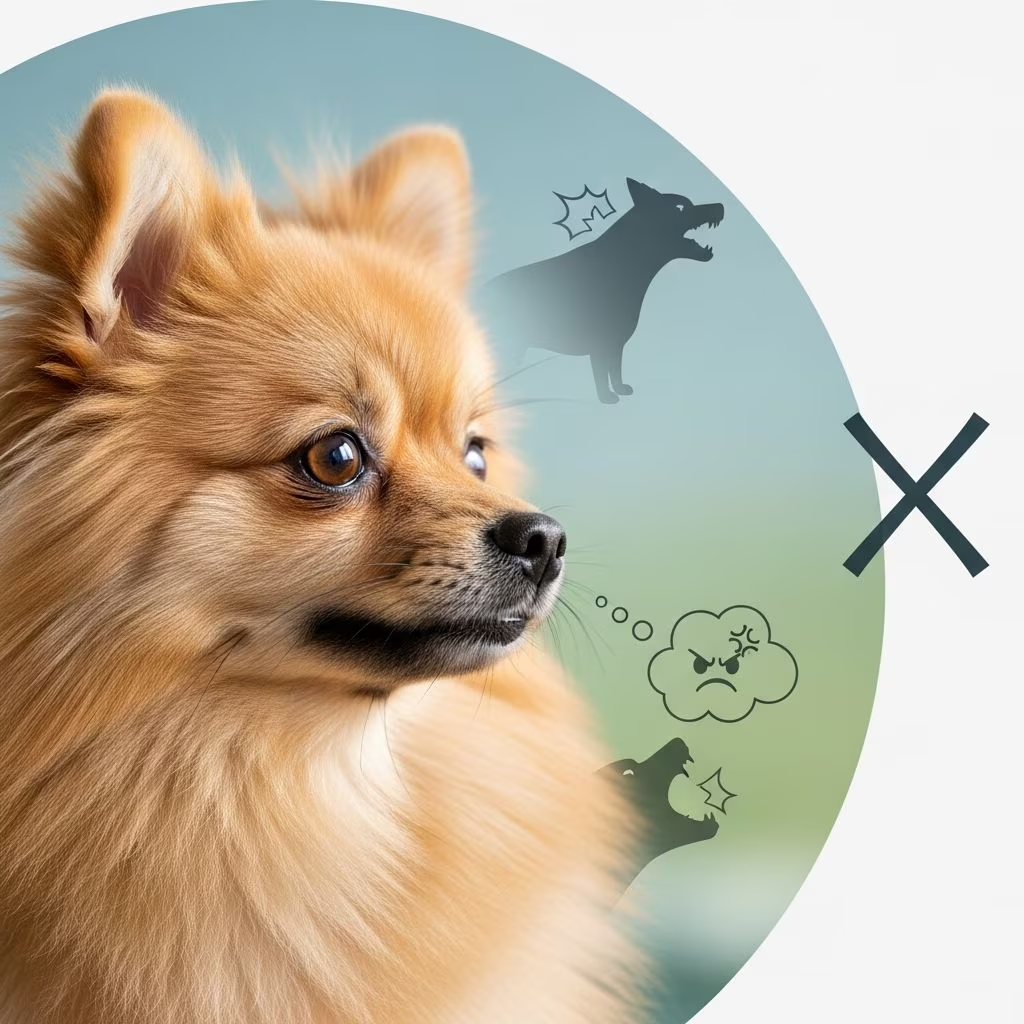
Pomeranians possess a vibrant and confident demeanor that often leads to misconceptions about their aggressiveness. In reality, these small dogs exhibit bold behaviors rooted in intelligence and loyalty rather than true hostility, making them excellent companions when properly socialized and trained.
The Distinctive Personality of Pomeranians
Renowned for their lively spirit, Pomeranians display a mix of playfulness, energy, and devotion that belies their tiny stature. Weighing between 3 to 7 pounds and standing 7 to 12 inches tall, they carry the confidence of much larger breeds, inherited from their Spitz ancestors who herded and guarded livestock.
These dogs are inquisitive explorers, always alert to their surroundings. Their fox-like faces and fluffy double coats contribute to an animated appearance that matches their vivacious nature. Pomeranians thrive on mental stimulation, excelling in obedience, agility, and rally activities due to their sharp minds.
- Playful Energy: They love interactive games and short bursts of activity, ideal for apartment living.
- Loyal Bonds: Deeply attached to family, they offer unconditional affection once trust is established.
- Curious Watchfulness: Quick to notice changes, they serve as effective alert dogs without aggressive intent.
Despite their small size, Pomeranians exhibit independence and tenacity. This can manifest as stubbornness if not channeled through consistent training, but it underscores their big-dog attitude in a compact frame.
Understanding Boldness vs. Aggression
The term “aggression” is often misapplied to Pomeranians’ bold displays. What appears as feistiness is typically territorial awareness or excitement rather than malice. Their history as herding dogs instills a protective instinct, leading them to vocalize at perceived threats.
Studies and breed standards highlight their alertness without endorsing violence. For instance, they bark persistently at unfamiliar sounds, a trait useful for warning owners but problematic if unchecked. True aggression—such as unprovoked biting—is rare and usually stems from poor socialization, fear, or neglect, not inherent breed flaws.
| Behavior | Common Perception | Actual Cause |
|---|---|---|
| Barking | Aggressive Alert | Territorial Vigilance |
| Nipping | Hostility | Playful Herding Instinct |
| Guarding Resources | Possessiveness | Protective Loyalty |
This table illustrates how misinterpreted actions arise from their spirited character. With guidance, these traits become assets, enhancing their role as devoted pets.
Factors Influencing Pomeranian Behavior
Several elements shape how Pomeranians express themselves. Genetics play a role, with their Nordic heritage promoting boldness, but environment and upbringing are decisive.
Early Socialization: Exposure to diverse people, pets, and settings from puppyhood prevents fear-based reactions. Puppies mature quickly, reaching adult size by 7-10 months, so timely intervention is key.
Training Techniques: Positive reinforcement harnesses their intelligence. Short, fun sessions prevent boredom and build compliance. They respond well to praise, treats, and consistency, curbing unwanted habits like excessive barking.
Health Considerations: Pain from conditions like patellar luxation or dental issues can heighten irritability. Regular vet check-ups ensure physical comfort, supporting stable temperaments. Their lifespan of 12-16 years allows ample time for balanced development.
Lack of exercise, even brief daily walks, leads to pent-up energy manifesting as restlessness. Mental enrichment through toys and tricks keeps them engaged and content.
Common Misbehaviors and Solutions
Pomeranians may develop habits mistaken for aggression, such as yapping or resource guarding. These are manageable with proactive strategies.
- Excessive Barking: Train a “quiet” command using rewards. Desensitize to triggers like doorbells through gradual exposure.
- Small Dog Syndrome: Avoid coddling; enforce rules equally to prevent entitlement. Consistent boundaries foster respect.
- Leash Reactivity: Use positive walks to build confidence, avoiding reinforcement of pulling or lunging.
They integrate well with families, showing patience with gentle children when taught boundaries. Supervision prevents rough play that could provoke defensive snaps.
Training Your Pomeranian for Harmony
Effective training transforms potential issues into strengths. Start with basics like sit, stay, and come, progressing to advanced tricks that satisfy their clever minds.
Employ clicker training for precision, marking desired actions instantly. Socialization classes expose them safely, reducing stranger wariness. Crate training provides security, aiding housebreaking.
For multi-pet homes, introduce gradually under supervision. Pomeranians’ outgoing nature aids bonding, though they may assert dominance if unchecked.
Daily routines—meals, play, and naps—provide structure, minimizing anxiety-driven behaviors. Their low drooling and moderate shedding make maintenance straightforward with weekly brushing.
Pomeranians in Family Settings
These adaptable dogs suit various lifestyles, from singles to seniors. Their portability shines in travel, and therapy roles leverage their affectionate side.
With children, educate kids on gentle handling to avoid injury. Pomeranians reciprocate kindness, becoming playful family members.
Apartment dwellers appreciate their modest exercise needs: indoor fetch or neighborhood strolls suffice. Their coat colors—ranging from orange to black merle—add visual delight.
Health and Longevity Tips
Maintaining wellness curbs behavioral extremes. Monitor for tracheal collapse, which worsens with pulling harnesses. Dental care prevents pain-induced grumpiness.
Balanced diets support their energy without obesity. Annual vaccinations and parasite prevention ensure vitality through their long lives.
FAQs
Are Pomeranians good with strangers?
With socialization, yes—they warm up quickly, though initial caution is common.
Do Pomeranians get along with other dogs?
Often, especially if introduced properly; their bold nature requires monitoring.
How much exercise do they need?
20-30 minutes daily, plus play, meets their active yet low-energy profile.
Can Pomeranians be left alone?
Prefer not; they thrive on companionship to avoid separation anxiety.
Is barking a sign of aggression?
No, it’s alertness; training refines it into appropriate warnings.
References
- Pomeranian Dog Breed Information — Purina US. 2023. https://www.purina.com/dogs/dog-breeds/pomeranian
- Typical Pomeranian Personality Traits Explained — Pomeranian.org. 2022-05-01. https://pomeranian.org/blog/2022/05/01/pomeranian-temperament/
- Pomeranian Dog Breed — Hill’s Pet Nutrition. 2024. https://www.hillspet.com/dog-care/dog-breeds/pomeranian
- 10 Fun Facts About Pomeranians — ASPCA Pet Insurance. 2023. https://www.aspcapetinsurance.com/resources/fun-facts-about-pomeranians/
- All About the POMERANIAN – Characteristics and Care — YouTube (AnimalWised). 2020. https://www.youtube.com/watch?v=jmaI3YWmbN0
- Pomeranian dog — Wikipedia. 2026. https://en.wikipedia.org/wiki/Pomeranian_dog
- Pomeranian Dog Breed Information — American Kennel Club. 2024. https://www.akc.org/dog-breeds/pomeranian/



