

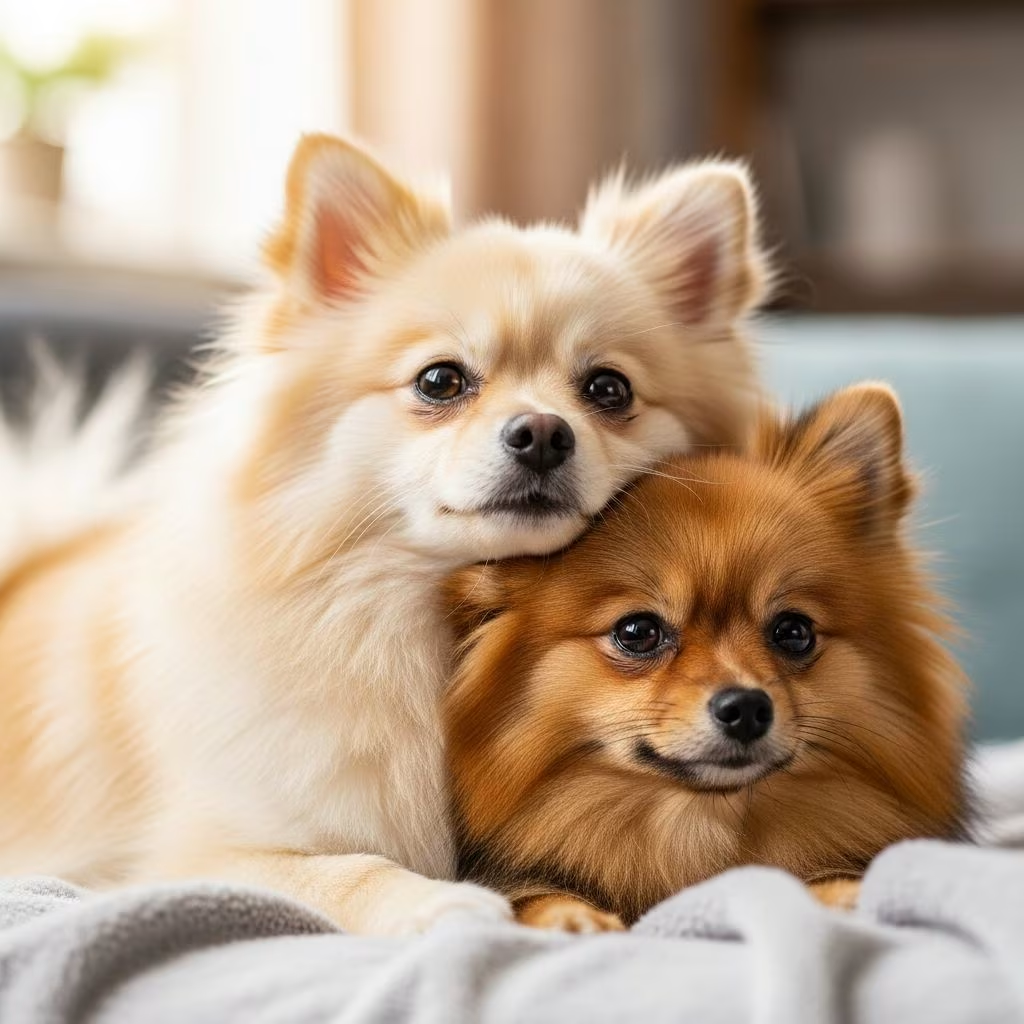
Pomeranians are renowned for their vibrant personalities packed into tiny frames, often displaying deep affection toward their preferred humans. These toy dogs form strong emotional connections, blending loyalty with lively energy that makes them cherished companions.
The Core of Pomeranian Temperament
At the heart of every Pomeranian lies a bold spirit that belies their small size of 3 to 7 pounds. They exhibit traits like playfulness, intelligence, and outgoing demeanor, making them engaging family members. Their affectionate side shines through unwavering loyalty, where they often choose one person as their primary attachment, following them devotedly throughout the day.
This breed’s energy is boundless; they thrive on mental stimulation and short, fun training sessions to channel their curiosity. Without proper guidance, their independence can lead to stubbornness, but positive reinforcement unlocks their eager-to-please nature. Pomeranians are alert watchdogs, quick to bark at unfamiliar sounds, which underscores their protective instincts toward loved ones.
How Pomeranians Express Love and Loyalty
Pomeranians convey affection through physical closeness and intuitive responses to their owners’ emotions. They sense distress and offer comfort by snuggling or presenting toys, demonstrating empathy uncommon in many breeds. Their love is unconditional once trust is built, with a preference for homes where family members are present most of the time to avoid separation distress.
Bonding often manifests as shadowing their favorite human, curling up for naps after play, and seeking attention with cheerful antics. This extroverted affection makes them entertaining, though they balance it with bursts of independence, refusing commands they deem unworthy.
Building Strong Bonds with Your Pomeranian
Fostering affection starts with early socialization and consistent training. Expose puppies to diverse environments to curb wariness of strangers, preventing anxiety that could hinder openness. Daily interactive play, puzzle toys, and short obedience drills keep their sharp minds engaged, strengthening the human-dog relationship.
- Daily walks and indoor games to burn energy and promote closeness.
- Positive reinforcement with treats and praise for desired behaviors.
- Gentle grooming sessions to build trust through touch.
- Family inclusion in routines to expand their social circle.
Owners who establish clear rules early mitigate small dog syndrome, where pampering leads to entitlement. Structured affection yields a more balanced, loving companion.
Pomeranians in Family Settings
While affectionate with familiars, Pomeranians’ feisty nature requires careful integration with children. Their fragile builds risk injury from rough handling, and they may snap if boundaries are ignored. Older kids who respect space find joyful playmates in these energetic pups.
With other pets, Pomeranians are generally harmonious if socialized properly, though their high prey drive warrants supervision around small animals. They excel as solo companions or in quiet households, offering vigilant companionship without demanding vast spaces.
| Family Type | Suitability | Key Considerations |
|---|---|---|
| Singles/Couples | Excellent | Thrives on one-on-one attention; minimal space needed. |
| Families with Older Kids | Good | Supervise interactions; teach gentle handling. |
| Families with Toddlers | Caution | Risk of injury; bold temperament may lead to snaps. |
| Multi-Pet Homes | Moderate | Socialize early; monitor prey drive. |
Challenges to Their Affectionate Side
Pomeranians’ boldness can veer into excessive barking or territorial displays, especially toward strangers. Their vocal alertness serves as protection but may strain neighbor relations in close quarters. Separation anxiety is common, leading to destructive behaviors if left alone excessively.
Independent streaks make them less submissive than some breeds, requiring patient training to encourage cooperative affection. Neglect mental needs, and boredom sparks mischief, eroding harmonious bonds.
Training Tips for Maximum Affection
Harness their intelligence with fun, varied lessons. Use high-value rewards for commands like sit, stay, and quiet to reinforce positive traits. Desensitization to doorbells and visitors reduces reactive barking, fostering calmer interactions.
Crate training aids housebreaking and combats anxiety, providing a safe haven. Consistency across family members prevents confusion and builds respect.
- Start training at 8 weeks with basic cues.
- Incorporate play breaks to maintain interest.
- Use clicker training for precision.
- Practice recall in safe, distracting areas.
Daily Care to Enhance Emotional Ties
Affection flourishes with proper health maintenance. Their double coats demand weekly brushing to prevent mats, turning grooming into bonding rituals. Feed balanced diets suited to small, active dogs, avoiding obesity despite finicky appetites.
Exercise needs are moderate: 20-30 minutes daily suffices, mixing walks with fetch to tire their spirited bodies. Regular vet checkups catch issues like dental problems or patellar luxation early, ensuring a happy, loving life.
Historical Roots of Their Loving Nature
Originating from larger Spitz ancestors in the Pomerania region, Pomeranians were miniaturized in the 18th century for royalty, emphasizing companion qualities. Queen Victoria’s fondness popularized their affectionate, bold traits, shaping the breed we adore today.
FAQs About Pomeranian Affection
Are Pomeranians clingy?
Yes, they often bond intensely with one person, following them everywhere and disliking solitude, which can lead to separation anxiety if unmanaged.
Do Pomeranians like to cuddle?
They enjoy snuggling after exercise, offering comfort during emotional lows, though their energy prevents all-day lap lounging.
Can Pomeranians be aggressive?
Rarely, but poor socialization or small dog syndrome can cause snappiness, especially if threatened.
How do I stop my Pomeranian from barking too much?
Train with desensitization and rewards for silence; provide mental stimulation to reduce boredom barking.
Are Pomeranians good for apartments?
Ideal due to size, but their barking requires management for close neighbors.
References
- Typical Pomeranian Personality Traits Explained — Pomeranian.org. 2022-05-01. https://pomeranian.org/blog/2022/05/01/pomeranian-temperament/
- Pomeranian | Temperament, Lifespan & History — Pooch & Mutt. N/A. https://www.poochandmutt.co.uk/blogs/by-breed/pomeranian
- Pomeranian Temperament Guide — Waggel. N/A. https://www.waggel.co.uk/blog/post/pomeranian-temperament-guide
- 10 Fun Facts About Pomeranians — ASPCA Pet Insurance. N/A. https://www.aspcapetinsurance.com/resources/fun-facts-about-pomeranians/
- What Do Pomeranians Act Like? — YouTube (Transcript). N/A. https://www.youtube.com/watch?v=CqKffVrPRzQ
- Pomeranian Dog Breed Information — American Kennel Club. N/A. https://www.akc.org/dog-breeds/pomeranian/
- Pomeranian Dog Breed — Hill’s Pet Nutrition. N/A. https://www.hillspet.com/dog-care/dog-breeds/pomeranian



