

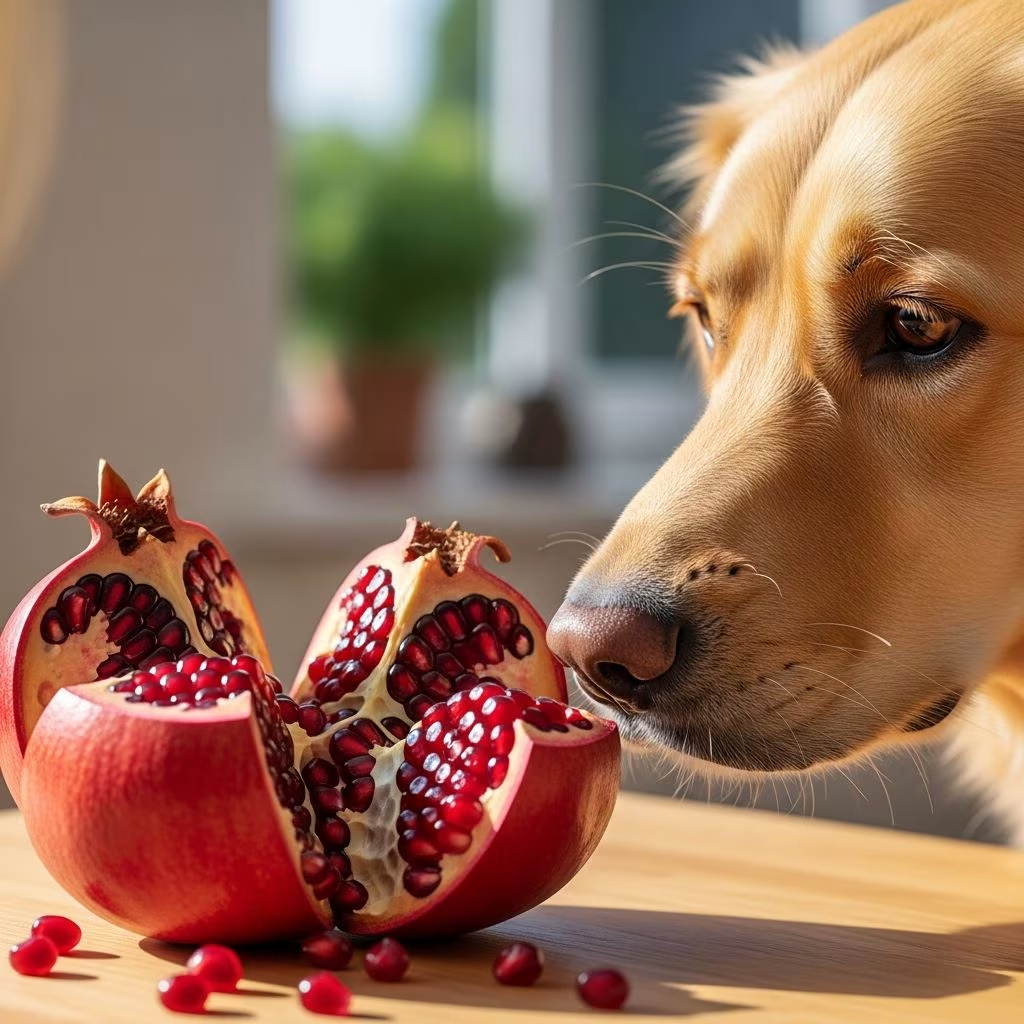
Pomegranates pack a punch of antioxidants, vitamins, and fiber that intrigue many pet owners looking to diversify their dog’s diet. However, while the fruit’s juicy arils aren’t toxic, several components present notable hazards like choking, digestive upset, and blockages, making moderation essential or avoidance preferable.
Nutritional Profile of Pomegranates and Relevance to Canine Health
This vibrant red fruit originates from a shrub native to regions like Iran and India, cherished for centuries in human diets. For dogs, its appeal lies in bioactive compounds: punicalagins and ellagic acid provide potent antioxidant effects, combating oxidative stress linked to aging and disease. Vitamin C supports collagen formation and immune function, though dogs produce it endogenously via the liver. Potassium aids electrolyte balance, while fiber promotes bowel regularity.
Despite these attributes, canine biology differs from humans. Dogs’ shorter digestive tracts process fiber less efficiently, turning potential benefits into irritants. Complete commercial diets meeting AAFCO standards already supply balanced nutrients, rendering supplemental fruits like pomegranate unnecessary and risky.
Assessing Each Part: Arils, Rind, Seeds, and More
Understanding edibility requires breaking down the fruit:
- Arils (Juicy Seeds): The edible red gems inside are non-toxic and pass through most dogs’ systems intact due to their tough outer coating. Small amounts might offer minor antioxidant boosts, but excess fiber and natural sugars provoke diarrhea, vomiting, or gas.
- Rind and Peel: Firm and tannin-rich, these outer layers irritate the gut, causing nausea, drooling, or loose stools. Trace cyanide exists but requires massive ingestion for toxicity; blockages from undigested pieces pose greater threats, potentially needing surgery.
- White Membrane and Pith: Bitter and fibrous, these internals exacerbate digestive woes similar to rind.
- Plant Parts (Leaves, Stems, Flowers): Contain alkaloids and other compounds upsetting the stomach; keep garden plants fenced off.
| Part | Safety Level | Key Risks | Notes |
|---|---|---|---|
| Arils | Low Risk in Moderation | Digestive upset, choking | Limit to tiny portions |
| Rind/Peel | High Risk | Blockage, tannins | Strictly avoid |
| Seeds (Intact) | Moderate Risk | Intact passage, irritation | May exit undigested |
| Plant Foliage | Unsafe | GI toxins | No access |
Potential Health Upsides: Realistic Expectations
Proponents highlight targeted perks, backed by preliminary research:
- Gut Support: Fiber and polyphenols may foster beneficial bacteria, easing mild constipation. A 2017 study on peel extract showed improved hindgut fermentation and antioxidants in dogs at controlled doses.
- Immune Enhancement: Vitamin C and flavonoids could bolster defenses against infections, though endogenous production suffices for healthy pups.
- Joint and Heart Aid: Anti-inflammatory ellagitannins might alleviate arthritis symptoms or support cardiovascular function, per lab studies, but therapeutic levels risk overload.
These gains are dose-dependent and unproven in routine feeding. Balanced kibble or fresh dog-safe produce like blueberries delivers similar benefits sans hazards.
Common Pitfalls: Juice, Extracts, and Processed Forms
Beyond fresh fruit, variations complicate safety:
- Pomegranate Juice: Pure versions carry high sugar (14g per 3.4oz), spiking blood glucose, fostering dental plaque, or triggering diabetes in predisposed dogs. Commercial bottles often add xylitol—a fatal toxin—or preservatives. Dilute minuscule amounts only post-vet approval.
- Extracts and Oils: Concentrated forms in supplements offer antioxidants without bulk fiber. The aforementioned 2017 research supports digestive benefits, but potency varies; vet oversight prevents interactions.
- Dried or Dehydrated: Concentrated sugars and shrunken seeds heighten blockage odds.
- Dog Treats/Supplements: Formulated products with extract are safer if labeled for canines, third-party tested, and AAFCO-compliant. Scan for fillers.
Danger Signals and Toxicity Thresholds
No universal “safe dose” exists—factors like size, age, breed, and health dictate tolerance. Toy breeds face amplified choking from seeds; seniors or those with GI issues react worse. Symptoms from overindulgence include:
- Vomiting or regurgitation
- Diarrhea (possibly bloody)
- Abdominal bloating/pain
- Lethargy or appetite loss
- Choking or gagging
Contact a vet for any ingestion, especially rind or >10 arils. Monitor 24-48 hours; blockages may necessitate imaging or endoscopy. Prevention trumps treatment.
Veterinary Perspectives and Research Insights
Vets generally advise against fresh pomegranates due to risks eclipsing rewards. Dr. Klein, citing peer-reviewed work, notes extract’s promise for gut modulation without whole-fruit perils. PetMD emphasizes AAFCO diets obviate exotic additions. AKC echoes: direct feeding unwise, extracts viable under guidance.
Studies remain limited—mostly in vitro or small canine trials. Human data doesn’t translate directly owing to metabolic variances. Prioritize evidence-based nutrition.
Practical Feeding Guidelines for Cautious Owners
If offering arils despite caveats:
- Consult vet first, especially for puppies, obese, diabetic, or allergic dogs.
- Select ripe, organic fruit; rinse thoroughly.
- Remove all rind/membrane; mash arils to reduce choking.
- Start with 1-2 arils per 10lbs body weight, once weekly max.
- Observe 24 hours; discontinue at discomfort.
- Integrate into meals, not standalone treats (10% diet cap for novel foods).
Better alternatives: blueberries (higher antioxidants, softer), carrots (fiber/crunch), or pumpkin (gut soothe).
Frequently Asked Questions (FAQs)
Is pomegranate toxic to dogs?
No, but hazardous parts like rind can cause severe issues.
Can puppies eat pomegranate?
Avoid; immature systems heighten risks.
What if my dog ate pomegranate rind?
Call vet immediately—monitor for obstruction.
Are pomegranate dog treats okay?
Yes, if canine-formulated; check labels.
Does pomegranate help dog allergies or joints?
Limited evidence; vet-recommended glucosamine superior.
Conclusion: Prioritize Proven Safety
Pomegranates tempt with superfood status, yet for dogs, convenience and risk profile favor skipping fresh forms. Harness benefits via vetted extracts or superior fruits, ensuring your companion thrives without unnecessary vet visits. Always tailor to individual needs through professional counsel.
References
- Can Dogs Eat Pomegranate? A Comprehensive Guide for Pet Owners — Noble Vet Clinic. 2023. https://noblevetclinic.com/blog/can-dogs-eat-pomegranate
- Can Dogs Eat Pomegranate? — PetMD. 2024. https://www.petmd.com/dog/nutrition/can-dogs-eat-pomegranate
- Can Dogs Eat Pomegranate? — PetLab Co. 2023. https://thepetlabco.com/learn/dog/nutrition/pomegranate-dog
- Can Dogs Eat Pomegranate? — Volhard Dog Nutrition. 2024. https://www.volharddognutrition.com/blog/can-dogs-eat-pomegranate/
- Can Dogs Eat Pomegranate? — PetLab Co. UK. 2023. https://petlabco.co.uk/learn/nutrition/can-dogs-eat-pomegranate
- Can Dogs Eat Pomegranates? – American Kennel Club — AKC. 2023. https://www.akc.org/expert-advice/nutrition/can-dogs-eat-pomegranates/



