

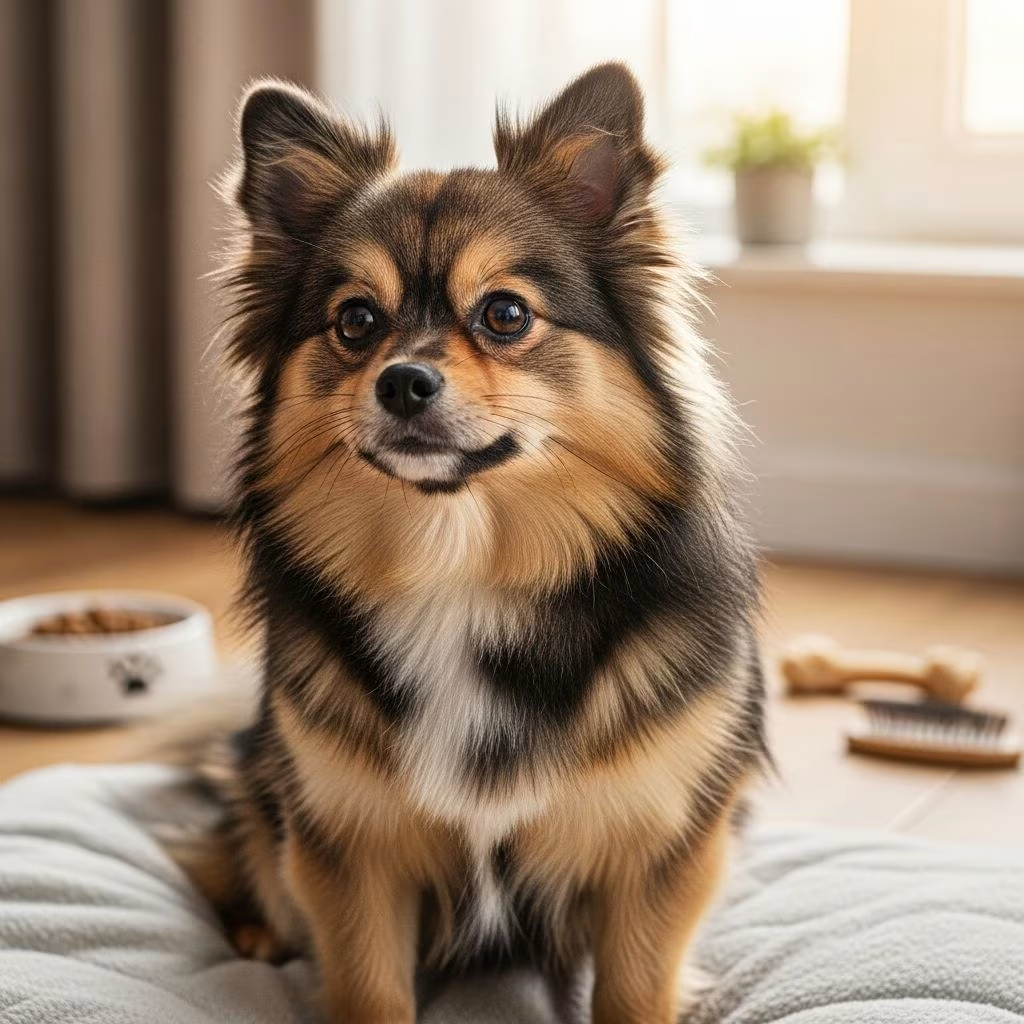
The Pomchi is a delightful small dog breed that results from crossing a Pomeranian with a Chihuahua. Despite their diminutive size, weighing between 3-7 pounds, these spirited companions pack an enormous personality that belies their tiny stature. Understanding the Pomchi breed requires knowledge of both parent breeds and the unique characteristics that emerge from this hybrid combination.
Understanding the Pomchi Breed Origin
The Pomchi represents a fascinating blend of two distinct small dog breeds, each contributing unique traits to the resulting hybrid. Breeders developed the Pomchi by combining the lively and loyal characteristics of the Chihuahua with the fluffy, spirited charm of the Pomeranian. The Pomeranian, a pint-size descendant of Arctic sled dogs, carries dense double coats, a characteristically plumed tail, and an appetite for action. According to breed standards, Pomeranians are cocky and commanding—two amusingly unexpected descriptors for dogs of such diminutive size.
The Chihuahua, known for its bold personality and alertness, contributes sweetness, adorability, and loving nature to the Pomchi mix. Early breeders focused on combining temperament and health, although as a hybrid, Pomchis display greater genetic diversity than purebred dogs. The breed remains relatively emerging, so comprehensive studies on hereditary health problems are still limited compared to established purebred lines.
Pomchi Physical Characteristics
Since the Pomchi is a mixed breed, predicting the exact appearance of individual puppies proves challenging. Even within the same litter, Pomchis can look dramatically different from one another, inheriting varying traits from their Pomeranian and Chihuahua parents.
Size and Build
Pomchis are exceptionally small dogs, typically weighing between 3-7 pounds and standing 5-8 inches tall. Their bodies are well-proportioned and slightly longer than they are in height. The small, rounded head features a delicate face with an elegant pointed muzzle and a dainty black nose. The eyes are large and round, contributing to their fox-like appearance, while the erect ears often display slight feathering on the edges.
The legs are short, strong, and slender, ending in small rounded paws. The tail is partly curled, adding to their charming appearance. Their petite size makes them adaptable to apartment living and ideal lap dogs, though their fragility requires careful handling.
Coat and Coloring
The Pomchi coat varies significantly depending on inherited genes. It may be either single or double-coated and can range from short to long in length. The coat should be soft, full, and shiny. Common colors include orange, cream, and chocolate, but Pomchis can also display blue and tan, black and tan, and various sable patterns. The variation in appearance means you may not know exactly what your Pomchi will look like until the dog reaches full maturity.
Pomchi Personality and Temperament
Sometimes the smallest dogs have the biggest personalities—and this is profoundly true for the Pomchi. Far from acting like they’re tiny enough to be carried in a handbag, Pomchis are spirited companions that love their families with fierce devotion. They possess a lively and alert personality combined with a sweet, affectionate nature. These inquisitive and fun-loving dogs are eager to please, making them delightful companions for the right household.
Family Bonding and Loyalty
Pomchis thrive on close companionship with their people and form strong bonds with family members. They are affectionate dogs who crave constant companionship and develop deep attachments to their owners. This loyalty makes them excellent lap dogs and devoted family members. However, this strong bonding can lead to separation anxiety if Pomchis spend prolonged periods alone.
Behavior Around Strangers and Other Pets
While Pomchis are affectionate with their families, they can be more reserved and wary around strangers. A Pomchi may alert you to a new person with lots of barking, displaying their watchdog instincts despite their small size. With time and proper socialization, they can make friends with people and pets of all sizes, though extra caution is needed around larger animals and very young children who may inadvertently treat a tiny Pomchi like a toy.
The breed’s alert nature and intelligent temperament make them excellent watchdogs. Despite their diminutive stature, their natural watchfulness and tendency to vocalize warnings mean they serve as effective alert dogs for their households.
Behavior and Training Tips for Pomchis
Training Approach and Methods
Pomchis respond best to positive, reward-based training methods. Using treats, praise, and interactive play as motivation supports their learning and encourages cooperation. Consistent boundaries help prevent the development of willful or stubborn behaviors. Avoiding harsh corrections is essential, as they can undermine confidence and harm the human-dog bond.
Pomchis need early socialization and firm, consistent training to manage their sometimes stubborn streak and potential for “small dog syndrome.” This condition, where small dogs develop behavioral problems due to inconsistent discipline, can manifest as excessive barking or aggressive tendencies. Without proper training and socialization, Pomchis may develop separation anxiety and resort to excessive barking.
Advanced Training Opportunities
Beyond basic obedience, Pomchis can excel at advanced training such as agility, lure coursing, or obedience competitions suitable for small breeds. Their intelligence and agility make these pursuits rewarding and beneficial for both mental and physical health. Engaging in such activities provides excellent mental stimulation and exercise outlets for these high-energy dogs.
Exercise and Mental Stimulation Needs
Though perfectly sized for laps, Pomchis are smart, high-energy dogs that need daily opportunities to exercise their brain and body. They possess considerable energy that requires regular outlets. Interactive play, daily walks, and mental stimulation games help burn off their energy and keep them engaged. Once their energy has been burned up, however, they’ll be happy to cuddle and take up lap space with their families.
Health Considerations for Pomchis
As a hybrid breed, Pomchis may inherit health conditions from both parent breeds. Conscientious breeders emphasize health testing, especially for conditions potentially linked to their lineage. Common health concerns associated with Pomeranians include Syringomyelia (SM), a neurological condition affecting the spinal cord. Chihuahuas are genetically predisposed to developing tracheal collapse, Legg-Perthes disease, and epilepsy.
Prospective Pomchi owners should request health clearances from breeders and understand the potential health risks associated with both parent breeds. Regular veterinary check-ups, maintaining appropriate weight, and providing quality nutrition support long-term health. The typical Pomchi lifespan ranges from 12-16 years, with some individuals living into their late teens.
Grooming and Coat Care
Pomchis require consistent grooming to maintain the condition of their coat, whether single or double. Regular brushing prevents matting and reduces shedding around the home. The frequency of grooming depends on coat type and length. Dogs with longer or double coats require more frequent brushing, potentially several times weekly, while those with shorter coats may need less frequent maintenance.
Beyond coat care, Pomchis need regular nail trimming, ear cleaning, and dental hygiene. Their small size makes dental care particularly important, as toy breeds are more susceptible to dental disease. Regular tooth brushing and professional cleanings help maintain oral health throughout their lives.
Suitability and Ideal Owner Profile
Who Should Own a Pomchi?
Pomchis are ideal for individuals or families seeking a compact, lively companion dog. Those living in smaller homes or apartments will appreciate the Pomchi’s adaptability to various living environments. The breed’s watchful nature suits people desiring a small but effective alert dog. Experienced or first-time dog owners who can provide steady training and affection will find Pomchis delightful companions.
Important Considerations for Potential Owners
Prospective owners should prepare for consistent grooming to maintain their Pomchi’s coat condition. Due to their delicate size, Pomchis are generally better suited to families with older children who understand how to interact gently and respectfully with small dogs. Families with very young children or overly boisterous household members may find the breed’s fragility problematic.
Pomchis require owners who appreciate both their lively spirit and affectionate loyalty. Their high prey drive means they require careful supervision outdoors, especially off-lead, as they may chase small animals. The breed’s vulnerability to injury necessitates vigilance and appropriate handling.
Pomchi Characteristics Overview
| Characteristic | Rating/Details |
|---|---|
| Weight | 3-7 lbs |
| Height | 5-8 inches |
| Coat Type | Single or double, short to long |
| Lifespan | 12-16 years (some to 18) |
| Temperament | Affectionate, playful, alert, clever |
| Energy Level | High |
| Barking Tendency | High |
| Intelligence | High |
| Trainability | Good with positive reinforcement |
| Good with Children | Better with older children |
| Shedding Level | Moderate to high |
Frequently Asked Questions About Pomchis
Q: What is the temperament of a Pomchi?
A: Pomchis are spirited, affectionate dogs with big personalities despite their small size. They are alert, intelligent, and loyal to their families. While loving with family members, they can be reserved around strangers and may bark to alert their owners to new people. With proper socialization, they make excellent companions.
Q: Are Pomchis suitable for apartment living?
A: Yes, Pomchis are well-suited to apartment living due to their small size and adaptability. However, they require daily exercise and mental stimulation to prevent excessive barking and behavioral problems, even in compact spaces.
Q: How much exercise do Pomchis need?
A: Despite their small size, Pomchis are high-energy dogs requiring daily exercise and mental stimulation. Regular play sessions, walks, and interactive games help burn off their energy and keep them mentally engaged.
Q: Are Pomchis good with children?
A: Pomchis are better suited to families with older children who understand how to handle small, fragile dogs gently. Very young children may inadvertently injure them or treat them roughly, making supervision essential.
Q: What health issues are common in Pomchis?
A: Pomchis may inherit health conditions from both parent breeds, including Syringomyelia (from Pomeranians) and tracheal collapse, Legg-Perthes disease, or epilepsy (from Chihuahuas). Working with health-conscious breeders who conduct health testing helps minimize risks.
Q: Do Pomchis suffer from separation anxiety?
A: Yes, Pomchis form strong bonds with their owners and can develop separation anxiety if left alone for extended periods. They thrive on companionship and may resort to excessive barking or destructive behavior when isolated.
Q: How often should I groom my Pomchi?
A: Grooming frequency depends on coat type. Double-coated or long-haired Pomchis need brushing several times weekly, while shorter-coated individuals may need less frequent maintenance. Regular nail trimming, ear cleaning, and dental care are also essential.
Q: What is the typical lifespan of a Pomchi?
A: Pomchis typically live 12-16 years, with some individuals reaching 18 years with proper care, nutrition, and regular veterinary attention.
References
- Pomchi Dog Breed Health and Care — PetMD. 2024. https://www.petmd.com/dog/breeds/pomchi
- Pomeranian Dog Breed Information — American Kennel Club. 2024. https://www.akc.org/dog-breeds/pomeranian/
- Pomchi Dogs Breed – Information, Temperament, Size & Price — Pets4Homes. 2024. https://www.pets4homes.co.uk/dog-breeds/pomchi/
- Pomchi: Your Complete Guide — Dog Academy. 2024. https://dogacademy.org/breeds/pomchi
- Pomchi | Dog Breed Facts and Information — Wag! Dog Walking. 2024. https://wagwalking.com/breed/pomchi



