

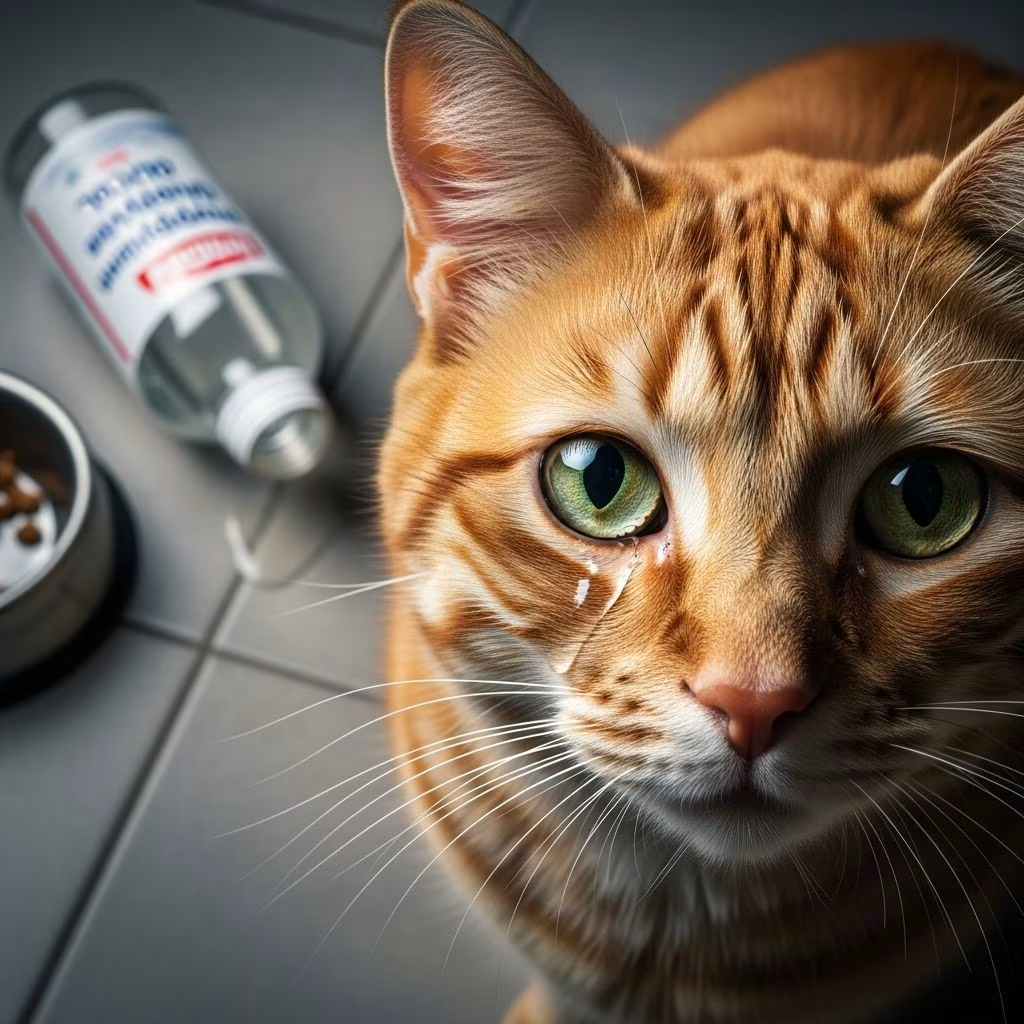
Polypropylene glycol (PPG) is a synthetic chemical compound widely used in commercial products ranging from cosmetics to pharmaceuticals. While regulatory agencies generally recognize it as safe for human consumption and canine use, this chemical poses significant health threats to cats. The difference in how felines metabolize this substance compared to other species has led to strict regulatory measures designed to protect feline welfare.
The Unique Feline Metabolism and Chemical Sensitivity
Cats possess a distinctive physiology that sets them apart from dogs and humans in their ability to process certain chemicals. Unlike many other animals, cats lack specific liver enzymes necessary to metabolize and detoxify a wide range of compounds effectively. This enzymatic deficiency means that when cats ingest polypropylene glycol, their bodies cannot break it down efficiently, allowing toxic compounds to accumulate over time.
This metabolic vulnerability extends beyond polypropylene glycol to numerous other substances. Cats are notoriously sensitive to acetaminophen, certain essential oils, and foods like onions and garlic that other pets tolerate without difficulty. Understanding this fundamental difference in feline biochemistry is essential for cat owners making dietary and healthcare decisions.
Historical Context: How PPG Harmed Cats
The dangers of polypropylene glycol in feline diets became apparent through real-world consequences rather than theoretical concerns. During the 1980s and 1990s, semi-moist commercial cat foods frequently contained polypropylene glycol at concentrations ranging from 5% to 10%. Manufacturers incorporated this chemical to maintain moisture content and preserve food freshness, standard practices in the pet food industry.
As cats consumed these products regularly, veterinarians began documenting a concerning pattern: increasing cases of Heinz body hemolytic anemia among feline patients. This condition, characterized by damage to red blood cells, created a direct link between the chemical exposure and observable health decline. The accumulating evidence prompted regulatory intervention.
Heinz Body Hemolytic Anemia: The Primary Health Concern
Heinz body hemolytic anemia represents the most serious consequence of polypropylene glycol exposure in cats. This condition develops when the chemical causes structural damage to hemoglobin within red blood cells. The body’s immune system recognizes these damaged cells as abnormal and systematically removes them from circulation faster than the bone marrow can produce healthy replacements.
The result is a progressive reduction in the oxygen-carrying capacity of the blood. As red blood cell populations decline, tissues throughout the body receive insufficient oxygen, triggering a cascade of health problems. The severity of anemia depends on the amount of PPG consumed and the duration of exposure.
Recognizing Symptoms of Toxicity
Cat owners should be alert to several warning signs that may indicate polypropylene glycol poisoning or Heinz body anemia:
- Fever – Elevated body temperature without apparent infection
- Discolored urine – Reddish-brown or dark urine indicating hemoglobin degradation products
- Sudden weakness – Lethargy and reluctance to move or play
- Pale mucous membranes – Pink gums and tissues appearing pale rather than vibrant
- Loss of appetite – Decreased interest in food and treats
- Neurological symptoms – Decreased activity, mental depression, and lack of muscle coordination (ataxia)
These symptoms warrant immediate veterinary attention. Early diagnosis and cessation of PPG exposure provide the best opportunity for recovery, though severe cases may require supportive care including blood transfusions.
Regulatory Response and FDA Actions
The mounting evidence of feline harm led the U.S. Food and Drug Administration to take decisive action. The FDA comprehensively evaluated polypropylene glycol and determined that while it could be classified as generally recognized as safe (GRAS) for humans and dogs, this designation explicitly excluded cat foods.
The FDA now prohibits the use of polypropylene glycol in all cat food and treat products. This regulatory prohibition represents a clear acknowledgment that the chemical poses unacceptable risks to feline health. However, the same substance remains legally permitted in dog foods and human food products, where research has not demonstrated comparable harm.
Toxicity Thresholds: Comparing Species
Scientific research has established that different species tolerate polypropylene glycol at vastly different levels. The LD50, representing the lethal dose that would kill 50% of a population, differs significantly between animals:
| Species | LD50 Range |
|---|---|
| Dogs | Approximately 9 mL/kg |
| Cats | 6%–12% mL/kg |
These numbers illustrate that cats require substantially smaller quantities of polypropylene glycol to experience toxic effects compared to canines. This lower threshold reflects the enzymatic and metabolic differences between species and underscores why regulatory agencies established different safety standards for cat products.
Neurological Effects Beyond Blood Damage
While Heinz body anemia represents the most commonly discussed consequence of PPG exposure, polypropylene glycol affects multiple organ systems in cats. Research demonstrates that the chemical can interfere with neurological function, particularly at higher exposure levels.
Studies documenting high-dose exposure in cats revealed decreased activity, mental depression, and ataxia. Additionally, the chemical may affect metabolism, white blood cell function, respiration, cardiovascular performance, the endocrine system, kidney function, and liver health. These diverse effects indicate that polypropylene glycol acts as a broad toxin affecting multiple physiological systems rather than a single-target poison.
Medical Applications and Veterinary Treatment
Interestingly, polypropylene glycol possesses properties that researchers investigated for therapeutic purposes in feline medicine. The chemical exhibits laxative properties, prompting veterinary researchers to explore its potential for treating chronic constipation, a common condition affecting cats.
A limited clinical study involving six cats examined the use of polypropylene glycol as a constipation treatment under controlled veterinary supervision. The study found the substance effective without observed adverse effects in this carefully monitored context. However, this therapeutic application differs fundamentally from chronic dietary exposure to residual amounts of the chemical in commercial pet foods.
The critical distinction lies in dosage, duration, monitoring, and veterinary oversight. When used as directed by veterinarians for specific medical purposes, PPG may be managed differently than when present as a food additive in products consumed over extended periods.
Distinguishing PPG from Ethylene Glycol
An important clarification concerns the relationship between polypropylene glycol and ethylene glycol, a different chemical frequently encountered in antifreeze. While related compounds, they possess distinct toxicity profiles. Ethylene glycol causes acute kidney injury and metabolic acidosis in both cats and dogs, presenting different health risks than polypropylene glycol.
The FDA recognized polypropylene glycol as having a wider safety margin compared to ethylene glycol, which is why PPG achieved GRAS status for certain applications. However, this relative safety compared to ethylene glycol does not translate to safety for cats, where PPG remains prohibited in foods.
Reading Labels and Protecting Your Cat
Despite FDA prohibitions on polypropylene glycol in cat food, cat owners remain responsible for verifying product ingredients. Some semi-moist treats and specialized dietary products may still contain this chemical, particularly if manufactured before regulations were fully implemented or if sourced from manufacturers in regions with less stringent oversight.
Pet owners should develop the habit of thoroughly examining ingredient lists and contacting manufacturers about unclear or ambiguous ingredient names. Additionally, switching from semi-moist treats to alternative formulations such as dry kibble or freeze-dried options can reduce exposure risks entirely.
Current Pet Food Standards and Industry Practices
Modern pet food manufacturers have largely adapted to regulations by reformulating products without polypropylene glycol. Alternative moisture-retaining agents now serve the functions PPG previously provided. These developments demonstrate that effective substitutes exist, making the continued prohibition justified from both health and feasibility perspectives.
Dog food products, however, frequently still contain polypropylene glycol because research has not demonstrated equivalent harm to canines. Some popular dog food brands include the chemical prominently in ingredient lists, which is legally permissible but highlights the species-specific nature of PPG concerns.
Consultation and Veterinary Guidance
Any cat owner concerned about polypropylene glycol exposure, whether from historical product consumption or current dietary choices, should consult their veterinarian. Veterinary professionals can perform appropriate testing to assess red blood cell health and screen for Heinz body formation. They can also recommend dietary modifications and appropriate treatment if health effects have already manifested.
Regular veterinary checkups provide opportunities to discuss commercial product safety and ensure that dietary choices support feline wellbeing. Veterinarians stay updated on regulatory changes, recall announcements, and emerging research regarding pet food safety.
Frequently Asked Questions
Is all polypropylene glycol dangerous to cats?
The FDA has determined that polypropylene glycol is inappropriate for inclusion in any cat food products. However, trace amounts present in certain medications under veterinary supervision differ from chronic dietary exposure and may be managed safely with professional oversight.
Can cats recover from polypropylene glycol poisoning?
Early intervention and cessation of PPG exposure offer reasonable prospects for recovery in mild to moderate cases. Severe anemia may require supportive care including blood transfusions. The prognosis depends on the duration and severity of exposure before treatment begins.
How do I know if my cat has been exposed to polypropylene glycol?
If your cat consumed cat food or treats manufactured before PPG regulations were strictly enforced, exposure may have occurred. Watch for symptoms including fever, pale gums, weakness, discolored urine, and loss of appetite. Veterinary testing can confirm Heinz body presence.
Are there safe alternatives to products containing polypropylene glycol?
Yes. Modern cat food formulations use alternative moisture-retaining agents. Dry kibble and freeze-dried options eliminate exposure risk entirely. Veterinarians can recommend specific products formulated for your cat’s nutritional needs without PPG.
References
- Propylene Glycol Is Dangerous for Cats — Bark & Whiskers. 2016-01-11. https://www.barkandwhiskers.com/2016-01-11-nl-propylene-glycol-pet-food/
- Propylene Glycol: Educate Yourself and Your Veterinary Clients — DVM360. https://www.dvm360.com/view/propylene-glycol-educate-yourself-and-your-veterinary-clients
- Propylene Glycol and Heinz Body Anemia in Cats — Revival Animal Health Learning Center. https://www.revivalanimal.com/learning-center/propylene-glycol-and-cats
- Is Polypropylene Safe For Cats? — Chemistry For Everyone, YouTube. https://www.youtube.com/watch?v=P_Km5wglWyU
- Polypropylene Glycol and Cats: Vet-Reviewed Facts & Safety Advice — Catster. https://www.catster.com/cat-health-care/polypropylene-glycol-and-cats/
- Toxicological Profile for Propylene Glycol: Health Effects — National Center for Biotechnology Information (NCBI). https://www.ncbi.nlm.nih.gov/books/NBK598030/
- Propylene Glycol — American College of Veterinary Pharmacists. https://vetmeds.org/pet-poison-control-list/propylene-glycol/



