

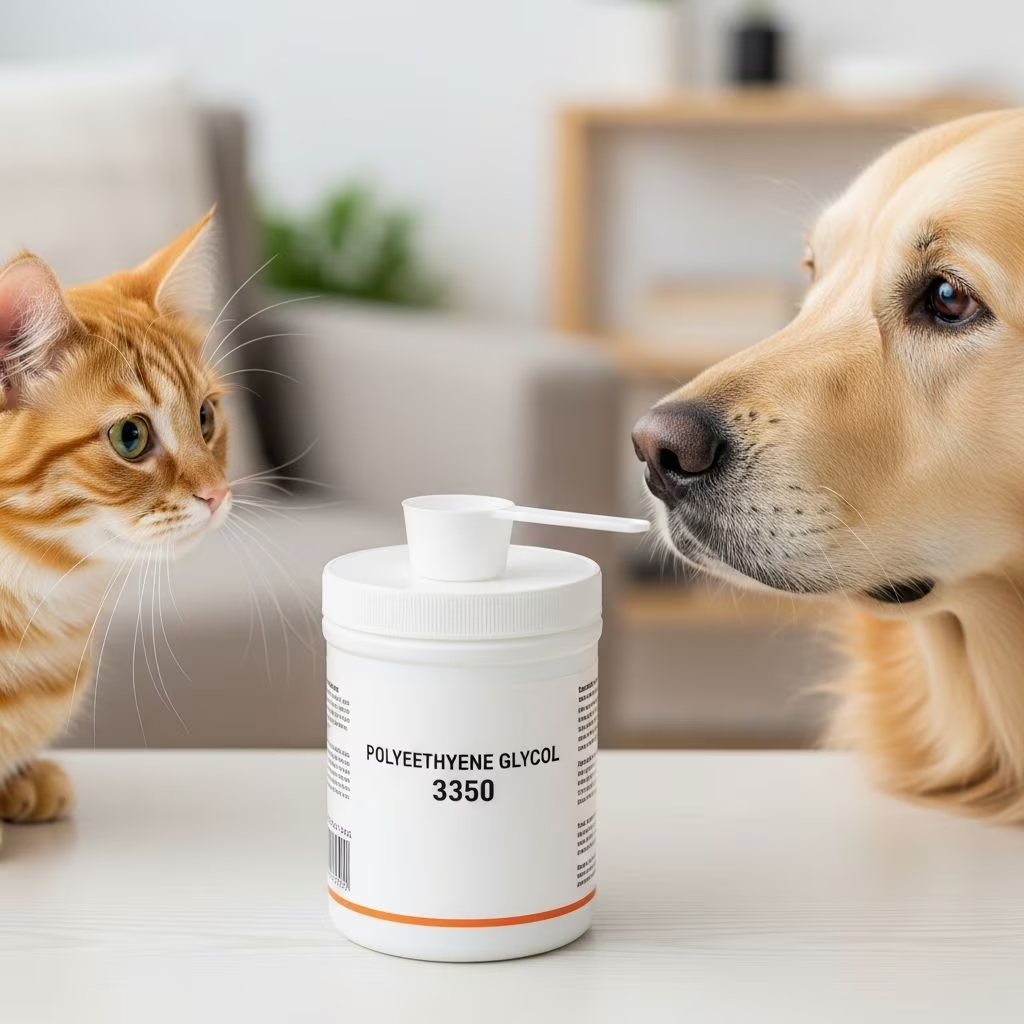
Polyethylene Glycol 3350 for Dogs and Cats
Polyethylene glycol 3350, commonly known by its brand name MiraLAX®, is a widely used osmotic laxative medication prescribed by veterinarians to address constipation in both dogs and cats. This medication has become an essential tool in veterinary medicine for managing gastrointestinal issues and preparing pets for diagnostic procedures. Understanding how this medication works, its proper usage, and potential side effects is crucial for pet owners seeking to help their constipated companions.
What is Polyethylene Glycol 3350?
Polyethylene glycol 3350 is a water-soluble polymer with a molecular weight of 3350 g/mol that functions as a bulking and softening agent for treating constipation. Unlike many other laxatives, polyethylene glycol 3350 is not metabolized by intestinal microbiota and is minimally absorbed by the intestines. Each molecule of this compound forms hydrogen bonds with approximately 100 molecules of water, creating significant osmotic pressures within the bowel lumen. This unique mechanism prevents the normal reabsorption of water from the stool, resulting in softer, easier-to-pass stools.
The medication is readily available in powder form, which can be conveniently added to a pet’s regular food. This accessibility and ease of administration have made it a popular choice among veterinarians for managing chronic constipation in pets. Unlike fiber-based laxatives, polyethylene glycol 3350 does not produce bloating or gas, making it a more comfortable option for many animals.
How Does Polyethylene Glycol 3350 Work?
The mechanism of action for polyethylene glycol 3350 is elegantly simple yet highly effective. As an osmotic laxative, it works by retaining water in the stool through osmotic pressure. When administered, the medication draws water into the intestinal lumen, which softens the stool and stimulates bowel movements. This process occurs naturally without requiring the medication to be absorbed into the bloodstream or metabolized by the body.
The osmotic effect prevents the reabsorption of water in the colon, ensuring that the stool remains hydrated and easier to pass. This mechanism makes polyethylene glycol 3350 particularly effective for pets with constipation caused by dehydration or low water intake. The medication’s gentle action helps restore normal bowel function without causing the cramping or urgency sometimes associated with other laxative types.
Uses of Polyethylene Glycol 3350 in Veterinary Medicine
Veterinarians prescribe polyethylene glycol 3350 for several important purposes in both dogs and cats:
Treatment of Constipation: The primary use of this medication is to stimulate bowel movements in animals experiencing constipation. This is particularly beneficial for senior pets, cats with chronic constipation issues, and animals recovering from surgery or illness.
Bowel Preparation: Before diagnostic procedures such as abdominal X-rays, ultrasounds, or colonoscopies, veterinarians may recommend polyethylene glycol 3350 to empty the large intestine. A clean bowel provides better visualization during diagnostic imaging and allows for more accurate diagnosis of gastrointestinal conditions.
Prevention of Impaction: In cases where pets are at risk for fecal impaction, this medication can be used preventatively to maintain regular bowel movements and prevent complications.
Available Forms and Formulations
Polyethylene glycol 3350 is available in multiple formulations to suit different clinical situations:
Powder Formulations: The most common form for veterinary use is the powder, which comes in pre-measured 17-gram packets or bulk containers. Common brand names include MiraLAX®, Dulcolax Balance®, and various generic products. These formulations typically contain polyethylene glycol 3350 without added electrolytes.
Solution with Electrolytes: Versions containing added electrolytes are also available, including products such as GoLYTELY®, CoLyte®, NuLytely®, and MoviPrep®. These electrolyte-containing solutions are primarily used in humans for colonoscopy preparation but may be used in veterinary medicine in specific situations.
The powder form is particularly convenient for pet owners because it can be easily mixed into food, making administration straightforward without requiring the pet to accept a liquid medication.
Dosage Guidelines for Dogs
Proper dosing is essential for achieving the desired therapeutic effect while minimizing the risk of adverse effects. Dosage for dogs varies based on body size:
Small Dogs (under 25 pounds): 1/8 to 1/4 teaspoon administered every 12 hours (twice daily)
Medium Dogs (25-50 pounds): 1/4 to 1/2 teaspoon administered every 12 hours (twice daily)
Large Dogs (over 50 pounds): 1/2 to 3/4 teaspoon administered every 12 hours (twice daily)
These dosages are general guidelines, and individual dogs may require adjustments based on their response to treatment. Veterinarians may start with a lower dose and gradually increase it if necessary. It is essential to follow your veterinarian’s specific recommendations, as they may adjust dosing based on your dog’s individual condition, concurrent medications, and overall health status.
Dosage Guidelines for Cats
Cats typically require lower doses than dogs due to their smaller body size. The standard dose of polyethylene glycol 3350 powder for cats is 1/8 to 1/4 teaspoon administered every 12 hours on food. However, research has shown that effective doses can vary widely among individual cats, making dose titration and individualized treatment important.
Cats consuming polyethylene glycol 3350 have been shown to achieve soft stools (grade I-III consistency) within the recommended dosing range, though some cats may require higher or lower doses depending on their response. Veterinarians typically start with the lower end of the dosage range and adjust upward as needed.
Precautions and Contraindications
While polyethylene glycol 3350 is generally safe when used appropriately under veterinary supervision, certain precautions must be observed to prevent complications.
Contraindicated Conditions: This medication should not be used in animals with:
– Gastrointestinal obstructions or bowel blockages
– Rectal bleeding or blood in the stool
– Bowel perforation or tears in the intestinal wall
– Toxic colitis or severe inflammatory bowel disease
– Known hypersensitivity or allergy to polyethylene glycol 3350
Special Populations: The medication is not approved for use in breeding, pregnant, nursing, or lactating dogs or cats, though many veterinarians consider it safe in these populations.
Important Distinction: Pet owners should be aware that straining that appears to indicate constipation may actually represent urinary obstruction or colitis, both of which require different treatment approaches. Always consult with a veterinarian before assuming constipation and administering treatment.
Potential Side Effects
Although polyethylene glycol 3350 is generally well-tolerated when prescribed by a veterinarian, some animals may experience side effects.
Common Side Effects: Mild side effects that may occur include lethargy, nausea, vomiting, and increased thirst. These effects are typically mild and may resolve as the pet’s body adjusts to the medication.
Long-term Use Considerations: With prolonged use, more significant complications can develop, including electrolyte imbalances such as hyperkalemia (elevated potassium levels) and hyponatremia (low sodium levels). Dehydration can also occur with extended use, particularly if water intake is insufficient.
Research in cats receiving polyethylene glycol 3350 for four weeks showed that while no significant clinical side effects occurred, mild, non-clinical hyperkalemia was noted, though the cause remains unknown. This finding emphasizes the importance of monitoring serum electrolyte levels and hydration status in animals receiving long-term polyethylene glycol 3350 treatment.
Drug Interactions
Polyethylene glycol 3350 may interact with certain other medications. Potential interactions include:
– Other laxatives and stool softeners, which may enhance the laxative effect excessively
– Medications that affect electrolyte balance
– Certain oral medications that may have reduced absorption due to increased intestinal transit time
It is crucial to inform your veterinarian of all medications, supplements, and treatments your pet is currently receiving before starting polyethylene glycol 3350. Your veterinarian can determine whether interactions are likely and adjust treatment accordingly.
Administration Instructions
Administering polyethylene glycol 3350 to your pet is straightforward:
Powder Form: Mix the prescribed amount of powder directly into your pet’s regular food. Most pets readily consume the medication when mixed with food, as it typically does not have a strong taste that would deter consumption. Ensure your pet consumes the entire meal to receive the full dose.
Alternative Administration: For animals that cannot be dosed orally through food, the medication can be administered as a solution via nasogastric tube under veterinary supervision.
Consistency of Administration: Administer the medication at the same times each day to establish a consistent routine and optimize bowel function.
Safety Profile
Polyethylene glycol 3350 is considered one of the safer laxative options available for veterinary use. The medication’s safety profile is attributed to several factors: it is not systemically absorbed to a significant degree, it is not metabolized by the body, it does not produce bloating or gas like fiber-based laxatives, and adverse effects are generally mild when used at appropriate doses.
Clinical research in cats demonstrated that polyethylene glycol 3350 is a safe and palatable oral laxative suitable for long-term use in healthy animals. The ease of administration, combined with its favorable safety profile, has made it an increasingly popular choice for managing chronic constipation in both dogs and cats.
Monitoring During Treatment
While receiving polyethylene glycol 3350, pet owners should monitor for:
– Changes in stool consistency and frequency
– Signs of dehydration, such as dry mouth or increased thirst
– Vomiting or gastrointestinal discomfort
– Changes in appetite or behavior
– Any signs of electrolyte imbalance
For long-term use, veterinarians typically recommend periodic blood work to monitor serum electrolyte levels and overall health status.
Frequently Asked Questions
Q: Is polyethylene glycol 3350 available over the counter?
A: Yes, polyethylene glycol 3350 is available without a prescription as an over-the-counter medication in both the United States and Canada. However, it should only be administered under the supervision and guidance of a veterinarian to ensure proper dosing and to rule out underlying conditions that may be causing constipation.
Q: How long does it take for polyethylene glycol 3350 to work?
A: Most pets show a response within 24 to 72 hours of starting treatment. However, individual response times can vary. If no improvement is seen within 48 hours, your veterinarian may recommend doubling the dose.
Q: Can polyethylene glycol 3350 be used long-term?
A: Yes, research has demonstrated that polyethylene glycol 3350 is safe for long-term use in both dogs and cats. It is particularly well-suited for chronic constipation management due to its ease of administration and favorable safety profile. However, serum electrolyte levels should be monitored periodically during long-term use.
Q: What should I do if my pet vomits after receiving the medication?
A: While vomiting can occur, it is typically mild and not directly related to the medication dose. If vomiting occurs, contact your veterinarian. Do not continue administration without veterinary guidance, as vomiting may indicate an underlying condition requiring investigation.
Q: Can I use the human MiraLAX product for my pet?
A: While human polyethylene glycol 3350 products contain the same active ingredient, veterinary supervision is essential to ensure proper dosing for your specific pet. Your veterinarian can recommend appropriate products and dosages for your animal.
References
- Polyethylene glycol 3350 (MiraLAX®) for Dogs and Cats — Pet Place. 2024. https://www.petplace.com/article/cats/drug-library/polyethylene-glycol-3350-miralax-for-dogs-and-cats
- Cathartic and Laxative Drugs Used in Monogastric Animals — Merck Veterinary Manual. 2024. https://www.merckvetmanual.com/pharmacology/systemic-pharmacotherapeutics-of-the-digestive-system/cathartic-and-laxative-drugs-used-in-monogastric-animals
- Safety and Palatability of Polyethylene Glycol 3350 as an Oral Laxative in Cats — National Center for Biotechnology Information (NIH). 2024. https://pmc.ncbi.nlm.nih.gov/articles/PMC10832764/
- Can Dogs Have MiraLAX? Safety & Dosage Guide for Pet Owners — PetsCare. 2024. https://www.petscare.com/news/faq/can-dogs-have-miralax
- AHFS Drug Information 2010: Polyethylene Glycol — American Society of Hospital Pharmacists. 2010. Bethesda, MD, USA: American Society of Health-System Pharmacists.



