

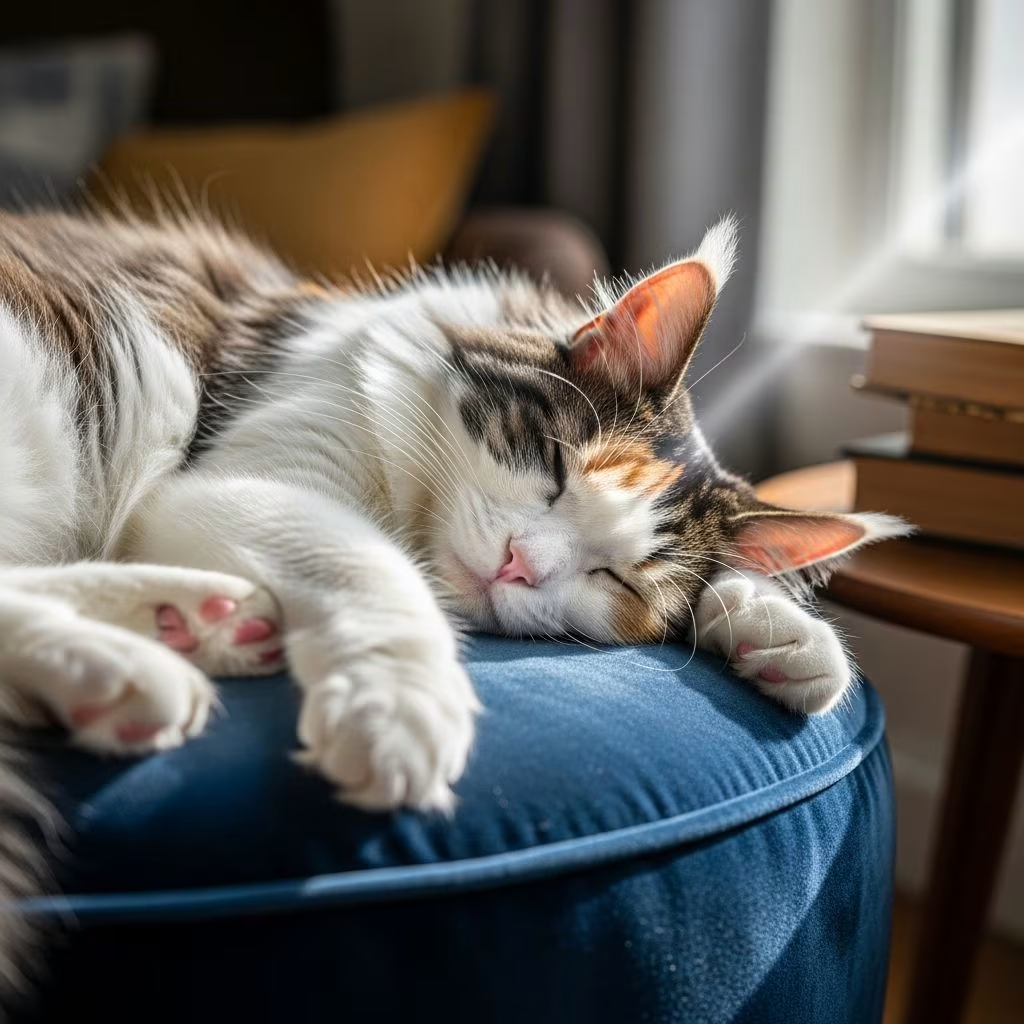
What Is Polydactylism?
The term “polydactyl” literally means “many digits,” and it describes a fascinating genetic condition in which cats are born with more than the normal number of toes. To understand just how unique this trait is, it helps to know that standard cats have a total of 18 toes—five on each front paw and four on each back paw. When a cat is polydactyl, it typically means they have one extra toe on each front foot, though occasionally there can be significantly more. While additional toes more commonly develop on the front paws, they can also affect the hind paws in some cases, and in rare situations, they may impact all four feet simultaneously.
Polydactylism, also called polydactyly, is a genetic mutation classified as “autosomal dominant.” This means the trait is passed down through families of cats, and even a single parent carrying the gene can pass it to their offspring. The condition causes cats to develop extra digits that are fully functional, including nerves, blood vessels, muscles, and ligaments. In general, polydactyl cats can have six to eight toes on each foot, creating an appearance that resembles a mitten or large paw. Due to this characteristic, polydactyl cats are affectionately nicknamed “mitten cats” by enthusiasts and veterinarians alike.
Types of Polydactyly
Polydactyly can manifest in different ways depending on where the extra digits develop on the paw:
– Preaxial Polydactyly: This type involves extra toes on the inside edge of the foot, resulting in an extra dewclaw that’s well-developed and resembles a thumb. Cats with this form typically have notably wide paws.- Mesoaxial Polydactyly: These cats develop an extra toe in the middle of the foot that can look like a regular toe or be a shorter digit that keeps the nail from extending fully to the outer edge with the others.- Postaxial Polydactyly: This less common form involves extra digits on the outer edge of the paw.
Record-Breaking Polydactyl Cats
The most famous polydactyl cat on record is Paws, a feline residing in Minnesota who holds the Guinness World Record for the most toes on a cat—an astounding 28 toes! Paws achieved this remarkable distinction with three extra digits on each forepaw and one extra on each back paw. Another renowned record holder, Jake, a Canadian polydactyl cat, also shares recognition for having an exceptional number of toes. These extraordinary felines demonstrate just how variable polydactyly can be, with some cats developing substantially more extra digits than others.
Genetics and Inheritance of Polydactyly
Understanding the genetics behind polydactyl cats reveals why this trait persists and spreads through feline populations. Polydactylism is an autosomal dominant trait, meaning that only one parent needs to carry the gene for some offspring to inherit the condition. However, the genetic basis of polydactylism is complex, featuring incomplete penetrance and variable expression. This complexity explains why some polydactyl cats have only one additional toe while others, like the record holders, develop numerous extra digits.
When a polydactyl cat mates with a non-polydactyl cat, each kitten they produce has a 50 percent chance of being polydactyl. If both parent cats are polydactyl, the likelihood of their offspring being polydactyl increases substantially. The precise reason why certain polydactyl cats develop only one additional toe while others develop many remains not fully understood, but researchers believe it relates to how the genetic mutation expresses itself in individual cats.
Geographic Distribution
Polydactyl cats are most commonly found along the East Coast of North America, particularly in the United States and Canada, as well as in South West England and Wales. This geographic distribution reflects the historical presence of the polydactyl gene in cat populations in these regions, likely spread through breeding and migration patterns over many generations.
Breeds Most Prone to Polydactyly
While polydactyly can occur in any cat, certain breeds show a notably higher predisposition to this trait:
– Maine Coons: These extra-large and extra-fluffy cats are one of the oldest natural breeds in North America and have a relatively high rate of polydactylism compared to the general cat population. Their size and hunting heritage may have made the extra toes advantageous in their ancestral Maine environment.- Pixie Bobs: According to legend, these cats descended partly from bobcats and tend to have an exotic appearance. They frequently display polydactyl traits and are often intentionally bred to maintain this characteristic.
Advantages of Polydactyl Cats
Beyond their distinctive and adorable appearance—looking like they’re perpetually wearing oversized mittens or sporting impressively wide paws—polydactyl cats actually enjoy several practical benefits from their extra digits.
Enhanced Hunting Abilities
People who have observed polydactyl cats in action have witnessed them act as world-champion hunters. The extra-large front paws may make it easier for them to catch and capture bugs, lizards, mice, and other prey. The additional surface area and grip provided by the extra toes can give these felines a distinct advantage when hunting, particularly when pursuing small, quick-moving targets.
Improved Balance
Owners and veterinarians have long noted that polydactyl cats tend to have a better sense of balance compared to standard cats. This enhanced equilibrium likely stems from the additional toes providing more contact points with the ground and improved weight distribution. The extra digits may also enhance their climbing abilities, making them more agile and confident navigators of vertical spaces.
Prevalence and Rarity
Polydactyl cats are not considered rare in the general feline population. The autosomal dominant nature of the trait means that polydactyl cats can readily pass the gene to their offspring, and the condition perpetuates itself through breeding. However, while polydactyl cats with one or two extra toes are relatively common, particularly in regions where the gene is prevalent, cats with many extra toes like Jake and Paws are considered more unusual and noteworthy.
The most common manifestation of polydactylism in cats is one or two extra toes on the front paws, giving them a thumb-like appearance or the characteristic mitten look. This form of polydactyly is far more widespread than more extreme cases, where cats develop significantly larger numbers of additional digits across multiple paws.
Potential Health Considerations
While polydactyly itself is generally not a harmful condition and many polydactyl cats live perfectly normal, healthy lives, there is one related condition that can cause complications. Feline radial hypoplasia is a condition that can mimic polydactyly but may lead to limb deformities in which the bones do not grow properly. Pet owners and breeders should be aware of this distinction, as cats with radial hypoplasia may experience mobility issues that differ from those associated with straightforward polydactyly.
In most cases, polydactyl cats require no special medical care beyond standard feline healthcare. Their extra toes do not typically cause pain, infection, or other complications when they are healthy and functioning normally. Regular nail trimming may be slightly more involved due to the increased number of digits, and owners should ensure all nails, including those on any extra toes, are kept appropriately trimmed.
Care Tips for Polydactyl Cats
Caring for a polydactyl cat involves some minor adjustments compared to caring for standard cats:
– Nail Maintenance: With more toes to manage, regular nail trimming becomes particularly important. Ensure all digits, including extra ones, are kept at appropriate lengths to prevent discomfort or accidental injury.- Paw Inspection: Periodically inspect all paws and digits for any signs of injury, infection, or abnormal growth. Extra toes may occasionally develop ingrown nails if not properly maintained.- Play and Exercise: Take advantage of your polydactyl cat’s enhanced hunting and climbing abilities by providing appropriate toys and climbing structures that allow them to use their natural talents.- Litter Box Comfort: Ensure your litter box is clean and comfortable. Some polydactyl cats with very wide paws may benefit from larger litter boxes to accommodate their unique paw structure.
Frequently Asked Questions About Polydactyl Cats
Q: How many extra toes can a polydactyl cat have?
A: While most polydactyl cats have only one or two extra toes, some can have significantly more. The world record holder, Paws, has 10 extra toes, bringing their total to 28 toes. Polydactyl cats can have anywhere from four to seven toes per paw on average.
Q: Are polydactyl cats more expensive than regular cats?
A: Not necessarily. While some breeders of specific polydactyl breeds like Pixie Bobs may charge premium prices, many polydactyl cats, particularly those adopted from shelters or rescues, cost the same as any other cat. The price depends more on the breed and source than the polydactyly trait itself.
Q: Can polydactyly be harmful to cats?
A: Polydactyly itself is typically not harmful. Most polydactyl cats live normal, healthy lives. However, if a polydactyl cat also has feline radial hypoplasia, a separate condition affecting bone development, this could lead to limb deformities and mobility issues. Standard polydactyly without this additional condition is not problematic.
Q: Is polydactyly more common in male or female cats?
A: Polydactyly occurs in both male and female cats at similar rates. The trait is autosomal dominant, meaning it’s not sex-linked, so it affects both sexes equally.
Q: What’s the difference between polydactyly and feline radial hypoplasia?
A: While polydactyly is a genetic condition that results in extra digits and is generally benign, feline radial hypoplasia is a condition where the bones don’t grow properly, potentially causing limb deformities and mobility problems. A cat could have polydactyly, radial hypoplasia, or both conditions.
Q: Can I breed polydactyl cats intentionally?
A: Yes, because polydactyly is an autosomal dominant trait, breeding two polydactyl cats or a polydactyl cat with a non-polydactyl cat can produce polydactyl offspring. However, breeders should also screen for associated conditions like radial hypoplasia to ensure the health and welfare of the kittens.
The Charm and Appeal of Polydactyl Cats
Polydactyl cats have captured the hearts and imagination of cat lovers worldwide. Their distinctive appearance, enhanced abilities, and the fascinating genetics behind their extra toes make them truly special companions. Whether they’re displaying their superior hunting prowess, climbing with exceptional balance, or simply charming their owners with their adorable mitten paws, polydactyl cats exemplify the remarkable diversity found within the feline world. For those fortunate enough to share their homes with these unique cats, the experience is often filled with wonder and appreciation for nature’s delightful variations.
References
- Polydactyl cat — Wikipedia. Accessed 2025-11-28. https://en.wikipedia.org/wiki/Polydactyl_cat
- Polydactyl Cats: Fascinating Facts About Cats With Extra Toes — Chewy. Accessed 2025-11-28. https://www.chewy.com/education/cat/health-and-wellness/polydactyl-cats
- Polydactyl Cats: What To Know About Cats With ‘Thumbs’ — PetMD. Accessed 2025-11-28. https://www.petmd.com/cat/general-health/polydactyl-cats
- 4 Facts About Polydactyl Cats aka Thumb Cats — Raleigh Cats. Accessed 2025-11-28. https://raleighncvet.com/cat-care/4-facts-about-polydactyl-cats-aka-thumb-cats/



