

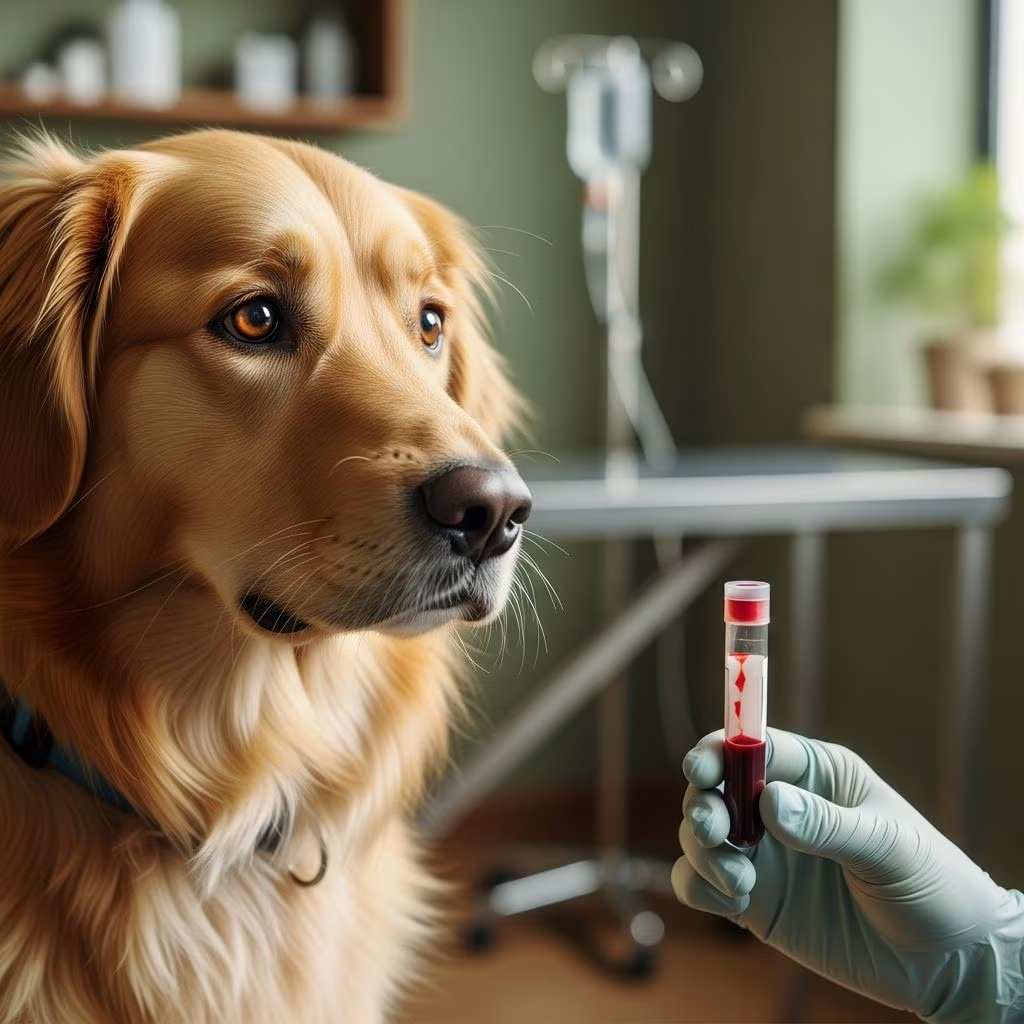
Understanding Polycythemia Vera in Dogs
Polycythemia vera, also known as primary erythrocytosis, is a serious myeloproliferative disorder that results in the production of too many red blood cells in a dog’s body. This condition causes the blood to become abnormally thick and viscous, making it difficult for the circulatory system to function properly. When red blood cells exceed normal levels, oxygen delivery to tissues becomes compromised, and various complications can develop throughout the body. Unlike relative polycythemia, which occurs due to dehydration or other secondary causes, polycythemia vera is a primary bone marrow disorder where the body autonomously produces excess red blood cells regardless of oxygen levels.
What Causes Polycythemia Vera in Dogs?
Polycythemia vera in dogs stems from abnormal bone marrow function, where the bone marrow produces an excessive number of red blood cells without appropriate physiological signals to do so. This is distinct from secondary or relative polycythemia, which develops in response to specific triggers such as dehydration, heart disease, lung problems, or tumors that produce erythropoietin (EPO). In primary polycythemia vera, the bone marrow dysfunction appears to be intrinsic, meaning the problem originates within the bone marrow itself rather than from an external stimulus.
Certain dog breeds may have a genetic predisposition to developing polycythemia vera, with some hereditary forms linked to JAK2 mutations. Understanding the underlying cause is crucial for veterinarians to develop an appropriate treatment plan, as the approach differs significantly between primary and secondary forms of the disease.
Recognizing the Symptoms of Polycythemia Vera
Dogs with polycythemia vera typically display clinical signs when the packed cell volume (PCV) exceeds 60-65%. The thickened blood causes systemic complications that affect multiple organ systems:
Common Clinical Signs Include
Neurological symptoms: Affected dogs frequently exhibit weakness, lethargy, and exercise intolerance. Some may experience more serious neurological manifestations such as seizures, tremors, difficulty walking (ataxia), lack of coordination, behavior changes, confusion, and even blindness in severe cases.
Bleeding problems: Dogs may display spontaneous bleeding episodes including nosebleeds, bloody vomit, blood in stool, or black tarry stools (melena). These bleeding issues occur due to increased blood viscosity affecting clotting mechanisms.
Cardiovascular and respiratory signs: Dogs may present with difficulty breathing, respiratory distress, or signs resembling heart or lung disease. The thick blood strains the cardiovascular system and reduces oxygen delivery efficiency.
Physical changes: Mucous membranes, including gums, may appear unusually red or bluish due to abnormal blood flow and oxygen saturation issues. Some owners notice swelling or redness in the face, lips, or ears.
Urinary and drinking changes: Polydipsia (increased drinking) and polyuria (increased urination) are common findings in affected dogs as the kidneys attempt to manage the blood viscosity changes.
Behavioral changes: Dogs may exhibit depression, confusion, or circling behaviors indicating neurological involvement.
How is Polycythemia Vera Diagnosed?
Accurate diagnosis requires a comprehensive veterinary evaluation combining blood work, physical examination, and potentially additional imaging studies.
Diagnostic Steps
Complete blood count (CBC): The initial diagnostic tool involves measuring the packed cell volume (PCV), hemoglobin levels, and red blood cell count. A PCV greater than 60% warrants investigation for polycythemia. In polycythemia vera, the PCV is significantly elevated along with increased hemoglobin and red blood cell numbers.
Erythropoietin (EPO) testing: Veterinarians measure serum EPO levels to differentiate between primary and secondary polycythemia. In polycythemia vera, EPO levels are typically normal or low despite elevated red blood cells, whereas secondary forms usually show elevated EPO levels. This distinction is crucial for determining the underlying cause.
Bone marrow examination: In some cases, bone marrow biopsy or aspiration may be performed to assess erythroid precursor cell activity and confirm primary erythrocytosis.
Imaging studies: Veterinarians may recommend abdominal ultrasound or chest X-rays to rule out underlying tumors or cardiopulmonary disease that could trigger secondary polycythemia.
Additional tests: Serum chemistry panels help evaluate kidney and liver function, as these organs influence red blood cell production. Urinalysis may reveal concentrating ability issues.
Treatment Approaches for Polycythemia Vera
Treatment strategies for polycythemia vera are multifaceted, addressing both immediate symptoms and long-term management of the condition. The goal is to reduce blood viscosity, improve circulation, and prevent serious complications such as blood clots and stroke.
Immediate Management Strategies
Phlebotomy (blood removal): Phlebotomy remains the cornerstone of acute polycythemia vera management. This procedure involves removing 10-20 mL of blood per kilogram of body weight and simultaneously replacing it with intravenous fluids. The procedure temporarily reduces PCV to approximately 50-60% for primary polycythemia and 60-70% for secondary forms. Dogs typically require hospitalization for several hours, and multiple phlebotomies over consecutive days may be necessary to achieve target PCV levels. Veterinarians must exercise caution in secondary polycythemia cases where the excess red blood cells may be compensating for underlying conditions like heart disease.
Fluid therapy: Intravenous fluid administration helps rehydrate the blood and reduce viscosity. For relative polycythemia caused by dehydration, IV fluids alone may normalize red blood cell levels. Simultaneous fluid replacement during phlebotomy dilutes remaining blood components and alleviates dehydration stress.
Long-Term Management Medications
Hydroxyurea: When phlebotomy alone fails to maintain adequate blood cell levels or repeated procedures become impractical, hydroxyurea is prescribed. This chemotherapeutic agent suppresses bone marrow production of red blood cells by targeting myeloproliferative activity. The typical dosing protocol begins at 30 mg/kg daily for 7-10 days, then reduces to 15 mg/kg daily, titrated to the lowest effective dose and frequency. Long-term maintenance often requires doses of 15 mg/kg every 48 hours. Dogs receiving hydroxyurea require regular blood work monitoring to assess red blood cell, white blood cell, and platelet counts, as bone marrow suppression is a significant side effect.
Chlorambucil: An alternative chemotherapy drug that works similarly to hydroxyurea, chlorambucil can be adjusted to find the lowest effective maintenance dose. This medication offers flexibility for dogs that don’t tolerate hydroxyurea well.
Radioactive phosphorous: In select cases, radioactive phosphorous therapy may be employed to selectively destroy bone marrow cells producing excess red blood cells.
Supportive Care Measures
Activity restriction: Dogs undergoing treatment should avoid strenuous exercise and maintain quiet activities to reduce metabolic demands and prevent complications like thrombosis.
Iron supplementation: Dogs with primary polycythemia vera may require iron supplements if serum iron levels are depleted.
Oxygen therapy: Supplemental oxygen may be indicated for dogs with respiratory compromise or severe clinical signs.
Symptom management: Additional treatments may address specific complications, such as medications for seizures, eye problems, or clotting disorders as they arise.
Medication Side Effects and Monitoring
Dogs receiving long-term hydroxyurea or chlorambucil therapy require vigilant monitoring for adverse effects. Common side effects include gastrointestinal upset, skin lesions, toenail loss, bone marrow suppression leading to low white blood cell or platelet counts, and hair thinning. Bone marrow suppression represents the most serious concern, potentially resulting in anemia, immunosuppression, or bleeding disorders.
Veterinarians typically recommend complete blood counts every 2-4 weeks initially, then monthly or every 2-3 months once stable, depending on medication dosing. This frequent monitoring allows adjustment of medication doses to maintain therapeutic effect while minimizing side effects. Pet owners should watch for signs of infection, unusual bleeding, skin problems, or gastrointestinal issues and report these immediately to their veterinarian.
Prognosis and Long-Term Outcomes
With appropriate treatment and monitoring, many dogs with polycythemia vera can be managed successfully for extended periods. Dogs requiring long-term hydroxyurea maintenance typically survive 12-36 months from diagnosis, though individual outcomes vary considerably based on disease severity, underlying health status, and treatment compliance. Some dogs may be gradually weaned off medications over time, but the majority require lifelong therapy to maintain red blood cell control. Early detection and prompt treatment significantly improve prognosis, as does regular veterinary monitoring to assess disease progression and medication efficacy.
Serious complications such as thrombosis (blood clots) can occur suddenly, potentially resulting in acute lameness, cold limbs, respiratory distress, or sudden death. These emergencies require immediate veterinary attention. In advanced cases with severe symptoms or poor response to treatment, humane euthanasia may become a consideration to prevent suffering.
Managing Your Dog’s Condition at Home
Pet owners play a crucial role in managing polycythemia vera through careful observation and medication administration. Consistent medication dosing on schedule is essential for maintaining blood cell control. Owners should monitor their dogs for signs of bleeding, infection, behavioral changes, weakness, or respiratory difficulty and report these promptly to their veterinarian. Maintaining a calm home environment with restricted exercise helps prevent complications. Adequate hydration should be encouraged, and any dietary changes should be discussed with the veterinary team. Keeping all scheduled veterinary appointments for blood work and physical examinations is vital for adjusting treatment as needed.
Frequently Asked Questions About Polycythemia Vera
Q: What is the difference between polycythemia vera and secondary polycythemia?
A: Polycythemia vera is a primary bone marrow disorder causing autonomous overproduction of red blood cells, while secondary polycythemia results from underlying conditions like dehydration, heart disease, lung problems, or tumors that trigger the body to produce extra red blood cells as a compensatory response.
Q: How often does my dog need phlebotomy treatments?
A: The frequency varies based on disease severity and response to treatment. Initially, dogs may require phlebotomies every few days, but with long-term medication management, the need decreases. Some dogs eventually require only occasional procedures.
Q: Can polycythemia vera be cured?
A: Polycythemia vera cannot be cured, but it can be effectively managed with appropriate treatment to maintain red blood cell levels and control clinical signs, allowing dogs to maintain good quality of life for extended periods.
Q: What should I watch for at home?
A: Monitor for bleeding episodes, weakness, lethargy, difficulty breathing, seizures, behavior changes, signs of infection, and any unusual symptoms. Report these promptly to your veterinarian.
Q: How much does treatment for polycythemia vera cost?
A: Costs vary based on initial diagnostics, frequency of phlebotomy procedures, and long-term medication needs. Discuss treatment options and associated costs with your veterinarian to develop an affordable management plan.
Q: Is polycythemia vera hereditary in dogs?
A: Some forms of polycythemia vera have genetic components, with certain breeds showing predisposition. However, not all cases are hereditary, and the exact inheritance pattern is still being researched in veterinary medicine.
References
- Polycythemia In Dogs: Causes, Symptoms, And Treatments — Kingsdale Animal Hospital. 2025. https://www.kingsdale.com/polycythemia-in-dogs-causes-symptoms-and-treatments
- Polycythemia in Dogs — PetMD. 2025. https://www.petmd.com/dog/conditions/cardiovascular/polycythemia-dogs
- Erythrocytosis (Polycythemia) in Animals – Circulatory System — Merck Veterinary Manual. 2025. https://www.merckvetmanual.com/circulatory-system/erythrocytosis-polycythemia/erythrocytosis-polycythemia-in-animals
- Diagnosis and Treatment of Primary Erythrocytosis in a Dog — PubMed/National Center for Biotechnology Information. 2015. https://pubmed.ncbi.nlm.nih.gov/26359727/
- Polycythemia in Dogs – Symptoms, Causes, Diagnosis, Treatment — Wag Walking. 2025. https://wagwalking.com/condition/polycythemia
- Canine Polycythemia Vera – JAK2 Mutation — NC State Veterinary Hospital, College of Veterinary Medicine. 2025. https://hospital.cvm.ncsu.edu/services/small-animals/genetics/jak2-polycythemia-vera-mutation/



