

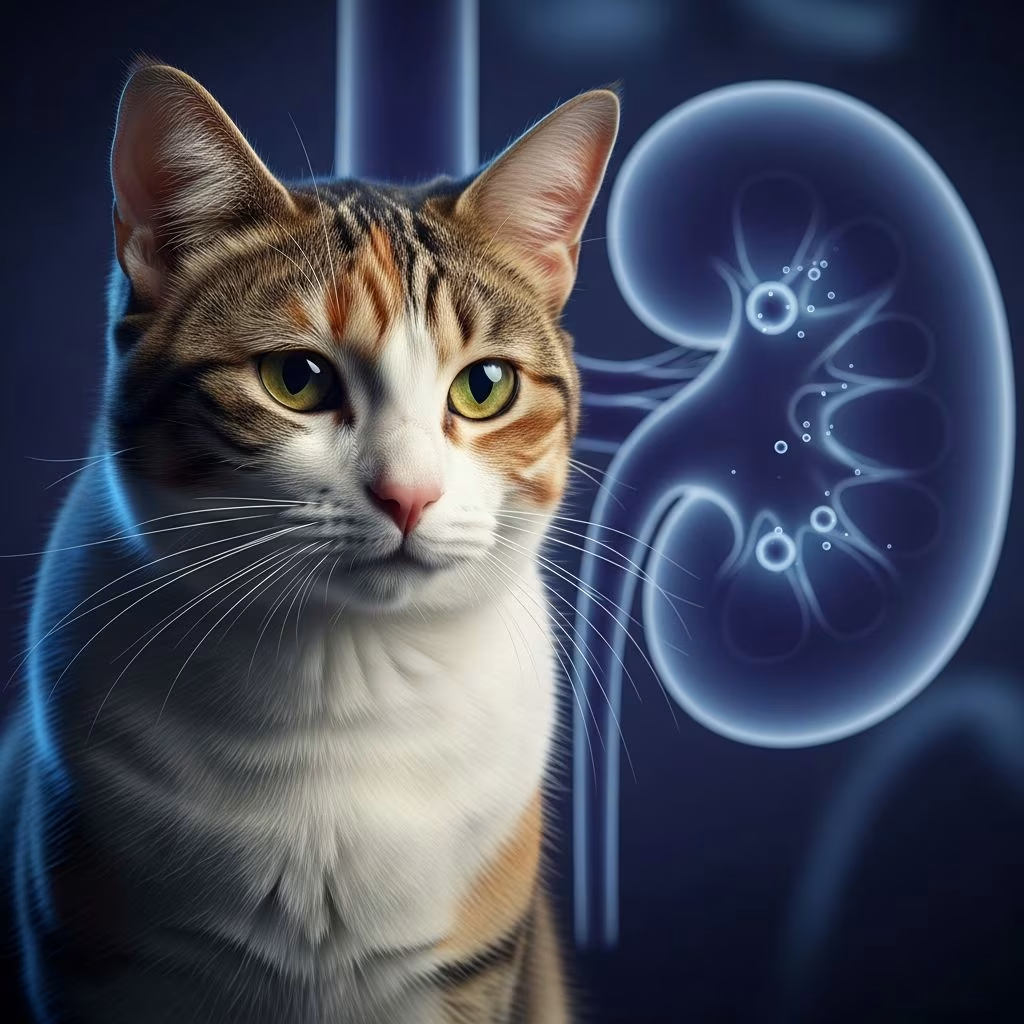
Polycystic kidney disease (PKD) is a hereditary condition primarily affecting certain cat breeds, where multiple cysts develop in the kidneys, potentially leading to kidney dysfunction over time. This progressive disease can remain asymptomatic for years but requires early detection for optimal management.
What Is Polycystic Kidney Disease in Cats?
Polycystic kidney disease involves the formation of fluid-filled cysts within the kidney tissue, which enlarge and impair normal kidney function. In cats, PKD is genetically inherited as an autosomal dominant trait, meaning a single copy of the mutated gene from either parent can cause the disease. Breeds like Persians, Exotic Shorthairs, and British Shorthairs are predisposed, with up to 30-50% of Persians affected. These cysts start small but grow, compressing functional kidney tissue and leading to chronic kidney disease (CKD) in advanced cases.
The kidneys’ role in filtering waste, regulating fluids, and producing hormones makes PKD particularly detrimental. Early cysts may not cause issues, but as they proliferate, they trigger symptoms akin to CKD, such as azotemia (buildup of waste in blood). Unlike acute kidney injury, PKD progresses slowly, often undetected until middle age or later.
Symptoms of Polycystic Kidney Disease in Cats
Many cats with PKD show no symptoms in early stages (Stage I or II), as the kidneys compensate effectively. Clinical signs emerge as cysts enlarge and kidney function declines, typically mirroring CKD symptoms.
- Increased thirst (polydipsia) and urination (polyuria): The earliest noticeable sign, as kidneys lose concentrating ability, leading to dilute urine and more frequent litter box visits.
- Weight loss and decreased appetite: Due to nausea from toxin buildup and metabolic changes.
- Lethargy and weakness: Cats become less active, sleep more, and may hide.
- Vomiting: Often recurrent, sometimes with blood in advanced stages.
- Bad breath (ammonia odor): From uremic toxins accumulating in the blood.
- Poor coat condition: Dull, greasy fur from inadequate grooming and dehydration.
- Mouth ulcers and pale gums: Indicating anemia or uremia.
- Hypertension-related issues: Sudden blindness from retinal detachment or neurological signs.
In end-stage disease (Stage IV), cats may experience seizures, severe dehydration, edema, and crisis requiring hospitalization. Symptoms vary by disease stage and individual factors like concurrent conditions (e.g., hyperthyroidism).
Causes of Polycystic Kidney Disease in Cats
PKD is primarily genetic, linked to a mutation in the PKD1 gene on chromosome D2, causing abnormal kidney tubule development and cyst formation. It’s autosomal dominant, so affected cats have a 50% chance of passing it to offspring.
Environmental factors don’t cause PKD but can accelerate progression, such as dehydration, infections, or toxins exacerbating kidney stress. Unlike other CKD causes (e.g., infections, trauma), PKD cysts form prenatally, detectable by ultrasound in kittens as young as 8 weeks. Breed predisposition is key: Persians have the highest incidence, followed by related breeds; random-bred cats rarely develop it.
Diagnosis of Polycystic Kidney Disease in Cats
Veterinarians diagnose PKD through a combination of history, clinical signs, lab tests, and imaging. Routine senior wellness exams often catch it early via bloodwork showing mild elevations.
Blood tests: Measure blood urea nitrogen (BUN), creatinine, and symmetric dimethylarginine (SDMA) for early azotemia detection. SDMA rises before traditional markers in Stage I/II.
Urinalysis: Assesses urine specific gravity (USG; low in PKD indicates poor concentration), protein loss, and infections.
Imaging: Renal ultrasound is gold standard for PKD, visualizing cysts (even tiny ones in kittens). X-rays may show enlarged kidneys.
Staging: Uses International Renal Interest Society (IRIS) guidelines:
| Stage | Key Features | Clinical Signs |
|---|---|---|
| Stage I | Mild changes, no azotemia | None or subtle |
| Stage II | Mild azotemia, USG >1.035 | PU/PD possible |
| Stage III | Moderate azotemia | Appetite loss, vomiting |
| Stage IV | Severe azotemia | Crisis signs, uremia |
Blood pressure measurement and screening for comorbidities complete the workup. Genetic testing (buccal swab) confirms PKD1 mutation in breeding cats.
Treatment for Polycystic Kidney Disease in Cats
No cure exists for PKD; treatment focuses on slowing progression, managing symptoms, and improving quality of life. Early intervention in Stages I-II yields best outcomes.
- Dietary management: Prescription renal diets low in phosphorus, high-quality protein to reduce kidney workload. Wet food preferred for hydration.
- Fluid therapy: Subcutaneous fluids at home (100-150ml daily) combat dehydration.
- Medications: ACE inhibitors (e.g., benazepril) for hypertension; anti-nausea drugs (maropitant); phosphate binders; potassium supplements if low.
- Hypertension control: Amlodipine to prevent organ damage.
- Treat secondary issues: Antibiotics for infections, erythropoietin for anemia.
Advanced cases may need hospitalization for IV fluids and supportive care. Regular monitoring (q3-6 months) adjusts therapy.
Prognosis for Cats with Polycystic Kidney Disease
Prognosis depends on detection stage: Stage I/II cats can live years with management (median survival 2-5 years post-diagnosis); Stage IV often months. Early ultrasound screening in at-risk breeds improves outcomes dramatically. Complications like uremic crisis shorten life, but palliative care maintains comfort. Breeding affected cats worsens prevalence; genetic screening is recommended.
Prevention of Polycystic Kidney Disease in Cats
Prevent by breeding only PKD-negative cats via genetic testing or ultrasound screening of kittens. Avoid breeding Persians/Exotics without clearance. For owned cats, annual checkups with bloodwork/ultrasound for high-risk breeds enable early intervention. General kidney health: fresh water access, quality diet, toxin avoidance.
Frequently Asked Questions (FAQs)
What breeds are most at risk for PKD?
Persians, Exotic Shorthairs, British Shorthairs, and related hybrids; incidence up to 50% in Persians.
Can PKD be cured?
No, but early management slows progression and extends life significantly.
How is PKD different from regular kidney failure?
PKD is genetic with cysts; other CKD from infections/aging lacks cysts but similar late symptoms.
When should I test my cat for PKD?
Ultrasound at 8-10 weeks for breeding stock; seniors annually if predisposed.
Can diet alone manage PKD?
Diet helps but combine with fluids/meds for comprehensive care.
References
- Kidney Disease in Cats: Signs, Causes, and Treatment — PetMD. 2023. https://www.petmd.com/cat/conditions/urinary/kidney-disease-cats
- Kidney Failure in Cats: Symptoms, Stages and Causes — PetMD. 2023. https://www.petmd.com/cat/conditions/urinary/kidney-failure-in-cats
- A Guide to Kidney Disease In Cats — GoodRx. 2024. https://www.goodrx.com/pet-health/cat/kidney-disease-in-cats-symptoms-treatment
- Chronic Kidney Disease: Living with Your Pet and the Diagnosis — Michigan State University College of Veterinary Medicine. 2023. https://cvm.msu.edu/vdl/client-education/guides-for-pet-owners/chronic-kidney-disease-living-with-your-pet-and-the-diagnosis
- Chronic kidney disease (CKD) in cats — PDSA. 2024. https://www.pdsa.org.uk/pet-help-and-advice/pet-health-hub/conditions/chronic-kidney-disease-in-cats
- Cat Kidney (Renal) Failure Symptoms and Causes — WebMD. 2023. https://www.webmd.com/pets/cats/kidney-failure-uremia-symptoms-cats
- Chronic Kidney Disease — Cornell University College of Veterinary Medicine. 2024. https://www.vet.cornell.edu/departments-centers-and-institutes/cornell-feline-health-center/health-information/feline-health-topics/chronic-kidney-disease



