

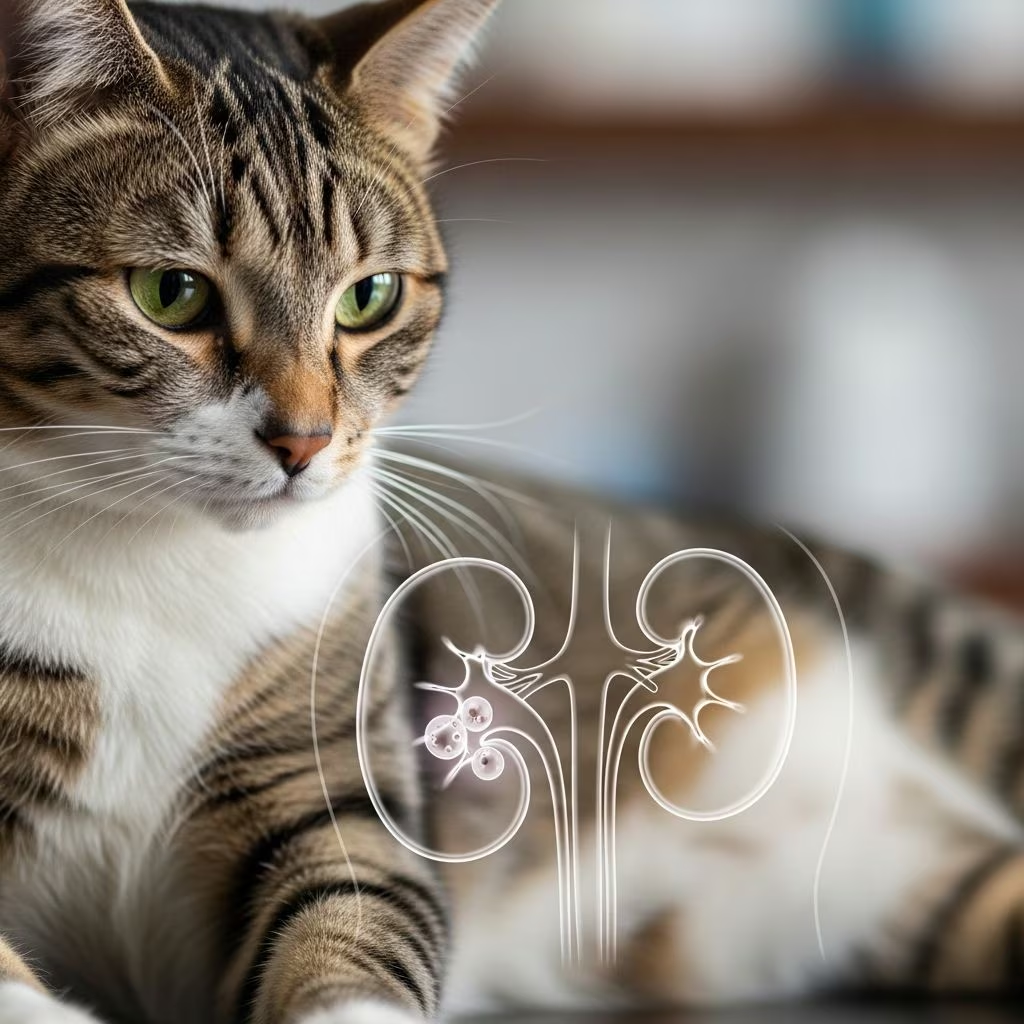
Understanding Polycystic Kidney Disease in Cats
Polycystic kidney disease (PKD) is a hereditary condition that affects thousands of cats worldwide, particularly Persian cats and related breeds. This genetic disorder is characterized by the development of multiple fluid-filled cysts within the kidney tissue, which gradually enlarge and impair kidney function over time. Despite being one of the most common inherited diseases in domestic cats, PKD remains a serious health concern that requires careful management and monitoring throughout an affected cat’s lifetime.
The disease progresses slowly in most cases, and many affected cats may not show clinical signs until they reach middle age or later in life. However, the condition can be identified much earlier through genetic testing or ultrasound imaging, allowing cat owners and veterinarians to implement preventive management strategies.
What Causes Polycystic Kidney Disease?
Polycystic kidney disease is an autosomal dominant genetic condition, meaning an affected cat needs to inherit only one copy of the mutated gene from either parent to develop the disease. The condition results from an autosomal dominant point mutation in the PKD1 gene, which controls kidney cell structure and function. Cats that inherit this gene mutation will inevitably develop PKD, though the age of onset and severity can vary.
Persian cats have the highest incidence of PKD, with some studies suggesting that up to 40% of Persian cats may be affected or carriers of the gene. Other breeds with increased susceptibility include Exotic Shorthairs, British Shorthairs, and other longhaired breeds. The widespread presence of this mutation in certain breeding lines has made genetic screening an important consideration for breeders and prospective cat owners.
Because PKD is inherited, affected cats should not be used for breeding purposes. DNA testing of breeding cats can help eliminate the disease from future generations by identifying carriers before they reproduce.
Clinical Signs and Symptoms of PKD
Although cats are born with PKD if they inherit the gene mutation, symptoms typically do not appear until middle age, often around 7 years old, though this can vary significantly. When clinical signs do develop, they often resemble those of chronic kidney disease and may include:
- Increased thirst and excessive urination (polydipsia and polyuria)
- Decreased appetite and reduced food intake
- Weight loss and poor body condition
- Lethargy and decreased activity levels
- Nausea and vomiting
- Abdominal discomfort or pain
- Poor coat quality and matted fur
- General dehydration and pale mucous membranes
In advanced stages, affected cats may also develop hypertension (high blood pressure) and proteinuria (excessive protein in the urine). Abdominal pain may occur if the kidneys become significantly enlarged or if cysts become infected. Some cats may also present with a slight heart murmur during routine physical examinations.
It’s important to note that PKD itself is generally not considered a painful condition in its early stages, though cats that progress to severe end-stage disease may experience discomfort. Any changes in your cat’s urination patterns, appetite, or behavior should be evaluated by a veterinarian promptly.
Diagnosis of Polycystic Kidney Disease
Several diagnostic methods can identify polycystic kidney disease in cats, each with specific advantages and limitations.
Genetic Testing
DNA testing can identify the PKD1 gene mutation, allowing for early detection in kittens as young as 8 weeks old. This test is particularly valuable for breeders and owners of high-risk breeds who want to know their cat’s genetic status before clinical symptoms develop. Genetic testing provides definitive identification of affected and carrier cats.
Ultrasound Imaging
Abdominal ultrasound is the most reliable method for detecting kidney cysts and remains the gold standard for diagnosing PKD in symptomatic cats. Ultrasound can detect kidney cysts by 6-8 months of age in affected cats. Unlike radiographs (X-rays), ultrasound provides detailed images of kidney tissue and can visualize the characteristic multiple cysts associated with PKD. This imaging technique also allows veterinarians to assess kidney size, shape, and overall function.
Laboratory Testing
Biochemical blood work and urinalysis provide valuable information about kidney function and can help stage the disease progression. These tests typically assess:
- Blood urea nitrogen (BUN) and creatinine levels
- Phosphorus and potassium concentrations
- Protein in the urine
- Electrolyte balance
- Red blood cell counts to detect anemia
Physical Examination
During a physical examination, veterinarians may detect enlarged kidneys with irregular contours through careful palpation of the abdomen, though this finding alone is not diagnostic as other conditions can cause similar changes.
Treatment and Management Approaches
While polycystic kidney disease currently has no cure, early detection enables improved management and can significantly delay the onset of clinical symptoms. Treatment focuses on supportive care and managing the complications that arise as the disease progresses. A comprehensive management plan typically includes multiple components:
Specialized Nutrition and Hydration
Dietary management is fundamental to PKD treatment. Kidney-friendly diets formulated with controlled phosphorus and protein levels help minimize stress on the kidneys and support overall health. Increased hydration is crucial for maintaining kidney function and preventing dehydration. Some veterinarians recommend feeding wet food or adding water to dry food to increase water intake. In advanced cases, subcutaneous fluid therapy may be administered at home to maintain proper hydration and improve energy levels and appetite.
Medication Management
Although no medication can cure PKD, several medications effectively manage symptoms and slow disease progression:
ACE Inhibitors: Medications like benazepril help manage hypertension (high blood pressure), which commonly accompanies kidney disease. By dilating blood vessels, these medications reduce strain on the kidneys and help preserve remaining kidney function.
Phosphate Binders: As kidney function declines, phosphorus levels in the blood can rise to dangerous levels. Phosphate binders taken with meals help reduce phosphorus absorption from food, maintaining safer blood levels.
Anti-nausea Medications: Cats with advancing PKD often experience nausea and reduced appetite. Medications like maropitant (Cerenia) or ondansetron can help manage these symptoms, maintaining better nutrition and quality of life.
Electrolyte Support: Potassium supplements or other electrolyte management may be recommended based on bloodwork results to maintain proper mineral balance.
Regular Veterinary Monitoring
Consistent monitoring is critical for PKD management. Regular veterinary check-ups allow for timely adjustments to treatment plans based on disease progression. A typical monitoring schedule might include:
- Twice-yearly comprehensive physical examinations for stable cases
- Blood pressure measurements at each visit
- Regular bloodwork to assess kidney values (BUN, creatinine, phosphorus, potassium)
- Complete blood counts to check for anemia
- Urinalysis to evaluate urine concentration and check for infections
- Occasional ultrasound imaging to monitor cyst growth
Management of Secondary Complications
As PKD progresses, secondary complications often develop that require specific management:
Hypertension: High blood pressure commonly accompanies PKD and can accelerate kidney damage. Blood pressure control through medications is essential for slowing disease progression.
Anemia: Advanced kidney disease frequently results in anemia due to reduced erythropoietin production. Management may include supplementation and monitoring of red blood cell counts.
Urinary Tract Infections: Cats with PKD are more susceptible to urinary tract infections, which can further damage the kidneys. Any changes in urination patterns warrant immediate veterinary attention.
Metabolic Acidosis: Kidney disease can lead to acidosis, requiring supportive care and monitoring.
Supportive Home Care Strategies
Beyond medical management, several supportive care strategies can dramatically improve life quality for cats with PKD:
Stress Reduction: Stress can exacerbate kidney disease symptoms. Create quiet spaces for your cat, maintain consistent routines, and consider pheromone diffusers like Feliway if environmental stressors cannot be avoided.
Pain Management: Joint pain is common in older cats with kidney disease due to mineral imbalances and weight loss. Your veterinarian can prescribe kidney-safe pain medications if your cat shows signs of discomfort.
Environmental Modifications: Ensure easy access to litter boxes, food, and water. Some cats benefit from ramps or steps to reduce physical strain.
Prognosis and Quality of Life
The prognosis for cats with PKD varies considerably depending on the age at diagnosis, the rate of disease progression, and the effectiveness of management strategies. Some cats with PKD may live for many years with appropriate care, while others may progress more rapidly to kidney failure. Early detection and proactive management can significantly extend a cat’s lifespan and maintain quality of life.
With proper treatment and monitoring, many cats with PKD can continue to enjoy good quality of life for years following diagnosis. The key to success is implementing a comprehensive management plan tailored to your individual cat’s needs and maintaining regular communication with your veterinarian.
Frequently Asked Questions
Q: Can polycystic kidney disease be prevented?
A: PKD cannot be prevented if a cat inherits the gene mutation. However, responsible breeding practices and genetic screening of breeding cats can help reduce the incidence of PKD in future generations. If you are considering purchasing a Persian or related breed, ask breeders about PKD testing of parent cats.
Q: At what age should my cat be tested for PKD?
A: Genetic testing can be performed as early as 8 weeks of age. Ultrasound screening typically detects kidney cysts by 6-8 months of age. For cats showing clinical signs, diagnostic testing should be performed as soon as symptoms appear.
Q: Is PKD painful for my cat?
A: PKD itself is generally not considered a painful condition in its early to moderate stages. However, severe end-stage disease may cause discomfort, and secondary complications like high blood pressure or mineral imbalances can cause pain. Your veterinarian can recommend appropriate pain management if needed.
Q: How often should my PKD cat visit the veterinarian?
A: Cats with stable PKD should typically visit the veterinarian at least twice yearly for comprehensive examinations and monitoring. Cats with more advanced disease or those requiring multiple medications may need more frequent visits.
Q: Can my cat with PKD eat regular cat food?
A: No. Cats with PKD require specialized kidney-friendly diets formulated with controlled phosphorus and protein levels. Your veterinarian can recommend appropriate commercial renal diets or discuss dietary modifications with you.
Q: What is the average lifespan of a cat with PKD?
A: Lifespan varies considerably among affected cats. With proper management, many cats with PKD can live for several years following diagnosis. The quality of care, stage of disease at diagnosis, and individual factors all influence survival time.
References
- Polycystic Kidney Disease in Cats: 5 Essential Treatments — The Pet Vet. 2024. https://thepetvet.com/polycystic-kidney-disease-in-cats/
- Feline Polycystic Kidney Disease (PKD) in Cats — Panacea-Vet. 2024. https://panacea-vet.com/en/blog/feline-polycystic-kidney-disease-pkd-cats/
- Polycystic Kidney Disease (PKD) — Wisdom Panel. 2024. https://www.wisdompanel.com/en-us/cat-health-conditions/polycystic-kidney-disease-pkd
- Feline Polycystic Kidney Disease: An Update — PMC – NIH. 2021. https://pmc.ncbi.nlm.nih.gov/articles/PMC8625840/
- Polycystic Kidney Disease — Cornell Feline Health Center. 2024. https://www.vet.cornell.edu/departments-centers-and-institutes/cornell-feline-health-center/health-information/feline-health-topics/polycystic-kidney-disease
- Kidney Disease in Cats: Signs, Causes, and Treatment — PetMD. 2024. https://www.petmd.com/cat/conditions/urinary/kidney-disease-cats



