

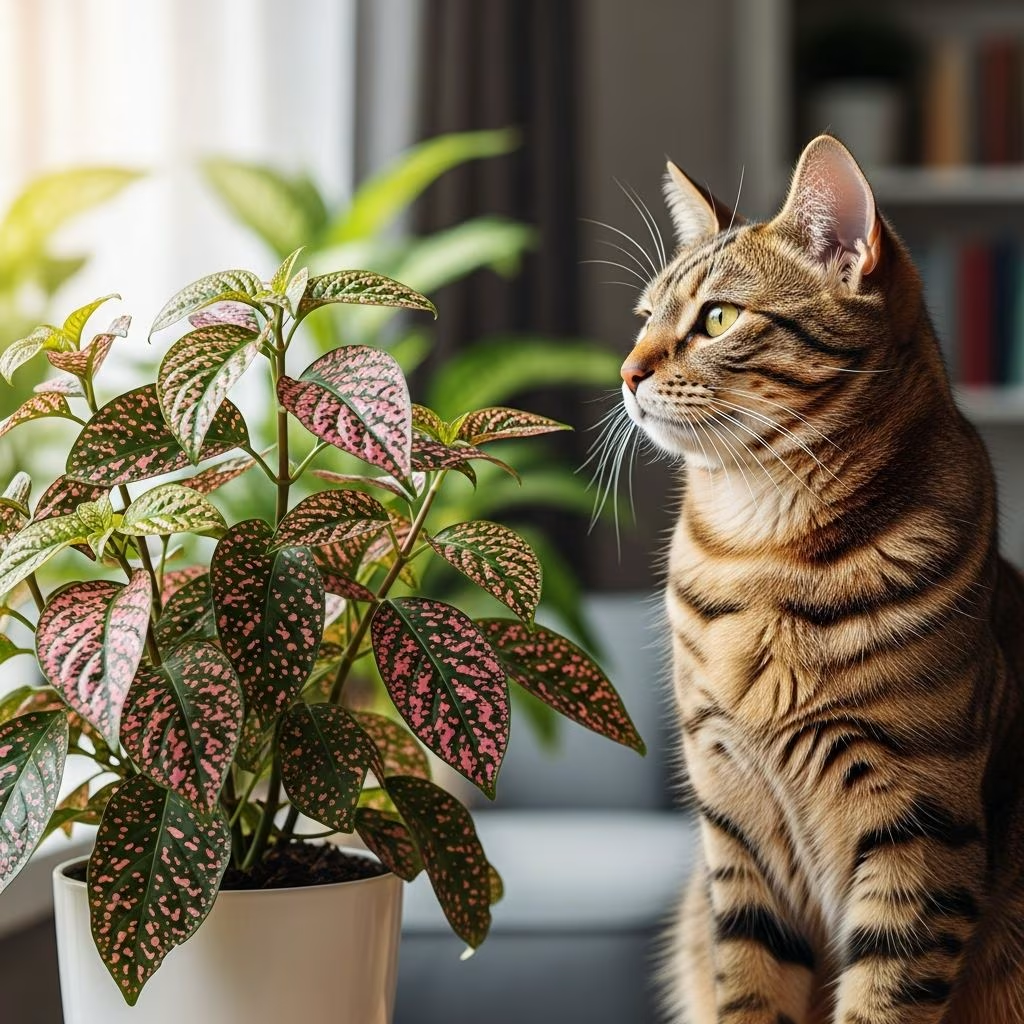
Polka dot plants, known scientifically as Hypoestes phyllostachya, offer striking foliage with pink, red, or white spots on green leaves, making them a favorite for indoor decor. Cat owners often worry about introducing such plants into homes where curious felines roam freely. The key question is whether these eye-catching houseplants present any health risks to cats.
Understanding the Appeal of Polka Dot Plants
These plants thrive in bright, indirect light, displaying vivid polka dot patterns that intensify with more sunlight exposure. Native to Madagascar, they grow compactly, reaching up to 12 inches tall, ideal for shelves or tabletops. Their low-maintenance nature—requiring moist soil and moderate humidity—suits busy households. Beyond aesthetics, they purify air mildly and add humidity, benefiting pet-friendly spaces.
However, cats’ instinctive nibbling on greenery raises valid concerns. While many houseplants harbor toxins, polka dot plants stand out for their safety profile, confirmed by veterinary sources.
Are Polka Dot Plants Harmful to Felines?
Polka dot plants are classified as non-toxic to cats by authoritative organizations like the ASPCA. This means ingestion does not trigger severe poisoning from harmful compounds. The plant’s sap lacks irritants that cause burns, organ damage, or neurological issues seen in toxic species like lilies or philodendrons.
Small nibbles typically pass without incident, as the foliage aligns closer to grass than dangerous flora in a cat’s diet. Veterinary reviews affirm no life-threatening effects from occasional chewing. That said, non-toxicity does not equate to edibility; excessive consumption can disrupt digestion due to fiber content foreign to feline systems.
Potential Reactions from Ingestion
Most cats tolerate minor leaf consumption uneventfully. However, larger quantities may provoke gastrointestinal responses. Common mild symptoms include:
- Vomiting shortly after eating
- Loose stools or diarrhea
- Reduced appetite temporarily
- Mild abdominal discomfort, shown by restlessness
These arise from the plant’s indigestible fibers irritating the stomach lining, akin to eating too much grass. Symptoms usually self-resolve within 12-24 hours with hydration and rest.
Monitor for escalation:
| Symptom | When to Worry | Action |
|---|---|---|
| Vomiting | Persistent beyond 24 hours or bloody | Contact vet |
| Diarrhea | Dehydration signs (dry gums, sunken eyes) | Seek professional care |
| Lethargy | Weakness or hiding persists | Immediate vet visit |
| Excessive salivation | Gagging or lip licking nonstop | Evaluate for allergies |
Rarely, sensitive cats might show dermatitis from sap contact, manifesting as mouth redness. Underlying allergies could amplify reactions, though undocumented specifically for this plant.
Why Cats Chew on Houseplants
Feline plant-munching stems from instincts: fiber for hairballs, exploration, or nutritional cravings like folate. Boredom or stress prompts pica-like behavior. Kittens explore via mouthing, while adults seek greenery for digestive aid. Ensuring a balanced diet with cat grass mitigates this urge.
Strategies to Deter Cats from Plants
Prevention trumps reaction. Safeguard both plants and pets with these methods:
- Elevate displays: Hang baskets from ceilings or perch on tall, stable shelves beyond leap range.
- Room division: Designate a cat-free plant room or use baby gates.
- Soil barriers: Cover pots with smooth pebbles, pinecones, or aluminum foil to discourage digging.
- Scent repellents: Spray leaves with citrus or eucalyptus oils (diluted, pet-safe formulas); cats detest these smells.
- Distractions: Provide cat grass, toys, or scratching posts to redirect energy.
- Training aids: Use motion-activated air puffers near plants for gentle deterrence.
Combining tactics yields best results, preserving your decor while protecting health.
Cultivating Healthy Polka Dot Plants in Cat Homes
Optimal Growing Conditions
Maintain soil evenly moist but not soggy; overwatering invites root rot. Bright, indirect light prevents legginess; rotate pots for uniform spotting. Humidity above 50%—via pebble trays or misting—enhances leaf vibrancy. Fertilize monthly in spring-fall with diluted balanced formula.
Common Care Challenges
Watch for pests like spider mites, treatable with neem oil. Yellowing leaves signal under-watering or low light. Prune leggy growth to encourage bushiness. These plants perennialize indoors with proper care, lasting years.
Other Pet-Safe Greenery Options
Expand your collection safely:
- Spider Plant (Chlorophytum comosum): Air-purifying, tolerates low light; ASPCA-approved.
- Boston Fern (Nephrolepis exaltata): Lush, humidity-loving; non-toxic.
- Parlor Palm (Chamaedorea elegans): Elegant, shade-tolerant.
- Calathea (various): Patterned leaves mimic polka dots without risks.
- Areca Palm (Dypsis lutescens): Graceful fronds, pet-friendly.
Always cross-check with ASPCA lists before adding new plants.
Recognizing True Toxic Plants to Avoid
Contrast polka dot safety with dangers:
- Lilies (Lilium spp.): Fatal kidney failure even from pollen.
- Sago Palm (Cycas revoluta): Liver toxic.
- Poinsettia (Euphorbia pulcherrima): Irritant sap.
- Aloe Vera: Latex causes vomiting.
Consult vet toxicologists for borderline cases.
Frequently Asked Questions
Can kittens safely nibble polka dot plants?
Yes, non-toxic, but limit access as puppies chew more exploratively. Mild upset possible in excess.
Is the plant safe for dogs too?
Affirmed non-toxic to dogs, horses by ASPCA; similar mild GI risks.
What if my cat vomits after eating leaves?
Observe; withhold food briefly, offer water. Vet if recurs or worsens.
How do I propagate polka dot plants?
Stem cuttings in water root easily; transplant once established.
Do polka dot plants flower?
Rare indoors; insignificant spikes best pruned for foliage focus.
Final Thoughts on Feline-Friendly Flora
Polka dot plants enrich homes without endangering cats, blending beauty and safety. Vigilance ensures harmony: deter access, monitor behavior, and prioritize verified non-toxics. Consult vets for personalized advice, fostering thriving multi-species households.
References
- Toxic and Non-toxic Plants: Polka Dot Plant — ASPCA. Accessed 2026. https://www.aspca.org/pet-care/aspca-poison-control/toxic-and-non-toxic-plants/polka-dot-plant
- Are Polka Dot Plants Toxic to Cats? Vet-Reviewed Houseplants — Catster. Accessed 2026. https://www.catster.com/cat-health-care/are-polka-dot-plants-toxic-to-cats/
- Are Polka Dot Plants Poisonous — Plant Addicts. Accessed 2026. https://plantaddicts.com/are-polka-dot-plants-poisonous/
- 15 Plants Safe for Cats (and 15 Highly Toxic Plants to Avoid) — Petfolk. Accessed 2026. https://petfolk.com/petfolklore/15-plants-safe-for-cats-and-15-highly-toxic-plants-to-avoid
- Polka Dot Plant — Beneva. Accessed 2026. https://www.beneva.com/blog/pet-friendly-plants-and-flowers-perfect-for-your-home/



