

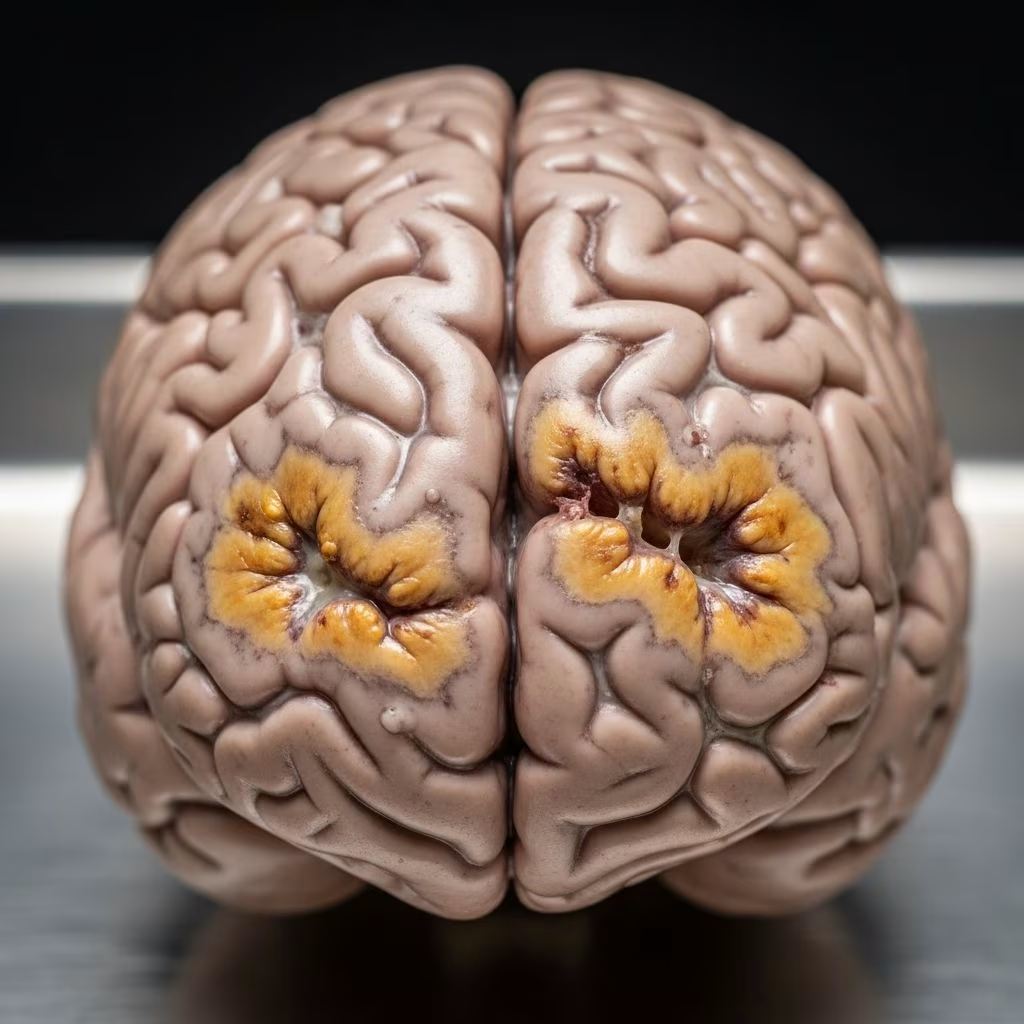
Polioencephalomalacia (PEM), sometimes called cerebrocortical necrosis, represents a significant neurological threat to ruminant livestock such as cattle, sheep, goats, deer, and camelids. This condition arises from disruptions in brain metabolism, primarily tied to thiamine (vitamin B1) shortages or excessive sulfur exposure, leading to rapid onset of severe symptoms and potential herd-wide outbreaks.
Core Causes Behind PEM Development
The roots of PEM lie in metabolic imbalances unique to ruminants’ complex digestive systems. Thiamine, essential for carbohydrate metabolism and nerve function, becomes deficient when rumen microbes fail to produce enough or when thiaminases—enzymes that degrade it—proliferate due to dietary shifts like high-grain feeds or poor forage.
High dietary sulfur emerges as another key trigger. Sulfur-rich water or feeds foster rumen production of toxic hydrogen sulfide (H2S), which crosses into the bloodstream, impairs brain cells, and mimics thiamine deficiency effects. Additional factors include lead poisoning, salt overload from water scarcity, or infections altering rumen flora.
- Thiamine-related triggers: Sudden diet changes to concentrates, low-quality pastures, or coccidiosis disrupting rumen balance.
- Sulfur toxicity: Feeds or water exceeding 0.4% sulfur dry matter, common in certain regions.
- Other contributors: Toxins like lead or metabolic stresses from rapid growth in young animals.
Recognizing Early Warning Signs
PEM progresses swiftly, often starting subtly before escalating to crisis. Initial indicators include lethargy, reduced appetite, and unsteady gait (ataxia). Animals may circle aimlessly, press heads against objects, or exhibit stargazing**—holding the head rigidly upward.
Vision loss follows, marked by cortical blindness: no blink to threats but intact pupil responses to light. Eyes may deviate inward and upward (dorsomedial strabismus), with nystagmus or tremors. Advanced stages bring convulsions, opisthotonos (head arched back), recumbency, and coma, frequently ending in death without intervention.
| Stage | Symptoms | Duration |
|---|---|---|
| Early | Dullness, mild ataxia, anorexia | Hours to 1 day |
| Moderate | Blindness, head pressing, strabismus | 1-2 days |
| Severe | Seizures, recumbency, death | Within 3 days |
Outbreaks hit young lambs (2-7 months) on sparse summer grass or feedlot cattle abruptly switched to grains hardest.
Pathophysiological Changes in the Brain
At the cellular level, PEM causes selective necrosis in the cerebrum’s outer layers. Thiamine shortage hampers enzymes like pyruvate dehydrogenase and transketolase, causing energy deficits, lactate buildup, and edema in neurons.
Sulfur-induced cases show vascular damage, bleeding, and deeper gray matter involvement (thalamus, striatum). Necrotic tissue cavitates as immune cells clear debris. Postmortem, early lesions glow yellow-green under UV light due to autofluorescence, though sulfur types often lack this.
These changes explain the blindness and behavior: damaged occipital cortex impairs vision processing, while frontal lesions drive abnormal postures.
Diagnostic Approaches for Confirmation
Field diagnosis hinges on classic signs and thiamine trial response. Improvement within hours strongly suggests PEM. Blood tests reveal low thiamine (<50 nmol/L) or high lactate, but they’re not always decisive.
Necropsy offers certainty: UV-fluorescent cortical zones, laminar necrosis on histology. Labs check feed/water for sulfur or lead. Differentials include listeriosis, rabies, or hypocalcemia—PEM uniquely responds to thiamine.
- Observe clinical pattern.
- Administer thiamine test dose.
- Postmortem: Brain histology and UV exam.
- Analyze diet for toxins.
Effective Treatment Strategies
Swift thiamine therapy (10-20 mg/kg IV slowly first, then IM/SC every 6-8 hours for 3-5 days) is cornerstone, effective across etiologies if started early. Recovery signs appear in 24 hours; continue even without, as excretion is rapid.
Supportives: Anti-inflammatories (dexamethasone) reduce swelling; anticonvulsants control seizures; fluids prevent dehydration. Isolate in quiet, padded areas; recumbent animals need sternal positioning.
Poor prognosis follows delayed care or severe sulfur cases—euthanasia may be humane.
Prevention Tactics for Herd Health
Avoid sudden diet shifts; gradually introduce grains. Test water/feeds for sulfur (<0.3-0.4% DM safe). Boost roughage, especially in high-concentrate systems.
Prophylactic thiamine (3-10 mg/kg feed) aids at-risk groups like feedlot calves or autumn lambs, though evidence varies. Monitor for coccidia, treat promptly. Balanced minerals prevent secondary deficiencies.
Species-Specific Considerations
Cattle
Dairy/beef herds face PEM from high-sulfur byproducts or water. Outbreaks kill hundreds post-diet change.
Sheep and Goats
Lambs on brassicas or poor pasture; adults post-lush feed. Oral thiamine propyl disulfide shows promise.
FAQs
What is the quickest PEM test?
Thiamine injection: Rapid improvement confirms.
Can PEM recur in recovered animals?
Yes, if dietary issues persist; fix root causes.
Is sulfur PEM thiamine-responsive?
Less so, but still first-line.
How to store thiamine?
Cool, dark; stable formulations best.
PEM vs. other blindness causes?
PEM has head pressing, strabismus; listeria adds facial paralysis.
References
- Polioencephalomalacia in Ruminants — MSD Veterinary Manual. 2023. https://www.msdvetmanual.com/nervous-system/polioencephalomalacia/polioencephalomalacia-in-ruminants
- Polioencephalomalacia — Farm Health Online. 2022. https://www.farmhealthonline.com/disease-management/cattle-diseases/polioencephalomalacia/
- Polioencephalomalacia — Veterinary Handbook. 2024. https://www.veterinaryhandbook.com.au/Diseases.aspx?diseasenameid=219
- Polioencephalomalacia – Sheep & Goats — Michigan State University Extension. 2023. https://www.canr.msu.edu/sheep_goats/health/polioencephalomalacia
- A review of polioencephalomalacia in cattle and sheep — Veterinary Ireland Journal. 2021. https://www.veterinaryirelandjournal.com/focus/84-a-review-of-polioencephalomalacia-in-cattle-and-sheep
- Polioencephalomalacia in Cattle: A Consequence of… — Wiley Online Library. 2006-10-01. https://onlinelibrary.wiley.com/doi/10.1111/j.1439-0442.2006.00808.x



