Poison Ivy Risks for Dogs: Treatment And Prevention Tips
Discover how poison ivy affects dogs, from rare skin reactions to stomach issues, and learn vital prevention tips for worry-free outdoor adventures.
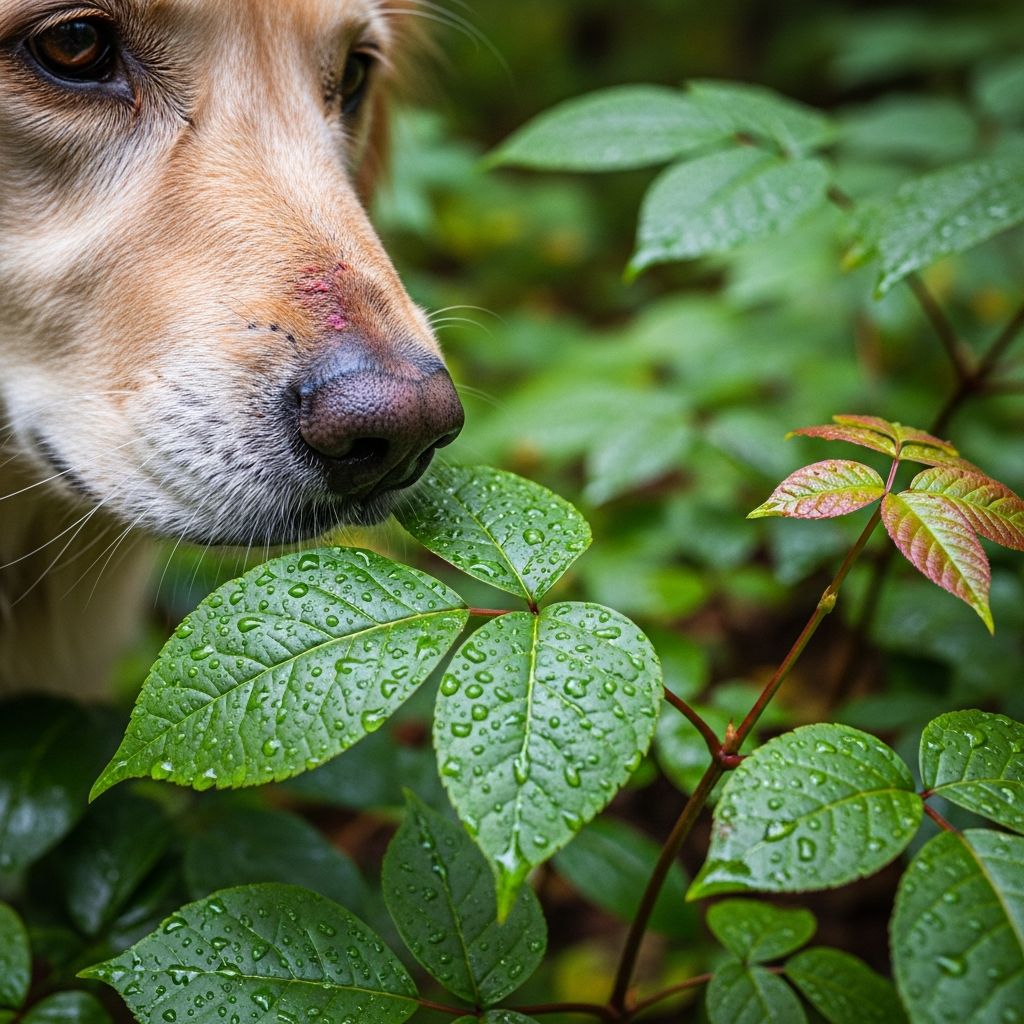
Poison Ivy Risks for Dogs
Dogs encounter poison ivy less severely than humans due to their protective fur, but exposure can still lead to skin irritation or digestive upset from the plant’s urushiol oil.
Understanding the Threat of Poison Ivy to Canines
The plant known scientifically as Toxicodendron radicans produces urushiol, an oily resin that triggers allergic responses in many species. For dogs, this compound poses minimal direct threat because fur acts as a shield, preventing skin penetration in most cases. However, thin-coated breeds or areas like the belly remain vulnerable. Ingestion during play or grazing amplifies risks, potentially irritating the gastrointestinal tract.
Outdoor enthusiasts often worry about hikes or yard romps through wooded areas where poison ivy thrives. Recognizing that dogs can transfer urushiol to humans via contact underscores the need for prompt cleaning after exposure. While human rashes are notorious, canine reactions stay mild, with rarity confirmed across veterinary sources.
Pathways of Exposure in Everyday Adventures
Dogs brush against poison ivy during walks, fetching, or digging, allowing urushiol to cling to fur. Direct skin contact occurs on sparsely haired spots such as armpits, groin, or nose. Chewing leaves or berries introduces the oil orally, leading to immediate mucosal contact.
- Rolling in foliage transfers oil widely across the coat.
- Licking paws post-exposure spreads irritant to mouth and belly.
- Shared environments with poison oak or sumac heighten similar dangers.
Short-haired breeds like Boxers or Whippets face elevated skin risks compared to fluffy companions like Huskies. Environmental factors, including seasonal growth in spring and summer, increase encounter likelihood.
Recognizing Skin Reactions from Plant Contact
Cutaneous symptoms emerge within hours to days, manifesting as localized discomfort. Key indicators include redness on exposed skin, persistent itching prompting excessive scratching, and occasional blister formation. Swelling around eyes or mouth signals more pronounced involvement.
| Symptom | Description | Affected Areas |
|---|---|---|
| Redness | Inflamed patches | Belly, groin, axillae |
| Itching | Intense scratching/licking | Contact sites |
| Blisters/Scabs | Fluid-filled bumps that crust | Thin-skinned zones |
| Swelling | Puffiness or hives | Muzzle, paws |
These signs rarely progress severely but warrant monitoring to avert secondary infections from self-trauma.
Gastrointestinal and Systemic Effects from Ingestion
Swallowing plant parts irritates the digestive system, yielding vomiting, diarrhea, and abdominal tenderness. Excessive drooling or pawing at the mouth indicates oral/throat inflammation. Lethargy or appetite loss accompanies moderate cases.
Rarely, anaphylaxis arises, featuring labored breathing, facial puffiness, or collapse—emergencies demanding instant veterinary intervention. Such hypersensitivity affects a tiny fraction of dogs, yet vigilance post-ingestion remains crucial.
- Vomiting within hours of consumption.
- Loose stools persisting 24-48 hours.
- Reluctance to eat or drink.
Diagnostic Approaches in Veterinary Clinics
Vets rely on history of exposure alongside physical exams. Skin scrapings rule out parasites or fungi mimicking symptoms. Bloodwork assesses dehydration from GI losses, while fecal analysis detects plant remnants. Allergy testing proves unnecessary given urushiol’s distinct profile. Owners’ descriptions of habitat and behavior guide diagnosis efficiently.
Effective Management and Treatment Options
Home care suits mild cases: bathe with mild soap to remove urushiol, preventing spread. Cool compresses soothe itching; Elizabethan collars curb licking.
Veterinary interventions include:
- Topical steroids or antihistamines for rashes.
- Anti-emetics and probiotics for stomach issues.
- Antibiotics if bacterial invasion occurs.
- Epinephrine for anaphylaxis.
Most recover within days sans complications. Short-term fur clipping aids thin-coated dogs.
Proactive Prevention During Outdoor Activities
Scout trails for three-leaf clusters with berries. Mow lawns regularly, avoiding spread via clippings[10]. Train “leave it” commands for curious sniffers. Post-walk rinses with pet-safe shampoo eliminate residues.
Fencing restricts access to infested zones. Natural herbicides target plants without harming pets. Seasonal awareness peaks during vigorous growth periods.
Special Considerations for Vulnerable Breeds
Breeds with minimal undercoat, like Greyhounds or Dalmatians, merit extra caution. Puppies and seniors, with delicate skin or immunity, face heightened risks. Multi-pet homes amplify cross-contamination potential. Custom belly bands protect during high-risk outings.
FAQs: Common Questions on Poison Ivy and Dogs
Can all dogs get poison ivy rashes?
No, fur typically blocks urushiol, making rashes uncommon except on bare skin.
What if my dog ate poison ivy leaves?
Monitor for vomiting or diarrhea; contact vet if symptoms exceed 24 hours.
Is poison ivy fatal to dogs?
Extremely rare; mild toxicity predominates, with anaphylaxis as outlier.
How do I clean my dog after exposure?
Use gloves, dish soap bath, and rinse thoroughly.
Does poison ivy affect dogs like humans?
Dogs experience far milder, less frequent reactions.
Long-Term Strategies for a Safer Yard
Plant dog-friendly alternatives like ferns or hostas. Mulch suppresses weed growth. Professional eradication services ensure thorough removal. Annual inspections maintain toxin-free spaces[10]. Educating family on recognition fosters collective prevention.
In summary, while poison ivy poses low-level hazards to dogs, informed owners mitigate risks effectively through awareness and action.
References
- Can Dogs Get Poison Ivy? — Zoetis Petcare. 2023. https://www.zoetispetcare.com/blog/article/dogs-poison-ivy
- Can Dogs Get Poison Ivy? — Hill’s Pet. 2024. https://www.hillspet.com/dog-care/healthcare/can-dogs-get-poison-ivy
- Can Dogs Get Poison Ivy? Everything You Need to Know — Deporre Veterinary Clinic. 2023. https://www.deporrevet.com/services/dogs/blog/can-dogs-get-poison-ivy-everything-you-need-know-about-poison-ivy-dogs
- Can Dogs Get Poison Ivy? — American Kennel Club. 2024-01-15. https://www.akc.org/expert-advice/health/can-dogs-get-poison-ivy/
- Can Dogs Get Poison Ivy, Oak, or Sumac? — MetLife Pet Insurance. 2023. https://www.metlifepetinsurance.com/blog/pet-care/can-dogs-get-poison-ivy/
- Poison Ivy Is Toxic To Dogs — Pet Poison Helpline. 2024. https://www.petpoisonhelpline.com/poison/poison-ivy/
- Can Dogs Get Poison Ivy? — PetMD. 2024-06-12. https://www.petmd.com/dog/general-health/can-dogs-get-poison-ivy
Similar Articles







Read full bio of Sneha Tete