

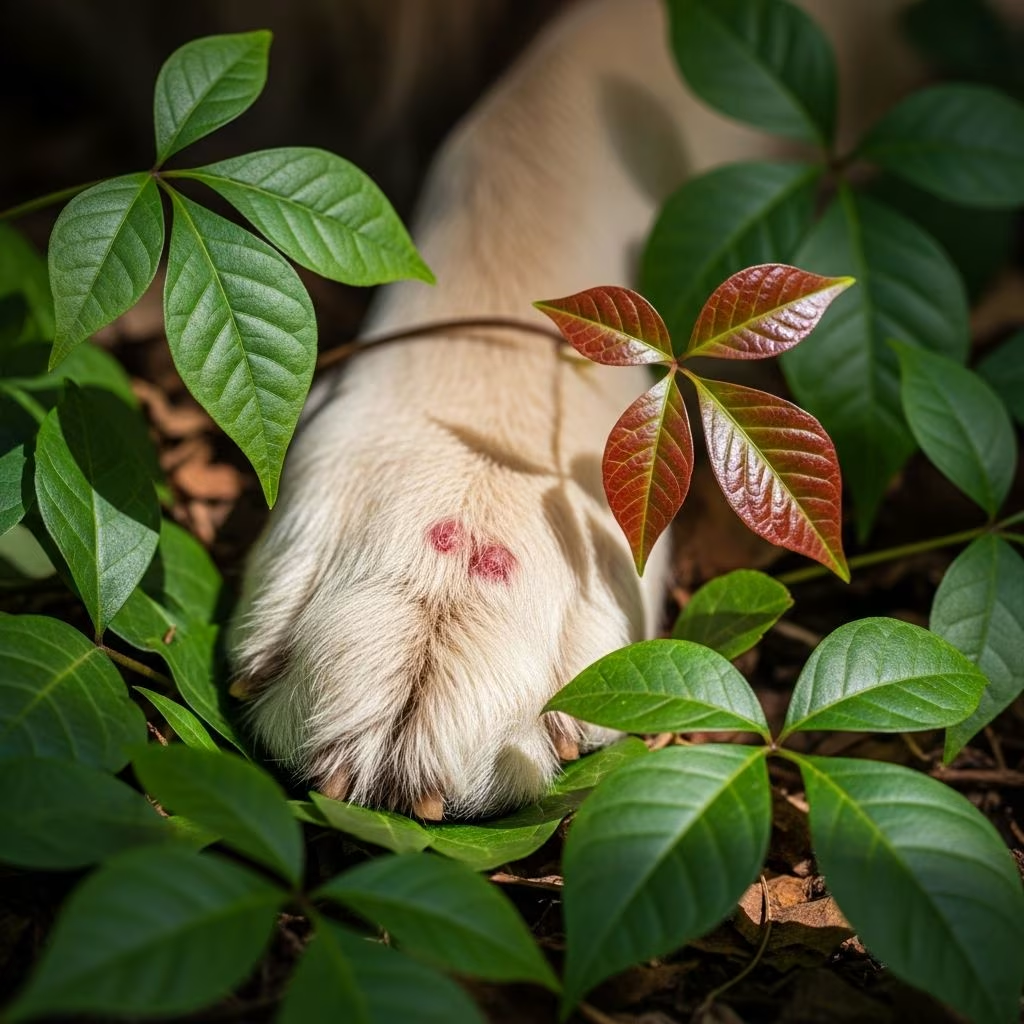
Poison ivy poses a notable hazard to dogs during outdoor activities, primarily due to its oily resin called urushiol, which triggers allergic reactions upon contact or ingestion. While canine fur offers some protection against skin rashes compared to humans, vulnerable areas like the belly, groin, and mouth remain at risk, potentially leading to discomfort or severe health issues.
Understanding the Threat of Poison Ivy to Canines
The plant Toxicodendron radicans, commonly known as poison ivy, thrives in wooded areas, trails, and backyards across North America. Its leaves, often in groups of three, release urushiol oil that binds to skin proteins, provoking an immune response. Dogs encounter this toxin by brushing against leaves, stems, or roots, or by chewing on the plant out of curiosity. Unlike humans, where rashes cover large areas, dogs experience milder dermal effects thanks to their coat barrier, but ingestion amplifies dangers through gastrointestinal distress.
Urushiol’s persistence is key: it lingers on fur, paws, and collars, transferable to owners or other pets. This oil withstands drying and remains active through seasons, making year-round vigilance essential. Veterinary sources emphasize that while rare, reactions vary by breed sensitivity, with thin-coated dogs like Greyhounds more prone to visible irritation.
Recognizing Skin Reactions from Poison Ivy Contact
Skin exposure manifests gradually, typically 24-48 hours post-contact, as the immune system reacts to urushiol. Pet owners should monitor for these primary indicators:
- Reddened or inflamed patches on hairless zones such as underbelly, armpits, or inner thighs.
- Intense itching prompting excessive scratching, licking, or chewing, which can escalate to self-inflicted wounds.
- Bumps, blisters, or scabs forming from prolonged irritation, occasionally oozing clear fluid.
- Swelling around eyes, muzzle, or paws if contact involves the face.
These signs mimic other allergies or insect bites, complicating self-diagnosis. Differentiating requires noting recent outdoor exposure history. Secondary issues like bacterial infections arise from broken skin, marked by pus, foul odor, or fever.
Ingestion Effects: Gastrointestinal and Systemic Warnings
When dogs nibble leaves, berries, or vines, urushiol irritates the oral cavity and digestive tract. Common responses include:
- Mouth irritation: Drooling, pawing at mouth, or swollen lips/tongue.
- Stomach upset: Vomiting, diarrhea, nausea, or appetite loss.
- Lethargy: Reduced energy due to internal inflammation.
Rare but critical is anaphylaxis, a life-threatening allergic shock with symptoms like labored breathing, facial swelling, rapid heartbeat, convulsions, or collapse. Immediate veterinary intervention is vital here, as per guidelines from poison control experts.
Immediate Response Steps for Suspected Exposure
Act swiftly to limit urushiol spread and alleviate symptoms. Don protective gear—gloves, long sleeves—to avoid human transfer.
- Bathe promptly: Use lukewarm water and oatmeal-based or Tecnu shampoo to degrease fur. Lather thoroughly, rinse repeatedly, especially for thick coats.
- Isolate affected areas: Apply cool compresses or calendula cream for soothing; prevent licking with an Elizabethan collar.
- Monitor closely: Track symptom progression over 24 hours.
Wash all items—towels, clothing, leashes—in hot water to neutralize residue. Avoid human remedies like calamine unless vet-approved, as ingestion risks tummy upset.
Veterinary Interventions for Moderate to Severe Cases
For persistent or intense symptoms, professional care is non-negotiable. Vets conduct physical exams, history reviews, and possibly skin scrapes to rule out parasites.
Treatment protocols include:
| Symptom Severity | Recommended Therapies |
|---|---|
| Mild Skin Irritation | Oatmeal baths, topical hydrocortisone, oral Benadryl (diphenhydramine) |
| Moderate Rash with Blisters | Antibiotics for infection prevention, e-collar, anti-inflammatory steroids |
| Ingestion/GI Distress | Activated charcoal, gastric lavage if recent, anti-emetics |
| Anaphylaxis | Epinephrine, IV fluids, oxygen support—emergency stabilization |
Follow-up visits ensure healing, typically within 1-3 weeks. Holistic options like homeopathic remedies (e.g., Sulphur for itchy discharges) may complement under guidance, though evidence is anecdotal.
Preventive Strategies for Outdoor Safety
Proactive measures minimize encounters:
- Trail awareness: Learn to ID poison ivy—shiny three-leaf clusters, reddish fall hues—and steer clear.
- Pre-hike barriers: Apply pet-safe bentoquatam lotions to exposed skin.
- Post outing routines: Routine paw/fur wipes and baths after wooded walks.
- Yard control: Remove plants professionally; use mulch barriers.
- Training: Discourage sniffing unknown foliage with ‘leave it’ commands.
Breeds with short fur or high curiosity (e.g., Terriers) warrant extra caution. Seasonal peaks in spring/summer demand heightened alertness.
Long-Term Skin Health After Exposure
Post-recovery, bolster skin resilience with omega-3 supplements, hypoallergenic diets, and regular grooming. Watch for recurrence, signaling sensitivity. Chronic cases may need allergy testing or immunotherapy, though poison ivy-specific vaccines remain unavailable for pets.
Maintaining a journal of exposures aids pattern recognition, informing future prevention.
Frequently Asked Questions
Can all dogs get poison ivy rashes equally?
No, fur density influences severity; short-haired breeds show symptoms more visibly.
Is poison ivy fatal to dogs?
Rarely, but untreated anaphylaxis can be; most cases resolve with care.
How long do symptoms last?
Mild cases: 7-14 days; severe: up to 3 weeks with treatment.
Can I use human poison ivy cream on my dog?
Avoid unless vet-recommended; opt for pet-formulated products.
What if my dog ate poison ivy berries?
Contact vet or Pet Poison Helpline (855-764-7661) immediately for GI support.
Equipped with this knowledge, dog owners can confidently navigate nature’s pitfalls, ensuring joyful, itch-free adventures.
References
- What to Do If Your Dog Has Poison Ivy — WagWalking. 2023-05-15. https://wagwalking.com/wellness/what-to-do-if-your-dog-has-poison-ivy
- Poison Ivy On Dogs — Dogs Naturally Magazine. 2024-02-10. https://www.dogsnaturallymagazine.com/poison-ivy-on-dogs/
- Can Dogs Get Poison Ivy? — Purina. 2024-08-22. https://www.purina.com/articles/dog/health/symptoms/can-dogs-get-poison-ivy
- Can Dogs Get Poison Ivy? — PetMD. 2025-01-12. https://www.petmd.com/dog/general-health/can-dogs-get-poison-ivy
- Can Dogs Get Poison Ivy: Symptoms, Treatment & Prevention — Deporre Veterinary Services. 2024-06-05. https://www.deporrevet.com/services/dogs/blog/can-dogs-get-poison-ivy-everything-you-need-know-about-poison-ivy-dogs
- Does my Dog Have Poison Ivy? — Muenster Pet. 2023-11-28. https://muensterpet.com/blogs/blog/dog-poison-ivy



