
Poison Ivy & Dogs: Health Risks and Care Guide
Learn how to protect your dog from poison ivy exposure and recognize warning signs.
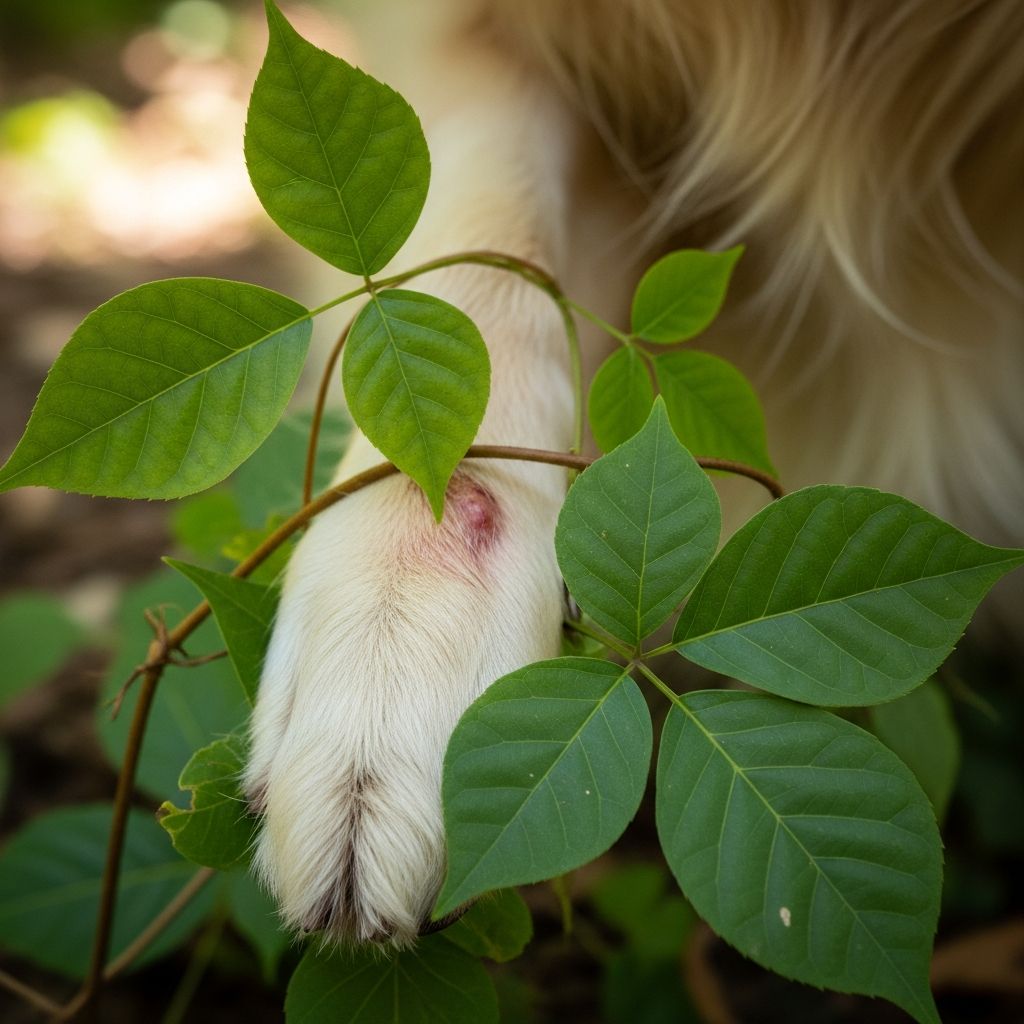
Many dog owners wonder whether their canine companions face the same risks from poison ivy that humans encounter during outdoor adventures. The answer is more nuanced than a simple yes or no. While dogs can technically be affected by poison ivy through skin contact or ingestion, their natural coat provides substantial protection that humans lack. Understanding the nature of this risk, recognizing potential symptoms, and knowing how to respond appropriately can help you keep your dog safe during hikes, walks through wooded areas, and backyard explorations.
The Basics: Can Canines Actually Contract Poison Ivy?
Poison ivy exposure in dogs presents a different picture than what we see in humans. Although poison ivy rashes are extremely rare in dogs compared to humans, contact with the plant is technically possible. The key factor determining whether a dog develops symptoms relates to a chemical compound found in poison ivy called urushiol. This oily substance triggers the characteristic allergic reaction in humans and can affect dogs, though their protective fur coat acts as a significant barrier.
The reality is that most dogs who brush against poison ivy will not develop visible skin reactions. Dogs have thicker skin and fuller fur coats compared to humans, which provides natural insulation against the urushiol oil. However, this protective advantage does not mean complete immunity. Dogs with thinner fur, sensitive skin, or those with existing skin conditions may be at slightly higher risk of developing symptoms after contact.
Routes of Exposure: How Dogs Encounter Poison Ivy
Understanding how dogs come into contact with poison ivy helps pet owners take preventive measures. Dogs typically encounter this plant through two primary exposure pathways:
- Skin Contact: When dogs brush against poison ivy vegetation while walking through trails, exploring fields, or playing in yards where the plant grows, urushiol can transfer to their fur and underlying skin.
- Ingestion: Some dogs may chew or eat portions of poison ivy plants out of curiosity or while foraging. This route of exposure tends to produce more significant symptoms than simple skin contact.
In both scenarios, the severity and manifestation of symptoms depend on the amount of exposure and the individual dog’s sensitivity to urushiol. A dog that briefly passes by poison ivy may show no symptoms whatsoever, while a dog that thoroughly explores the plant or ingests a substantial quantity may experience noticeable reactions.
Recognizing Poison Ivy Symptoms in Your Dog
Even though severe reactions are uncommon, pet owners should recognize the warning signs that indicate poison ivy exposure. Symptoms vary depending on whether the exposure was limited to skin contact or involved ingestion of plant material.
Skin Contact Symptoms
When poison ivy affects your dog’s skin, look for these indicators:
- Redness or inflammatory changes in exposed skin areas
- Swelling or puffiness of the skin
- Excessive scratching, licking, or gnawing at specific body areas
- Development of small bumps, blisters, or scabs on the skin
- Hives appearing on the body
- Areas most commonly affected include less-hairy regions such as the belly, inner legs, and paws
The itching caused by poison ivy can be intense, leading dogs to repeatedly scratch or lick the affected areas. This self-trauma can open the skin and create opportunities for secondary bacterial infections, which may complicate recovery.
Ingestion Symptoms
If your dog has eaten part of a poison ivy plant, gastrointestinal symptoms typically develop. These include:
- Vomiting or retching
- Diarrhea
- Excessive drooling or salivation
- Loss of appetite or reluctance to eat
- Nausea
- Abdominal pain or discomfort
- General lethargy or reduced activity levels
In rare cases where dogs develop severe allergic reactions, more concerning symptoms can occur, including difficulty breathing, facial swelling, or anaphylactic shock. These emergency symptoms require immediate veterinary attention.
Why Your Dog is Safer Than You Are
An important perspective to maintain is that humans are considerably more sensitive to poison ivy than dogs. This means that while your dog may walk through poison ivy with minimal consequences, you face significant risk if you pet or handle your dog before removing the urushiol from their fur. The oils can transfer from your dog’s coat to your skin, potentially causing an uncomfortable rash that may persist for weeks.
This reality underscores a key safety practice: if you suspect your dog has contacted poison ivy, wear protective gloves before touching or bathing your dog. This simple precaution protects you from developing what could be a far more severe reaction than your dog experiences.
Initial Response and Home Treatment Strategies
If you believe your dog has contacted poison ivy, taking prompt action can minimize discomfort and prevent complications.
The Bathing Process
The first step involves thoroughly bathing your dog to remove residual urushiol from their fur and skin. Follow this procedure:
- Put on rubber gloves to protect yourself from urushiol exposure
- Use lukewarm water and bathe your dog with one of these cleansing options: Dawn dish soap, oatmeal-based shampoo, or specialized anti-inflammatory dog shampoo
- Focus on thoroughly washing areas where your dog may have made contact with the plant
- Rinse completely to remove all soap residue
- Dry your dog with a clean towel
This bathing removes much of the remaining urushiol and helps soothe irritated skin. Oatmeal-based products are particularly beneficial because they have natural anti-inflammatory properties that reduce itching and calm irritated skin.
Follow-Up Care
After the initial bath, monitor the affected area over the following days. If your dog continues to experience itching or irritation, you can apply soothing treatments such as coconut oil topically to the affected region. This natural moisturizer can help reduce inflammation and provide relief from itching.
When Professional Veterinary Care Becomes Necessary
While mild cases of poison ivy exposure may resolve with home care, certain situations warrant veterinary attention.
Medications Your Veterinarian May Prescribe
If your dog’s symptoms persist or appear more severe, your veterinarian has several treatment options available:
- Antihistamines: Oral medications like Benadryl or topical hydrocortisone cream reduce the immune response and minimize swelling
- Antibiotics: If open sores have developed from your dog’s scratching and licking, oral antibiotics prevent secondary bacterial infections
- Anti-inflammatory Medications: Steroids or other anti-inflammatory agents reduce inflammation and discomfort
- E-collar (Cone): Prevents further self-trauma by restricting your dog’s ability to lick or bite at affected areas
- Medicated Baths or Wipes: Special products help manage symptoms while healing occurs
Emergency Situations
Contact your veterinarian or emergency veterinary clinic immediately if your dog exhibits any of these symptoms:
- Difficulty breathing or labored respiration
- Swelling of the face, mouth, or throat
- Loss of consciousness or collapse
- Uncontrollable vomiting or retching
- Signs of extreme pain or distress
These symptoms may indicate anaphylaxis or severe allergic reaction, which qualify as medical emergencies.
Treatment for Ingestion Cases
Dogs that have ingested poison ivy require different treatment approaches than those with skin exposure alone. If you know your dog has eaten poison ivy plant material:
- Contact your veterinarian, the Pet Poison Helpline (855-764-7661), or ASPCA Animal Poison Control Center without delay
- Your veterinarian may administer activated charcoal to reduce urushiol absorption through the stomach lining
- In some cases, gastric lavage (stomach pumping) may be performed to remove undigested plant material
- Anti-nausea medications, gastroprotectant drugs, and IV fluids may be administered depending on symptom severity
- A bland diet combined with probiotics may help rebalance your dog’s digestive system during recovery
Most cases of mild poison ivy exposure typically resolve within several weeks with appropriate treatment. Your veterinarian will likely recommend a follow-up appointment to ensure proper healing and confirm that no secondary infections have developed.
Prevention Strategies for Outdoor Adventures
The most effective approach to poison ivy involves preventing exposure in the first place.
- Learn to Identify Poison Ivy: Become familiar with the plant’s appearance so you can steer your dog away from it during walks and hikes
- Choose Safe Routes: Select walking paths and hiking trails where poison ivy is unlikely to be present
- Maintain Yard Control: If poison ivy grows on your property, remove it or fence off the area to prevent your dog’s access
- Post-Adventure Inspection: After outdoor excursions, visually inspect your dog’s fur for any plant material and remove it before it can cause problems
- Regular Grooming: Maintaining a groomed coat makes it easier to spot any skin issues early and reduces areas where plant oils can accumulate
Understanding Diagnostic Challenges
An interesting aspect of poison ivy diagnosis is that veterinarians may face difficulty confirming the exact cause of a skin reaction. The rash produced by poison ivy contact is virtually indistinguishable from other forms of contact dermatitis caused by different allergens or irritants. Unless you can identify the specific plant your dog contacted, your veterinarian may simply diagnose contact dermatitis rather than poison ivy specifically. The good news is that these conditions typically respond to the same treatment approaches, so the specific diagnosis may not significantly affect your dog’s care plan.
Long-Term Outlook and Prognosis
The long-term outlook for dogs exposed to poison ivy is generally excellent. The Pet Poison Helpline rates poison ivy’s toxicity level as mild, meaning that serious complications are uncommon. Most dogs recover fully from poison ivy exposure with supportive care and management of symptoms. Once the urushiol has been thoroughly removed and any inflammation has resolved, affected dogs typically return to normal activity levels without lasting effects.
Dogs that have had one poison ivy exposure are not necessarily at higher risk for more severe reactions if exposed again. However, individual sensitivities vary, so a dog that showed minimal symptoms during one encounter might show more pronounced symptoms during another exposure.
Frequently Asked Questions
Can poison ivy kill a dog?
Poison ivy is considered mildly toxic to dogs. While severe anaphylactic reactions are possible in rare cases, death from poison ivy exposure is extremely uncommon in dogs. Most cases resolve with appropriate treatment.
How long does poison ivy last on a dog?
Symptoms typically resolve within several weeks with proper treatment. The duration depends on exposure severity, individual sensitivity, and how quickly treatment begins.
Should I bathe my dog if they have contact with poison ivy?
Yes, bathing is recommended as the first step to remove urushiol from your dog’s fur and skin. Always wear gloves to protect yourself during this process.
Can I get poison ivy from my dog?
Yes, if your dog has urushiol on their fur, you can transfer it to your skin through contact. Wear gloves and wash your hands thoroughly after handling an exposed dog.
What should I do if my dog ingests poison ivy?
Contact your veterinarian or poison control center immediately. Do not wait for symptoms to develop, as prompt professional guidance can prevent serious complications.
References
- Can Dogs Get Poison Ivy? — PetMD. Accessed March 2026. https://www.petmd.com/dog/general-health/can-dogs-get-poison-ivy
- Can Dogs Get Poison Ivy? Yes, and Here’s What to Do — Native Pet. Accessed March 2026. https://nativepet.com/blogs/health/can-dogs-get-poison-ivy
- What to Do If Your Dog Has Poison Ivy — Wag Walking. Accessed March 2026. https://wagwalking.com/wellness/what-to-do-if-your-dog-has-poison-ivy
- Can Dogs Get Poison Ivy? | Symptoms, Treatment & Prevention — DePorte Veterinary Clinic. Accessed March 2026. https://www.deporrevet.com/services/dogs/blog/can-dogs-get-poison-ivy-everything-you-need-know-about-poison-ivy-dogs
Similar Articles








Read full bio of medha deb




