

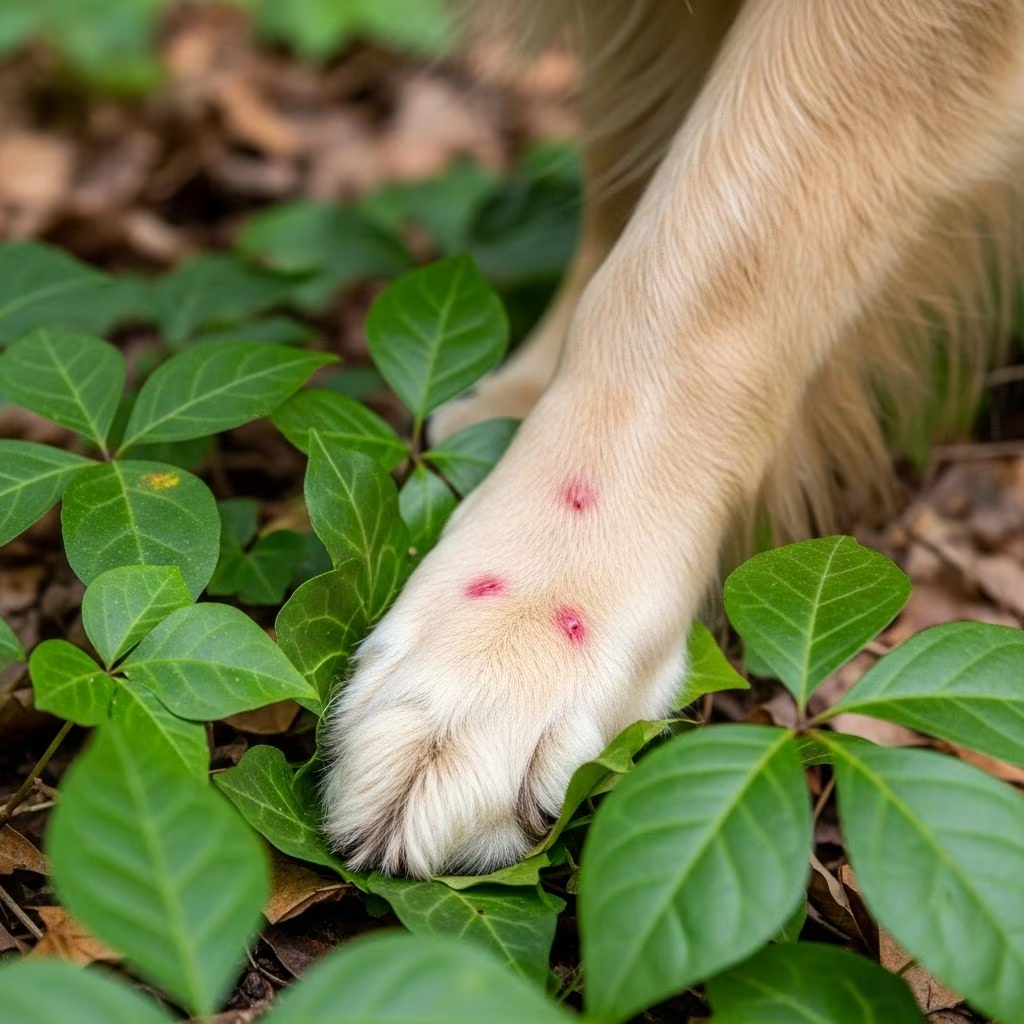
While hiking through wooded areas or exploring natural trails, your beloved canine friend may come into contact with various plants that pose potential health risks. Among these botanical hazards, poison ivy stands out as a concern for pet owners, though the reality of how it affects dogs differs significantly from its impact on humans. Understanding the nature of this risk, recognizing warning signs, and knowing appropriate response measures can help you keep your four-legged companion safe during outdoor adventures.
The Science Behind Poison Ivy and Canine Susceptibility
Poison ivy contains an oily substance called urushiol that triggers allergic reactions in sensitive individuals. Unlike humans, who frequently develop itchy rashes after contact with this plant, dogs have a considerably lower susceptibility to poison ivy dermatitis. The protective nature of a dog’s fur coat and the difference in skin composition between canines and humans explain why poison ivy rashes remain uncommon in dogs. This natural resistance, however, does not mean your dog is completely immune to the plant’s effects.
When dogs do experience reactions to poison ivy, they typically result from either direct skin contact with the plant or ingestion of plant material. The route of exposure determines both the severity and type of symptoms your dog may experience. Direct contact with poison ivy typically causes localized skin reactions, while ingestion can trigger gastrointestinal distress and potentially more serious systemic responses.
Recognizing Skin Contact Symptoms
If your dog has brushed against poison ivy during outdoor play, watch for these physical indicators that suggest skin contact with the plant:
- Red, inflamed, or irritated skin patches appearing pink or bright red
- Noticeable itching and excessive scratching or gnawing at affected areas
- Raised bumps or small lesions that may resemble insect bites
- Swelling or puffiness, particularly around the face, eyes, or muzzle
- Fluid-filled blisters or oozing sores in more severe cases
- Scabbing or patchy hair loss from repeated licking and scratching
- Localized swelling on exposed skin such as the belly or paws
These skin manifestations typically develop after your dog has had direct contact with the plant. The severity and extent of the reaction depend on individual sensitivity levels, the amount of contact, and which parts of the body were exposed to the urushiol oil.
Identifying Ingestion-Related Symptoms
When a dog consumes poison ivy plant material or ingests significant amounts of the urushiol oil, internal reactions become the primary concern. Gastrointestinal symptoms indicate that the toxic substance has entered your dog’s digestive system and requires prompt attention:
- Vomiting or repeated attempts to vomit
- Diarrhea or loose stools
- Excessive drooling or salivation
- Loss of appetite or reluctance to eat
- Nausea and general discomfort
- Abdominal pain or discomfort
- Lethargy or unusual tiredness
- Mouth or throat irritation with difficulty swallowing
In rare but serious cases, dogs may experience anaphylactic shock, a life-threatening allergic response that manifests as difficulty breathing, facial swelling, hives, convulsions, weak heartbeat, or loss of consciousness. This condition constitutes a medical emergency requiring immediate veterinary intervention.
Initial Response and First-Aid Measures
If you suspect your dog has contacted poison ivy, your immediate actions can significantly impact the severity of the reaction. The first step involves removing the urushiol oil from your dog’s coat and skin as thoroughly as possible.
Bathing and Decontamination: Begin by preparing a warm bath with a gentle, oatmeal-based dog shampoo, as oatmeal naturally soothes irritated skin. Before bathing, equip yourself with waterproof gloves and long sleeves to prevent transferring the oils to your own skin. Wash your dog thoroughly at least three times, lathering generously and rinsing completely. For dogs with long or thick coats, additional washings may be necessary to remove all trace oils. After bathing, immediately towel dry your dog and prevent them from shaking, as this can spread remaining oils. Wash all towels, clothing, and any items your dog contacted in hot water, as urushiol can persist on surfaces and transfer to other pets or people.
Providing Comfort: Once your dog is clean and dry, focus on managing discomfort. For immediate itch relief, apply cool compresses to affected areas. Avoid using calamine lotion, a common human remedy that is toxic to dogs if ingested. An oatmeal soak or oatmeal-based bath can provide soothing relief and help prevent secondary infections caused by excessive scratching.
When Professional Veterinary Care Becomes Necessary
Certain situations demand professional veterinary evaluation. Contact your veterinarian or the Pet Poison Helpline (855-764-7661) if your dog exhibits any of the following:
- Moderate to severe itching that persists despite home care
- Visible signs of infection including increased swelling, discharge, or pus
- Difficulty breathing or other respiratory distress
- Vomiting, diarrhea, or other gastrointestinal symptoms
- Facial swelling or signs of allergic reaction
- Any symptoms suggesting anaphylactic shock
Your veterinarian will begin by examining your dog’s skin and asking detailed questions about potential plant exposure. Since poison ivy rashes resemble other contact dermatitis conditions, providing information about suspected plant contact helps guide diagnosis and treatment planning.
Professional Treatment Approaches
Veterinary management of poison ivy exposure depends on the exposure type and symptom severity. For skin contact reactions, veterinarians typically employ a multi-layered treatment strategy.
Antihistamine Therapy: The most common approach involves administering both topical and oral antihistamines to reduce the body’s immune response and decrease inflammation. Topical hydrocortisone combined with oral antihistamines like Benadryl helps control itching and promotes healing. These medications address the underlying allergic response driving the skin symptoms.
Infection Prevention: If your dog has opened the skin through scratching or has visible sores, your veterinarian may prescribe oral antibiotics to prevent bacterial infections at these vulnerable sites. They may also recommend an Elizabethan collar (e-collar) to prevent further self-trauma from scratching and licking.
Topical Medications: Special ointments and medicated creams can decrease the allergic reaction and promote skin healing. These may include special poison ivy cleansing treatments or anti-seborrheic shampoos designed to minimize ongoing exposure to residual oils.
Treatment for Ingestion: When a dog has consumed poison ivy plant material, the treatment approach differs significantly. Your veterinarian may administer activated charcoal to reduce urushiol absorption through the stomach lining. In more severe cases, gastric lavage (stomach pumping) may be performed to remove undigested plant matter before significant absorption occurs. Supporting the gastrointestinal tract with anti-nausea medications and dietary adjustments helps your dog recover from ingestion-related symptoms.
Recovery Timeline and Follow-Up Care
With appropriate treatment, mild poison ivy reactions in dogs typically resolve within several weeks. Your veterinarian will likely recommend a follow-up appointment to ensure proper skin healing and verify that no secondary infections have developed. During recovery, continue protecting affected areas from contamination and prevent excessive scratching through the use of e-collars if necessary.
The healing process requires patience, as skin regeneration takes time. Avoid bathing your dog excessively during recovery, as frequent bathing can further irritate healing skin. Stick to veterinarian-recommended bathing schedules and use only gentle, appropriate shampoos.
Prevention Strategies for Future Exposure
The most effective approach to poison ivy-related problems involves preventing exposure in the first place. Familiarize yourself with poison ivy’s appearance—typically three leaflets with jagged edges that may have a reddish tint—and avoid areas where it grows abundantly. Keep your dog on a leash during hikes through unknown terrain, preventing them from wandering into thickets where poison ivy commonly establishes itself.
When returning from outdoor activities, inspect your dog’s coat for plant material and consider a rinse if you’ve been in areas where poison ivy might be present. This precautionary measure removes urushiol before your dog has extended skin contact. Maintaining your dog’s overall skin health through proper grooming and nutrition also supports their natural defenses against environmental irritants.
Special Considerations for Different Exposure Scenarios
| Exposure Type | Primary Symptoms | Immediate Action | Vet Treatment Likely |
|---|---|---|---|
| Skin Contact | Rash, itching, swelling | Bathe with oatmeal shampoo | Antihistamines, topical creams |
| Ingestion | Vomiting, diarrhea, drooling | Call vet immediately | Activated charcoal, supportive care |
| Severe Allergic | Difficulty breathing, facial swelling | Emergency vet visit | Emergency medications, hospitalization |
Frequently Asked Questions About Canine Poison Ivy
Q: Are all dogs equally susceptible to poison ivy reactions?
A: Dogs vary in individual sensitivity levels. Some dogs may show minimal reactions even with direct contact, while others with more sensitive skin may develop more pronounced symptoms. Factors including coat type, skin condition, and individual immune response affect susceptibility.
Q: Can poison ivy oils transfer from my dog to me or other household pets?
A: Yes, urushiol oil can persist on your dog’s fur and transfer to humans or other pets through contact. This is why thorough bathing, washing of contaminated clothing, and careful handling immediately after exposure are essential precautions.
Q: How can I tell if a rash is from poison ivy versus another condition?
A: Poison ivy rashes resemble other contact dermatitis conditions, making definitive diagnosis challenging without knowing the exposure history. Your veterinarian can evaluate the rash characteristics and, combined with your account of outdoor activities, determine the likely cause.
Q: Is poison ivy exposure more dangerous in certain seasons?
A: Poison ivy is problematic year-round, though the plant is most visible and problematic during warmer months when it’s actively growing and dogs spend more time outdoors. However, the plant retains its toxic oils even in winter dormancy.
Q: Should I use human treatments for my dog’s poison ivy rash?
A: No. Many human remedies, including calamine lotion, are toxic to dogs if ingested. Stick to treatments specifically designed for dogs or recommended by your veterinarian.
Creating a Safe Environment for Your Canine Companion
Protecting your dog from poison ivy involves combining awareness, prevention, and quick response capabilities. By understanding how poison ivy affects dogs differently than humans, recognizing the signs of exposure, and knowing when to seek professional help, you can minimize risks during outdoor activities. Should exposure occur, prompt action in decontaminating your dog followed by appropriate treatment—whether at home for mild cases or with veterinary support for more serious reactions—ensures your dog recovers safely and comfortably. Regular inspection of areas where your dog spends time, combined with leash control in unfamiliar terrain, provides the most effective long-term protection against this botanical hazard.
References
- What to Do If Your Dog Has Poison Ivy — Wag! Walking. Accessed 2026-02-17. https://wagwalking.com/wellness/what-to-do-if-your-dog-has-poison-ivy
- Can Dogs Get Poison Ivy? — Purina. Accessed 2026-02-17. https://www.purina.com/articles/dog/health/symptoms/can-dogs-get-poison-ivy
- Can Dogs Get Poison Ivy? — PetMD. Accessed 2026-02-17. https://www.petmd.com/dog/general-health/can-dogs-get-poison-ivy
- Can Dogs Get Poison Ivy: Symptoms, Treatment & Prevention — DePorte Veterinary. Accessed 2026-02-17. https://www.deporrevet.com/services/dogs/blog/can-dogs-get-poison-ivy-everything-you-need-know-about-poison-ivy-dogs
- Can Dogs Get Poison Ivy, Oak, or Sumac? — MetLife Pet Insurance. Accessed 2026-02-17. https://www.metlifepetinsurance.com/blog/pet-care/can-dogs-get-poison-ivy/



