

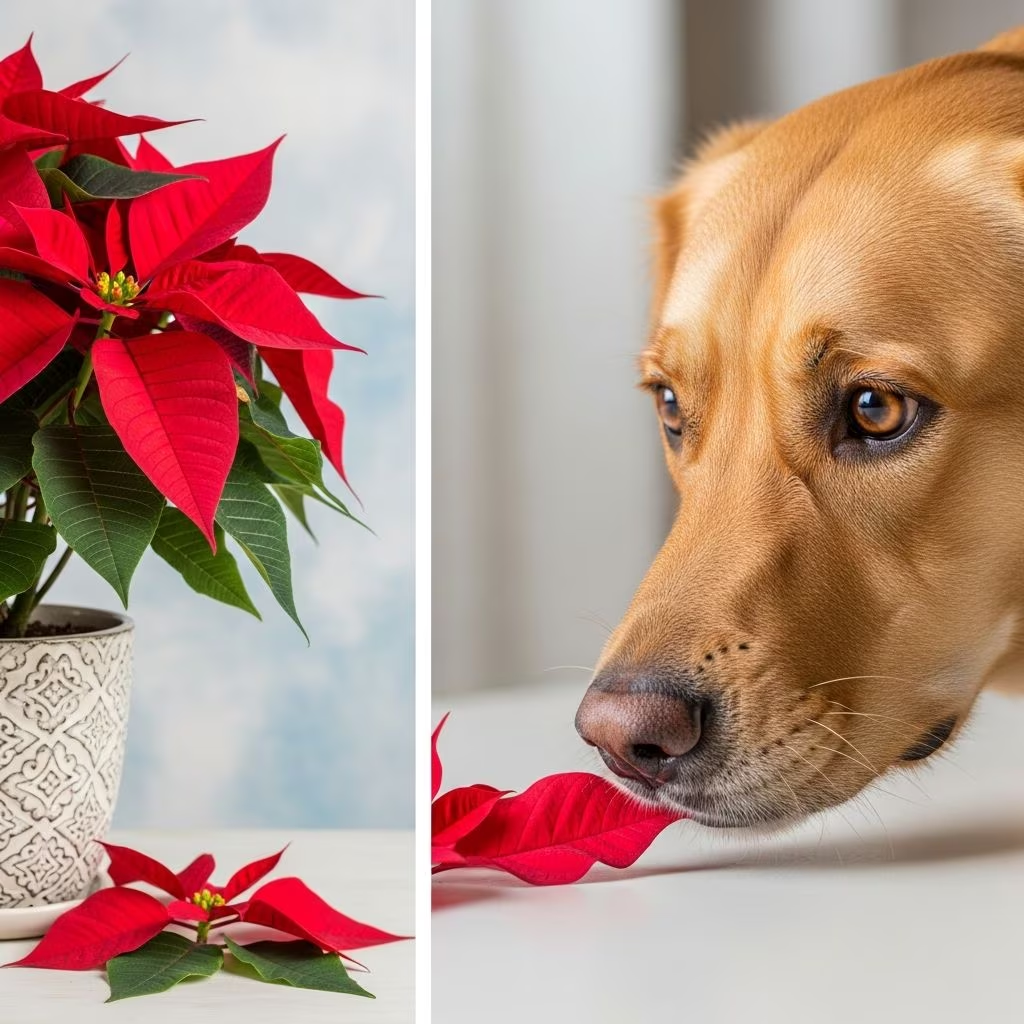
During holiday seasons, poinsettias brighten homes with their vibrant red bracts, but dog owners often worry about their pets’ safety around these popular plants. While poinsettias contain irritants that can affect dogs, the level of toxicity is generally low, leading to temporary discomfort rather than life-threatening issues. This article breaks down the science behind poinsettia effects on canines, outlines observable signs, provides response strategies, and offers practical prevention measures to keep your furry companion safe.
The Science Behind Poinsettia Irritants
Poinsettias (Euphorbia pulcherrima) produce a milky sap containing compounds like diterpenoid euphorbol esters and saponin-like substances, which act as natural deterrents against herbivores. These chemicals resemble those in some cleaning products and primarily irritate mucous membranes upon contact or ingestion. When a dog chews leaves, stems, or bracts, the sap triggers localized inflammation in the mouth, throat, and digestive tract.
Research from veterinary toxicology centers confirms that these irritants do not cause systemic poisoning in typical quantities dogs might consume. Instead, they provoke a defensive reaction: excessive salivation to dilute the sap and gastrointestinal upset to expel it. Skin or eye exposure can lead to dermatitis or conjunctivitis due to the sap’s caustic nature. Even dried leaves retain some potency, posing risks if nibbled.
Experts note that myths exaggerating poinsettia dangers stem from early 20th-century studies on large doses in other animals, but modern pet poison data shows minimal severe cases in dogs. The plant’s **mild toxicity rating** underscores why most incidents resolve without intervention.
Recognizing Signs of Exposure in Your Dog
Dogs may investigate poinsettias out of curiosity, especially during festive setups. Symptoms typically appear within minutes to hours, varying by exposure amount and the dog’s size or health status. Common indicators include:
- Oral irritation: Profuse drooling, pawing at the mouth, or reluctance to eat due to soreness.
- Gastrointestinal distress: Nausea, single episodes of vomiting, or loose stools.
- Skin reactions: Redness, itching, or swelling where sap contacts fur or paws.
- Eye involvement: Watering eyes, squinting, or redness if sap splashes nearby.
Less frequent but notable signs are reduced appetite or mild lethargy from discomfort. Diarrhea, if present, is usually short-lived. Monitor stool color: black, tarry, or bloody output signals urgency.
| Symptom | Commonality | Duration | Action Needed |
|---|---|---|---|
| Drooling | Very Common | 30 min – 2 hrs | Observe |
| Vomiting | Common | 1-24 hrs | Monitor; vet if persistent |
| Diarrhea | Occasional | 12-48 hrs | Check consistency |
| Skin Irritation | Common on contact | Hours | Wash area |
This table summarizes symptom patterns based on veterinary reports, helping owners assess severity quickly.
Immediate Steps After Suspected Ingestion
If you catch your dog in the act or notice plant debris, act promptly but calmly. First, remove access to the plant and any fallen parts. Gently rinse the dog’s mouth with cool water using a syringe or cupped hand—avoid forcing if resisted to prevent choking. For skin contact, bathe with mild soap and lukewarm water to neutralize sap.
Do not induce vomiting at home, as this risks aspiration without veterinary guidance. Offer small amounts of water or ice cubes to soothe the mouth. withhold food briefly, then introduce a bland diet like boiled rice and chicken if symptoms are mild. Track vital signs: normal temperature (100-102.5°F), hydration (elastic skin pinch test), and energy levels.
Contact professionals if symptoms escalate: persistent vomiting beyond 24 hours, bloody discharges, dehydration (sunken eyes, dry gums), or lethargy. The ASPCA Animal Poison Control Center at (888) 426-4435 provides 24/7 advice.
Veterinary Interventions for Poinsettia Cases
Most dogs recover spontaneously within 24-48 hours, with 90% of cases needing no treatment. Vets focus on supportive care: anti-emetics like Cerenia for nausea, fluid therapy for dehydration, or skin soothers for dermatitis. Hospitalization is rare, reserved for puppies, seniors, or those with pre-existing conditions.
In clinic, diagnostics might include bloodwork to rule out complications or radiographs if large quantities were swallowed. Prognosis is excellent; full recovery without sequelae is the norm. Owners should disclose plant amount and timing for tailored plans.
Prevention Strategies for Pet-Friendly Holidays
Proactive measures eliminate risks. Elevate plants on high shelves, use hanging baskets, or opt for artificial versions. Train commands like “leave it” reinforced with treats. Holiday-proof your space by securing decorations and supervising curious pups.
Consider dog-safe alternatives:
- Parlor palm (Chamaedorea elegans): Non-toxic, elegant foliage.
- Spider plant (Chlorophytum comosum): Air-purifying, resilient.
- Boston fern (Nephrolepis exaltata): Lush, pet-harmless.
- Calathea varieties: Colorful, low-light tolerant.
These plants mimic festive vibes without hazards. Maintain a pet plant list from ASPCA for ongoing safety.
Debunking Poinsettia Toxicity Myths
Urban legends claim poinsettias are deadly, fueled by outdated lab tests on massive doses. Reality: Pet poison hotlines log thousands of calls yearly, with zero fatalities. Small pets face higher relative risk, but symptoms remain mild. Educate guests: sap irritates humans too, causing rashes.
Breed variations exist—chewers like Labs are more prone—but no genetic susceptibility amplifies effects. Dried arrangements still warrant caution.
FAQs on Poinsettias and Canine Health
Q: Can a single leaf harm my dog?
A: Unlikely; minor upset at worst. Watch for signs.
Q: Is poinsettia sap dangerous topically?
A: Yes, causes irritation. Rinse immediately.
Q: What if my puppy eats poinsettias?
A: Puppies dehydrate faster; consult vet sooner.
Q: Are all poinsettia parts toxic?
A: Yes, sap in leaves, stems, bracts.
Q: Safe holiday plants for multi-pet homes?
A: Orchids, areca palms—verify via tox databases.
Long-Term Holiday Pet Safety Tips
Beyond poinsettias, scan for lilies, mistletoe, or chocolate. Annual vet checkups flag vulnerabilities. Pet insurance covers toxin incidents. Foster a “no chew” environment with toys mimicking plants. Informed owners celebrate worry-free.
References
- Are Poinsettias Poisonous to Dogs? — Chewy.com. 2023. https://www.chewy.com/education/dog/health-and-wellness/are-poinsettias-poisonous-to-dogs
- Are Poinsettias Toxic to Dogs? — Purina.com. 2024. https://www.purina.com/articles/dog/health/routine-care/are-poinsettias-toxic-to-dogs
- Poinsettia in Dogs — Lort Smith Melbourne Animal Hospital. 2023. https://lortsmith.com/need-help-now/dog/poisons-toxins/toxic-plants/poinsettia-in-dogs/
- Are Poinsettias Poisonous to Dogs? — Pets Furst Urgent Care. 2024. https://petsfursturgentcare.com/blog/are-poinsettias-poisonous-to-dogs/
- Are Poinsettias Poisonous to Dogs? — VEG.com. 2023. https://www.veg.com/post/are-poinsettias-poisonous-to-dogs
- Are Poinsettias Poisonous to Dogs? — AKC.org. 2024-12-10. https://www.akc.org/expert-advice/health/poinsettias-poisonous-dogs/
- Poinsettia — Pet Poison Helpline. 2024. https://www.petpoisonhelpline.com/poison/poinsettia/



