

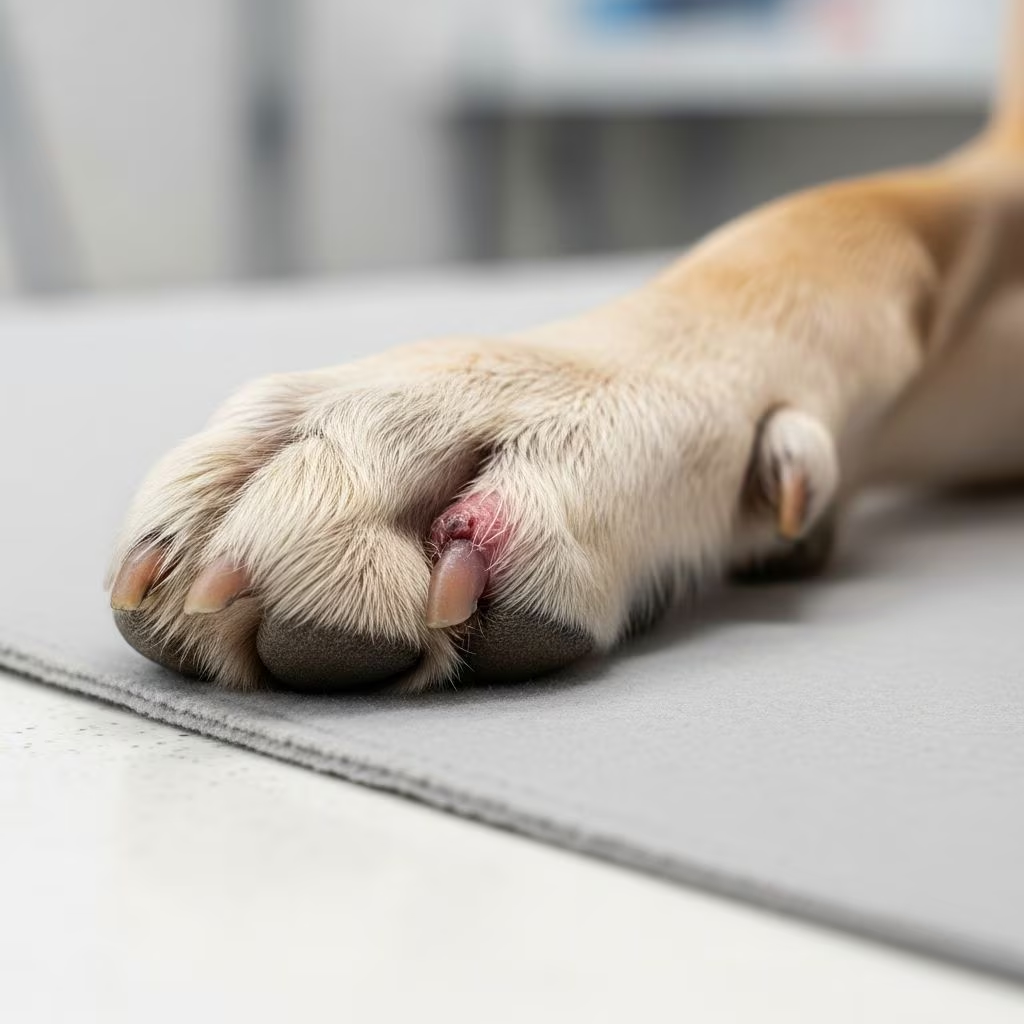
Understanding Pododermatitis in Dogs
Pododermatitis is a medical condition characterized by inflammation of the paw skin in dogs, affecting one or multiple paws simultaneously. This condition can significantly impact your dog’s quality of life, causing discomfort, pain, and behavioral changes. The paws are complex structures containing numerous nerve endings, making them particularly sensitive to inflammation and infection. Understanding this condition is essential for pet owners, as early recognition and treatment can prevent progression and complications.
The term “pododermatitis” literally means inflammation of the paw, but the condition encompasses a wide range of underlying causes and manifestations. Dogs may develop acute pododermatitis suddenly or chronic forms that persist over time. Recognizing the signs early and seeking veterinary care promptly can make a significant difference in treatment outcomes and your dog’s comfort level.
Common Causes of Pododermatitis in Dogs
Pododermatitis can be classified as primary or secondary, with multiple underlying causes contributing to the condition. Understanding the root cause is crucial for effective treatment and prevention of recurrence.
Primary Causes
Primary causes are the initial conditions that directly lead to pododermatitis development:
- Allergies: Environmental allergies (pollen, dust mites) and food allergies are among the most common causes of pododermatitis in dogs. Allergic reactions trigger inflammation and excessive licking, leading to paw irritation.
- Contact Dermatitis: Exposure to irritating substances such as certain plants, chemicals, or rough surfaces can cause paw inflammation.
- Parasitic Infections: Mange mites and other parasites can colonize the paw area, causing significant inflammation and discomfort.
- Foreign Bodies: Grass seeds, splinters, or other foreign objects lodged between the toes or in the paw pads require removal and may necessitate surgical intervention.
- Autoimmune Conditions: Certain autoimmune disorders specifically target the paws and paw pads, causing chronic inflammation.
- Hormonal Imbalances: Thyroid dysfunction and other endocrine disorders can predispose dogs to paw problems.
Secondary Causes
Secondary pododermatitis develops as a complication of the primary condition, often involving bacterial or yeast infections. These secondary infections occur because the inflamed, compromised skin provides an ideal environment for microbial growth. Treating secondary infections is critical, as they significantly increase itchiness, inflammation, and pain.
Recognizing Symptoms of Pododermatitis
Early recognition of pododermatitis symptoms is crucial for prompt intervention. Pet owners should regularly inspect their dogs’ paws and watch for behavioral changes that might indicate paw discomfort.
Early Warning Signs
- Excessive licking or chewing of the paws, particularly noticeable when the dog is resting
- Redness of the paw skin and between the toes
- Mild swelling or puffiness in the affected area
- Wincing or sensitivity when paws are touched or walked upon
- Hair loss on the paws, often from excessive licking
Advanced Symptoms
If left untreated, pododermatitis can progress to more severe manifestations:
- Bleeding, ulcerated, or crusty paws
- Cracked or oozing paw pads
- Scabbing and crusting formations
- Localized swelling or small nodules, often appearing between toes
- Clear, opaque, or bloody discharge from affected areas
- Waxy or oily debris within toe folds
- Abnormal odor emanating from the paws, indicating infection
- Lameness or limping that worsens over time
- Loss of use of the affected limb in extreme cases
- Swollen skin surrounding the nail bed
The Diagnostic Process
Accurate diagnosis is fundamental to successful treatment. Your veterinarian will conduct a thorough examination and may recommend specific diagnostic tests to identify the underlying cause.
Veterinary Examination
During the examination, your veterinarian will inspect the paws for signs of inflammation, redness, discharge, and assess the severity of the condition. They will pay particular attention to the areas between the toes, as inflammation in these spaces often goes unnoticed by pet owners until it becomes severe.
Diagnostic Tests
Your veterinarian may recommend one or more of the following diagnostic procedures:
- Cytology: Microscopic examination of cells collected from the affected area to identify bacterial or yeast infections
- Culture: Laboratory growth of microorganisms to determine the specific infectious agent and appropriate antibiotic sensitivity
- Trichogram: Microscopic examination of hair samples to identify parasitic infections or hair abnormalities
- Biopsy: Tissue sampling when autoimmune or other systemic conditions are suspected
- Allergy Testing: Serum or intradermal testing to identify specific allergens causing pododermatitis
Treatment Options for Pododermatitis
Treatment of pododermatitis depends on the underlying cause and may involve a combination of approaches. Your veterinarian will develop a tailored treatment plan based on the diagnosis and severity of the condition.
Medications and Topical Treatments
Pharmacological interventions form the foundation of most pododermatitis treatment plans.
Antibiotics and Antifungal Medications
When bacterial or yeast infections are present, your veterinarian may prescribe systemic antibiotics and antifungal medications. Commonly used antibiotics include Cephalexin, Cefpodoxime, and Convenia®. Prolonged antibiotic treatment, typically lasting 8 to 12 weeks, may be necessary for deep bacterial infections. These medications work systemically throughout the body, reaching infected tissues and eliminating the causative organisms.
Topical Medications
Medicated shampoos, creams, ointments, and wipes are frequently recommended for localized pododermatitis. Products such as Duoxo® S3 and Dechra® products can help soothe irritated skin and reduce the urge to scratch. Small lesions affecting one paw or a few toes can often be managed effectively with topical treatments alone, particularly when applied consistently as directed.
Anti-Inflammatory and Allergy Medications
Depending on the underlying cause, your veterinarian may prescribe anti-inflammatory or steroid medications to reduce inflammation and discomfort. For allergic pododermatitis, antihistamines and oral allergy medications can significantly reduce itching and inflammation. Regular foot baths with medicated shampoo can complement these medications by removing allergens and soothing the affected skin.
Surgical Intervention
In cases where non-invasive treatment is ineffective or when foreign bodies are present, surgery may be necessary. Surgical removal of foreign objects, abnormal tissue, or affected areas can resolve pododermatitis when medical management alone is insufficient. Surgery is also considered for certain cases involving cancer or severe structural abnormalities of the paw pads.
Supportive Therapies
Supportive care plays an important role in managing pododermatitis and preventing recurrence.
- Dietary Supplements: Fish oils, probiotics, and additional vitamins can improve overall skin health and reduce susceptibility to infection
- Hypoallergenic Diet: If food allergies are suspected, your veterinarian may recommend switching to a hypoallergenic or limited ingredient diet, which serves both diagnostic and therapeutic purposes
- Paw Care: Regular cleaning and maintenance of the paws, including nail trimming and hair management between toes, helps prevent future problems
- Environmental Management: Protecting paws from rough or hot surfaces using paw protectors can prevent contact-related pododermatitis
- Allergy Management: Working with your veterinarian to identify and manage allergies through environmental control or immunotherapy
Home Care and Management Strategies
While professional veterinary care is essential, several home management strategies can support treatment and provide comfort to your dog.
Topical Home Remedies
- Epsom Salt Baths: Soaking affected paws in warm Epsom salt solution for 10-15 minutes once or twice daily can reduce inflammation and irritation
- Apple Cider Vinegar Soaks: Diluted apple cider vinegar foot soaks may help reduce inflammation and itching when used consistently
- Cold Compresses: Applying cold compresses to affected areas several times daily can reduce swelling and pain
- Baking Soda: Mixed with water to create a paste, baking soda acts as a natural exfoliant and can reduce inflammation
- Aloe Vera: Natural aloe vera gel applied directly to affected areas may reduce inflammation and discomfort
- Turmeric: Known for its anti-inflammatory properties, turmeric mixed with water can be applied to the affected area
Supportive Home Practices
- Use pet-approved itch relief sprays that work on contact and help slow bacterial growth
- Employ paw protectors, especially when walking on rough or hot surfaces
- Maintain a clean home environment to minimize exposure to allergens and irritants
- Keep your dog’s nails trimmed to prevent ingrown hairs and structural problems
- Maintain regular grooming to manage hair growth between the toes
Prevention and Long-Term Management
Preventing pododermatitis recurrence requires a comprehensive approach targeting both the primary cause and risk factors.
- Regular Paw Inspections: Check your dog’s paws weekly for signs of redness, swelling, or discharge
- Allergy Management: Work with your veterinarian to identify and manage allergies through dietary changes, environmental control, or medication
- Healthy Diet: A balanced, nutritious diet supports immune function and skin health, helping prevent infections
- Parasite Prevention: Maintain regular flea, tick, and mite prevention as recommended by your veterinarian
- Paw Hygiene: Clean paws after outdoor activities to remove allergens, dirt, and potential irritants
- Exercise and Weight Management: Regular exercise maintains overall health, while healthy weight reduces stress on the paws
Frequently Asked Questions
Q: What is the difference between primary and secondary pododermatitis?
A: Primary pododermatitis is the initial condition causing inflammation, such as allergies or parasites. Secondary pododermatitis develops as a complication when bacterial or yeast infections colonize the already-inflamed paws, significantly worsening symptoms.
Q: How long does it take to treat pododermatitis in dogs?
A: Treatment duration varies based on the underlying cause and severity. Mild cases may improve within 1-2 weeks, while bacterial infections typically require 8-12 weeks of antibiotic treatment. Some chronic conditions require ongoing management for life.
Q: Can I treat my dog’s pododermatitis at home without veterinary care?
A: While home remedies can provide comfort, professional veterinary diagnosis and treatment are essential to identify the underlying cause and prevent complications. Home care works best as a complement to veterinary-prescribed treatment.
Q: Are certain dog breeds more prone to pododermatitis?
A: Dogs with long hair between toes, those prone to allergies, or breeds predisposed to skin conditions are at higher risk. However, any dog can develop pododermatitis regardless of breed.
Q: What should I do if my dog’s pododermatitis doesn’t improve with treatment?
A: If symptoms persist after 2-3 weeks of appropriate treatment, contact your veterinarian immediately. They may recommend additional diagnostic testing or modify the treatment plan based on response to initial therapy.
Q: Can pododermatitis be prevented?
A: While not all cases can be prevented, regular paw inspections, proper grooming, allergy management, parasite prevention, and maintaining a healthy diet significantly reduce the risk of developing pododermatitis.
References
- Healing Your Dog’s Pododermatitis: Discover Natural Ways to Treat Paw Infections — HICC Pet. Accessed 2025-11-28. https://hiccpet.com/blogs/dogs/healing-your-dogs-pododermatitis-discover-natural-ways-to-treat-paw-infections
- Pododermatitis In Dogs: From Symptoms To Treatment — PetLab Co. Accessed 2025-11-28. https://thepetlabco.com/learn/dog/symptoms/pododermatitis-in-dogs
- Pododermatitis in Dogs — PetMD. Accessed 2025-11-28. https://www.petmd.com/dog/conditions/skin/pododermatitis-dogs
- Pododermatitis on Dog Paw: Causes, Symptoms and Treatment — American Kennel Club. Accessed 2025-11-28. https://www.akc.org/expert-advice/health/pododermatitis-in-dogs/
- Canine pododermatitis — PMC, National Institutes of Health. Accessed 2025-11-28. https://pmc.ncbi.nlm.nih.gov/articles/PMC4982575/



