

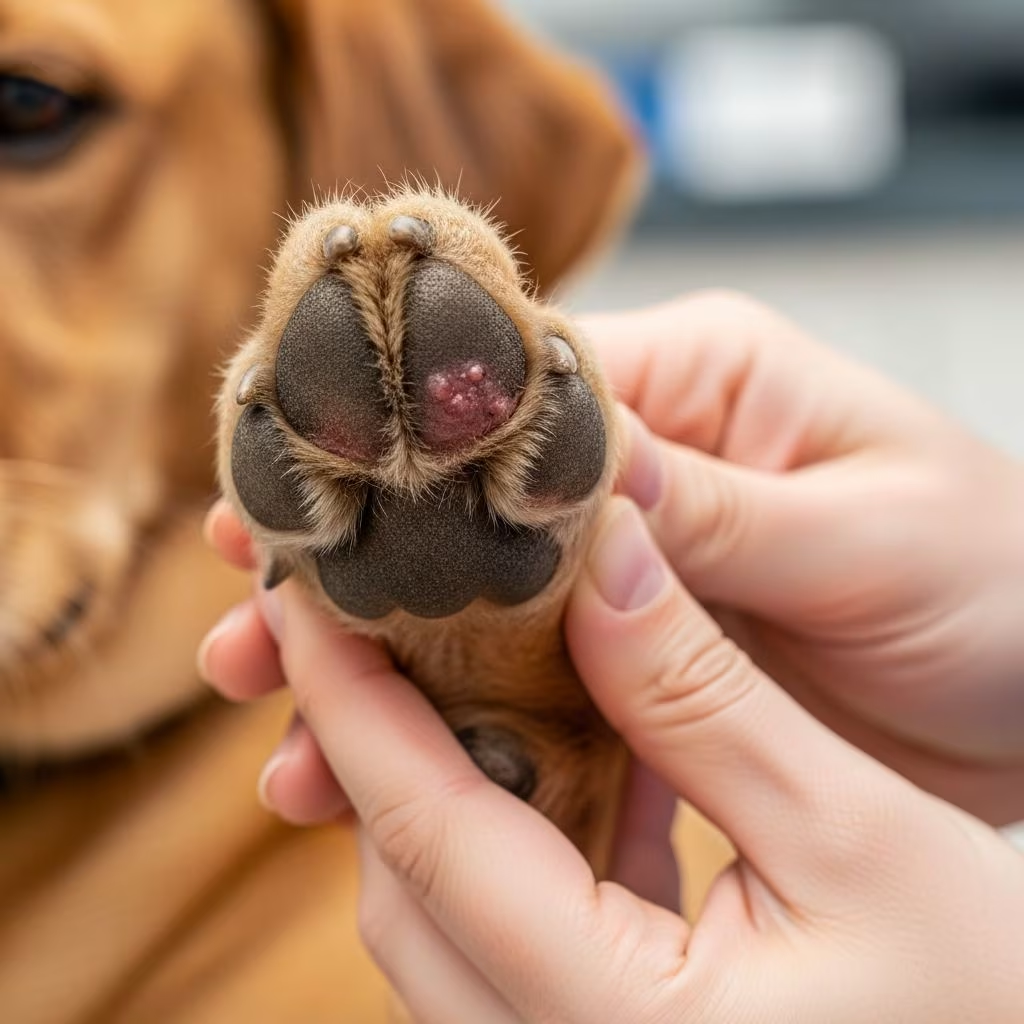
Understanding Pododermatitis in Dogs
Pododermatitis is a common veterinary condition characterized by inflammation of the skin on a dog’s paws. The term encompasses a broad range of inflammatory responses affecting one or multiple paws and can involve the paw pads, skin between the toes, and even the nails and nail beds. This condition can range from mild irritation to severe inflammation causing pain, ulceration, and even lameness that significantly impacts your dog’s mobility and quality of life. Understanding this condition is crucial for dog owners, as early recognition and appropriate treatment can prevent complications and chronic issues.
Pododermatitis typically manifests through visible signs including redness, swelling, and excessive licking or chewing of the affected area. Dogs with this condition often experience considerable discomfort, and the constant licking can lead to secondary infections that complicate the underlying problem. Since pododermatitis can stem from several different issues, proper diagnosis is essential for effective treatment and long-term management.
What Causes Pododermatitis in Dogs?
Identifying the root cause of pododermatitis in dogs is essential for effective treatment. The condition can result from a variety of medical factors, and often, more than one cause may be involved simultaneously. Understanding these triggers helps veterinarians develop targeted treatment plans.
Allergic Reactions
One of the most common causes of pododermatitis is allergic reaction—either environmental, food-related, or contact-based. Dogs with allergies often suffer from inflamed and itchy skin, with their paws being frequent targets of excessive licking. Atopic dermatitis, seasonal allergies, food hypersensitivities, and contact dermatitis can all trigger pododermatitis. The constant licking in response to itching can cause secondary bacterial and yeast infections that compound the problem. Young to middle-aged dogs are particularly susceptible to paw licking and chewing behaviors caused by food allergies, though environmental allergies are equally common culprits.
Infectious Causes
Bacterial and fungal infections are a significant part of pododermatitis pathology. Common infectious agents include bacteria, yeast (particularly Malassezia species), and fungal organisms. Infections are often secondary to other problems, such as allergies or trauma, but can also be primary causes. Signs of infection include redness, swelling, painful lumps, and moist discharge. Interestingly, bacteria most commonly secondarily invade the feet of dogs with primary causes like allergies, requiring comprehensive treatment of both the underlying condition and the infection.
Parasitic Infestations
Parasites such as mange mites can cause or contribute to pododermatitis. Demodicosis (demodectic mange) is one example where parasitic infestation leads to paw inflammation and secondary infections. These parasitic causes require specific antiparasitic treatments to resolve the condition.
Trauma and Foreign Bodies
Injuries to the paw, such as cuts, burns, or embedded objects like thorns or foxtails, can lead to localized pododermatitis. Dogs may lick the area in an attempt to relieve pain, which can worsen the inflammation. Foreign bodies are particularly important causes, as they drive bacteria down into deeper tissues, creating serious infections that require prompt removal and treatment.
Autoimmune and Hormonal Conditions
Less commonly, underlying immune system disorders or hormonal imbalances—such as hypothyroidism—can contribute to the development of pododermatitis in dogs. These conditions weaken the skin’s ability to maintain proper barriers and fight off infections, making the paws more susceptible to inflammation.
Conformational Issues
Some dogs are genetically predisposed to pododermatitis due to physical structure. Dogs with splayed feet experience weight distribution on soft, haired skin around the pads, causing inflammation and sore, red areas. Additionally, dogs with hairy feet and short, bristly hairs—such as many Spaniels—can develop interdigital granulomas when hair shafts are pushed through follicles into deeper tissues, triggering inflammatory responses.
Recognizing Symptoms of Pododermatitis
Dog owners should be aware of clinical signs associated with pododermatitis to seek timely veterinary care. Common symptoms include:
– Excessive licking, chewing, or biting of the paws- Redness and inflammation of the paw area- Swelling of the pads or interdigital spaces- Hair loss (alopecia) around the paws- Salivary staining from excessive licking- Hyperpigmentation of the skin- Painful lumps or nodules- Moist discharge or oozing- Limping or reluctance to walk- Ulceration of severe cases
If your dog displays any of these signs, it’s important to contact your veterinarian promptly, as pododermatitis requires medical attention and treatment to heal properly.
Diagnostic Approach to Pododermatitis
A diagnosis for pododermatitis requires a thorough work-up by your veterinarian. This comprehensive evaluation includes a detailed history of the dog’s symptoms, an in-depth physical examination of the affected paws, and appropriate diagnostic tests. Your vet may perform skin scrapings, fungal cultures, bacterial cultures, or cytology to identify infectious agents. In cases of suspected allergies, allergy testing or elimination diets may be recommended. For autoimmune conditions, additional blood work or imaging may be necessary to establish the underlying cause.
Treatment Strategies for Pododermatitis
Because pododermatitis can stem from several different issues, treatment is often tailored to the specific diagnosis. The goal is to reduce inflammation, manage infections, and address the root cause to prevent recurrence. A comprehensive approach typically involves two main components: treating secondary infections and addressing the underlying primary cause.
Treating Secondary Infections
There is a high likelihood that dogs with pododermatitis will develop secondary bacterial or yeast infections. It’s important to treat these promptly because they cause much of the itchiness, inflammation, and pain the pet experiences. Immediately treating any infection removes the risk of it worsening and offers comfort to your dog while working on a treatment plan for the primary cause.
Treatments may include topical therapy such as shampoo washes, foot soaks, or wipes for secondary bacterial and yeast infections. Oral antibiotics and antifungals may be required for more severe cases. Bacterial infections usually need to be treated for a minimum of 6 weeks to ensure complete resolution and prevent recurrence. Topical antibacterial agents such as benzoyl peroxide or Epsom salt soaks may be useful adjuvant therapies alongside systemic medications.
Treating Primary Causes
Because there are so many primary causes of pododermatitis, treatment options vary greatly depending on the diagnosis. Treatment could involve individual or combination drug therapies, topical creams, pain management, anti-itch medications, lifestyle changes, and possibly surgery for the removal of foreign bodies or cancer diagnoses.
Allergic Pododermatitis
For allergy-related cases, your vet may recommend dietary changes, environmental adjustments, or long-term allergy management strategies. Corticosteroids (prednisone, dexamethasone), immune modulating drugs such as cyclosporine (Atopica®) and oclactinib (Apoquel®), or immunotherapeutic injections of lokivetmab (Cytopoint®) may be required in cases involving seasonal or food allergies. Food and contact hypersensitivities require the avoidance of the offending allergen or allergens, which may involve dietary trials or environmental modifications.
Parasitic Infestations
In cases involving parasites such as mites, specific antiparasitic treatments will target those underlying factors directly. These treatments vary depending on the specific parasite involved.
Hormonal Issues
Dogs with hormonal imbalances like hypothyroidism require endocrine management alongside pododermatitis treatment to address the root cause.
Autoimmune Conditions
Immune mediated causes involve immunosuppressive therapies such as steroids or steroids combined with immunosuppressive drugs. Owners should be forewarned that autoimmune conditions will not go away and will require lifelong treatment with frequent monitoring.
Cancer-Related Pododermatitis
The treatment for cancer-induced pododermatitis depends on the type of cancer present and the extent of metastasis. Surgery, radiation, and chemotherapy are the types of therapies most typically used, and consultation with a veterinary oncologist is advisable.
Long-Term Management
Some treatments will be temporary, while others might be lifelong depending on the underlying cause. Veterinarians often recommend regular paw cleaning, avoiding allergens or irritants, and monitoring for signs of recurrence. Dogs with chronic pododermatitis may require long-term management and periodic checkups. Some dogs may need ongoing, lifelong topical or systemic therapy along with management of the primary underlying disease to prevent further recurrence.
Prevention and Paw Care
While not all cases of pododermatitis can be prevented, certain measures can reduce the risk. Maintain regular paw hygiene by cleaning and drying the paws after outdoor activities. Trim hair between the toes and on the paw pads to prevent hair-related irritation. Inspect paws regularly for signs of inflammation, foreign bodies, or injuries. For dogs with known allergies, work with your veterinarian to manage environmental or dietary triggers. Keep your dog’s nails trimmed to maintain proper paw structure and reduce stress on the pads.
Prognosis and Outcomes
The prognosis for pododermatitis depends on the underlying cause and how quickly treatment is initiated. Most cases respond well to appropriate therapy, especially when the primary cause is identified and addressed. However, conditions like atopic dermatitis or autoimmune diseases may be chronic and require ongoing management. The prognosis for idiopathic (cause unknown) pododermatitis is more guarded, emphasizing the importance of thorough diagnostic work-up.
Frequently Asked Questions
Q: Can pododermatitis in dogs go away on its own?
A: Pododermatitis requires medical attention and treatment to heal properly. If your dog has been licking and biting their paws with subsequent symptoms, contact your veterinarian. Without proper treatment, the condition often worsens due to secondary infections and continued inflammation.
Q: Can dogs get pododermatitis from food allergies?
A: Yes, pododermatitis can be caused by food allergies in dogs. While licking and chewing the paws are common signs of food allergies in young to middle-aged dogs, this can also result from environmental allergies or other causes. Your veterinarian can help identify whether food allergies are involved through diagnostic testing and dietary trials.
Q: How long does it take to treat pododermatitis?
A: Treatment duration depends on the underlying cause and severity. Bacterial infections typically require a minimum of 6 weeks of treatment, while allergy-related cases may require ongoing long-term management. Some cases may resolve within weeks, while chronic conditions require lifelong care.
Q: What should I do if I notice my dog excessively licking their paws?
A: Schedule a veterinary appointment promptly. Early intervention can prevent secondary infections and complications. Your vet can examine the paws, perform necessary diagnostics, and recommend appropriate treatment based on the underlying cause.
Q: Are certain dog breeds more prone to pododermatitis?
A: Yes, certain breeds with specific conformational features or genetic predispositions are more susceptible. Breeds with hairy feet, splayed feet structure, or genetic tendencies toward allergies are at higher risk. However, any dog breed can develop pododermatitis.
References
- Dog Licking Paw: Symptoms & Treatment — Saratoga Veterinary Hospital. https://saratogavethosp.com/blog/pododermatitis-dog-paw/
- Pododermatitis on Dog Paw: Causes, Symptoms and Treatment — American Kennel Club. https://www.akc.org/expert-advice/health/pododermatitis-in-dogs/
- Differential Diagnoses for Canine Pododermatitis — DVM360. https://www.dvm360.com/view/differential-diagnoses-canine-pododermatitis-proceedings
- Pododermatitis in Dogs — Douxo. https://douxo.de/blogs/dog-news/pododermatitis-in-dogs
- Canine Pododermatitis — National Center for Biotechnology Information (NCBI). https://pmc.ncbi.nlm.nih.gov/articles/PMC4982575/
- Pododermatitis in Dogs — VCA Animal Hospitals. https://vcahospitals.com/know-your-pet/pododermatitis-in-dogs
- Pododermatitis in Dogs — PetMD. https://www.petmd.com/dog/conditions/skin/pododermatitis-dogs



