

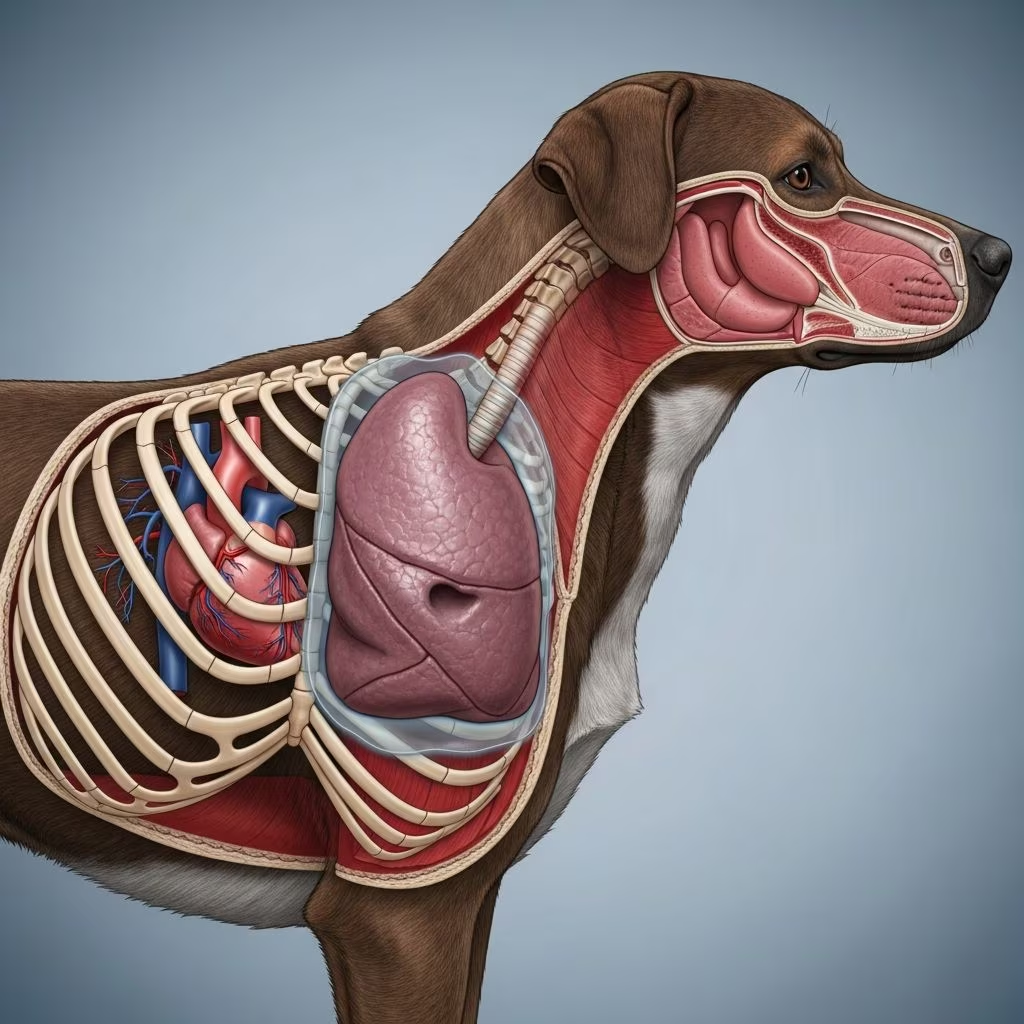
Understanding Pneumothorax in Dogs
Pneumothorax is a serious respiratory condition that occurs when air accumulates in the pleural cavity, the space between the lungs and the chest wall. This accumulation of air causes the lungs to collapse partially or completely, severely compromising a dog’s ability to breathe. The condition can develop suddenly and requires immediate veterinary attention to prevent life-threatening complications. Understanding the causes, symptoms, and treatment options is essential for dog owners who want to recognize this emergency and seek prompt medical care for their pets.
What Is Pneumothorax?
Pneumothorax involves the presence of air in the pleural space, which normally contains only a small amount of fluid that allows the lungs to move smoothly during breathing. When air enters this space, it creates positive pressure that pushes against the lungs, preventing them from fully inflating. This results in reduced oxygen uptake and difficulty breathing. The condition can be classified into three main types based on its cause: spontaneous pneumothorax (occurring without trauma), traumatic pneumothorax (resulting from injury), and iatrogenic pneumothorax (caused accidentally during medical procedures).
Causes of Pneumothorax in Dogs
Several underlying factors can lead to pneumothorax development in dogs. Understanding these causes helps identify which dogs may be at higher risk and when to seek immediate veterinary care.
Primary Causes
- Trauma and Injury: Chest trauma from accidents, falls, or blunt force injuries is among the most common causes of pneumothorax in dogs. Penetrating wounds that breach the chest wall can introduce air into the pleural cavity.
- Rupture of Bullae: Small air sacs or blebs in the lungs can rupture spontaneously, allowing air to escape into the pleural space. This is particularly common in older dogs and those with underlying lung disease.
- Underlying Lung Disease: Dogs with primary lung conditions may develop secondary pneumothorax as the disease progresses.
- Parasitic Infections: Certain parasites like Angiostrongylus vasorum can cause lung damage leading to pneumothorax.
- Medical Procedures: Iatrogenic pneumothorax can occur during veterinary procedures such as needle aspiration or catheter placement when the lungs are accidentally punctured.
Clinical Signs and Symptoms
The symptoms of pneumothorax can vary based on the severity of air accumulation and how quickly it develops. Recognizing these signs is crucial for prompt intervention:
- Rapid, Shallow, or Labored Breathing (Dyspnea): The most characteristic sign of pneumothorax is difficulty breathing, which may appear as rapid chest movements or shallow breathing patterns.
- Increased Respiratory Rate: Dogs with pneumothorax typically breathe faster than normal as they attempt to compensate for reduced lung capacity.
- Cyanosis: A bluish discoloration of the gums and mucous membranes may indicate insufficient oxygen in the bloodstream.
- Lethargy and Weakness: Dogs may appear tired, weak, or reluctant to move due to respiratory compromise.
- Anxiety or Restlessness: Some dogs display nervous behavior or seem anxious due to breathing difficulties.
- Pale or Muddy Mucous Membranes: Poor circulation resulting from respiratory distress may cause color changes in the gums and mouth.
- Exercise Intolerance: Affected dogs may refuse to play or exercise and tire quickly.
Diagnosis of Pneumothorax
Accurate diagnosis involves multiple diagnostic procedures and tests to confirm the presence of pneumothorax and identify its underlying cause.
Physical Examination
The veterinarian will perform a thorough physical examination, paying close attention to respiratory rate, heart rate, and lung sounds. In dogs with pneumothorax, lung sounds may be diminished or absent on the affected side. Auscultation (listening with a stethoscope) of all thoracic areas bilaterally is necessary since air may not be evenly distributed.
Radiographic Imaging
Chest radiographs (X-rays) are essential for visualizing the pleural cavity and confirming the presence of free air. X-ray imaging clearly shows the separation between the collapsed lung and the chest wall. Multiple views may be taken to assess the extent of collapse and identify any underlying causes such as fractures or foreign bodies.
Thoracocentesis
Thoracocentesis is a procedure in which an intravenous catheter attached to an extension tube is inserted into the pleural cavity. This procedure serves dual purposes: it can confirm the diagnosis by demonstrating the presence of air and can simultaneously remove air from the pleural space, providing immediate relief of respiratory distress. Most dogs tolerate this procedure well, and it can be performed in conscious or lightly sedated patients.
Bronchoscopy
Bronchoscopy involves the use of a thin tube with a tiny camera attached, inserted into the airways through the mouth. This diagnostic tool is best used when there is evidence of tracheal or large airway trauma and helps identify the specific location and nature of injuries.
Additional Diagnostic Tests
The veterinarian may recommend blood tests, including a complete blood count (CBC) and blood gas analysis, to assess overall health and evaluate the severity of pneumothorax. Ultrasound imaging can visualize the pleural cavity and guide procedures such as thoracocentesis or chest tube placement. Urine analysis may also be performed as part of the diagnostic workup.
Treatment Options for Pneumothorax
Treatment depends on the underlying cause, severity of the condition, and the dog’s overall stability. Most dogs require hospitalization until air accumulation has stopped or stabilized.
Medical Management
Oxygen Therapy: Supplemental oxygen is provided to improve blood oxygen levels and is typically continued until the dog stabilizes. Oxygen therapy is fundamental to initial management of respiratory distress.
Air Removal via Thoracocentesis: As much air as possible should be removed from the pleural space to allow lung re-expansion. This procedure can be repeated as necessary, typically performed when dogs require more than two thoracocenteses per 24 hours.
Thoracostomy Tube Placement: For dogs requiring frequent air removal, a thoracostomy tube may be placed to provide continuous or intermittent drainage of air from the pleural cavity. This tube remains in place during recovery and allows for easier drainage without repeated needle insertions.
Pain Management
Effective pain relief is essential, especially in cases of traumatic pneumothorax. Opioid medications such as morphine, hydromorphone, fentanyl, and buprenorphine are commonly used for pain control. These medications can be administered via injection, transdermal patches, or oral formulations depending on severity. Multimodal pain management, which combines different medications and techniques, allows for lower doses of individual drugs while providing comprehensive pain relief.
Supportive Care
Dogs recovering from pneumothorax require comfortable bedding, a quiet environment, and gentle handling to minimize stress. Cage rest is very important for recovery, with sedation provided if the dog is excitable. Intravenous fluids support hydration and circulation during hospitalization. Antibiotics are prescribed if there are open wounds or pulmonary contusions.
Surgical Intervention
Surgery becomes necessary when less invasive procedures such as thoracocentesis or chest tube insertion do not effectively resolve the condition. Traumatic pneumothorax involving significant chest wall defects requires surgical repair once the dog is stable. Procedures may include suturing traumatic lung lacerations or removing sections of diseased lung tissue. In some cases, removal of part or all of a lung may be necessary if there are localized lesions, masses, or ruptured bullae causing recurrent pneumothorax.
Recovery and Prognosis
Dogs with no concurrent lung issues and spontaneous pneumothorax are approximately three times more likely to have successful outcomes compared to those with underlying lung disease. Recovery time varies depending on the underlying cause and severity of the condition.
Post-Treatment Care
Following discharge from the hospital, dogs require careful monitoring and follow-up veterinary care. Regular check-ups allow the veterinarian to assess progress and detect any complications early. Medications prescribed for pain relief, antibiotics, or anti-inflammatory purposes must be administered as directed. Owners should maintain communication with their veterinarian regarding any concerns or side effects observed during recovery.
Long-Term Considerations
Some dogs may require ongoing medication to manage pain, inflammation, or underlying conditions related to pneumothorax. Activity restriction during the recovery period is important to allow the lungs to fully re-expand and heal. Gradual return to normal activity should occur under veterinary guidance.
Frequently Asked Questions
Q: Can pneumothorax in dogs be corrected?
A: Yes, pneumothorax can be corrected, but treatment depends on the underlying cause and severity. Mild cases with small pneumothoraxes may resolve spontaneously without intervention. Moderate to severe cases require medical treatment such as oxygen therapy, thoracocentesis, chest tube placement, or surgery. Seeking veterinary care immediately increases the chances of successful recovery.
Q: How is air removed from a dog’s chest cavity?
A: Air is removed through a procedure called thoracocentesis, where a needle or catheter is inserted into the chest cavity to aspirate (withdraw) the accumulated air. For dogs requiring frequent drainage, a thoracostomy tube may be placed to provide continuous or on-demand drainage during the recovery period.
Q: What is the difference between traumatic and spontaneous pneumothorax?
A: Traumatic pneumothorax results from injury or accident that damages the chest wall or lungs, while spontaneous pneumothorax occurs without external trauma, usually due to rupture of lung blebs or bullae. Treatment approaches may differ, with traumatic cases often requiring surgical intervention for chest wall repair.
Q: How long does a dog need to stay hospitalized with pneumothorax?
A: Hospitalization duration varies based on severity and underlying cause. Most dogs remain hospitalized until air accumulation has stopped or stabilized. Some may require only a few days of treatment, while others with complications may need extended hospitalization. Your veterinarian will determine the appropriate discharge timeline based on your dog’s specific condition.
Q: Is pneumothorax life-threatening in dogs?
A: Yes, pneumothorax can be life-threatening, especially if left untreated or if it develops rapidly. Severe pneumothorax can prevent lung expansion and oxygen uptake, leading to respiratory failure. Prompt veterinary intervention and appropriate treatment are essential for survival and recovery.
References
- Accumulation of Air Between Chest and Lungs in Dogs — PetMD. 2024. https://www.petmd.com/dog/conditions/respiratory/c_multi_pneumothorax
- Pneumothorax in Dogs: Causes, Symptoms, and Treatment — VCA Animal Hospitals. 2024. https://vcahospitals.com/know-your-pet/pneumothorax-in-dogs
- Approaches to Diagnosis and Treatment of Pneumothorax — Vet Times. 2023. https://www.vettimes.com/news/vets/small-animal-vets/approaches-t0-diagnosis-and-treatment-of-pneumothorax
- Spontaneous Pneumothorax — American College of Veterinary Surgeons. 2024. https://www.acvs.org/small-animal/spontaneous-pneumothorax/
- Managing Pneumothorax in Small Animal Practice — DVM360. 2023. https://www.dvm360.com/view/managing-pneumothorax-proceedings



