

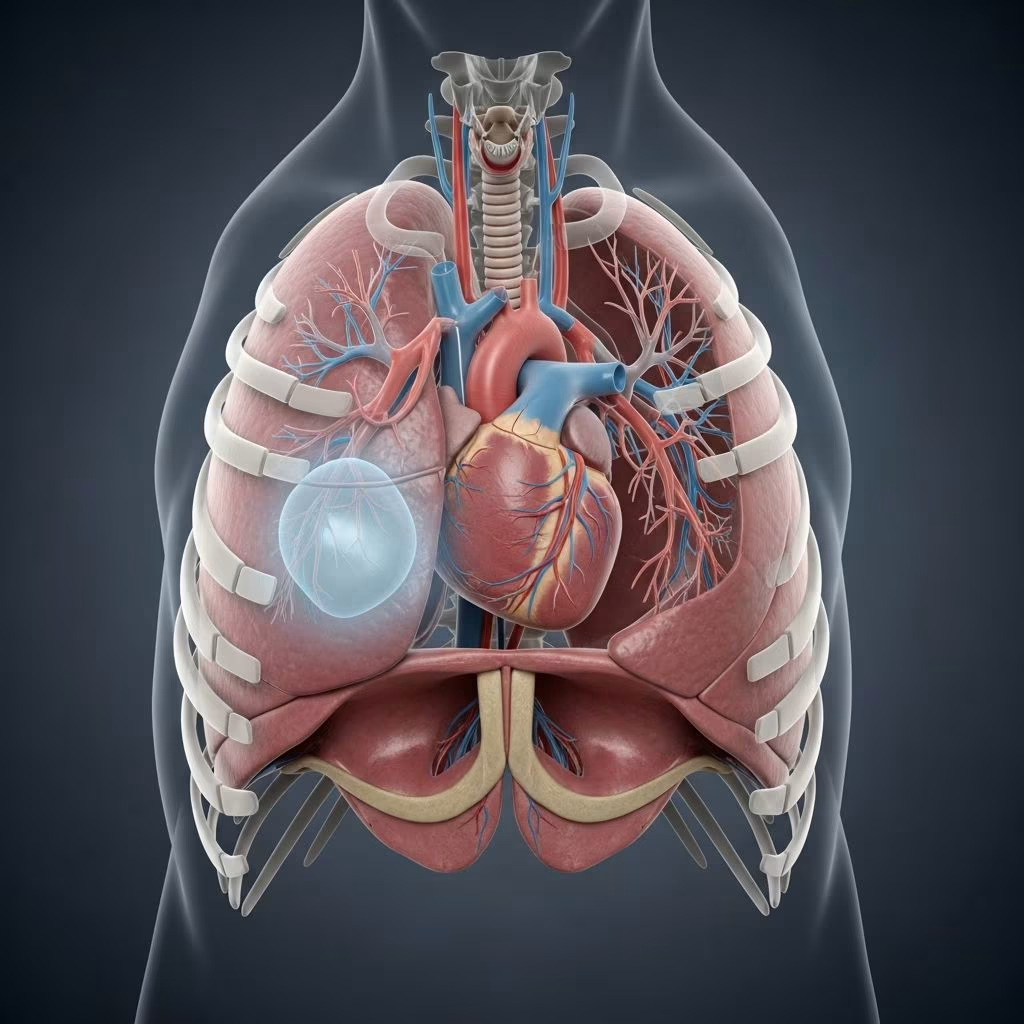
Pneumothorax in Dogs: A Comprehensive Guide
Pneumothorax is a serious medical condition affecting dogs that occurs when air accumulates in the pleural cavity, the space between the lungs and the chest wall. This accumulation of air can cause the lungs to collapse partially or completely, leading to severe respiratory distress and potentially life-threatening complications. Understanding this condition is crucial for dog owners, as early recognition and prompt veterinary intervention can significantly improve outcomes.
What is Pneumothorax?
Pneumothorax develops when air enters the pleural space, creating pressure that prevents the lungs from expanding properly. The severity of this condition depends on the amount of air accumulated and the underlying cause. Dogs with pneumothorax may experience mild to severe respiratory compromise, and without appropriate treatment, this condition can become fatal. The condition can be classified into three main categories: spontaneous primary pneumothorax, spontaneous secondary pneumothorax, and traumatic pneumothorax, each with distinct characteristics and treatment approaches.
Causes of Pneumothorax in Dogs
Pneumothorax in dogs can result from various causes, which help determine the appropriate treatment strategy. Understanding the underlying cause is essential for preventing recurrence and developing a comprehensive treatment plan.
Traumatic Causes
Traumatic pneumothorax develops following thoracic trauma, such as hit-by-car accidents, falls from heights, or penetrating chest wounds. During traumatic events, the lung tissue or chest wall may rupture, allowing air to escape into the pleural cavity. Dogs presenting shortly after trauma with severe respiratory distress require immediate emergency intervention, making rapid diagnosis and thoracocentesis essential.
Spontaneous Causes
Spontaneous pneumothorax occurs without external trauma and may develop due to ruptured lung blebs or bullae, underlying lung disease, or pulmonary lesions. Some dogs develop primary spontaneous pneumothorax with no identifiable underlying lung pathology, while others have secondary spontaneous pneumothorax associated with conditions such as lung masses, abscesses, or parasitic infections.
Iatrogenic Causes
Iatrogenic pneumothorax can result from veterinary procedures or accidents, including thoracocentesis complications, chest tube placement errors, or surgical mishaps.
Clinical Signs and Symptoms
Dogs with pneumothorax exhibit a range of clinical signs that vary depending on the severity of air accumulation and the speed of onset. Recognizing these symptoms is critical for timely intervention.
Common Respiratory Symptoms
The most characteristic signs of pneumothorax include rapid, shallow, or labored breathing patterns known as dyspnea. Dogs may display increased respiratory rate, often accompanied by obvious respiratory effort and increased work of breathing. Cyanotic or muddy-appearing mucous membranes indicate severe hypoxemia, suggesting compromised oxygen delivery to tissues.
Additional Clinical Manifestations
Beyond respiratory symptoms, affected dogs may demonstrate lethargy, reluctance to lie down, orthopnea (difficulty breathing when lying flat), and general malaise. Some dogs remain relatively calm and show minimal external signs despite significant air accumulation, while others display obvious distress. In severe cases, dogs may collapse or show signs of shock.
Diagnosis of Pneumothorax
Accurate diagnosis combines clinical assessment with diagnostic imaging and procedures. Veterinarians employ multiple diagnostic approaches to confirm pneumothorax and identify underlying causes.
Physical Examination
During physical examination, veterinarians carefully assess respiratory rate, heart rate, and lung sounds. One of the hallmark findings is muffled or diminished lung sounds, particularly on the affected side, due to air occupying the space normally filled by lung tissue. Auscultation of all thoracic areas bilaterally is necessary since pneumothorax is often bilateral.
Radiographic Imaging
Thoracic radiographs (X-rays) provide visual confirmation of pneumothorax by revealing free air within the pleural cavity and a retracted lung appearance. X-rays may also identify underlying causes such as lung masses, penetrating objects, or other pathology. In some cases, CT imaging or thoracic ultrasound provides additional diagnostic information and helps guide subsequent procedures.
Thoracocentesis
Thoracocentesis is both diagnostic and therapeutic, making it an essential procedure in pneumothorax management. During thoracocentesis, an intravenous catheter attached to an extension tubing is inserted into the pleural cavity to confirm the presence of air and remove accumulated air from the pleural space. This procedure can be performed in conscious or lightly sedated patients and serves as an emergency measure for dyspneic animals.
Bronchoscopy
Bronchoscopy involves inserting a thin tube with a camera into the airways via the mouth and is most useful when tracheal or large airway trauma is suspected. This procedure helps identify the source of air leakage and assess airway damage.
Additional Diagnostic Tests
Blood tests, including complete blood count (CBC) and blood gas analysis, assess the dog’s overall health status and evaluate the severity of hypoxemia and acid-base disturbances. In cases of suspected spontaneous pneumothorax, further investigation should include hematology, biochemistry, and fecal flotation to detect parasitic infections such as Angiostrongylus vasorum.
Treatment of Pneumothorax
Treatment approaches depend on the underlying cause, severity of clinical signs, and the dog’s response to initial stabilization. Most dogs require hospitalization until air accumulation has stopped or stabilized.
Initial Stabilization and Oxygen Therapy
Dogs presenting with respiratory distress receive immediate oxygen therapy to improve oxygenation and stabilize their condition. Supplemental oxygen is provided until the dog achieves adequate oxygen saturation. Intravenous fluids support systemic perfusion and maintain hydration during hospitalization.
Air Removal: Thoracocentesis
Air removal via thoracocentesis is often the first therapeutic intervention in dyspneic patients with pneumothorax. As much air as possible is aspirated from the pleural space to allow lungs to re-expand. Most dogs can tolerate this procedure with minimal sedation, though opioid analgesia is beneficial for pain control and improves ventilation by reducing pain-associated breathing restrictions.
Thoracostomy Tube Placement
For dogs requiring repeated thoracocentesis procedures, thoracostomy tube (chest tube) placement is recommended, particularly when more than two thoracocenteses are needed within 24 hours or in cases of tension pneumothorax. The chest tube allows continuous or intermittent air drainage and reduces the need for repeated needle aspirations.
Cage Rest and Sedation
Strict cage rest is vital during recovery, as activity increases respiratory effort and can worsen air accumulation. Sedation with acepromazine helps reduce stress and anxiety, while deeper sedation using dexmedetomidine constant rate infusions may be necessary for excitable or uncooperative dogs.
Pain Management
Effective pain relief is essential, particularly in traumatic cases and for dogs with thoracostomy tubes. Opioids such as morphine, hydromorphone, fentanyl, and buprenorphine are commonly used, administered via injection, transdermal patches, or oral formulations depending on pain severity. Multimodal pain management, combining different pain-relief medications and techniques, allows lower doses while providing comprehensive analgesia and reducing side effects. Careful opioid use is necessary to avoid respiratory depression.
Surgical Intervention
Surgery becomes necessary when conservative treatments fail or when an identifiable cause requires surgical correction. In traumatic cases with significant chest wall defects, surgery is required once the dog is stable and receiving adequate oxygen. Lung lesions, masses, or localized blebs may require removal of affected lung portions. Traumatic lung lacerations can often be sutured closed, preserving lung tissue and function.
Antibiotic Therapy
Antibiotics are essential, particularly in open wounds or when pulmonary contusions are present. Broad-spectrum antibiotics help prevent secondary infections that could complicate recovery.
Additional Supportive Care
Beyond air removal and medications, comprehensive supportive care includes comfortable bedding, quiet environments, and gentle handling to minimize stress and discomfort. Pleural effusion (fluid accumulation in the chest cavity) should be drained if present, particularly in hemorrhagic effusion cases where the dog shows respiratory distress.
Prognosis and Recovery
Dogs with spontaneous pneumothorax and no concurrent lung disease are approximately three times more likely to have successful outcomes compared to those with underlying pathology. Recovery requires consistent follow-up care and monitoring to ensure proper healing and detect complications early.
Post-Treatment Monitoring
Regular veterinary check-ups during recovery are essential to assess progress and evaluate treatment effectiveness. The frequency of visits depends on the dog’s specific situation and veterinarian recommendations. Dogs recovering from pneumothorax may require ongoing pain relievers, antibiotics, or anti-inflammatory medications as prescribed.
Medication Management
Strict adherence to medication schedules is crucial for successful recovery. Owners should communicate any side effects or concerns about medications to their veterinarian immediately.
Prevention and Long-Term Considerations
While some cases of pneumothorax cannot be prevented, particularly traumatic cases, certain preventive measures may help reduce risk. Limiting high-risk activities, preventing falls or trauma, and maintaining regular veterinary check-ups help identify underlying lung disease early. Dogs with history of spontaneous pneumothorax should be monitored closely for recurrence.
Frequently Asked Questions
Q: Can pneumothorax be fatal in dogs?
A: Yes, pneumothorax can be life-threatening, particularly if untreated or in cases of tension pneumothorax where air continues accumulating and compresses vital structures. However, with prompt veterinary intervention and appropriate treatment, many dogs recover successfully.
Q: How long does recovery from pneumothorax typically take?
A: Recovery time varies depending on the severity, underlying cause, and treatment approach. Most dogs require hospitalization of several days to weeks, with additional monitoring and restricted activity during the recovery period.
Q: Is pneumothorax more common in certain dog breeds?
A: While pneumothorax can affect any dog breed, certain deep-chested breeds may have increased predisposition to primary spontaneous pneumothorax due to ruptured blebs or bullae.
Q: Can pneumothorax recur after successful treatment?
A: Yes, recurrence is possible, particularly in spontaneous cases. Dogs with previous pneumothorax episodes require careful monitoring and veterinary follow-up to detect and treat recurrence promptly.
Q: What should I do if I suspect my dog has pneumothorax?
A: Seek immediate veterinary attention if your dog shows signs of respiratory distress, rapid breathing, or other pneumothorax symptoms. Do not delay as pneumothorax constitutes a medical emergency requiring urgent evaluation and treatment.
References
- Pneumothorax in Dogs — VCA Animal Hospitals. Accessed November 28, 2025. https://vcahospitals.com/know-your-pet/pneumothorax-in-dogs
- Accumulation of Air Between Chest and Lungs in Dogs — PetMD. Accessed November 28, 2025. https://www.petmd.com/dog/conditions/respiratory/c_multi_pneumothorax
- What Is Pneumothorax In Dogs? Causes, Symptoms, And Treatment — Beyond Pets. Accessed November 28, 2025. https://beyondpets.com/pet-health-plus/pneumothorax-in-dogs/
- Approaches to diagnosis and treatment of pneumothorax — Vet Times. Accessed November 28, 2025. https://www.vettimes.com/news/vets/small-animal-vets/approaches-t0-diagnosis-and-treatment-of-pneumothorax
- Pneumothorax: An Interview With Dr. Elisa Mazzaferro — Today’s Veterinary Practice. Accessed November 28, 2025. https://todaysveterinarypractice.com/emergency-medicine-critical-care/treat-mammary-carcinoma-interview-dr-elisa-mazzaferro/
- Managing pneumothorax — DVM360. Accessed November 28, 2025. https://www.dvm360.com/view/managing-pneumothorax-proceedings
- Spontaneous Pneumothorax — American College of Veterinary Surgeons. Accessed November 28, 2025. https://www.acvs.org/small-animal/spontaneous-pneumothorax/



