

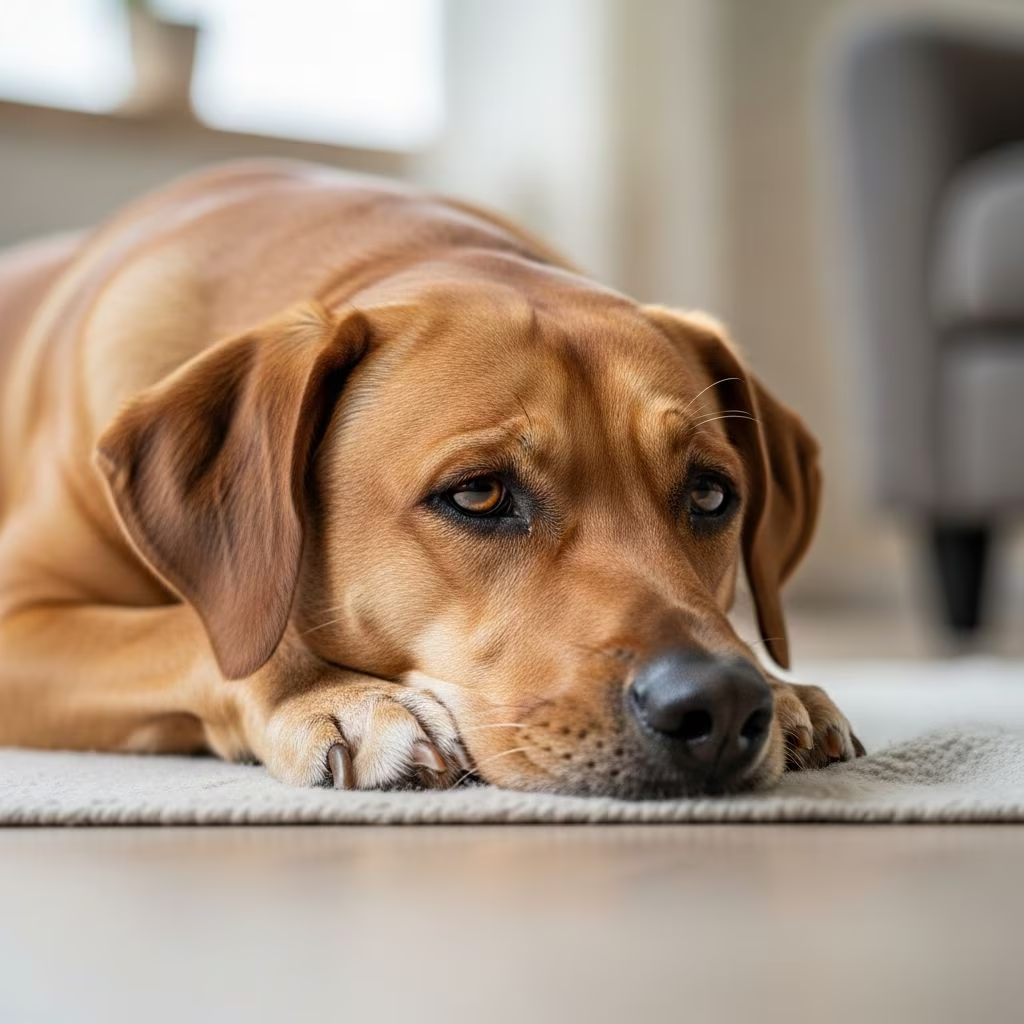
Understanding Pneumonia in Dogs
Pneumonia is a serious respiratory condition that affects dogs just as it can affect humans. This condition involves inflammation of the air sacs in the lungs, known as alveoli, where oxygen exchange occurs between inhaled air and the bloodstream. When pneumonia develops, these air sacs can fill with fluid or pus, which may solidify the sacs and significantly interfere with your dog’s ability to absorb oxygen. As a result, affected dogs experience difficulty breathing and persistent coughing that can range from mild to severe.
The inflammation and accumulation of fluid or pus in the lungs can occur in both lungs or only in certain lobes, depending on the type and severity of pneumonia. While pneumonia can be a serious condition, the good news is that with appropriate veterinary treatment, most dogs recover well. However, if left untreated, pneumonia can develop into severe complications that pose significant health risks to your pet.
Types of Pneumonia in Dogs
Understanding the different types of pneumonia is essential for recognizing when your dog needs veterinary care. Each type has distinct causes and may require different treatment approaches.
Infectious Pneumonia
Infectious pneumonia is the most common type affecting dogs and can be caused by bacterial, viral, or fungal infections. Bacterial pneumonia, in particular, is frequently encountered in veterinary practice and is often caused by Bordetella bronchiseptica, a bacteria easily transmitted between young dogs, elderly dogs, or those with compromised immune systems. Viral pneumonia can involve multiple viruses, including influenza, parainfluenza, and canine adenovirus type-2. Fungal pneumonia occurs when dogs inhale fungal spores, usually from contaminated soil, and may require extended treatment periods.
Aspiration Pneumonia
Aspiration pneumonia develops when your dog accidentally inhales foreign material into the lungs, such as vomit, medication, food particles, or fluid. This type can occur if your dog has an abnormality of the pharynx, a neuromuscular disorder affecting respiratory function, or an enlargement of the lower esophagus due to frequent regurgitation from acid reflux. An incorrectly placed feeding tube can also lead to aspiration pneumonia in some cases.
Allergic and Eosinophilic Pneumonia
Eosinophilic pneumonia occurs when your dog’s immune system reacts abnormally, causing white blood cells called eosinophils to flood the lungs. Respiratory tract irritants such as spores, pollen, or insect antigens may trigger this immune response, causing inflammation and breathing difficulties.
Inhalation Pneumonia
Inhalation pneumonia may develop when dogs breathe noxious fumes, gases, chemicals, or smoke. These toxic particles interfere with the body’s ability to process oxygen normally while also affecting the normal mucus clearance within the lungs.
Symptoms of Pneumonia in Dogs
Recognizing the signs of pneumonia early is crucial for prompt treatment. Dogs with pneumonia typically display a variety of symptoms that affect their respiratory system and overall well-being.
Common signs include:
- Persistent coughing, often deep and dry
- Breathing difficulties or rapid breathing
- Nasal whistling or wheezing sounds
- Irregular breathing patterns
- High fever
- Runny nose or nasal discharge
- Lethargy and reduced energy levels
- Difficulty exercising or reluctance to be active
- Dehydration
- Weight loss or loss of appetite
- Bluish tint to gums or tongue (indicating severe oxygen deprivation)
If you notice any combination of these symptoms in your dog, particularly persistent coughing or difficulty breathing, contact your veterinarian promptly. The severity of symptoms can vary depending on the type and extent of pneumonia and your individual dog’s age and overall health status.
Diagnosing Pneumonia in Dogs
Your veterinarian will conduct a thorough examination to diagnose pneumonia. This typically includes listening to your dog’s lungs with a stethoscope to detect abnormal sounds such as crackles or wheezes. Chest X-rays are often recommended to visualize the lungs and confirm the presence of infiltrates or fluid accumulation.
To determine the specific cause of pneumonia, your veterinarian may perform additional diagnostic tests, including airway cytology (microscopic examination of cells from the airways), bacterial cultures, or sensitivity testing to identify the exact organism causing the infection. In some cases, bronchoscopy may be performed to directly visualize the airways and collect samples for laboratory analysis. These diagnostic tools help guide targeted treatment, ensuring your dog receives the most effective antimicrobial therapy for their specific condition.
Treatment Options for Pneumonia in Dogs
Treatment for pneumonia in dogs depends on the type, severity, and underlying causes. A comprehensive treatment approach typically includes multiple interventions working together to combat the infection and support your dog’s recovery.
Antibiotic Therapy
Antibiotics are the cornerstone of treating bacterial and aspiration pneumonia. Your veterinarian will likely start with a broad-spectrum antibiotic or combination of antibiotics before culture results are available. Common antibiotics prescribed include doxycycline, amoxicillin, ampicillin, and clindamycin, among others. Once laboratory results identify the specific bacteria responsible for the infection, your veterinarian may adjust the medication to target that particular strain more effectively. For fungal pneumonia, antifungal medications are prescribed, which your dog may need to take for several months to ensure complete recovery.
Supportive Care and Medications
Beyond antibiotics, supportive care plays a vital role in pneumonia treatment. Non-steroidal anti-inflammatory drugs (NSAIDs) help control fever and pain associated with the infection. Bronchodilators and expectorants help dilate the airways and make it easier for your dog to cough up fluid trapped in the lungs, improving breathing and oxygen absorption.
Oxygen Therapy
If your dog’s skin or gums show a bluish tint, indicating inadequate oxygen levels in the blood, your veterinarian may administer supplemental oxygen. Oxygen therapy is particularly important in severe cases to ensure your dog receives adequate oxygen for vital organ function and tissue oxygenation.
Nebulization and Coupage
Nebulization involves your dog inhaling a fine mist of water vapor or saline solution to clear air passages and hydrate the airways. Nebulizers create a humid environment similar to a bathroom after a hot shower, promoting moisture in the respiratory tract. Following nebulization, a procedure called coupage is often performed, which involves gentle yet firm tapping around the chest to help break apart and clear mucus and other cells trapped in the airways. These complementary treatments significantly improve airway clearance and breathing in dogs with pneumonia.
Fluid Therapy
Dogs with pneumonia are typically dehydrated, which impairs respiratory clearance and function. Your veterinarian may place an intravenous catheter and administer fluid therapy to rehydrate your dog, supporting recovery and helping the respiratory system function more effectively. Proper hydration is especially important in cases of pneumonia to maintain overall health and support the body’s immune response.
Hospitalization for Severe Cases
In severe cases where your dog isn’t eating or drinking adequately, or shows signs of critical respiratory distress, hospitalization may be necessary. Hospitalized dogs can receive intensive treatments including intravenous antibiotics, supplemental oxygen, fluid therapy, and continuous monitoring by veterinary professionals. This level of care ensures your dog receives optimal support during the most critical phase of their illness.
Managing Your Dog’s Recovery
Successful recovery from pneumonia requires consistent care and attention both during and after veterinary treatment. Your veterinarian may recommend keeping your dog in a warm, dry environment to support respiratory function and comfort. Ensure your dog receives adequate rest and a nutritious diet to support the healing process and strengthen their immune system.
Complete all prescribed medications exactly as directed by your veterinarian, even if your dog appears to be improving. Follow-up appointments and chest X-rays may be recommended to confirm complete resolution of the pneumonia. Watch for any recurrence of symptoms and contact your veterinarian immediately if you notice your dog’s condition deteriorating or new symptoms developing.
Prevention Strategies
While not all cases of pneumonia can be prevented, certain measures may reduce your dog’s risk. Keep your dog’s vaccinations current, including protection against respiratory viruses like influenza and parainfluenza. Minimize exposure to environmental irritants, chemicals, and smoke. For dogs prone to aspiration, feed them in an upright position and monitor for signs of acid reflux or regurgitation. Maintain good hygiene practices, especially around dogs with compromised immune systems, to reduce the spread of infectious agents.
When to Seek Emergency Care
Contact your veterinarian immediately or visit an emergency clinic if your dog experiences severe difficulty breathing, bluish gums or tongue, collapse or loss of consciousness, severe lethargy despite rest, refusal to eat or drink for extended periods, or persistent high fever. Prompt medical attention in these situations can be lifesaving.
Frequently Asked Questions
Q: How long does it take for a dog to recover from pneumonia?
A: Recovery time varies depending on the type and severity of pneumonia, but most dogs show improvement within one to two weeks of appropriate treatment. Complete recovery may take several weeks, and some cases require extended treatment periods, particularly fungal pneumonia which may require months of medication.
Q: Can pneumonia in dogs be contagious to other dogs?
A: Yes, infectious pneumonia caused by bacteria like Bordetella bronchiseptica can be transmitted between dogs, especially those that are very young, very old, or immunocompromised. Dogs with infectious pneumonia should be isolated from other dogs during treatment to prevent spread of the infection.
Q: Is pneumonia in dogs fatal?
A: While pneumonia can be serious, with appropriate veterinary treatment, most dogs recover well. However, if left untreated or if the dog is very old, very young, or has a compromised immune system, pneumonia can lead to serious complications or become fatal.
Q: Can my dog get pneumonia from me?
A: Most pneumonia infections in dogs are not transmissible from humans. However, some viruses may potentially be shared between species. It’s best to practice good hygiene around your dog, especially if you’re ill, to minimize any potential risk.
Q: What should I do if my dog has aspiration pneumonia?
A: Aspiration pneumonia requires veterinary treatment with antibiotics and supportive care. Your veterinarian may recommend anti-vomiting medication, dietary modifications, and feeding adjustments to prevent future aspiration incidents. Address any underlying conditions such as acid reflux or feeding tube issues to prevent recurrence.
Q: Are there long-term effects of pneumonia in dogs?
A: Most dogs recover completely from pneumonia without long-term effects when treated promptly and appropriately. However, dogs with severe or recurrent pneumonia may develop chronic respiratory issues or airway collapse in some cases, requiring ongoing management.
References
- What to Know About Pneumonia in Dogs — WebMD Pets. Accessed November 2025. https://www.webmd.com/pets/dogs/what-to-know-about-pneumonia-in-dogs
- Symptoms of Pneumonia in Dogs & How It Is Treated — Carolina Veterinary Specialists. 2021-05-14. https://www.matthews.carolinavet.com/site/pet-health-blog/2021/05/14/pneumonia-in-dogs-causes-symptoms-treatments
- Pneumonia – Dog Symptoms, Types & Treatments — Brogli Lane Weaver Animal Hospital. 2024-06-15. https://www.broglilaneweaver.com/site/blog/2024/06/15/pneumonia-dog-symptoms
- Pneumonia in Dogs: Causes & Treatment — Critter Creek Veterinary Hospital. 2024-01-24. https://www.crittercreekvet.com/site/blog/2024/01/24/pneumonia-in-dogs-causes-and-treatment
- Pneumonia in Dogs: Signs, Symptoms, and Treatments — American Kennel Club. Accessed November 2025. https://www.akc.org/expert-advice/health/dog-pneumonia/
- Dog Pneumonia — PetMD. Accessed November 2025. https://www.petmd.com/dog/conditions/respiratory/dog-pneumonia
- Bacterial Pneumonia in Dogs and Cats: An Update — PMC National Center for Biotechnology Information. 2020. https://pmc.ncbi.nlm.nih.gov/articles/PMC7114575/
- Pneumonia in Dogs – Dog Owners — Merck Veterinary Manual. Accessed November 2025. https://www.merckvetmanual.com/dog-owners/lung-and-airway-disorders-of-dogs/pneumonia-in-dogs



