

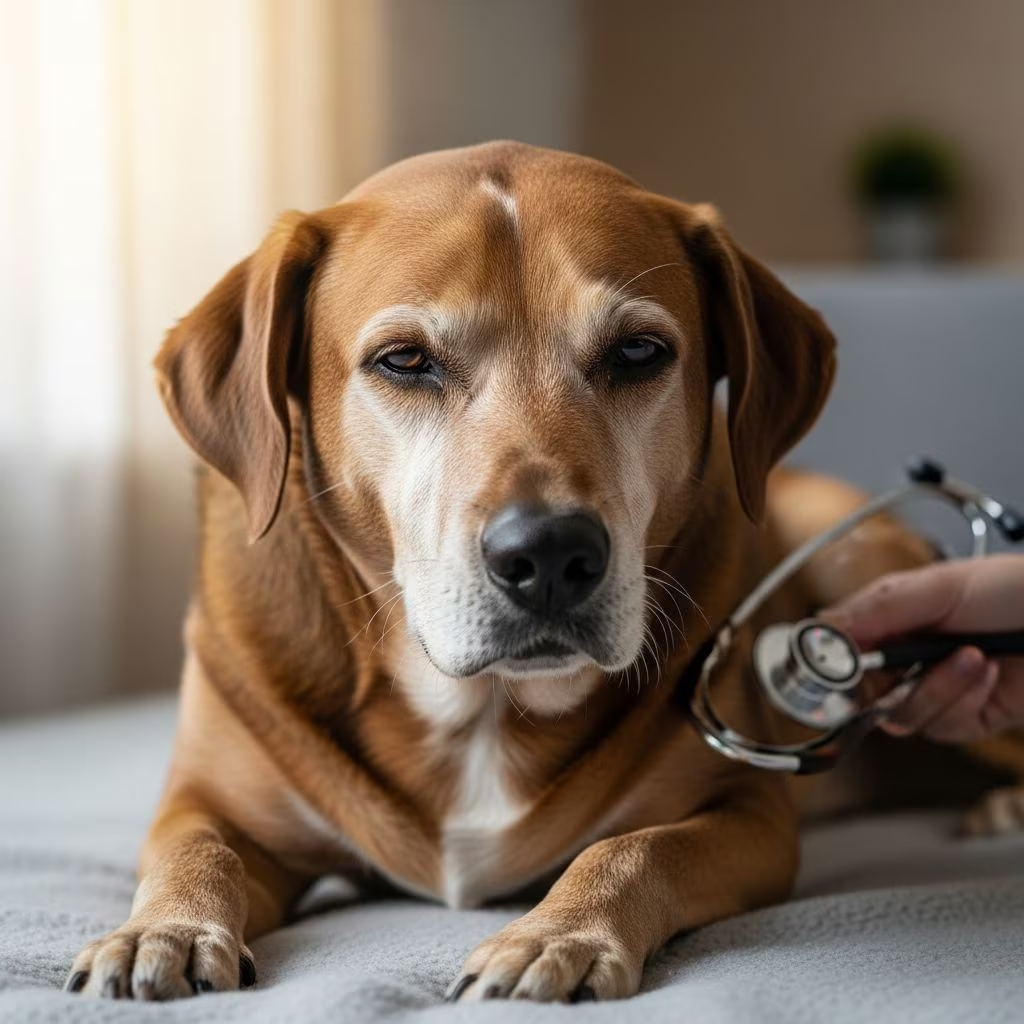
Pneumonia in dogs involves inflammation of the lung’s air sacs, impairing oxygen exchange and causing fluid buildup that hinders breathing. This condition demands prompt veterinary intervention to prevent life-threatening complications.
Understanding Canine Lung Inflammation
The lungs of dogs contain tiny air sacs called alveoli, where oxygen passes into the bloodstream. When these sacs inflame and fill with pus, fluid, or debris, pneumonia develops, affecting one or both lungs. It ranges from mild cases treatable at home to severe ones requiring hospitalization.
Breeds with short noses, like Bulldogs or Pugs, face higher risks due to anatomical challenges in clearing airways. Puppies, seniors, and dogs with weakened immunity are also vulnerable.
Primary Pathways to Pneumonia Development
Dogs acquire pneumonia through infectious agents, physical inhalation mishaps, or environmental exposures. Each pathway triggers unique inflammatory responses in the respiratory system.
Infectious Triggers: Bacteria, Viruses, and More
Bacterial pneumonia often follows viral respiratory infections that damage airway defenses, allowing bacteria like Streptococcus, Staphylococcus, or Bordetella bronchiseptica to invade. Common viruses include canine influenza, parainfluenza, adenovirus, and distemper virus.
Fungal forms arise from inhaling spores from soil in endemic areas, while parasites like lungworms contribute in regions with poor sanitation. These infections spread via airborne droplets or contaminated environments.
Aspiration: The Silent Inhaler Risk
Aspiration pneumonia occurs when dogs inhale vomit, food, saliva, or medications into their lungs. This is common in dogs with swallowing disorders, esophageal issues, acid reflux, or those under anesthesia. Regurgitation from megaesophagus heightens the danger.
Owners might notice it after forceful feeding or during recovery from surgery. The inhaled material introduces bacteria directly into the lungs, sparking rapid inflammation.
Environmental and Secondary Factors
Inhaling smoke, chemicals, or dust irritates lung tissues, predisposing dogs to secondary bacterial overgrowth. Chronic conditions like heart disease or immune suppression create opportunities for opportunistic infections.
Recognizing Warning Signs Early
Symptoms escalate quickly, from subtle coughs to respiratory crisis. Watch for these indicators to seek help promptly.
- Coughing: Persistent, wet or dry, worsening with activity.
- Breathing difficulties: Rapid, shallow breaths, wheezing, or open-mouth panting.
- Fever and lethargy: Warm ears/nose, reluctance to move or play.
- Nasal discharge: Thick, colored mucus from nose or mouth.
- Appetite loss: Refusal to eat, leading to weight decline.
- Blue-tinted gums: Cyanosis signaling oxygen starvation—emergency!
Exercise intolerance and dehydration often accompany advanced stages. Differentiate from kennel cough by severity and persistence.
Diagnostic Approaches for Accurate Identification
Vets start with a physical exam, listening for crackles or wheezes in the lungs. Key tests include:
| Test | Purpose |
|---|---|
| Chest X-rays | Visualize fluid, consolidation, or affected lobes. |
| Blood work | Detect infection markers, dehydration, or organ stress. |
| Tracheal wash or bronchoscopy | Sample airway fluids for cytology, culture, identifying exact pathogens. |
| Ultrasound | Assess pleural effusion or abscesses. |
These pinpoint the cause, guiding targeted therapy and ruling out heart failure or tumors.
Treatment Strategies: From Outpatient to Intensive
Care tailors to severity and cause, emphasizing antimicrobial therapy, oxygenation, and supportive measures. Most dogs recover with 2-4 weeks of treatment.
Antimicrobial and Medication Protocols
Bacterial cases receive broad-spectrum antibiotics like doxycycline (5 mg/kg every 12 hours), amoxicillin-clavulanate, or enrofloxacin, adjusted post-culture.
Viral support focuses on preventing secondary bacteria; antifungals like itraconazole treat fungal types. Bronchodilators (e.g., terbutaline) ease airflow, NSAIDs reduce fever.
| Severity | Sample Treatments |
|---|---|
| Mild/Stable | Doxycycline or amoxicillin-clavulanate PO. |
| Moderate | Dual therapy: Clindamycin + enrofloxacin. |
| Severe/Critical | IV meropenem or piperacillin-tazobactam + oxygen. |
Supportive and Hospital-Based Care
Hospitalized dogs get oxygen therapy via masks or chambers, IV fluids for hydration, and nebulizers for mucus clearance. Physiotherapy like coupage (chest percussion) aids expulsion of secretions.
Nutritional support via feeding tubes prevents further aspiration in megaesophagus cases.
Steps for Home Recovery and Monitoring
Post-discharge, confine to a warm, humid environment. Use steam from showers to loosen mucus. Encourage light activity but avoid exertion.
- Administer all meds as prescribed; complete full courses.
- Monitor temperature, breathing rate (normal: 15-30/min at rest).
- Feed small, frequent upright meals to minimize regurgitation.
- Watch for relapse: worsening cough or lethargy warrants immediate vet visit.
Prevention Tactics for Respiratory Wellness
Vaccinate against core respiratory viruses (distemper, parainfluenza). Avoid smoke, chemicals, and overcrowding. For at-risk dogs:
- Elevate food bowls for brachycephalics.
- Manage reflux with vet-recommended diets.
- Regular deworming in endemic areas.
Post-surgery, monitor closely and position dogs sternally to prevent aspiration.
Prognosis and Long-Term Management
With early intervention, 80-90% of dogs recover fully. Chronic cases or those with underlying diseases may need ongoing meds. Recurrence risks drop with cause correction.
Owners report improved quality of life through diligent follow-up.
Frequently Asked Questions
Can pneumonia in dogs be fatal?
Yes, untreated severe cases lead to respiratory failure, but timely treatment yields high survival rates.
How long does recovery take?
Typically 1-4 weeks, depending on severity and response.
Is aspiration pneumonia preventable?
Largely yes, by careful feeding, anesthesia protocols, and managing GI disorders.
What home remedies help?
Humid air and rest support recovery, but never substitute vet care.
Which dogs are most at risk?
Puppies, seniors, brachycephalics, and immunocompromised pets.
References
- Pneumonia in Dogs: Symptoms, Causes, and Treatment — PetMD. 2023. https://www.petmd.com/dog/conditions/respiratory/dog-pneumonia
- Pneumonia in Dogs: Causes, Symptoms & Treatments — Matthews Carolina Vet. 2021-05-14. https://www.matthews.carolinavet.com/site/pet-health-blog/2021/05/14/pneumonia-in-dogs-causes-symptoms-treatments
- Bacterial Pneumonia in Dogs and Cats: An Update — PMC – NIH. 2020. https://pmc.ncbi.nlm.nih.gov/articles/PMC7114575/
- Pneumonia in Dogs: Signs, Symptoms, and Treatments — AKC. 2023. https://www.akc.org/expert-advice/health/dog-pneumonia/
- Treating Bacterial Pneumonia in Dogs and Cats — Today’s Veterinary Practice. 2023. https://todaysveterinarypractice.com/respiratory-medicine/treating-bacterial-pneumonia-in-dogs-and-cats/
- Pneumonia in Dogs — Tumwater Veterinary. 2024-06-15. https://www.tumwaterveterinary.com/site/blog/2024/06/15/pneumonia-dogs
- Pneumonia in Dogs – Dog Owners — Merck Veterinary Manual. 2023. https://www.merckvetmanual.com/dog-owners/lung-and-airway-disorders-of-dogs/pneumonia-in-dogs



