

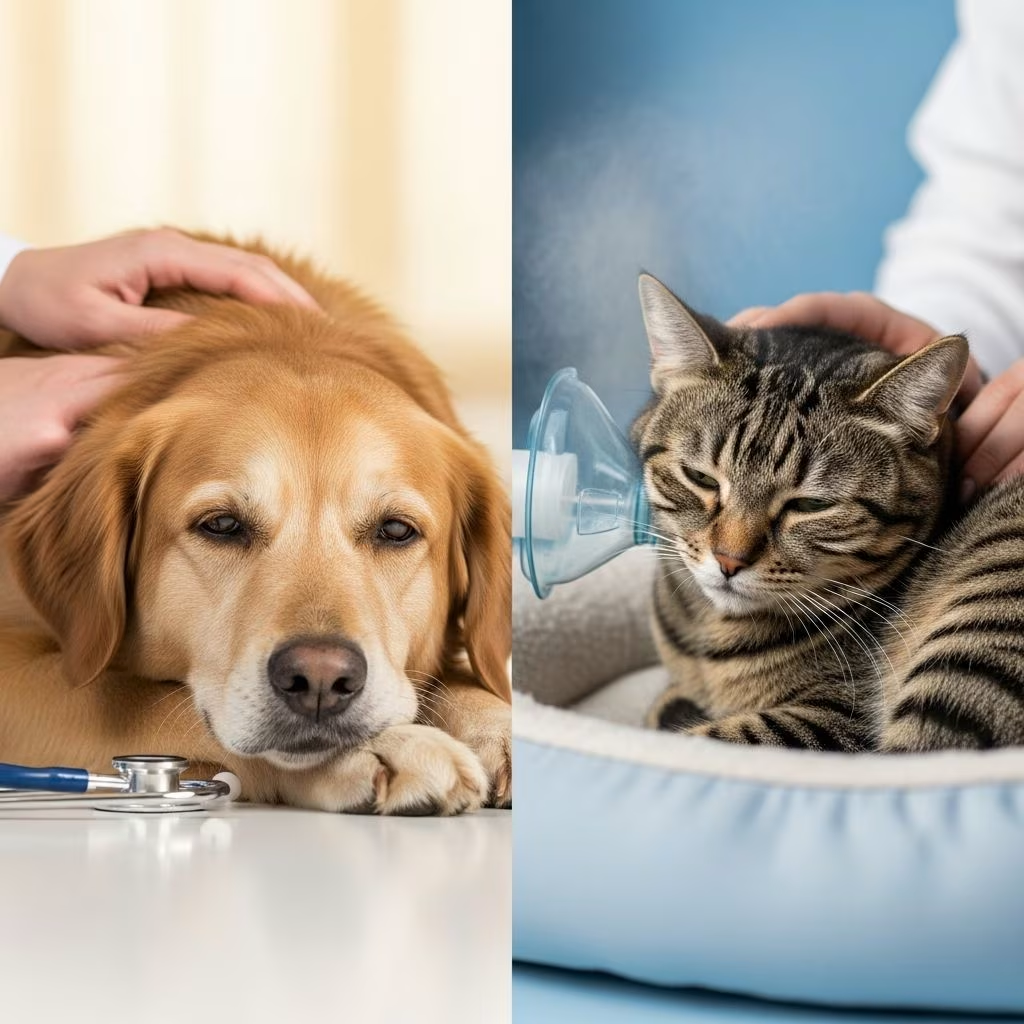
Pneumonia represents a serious inflammation of the lungs in companion animals, where dogs face higher risks than cats due to exposure and anatomical factors. This condition demands prompt veterinary intervention to prevent life-threatening complications like respiratory failure.
Understanding Lung Inflammation in Pets
The lungs fill with fluid, pus, or debris during pneumonia, impairing oxygen exchange and causing distress. In dogs, bacterial agents dominate, often following viral infections or aspiration events, while cats experience subtler presentations that may overlap with upper airway issues. Early detection hinges on observing behavioral shifts and respiratory patterns.
Primary Causes of Pneumonia
Several pathways lead to this disease:
- Bacterial Infections: Pathogens like Bordetella bronchiseptica, Pasteurella multocida, and Mycoplasma species invade after viral weakening of defenses, common in group settings like kennels.
- Aspiration Events: Inhaling vomit, food, or saliva occurs with megaesophagus, anesthesia recovery, or cleft palate in neonates.
- Viral Triggers: Respiratory complexes such as canine infectious respiratory disease (CIRDC) predispose to secondary bacterial overgrowth.
- Fungal and Parasitic Forms: Less frequent, with higher incidence of mycotic types in dogs and cryptococcal in cats.
- Immunosuppression: Conditions like FIV or FeLV in cats elevate susceptibility.
Dogs in shelters or doggy daycares face elevated risks from contagious agents, underscoring the need for vaccination protocols.
Recognizing Warning Signs
Symptoms vary by severity and species. Common indicators include:
- Persistent, harsh coughing that may produce sputum.
- Rapid, labored breathing or open-mouth panting.
- Lethargy, appetite loss, and fever.
- Blue-tinged gums signaling low oxygen levels.
- Crackling lung sounds on veterinary exam.
Cats often show milder signs like wheezing or nasal discharge, mimicking asthma, which complicates early identification. Progression to hypoxia necessitates immediate care, as delays can lead to collapse.
Diagnostic Approaches
Veterinarians employ a multi-step process:
- History and Physical Exam: Assessing exposure history, vaccination status, and auscultation for abnormal sounds.
- Imaging: Thoracic radiographs reveal consolidations, interstitial patterns, or alveolar infiltrates indicative of infection.
- Laboratory Tests: Bloodwork shows leukocytosis; fluid analysis from tracheal washes identifies bacteria via cytology and culture.
- Advanced Sampling: Bronchoalveolar lavage for refractory cases, including anaerobic and Mycoplasma cultures.
Airway sampling remains the gold standard for tailoring antibiotics, especially amid rising resistance rates up to 25%.
| Diagnostic Tool | Purpose in Dogs | Purpose in Cats |
|---|---|---|
| Radiography | Detects alveolar changes clearly | May be normal despite infection |
| Cytology/Culture | Identifies gram-positive/negative bacteria | Differentiates from inflammatory disease |
| Blood Tests | Confirms systemic inflammation | Screens for FIV/FeLV |
Treatment Strategies
Management prioritizes stabilization, infection control, and supportive care. Initial broad-spectrum antibiotics target common pathogens, narrowing based on culture results.
- Antimicrobials: Parenteral options for hospitalized patients, transitioning to oral after improvement; follow ISCAID guidelines for respiratory infections.
- Oxygen Support: Delivered via cage, nasal prongs, or high-flow systems for hypoxemic cases.
- Fluid Therapy: Intravenous hydration thins secretions and combats dehydration.
- Airway Clearance: Nebulization, coupage (chest percussion), and physiotherapy mobilize mucus.
Treatment duration typically spans 2-4 weeks, with de-escalation post-culture; severe cases may require ventilation. Cats benefit from bronchodilators like terbutaline to ease constriction.
Species-Specific Considerations
Dogs: Higher Incidence and Severity
Dogs suffer more aggressive bacterial pneumonias, often linked to CIRDC or aspiration. Hospitalization rates are higher, with physiotherapy critical for recovery.
Cats: Subtle and Underrecognized
Pneumonia proves rarer and harder to pinpoint in cats, where symptoms blend with bronchitis. Routine retroviral testing is essential, as is cautious antibiotic selection against Pasteurella.
Home Recovery and Aftercare
Once stable, outpatient management includes:
- Completing full antibiotic courses to prevent relapse.
- Daily nebulization or humidified environments.
- Gentle coupage sessions 3-4 times daily.
- Encouraging hydration with broth-enhanced water.
- Rest in a stress-free, warm space; limit exercise initially.
Rechecks ensure resolution via repeat imaging. Prognosis excels with early intervention, though comorbidities like megaesophagus worsen outcomes.
Prevention Essentials
Proactive steps reduce risks:
- Vaccinate against Bordetella and core respiratory viruses.
- Avoid overcrowding in high-risk environments.
- Monitor for vomiting or regurgitation to prevent aspiration.
- Maintain dental health and manage chronic illnesses.
Even vaccinated pets remain vulnerable to non-vaccine strains, warranting vigilant monitoring.
Frequently Asked Questions (FAQs)
Can pneumonia resolve without antibiotics?
Viral cases may self-limit, but bacterial superinfections demand antimicrobials to avert progression.
How long does recovery take?
Improvement often appears in 2-3 days; full courses last 2 weeks or more, guided by follow-ups.
Is oxygen therapy safe at home?
No; professional settings provide controlled delivery to avoid complications.
What if my pet coughs after treatment?
Consult a vet promptly, as it may signal recurrence or unresolved issues.
Are certain breeds more prone?
Brachycephalics and those with megaesophagus face heightened aspiration risks.
Long-Term Monitoring
Post-recovery, annual thoracic exams and prompt attention to coughs prevent recurrences. Nutritional support aids immune rebound, particularly in seniors or immunocompromised pets.
References
- Treating Bacterial Pneumonia in Dogs and Cats — Today’s Veterinary Practice. 2023. https://todaysveterinarypractice.com/respiratory-medicine/treating-bacterial-pneumonia-in-dogs-and-cats/
- Pneumonia in Dogs and Cats — BluePearl Pet Hospital. 2024. https://bluepearlvet.com/medical-articles-for-pet-owners/pneumonia-dogs-cats/
- Pneumonia in Dogs and Cats — Merck Veterinary Manual. 2025. https://www.merckvetmanual.com/respiratory-system/respiratory-diseases-of-small-animals/pneumonia-in-dogs-and-cats
- Vet Guide 2025: Pneumonia Management in Dogs and Cats — Ask A Vet. 2025. https://askavet.com/blogs/news/vet-guide-2025-pneumonia-management-in-dogs-and-cats-causes-treatments-home-recovery-tips-%F0%9F%90%B6%F0%9F%90%B1
- Pet Parent’s Guide to Pneumonia in Cats — Oakwood Animal Hospital. 2024-02-15. https://www.oakwoodanimalhospital.com/site/blog/2024/02/15/cat-pneumonia



