

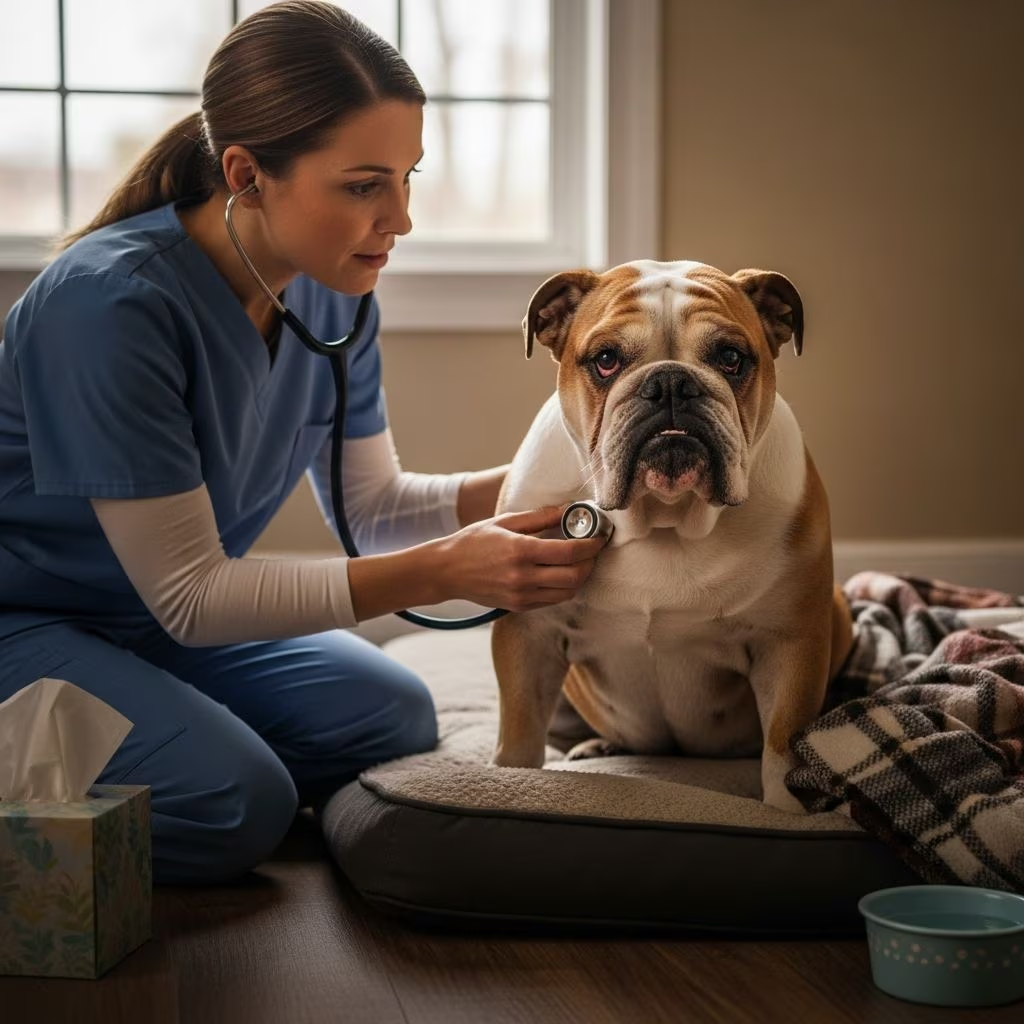
Pneumonia in dogs involves inflammation of the lung’s air sacs, leading to fluid or pus accumulation that impairs oxygen exchange and causes breathing difficulties. This condition demands prompt veterinary intervention to prevent life-threatening complications.
Understanding the Respiratory Impact on Canines
The lungs of dogs contain tiny air sacs called alveoli, where oxygen passes into the bloodstream. When pneumonia strikes, these sacs fill with inflammatory exudate, pus, or fluid, reducing lung efficiency and triggering a cascade of symptoms. Both lungs or specific lobes can be affected, with severity depending on the cause and the dog’s overall health.
Dogs at higher risk include puppies, seniors, and those with compromised immunity, such as from chronic illnesses or recent viral infections. Early recognition is crucial, as untreated cases can lead to respiratory failure or secondary infections.
Primary Causes of Canine Pneumonia
Pneumonia in dogs arises from diverse origins, broadly categorized into infectious agents and non-infectious factors. Identifying the root cause guides effective treatment strategies.
Infectious Pneumonia Variants
- Bacterial Pneumonia: The most frequent type, often stemming from Bordetella bronchiseptica, Streptococcus, Staphylococcus, or E. coli. It spreads in crowded settings like kennels, affecting vulnerable dogs.
- Viral Pneumonia: Triggered by viruses like influenza, parainfluenza, or canine adenovirus type-2, typically weakening defenses for secondary bacterial invasion.
- Fungal Pneumonia: Results from inhaling fungal spores from soil, common in endemic areas.
- Parasitic Pneumonia: Rare, caused by lungworms or other parasites migrating to the lungs.
Aspiration Pneumonia Explained
Aspiration occurs when dogs inhale foreign material like vomit, food, or medication into their lungs. Risk factors include esophageal disorders, acid reflux, neuromuscular issues, or improper feeding tube placement. This type often strikes post-vomiting or during anesthesia recovery.
| Type | Common Causes | Risk Groups |
|---|---|---|
| Bacterial | Bordetella, E. coli | Puppies, immunocompromised |
| Viral | Influenza, adenovirus | Young, unvaccinated dogs |
| Aspiration | Vomit inhalation, reflux | Dogs with GI issues |
| Fungal | Soil spores | Outdoor explorers in endemic zones |
Recognizing Critical Symptoms Early
Symptoms overlap across pneumonia types but escalate rapidly without care. Watch for these red flags:
- Persistent, productive cough
- Labored or rapid breathing, possibly with wheezing
- Lethargy and exercise intolerance
- Fever and nasal discharge
- Loss of appetite, dehydration, and weight loss
- Blue-tinged gums (cyanosis) in severe cases
Bacterial cases may show high fever and runny nose, while aspiration often follows regurgitation episodes. Emergency signs include open-mouth breathing, collapse, or orthopnea (upright posture for air).
Diagnostic Approaches in Veterinary Practice
Vets start with a thorough history and physical exam, listening for abnormal lung sounds. Confirmation involves:
- Chest X-rays to visualize fluid or consolidation
- Blood tests for infection markers and oxygen levels
- Tracheal washes or bronchoscopy for cytology and cultures
- Ultrasound or CT scans for detailed imaging
Cultures identify specific pathogens, enabling targeted therapy, especially vital for antibiotic-resistant strains.
Treatment Protocols for Recovery
Treatment hinges on the cause, with most dogs recovering fully under proper management. Hospitalization is common for severe cases.
Medications and Supportive Care
- Antibiotics: Broad-spectrum like doxycycline or azithromycin initially, narrowed by culture results. Courses last 7-10 days for uncomplicated cases.
- Antifungals: Itraconazole for fungal infections.
- Bronchodilators and Expectorants: Terbutaline or albuterol to ease breathing and clear mucus.
- Anti-inflammatories: NSAIDs for fever and pain.
Hospital-Based Interventions
Severe patients receive oxygen therapy, IV fluids for hydration, and nebulization. Physiotherapy, like coupage (chest percussion), aids mucus expulsion. Never suppress coughs, as they clear airways.
| Treatment | Purpose | Examples |
|---|---|---|
| Oxygen Therapy | Improve oxygenation | Mask, cage, or nasal cannula |
| Antibiotics | Combat infection | Doxycycline, broad-spectrum combos |
| Supportive Fluids | Prevent dehydration | IV saline |
| Nebulization | Loosen secretions | Steam or medicated mist |
Home care post-discharge includes rest, steam sessions (bathroom humidity), and strict medication adherence.
Prevention Strategies for Pet Owners
Proactive steps reduce risks significantly:
- Vaccinate against respiratory viruses and Bordetella.
- Avoid aspiration by feeding upright, managing reflux, and post-meal monitoring.
- Maintain hygiene in multi-dog homes.
- Regular vet check-ups for at-risk breeds like brachycephalics (Pugs, Bulldogs).
- Limit exposure to fungal-prone environments.
Prognosis and Long-Term Management
With timely treatment, prognosis is excellent, though recurrence is possible in predisposed dogs. Chronic cases may need ongoing airway support or bronchiectasis management. Monitor for relapse signs and address underlying conditions like megaesophagus.
Frequently Asked Questions (FAQs)
Can pneumonia in dogs be fatal?
Yes, if untreated, it can lead to respiratory failure, but most recover with vet care.
How long does recovery take?
Typically 1-3 weeks with antibiotics and support; severe cases longer.
Is aspiration pneumonia preventable?
Often yes, by careful feeding and managing GI disorders.
Should I give human cough medicine to my dog?
No—consult a vet; suppressants can worsen outcomes.
What breeds are prone to pneumonia?
Small breeds, brachycephalics, and those with laryngeal paralysis.
References
- Pneumonia in Dogs: Symptoms, Causes, and Treatment — PetMD. 2023. https://www.petmd.com/dog/conditions/respiratory/dog-pneumonia
- Symptoms of Pneumonia in Dogs & How It Is Treated — Matthews Carolina Vet. 2021-05-14. https://www.matthews.carolinavet.com/site/pet-health-blog/2021/05/14/pneumonia-in-dogs-causes-symptoms-treatments
- Pneumonia – Dog Symptoms, Types & Treatments — Pacific Santa Cruz Vet. 2023-09-15. https://www.pacificsantacruzvet.com/site/blog/2023/09/15/pneumonia-dog-symptoms
- Pneumonia in Dogs: Signs, Symptoms, and Treatments — AKC. 2023. https://www.akc.org/expert-advice/health/dog-pneumonia/
- Treating Bacterial Pneumonia in Dogs and Cats — Today’s Veterinary Practice. 2023. https://todaysveterinarypractice.com/respiratory-medicine/treating-bacterial-pneumonia-in-dogs-and-cats/
- Dog Pneumonia: Know the Causes, Signs, and Treatment — ASPCA Pet Insurance. 2023. https://www.aspcapetinsurance.com/resources/dog-pneumonia/
- Bacterial Pneumonia in Dogs and Cats: An Update — PubMed Central (PMC). 2020-03-15. https://pmc.ncbi.nlm.nih.gov/articles/PMC7114575/



