

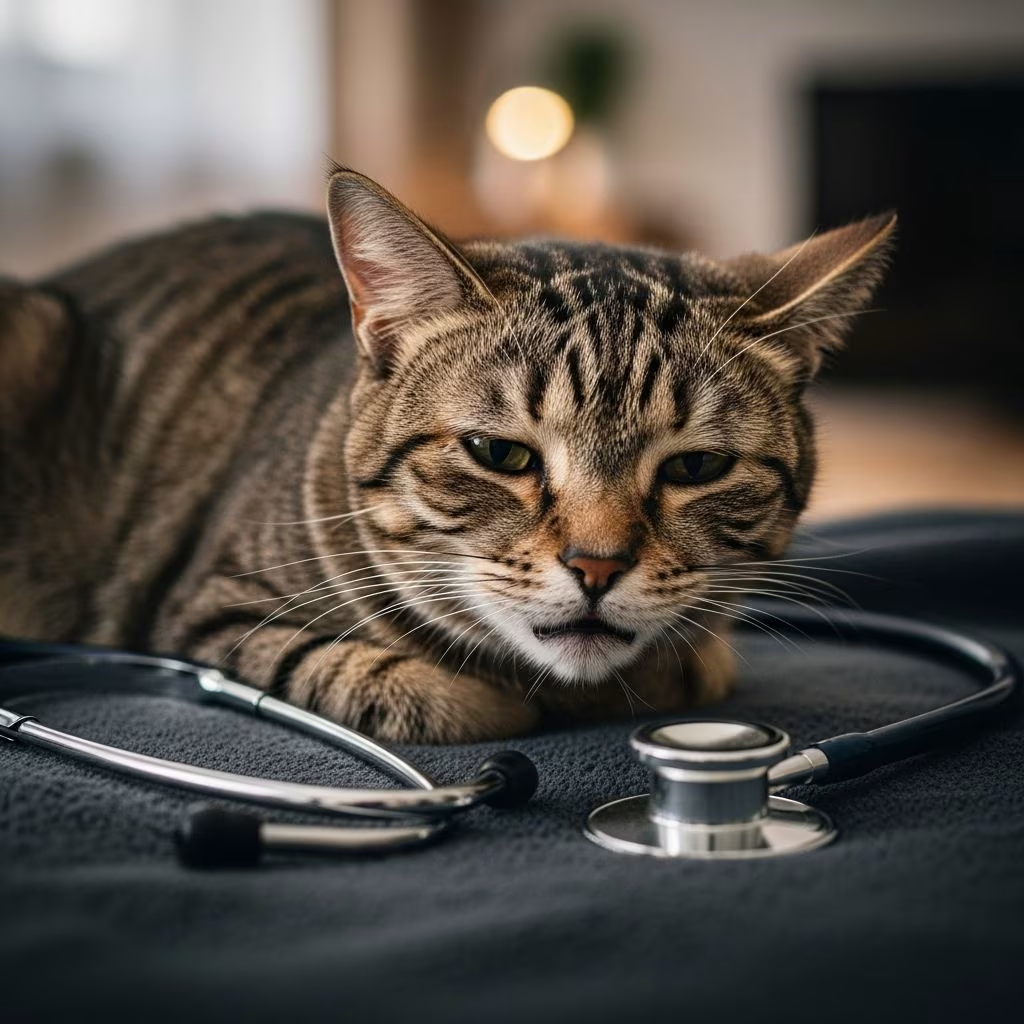
Pneumonia in cats is a serious respiratory condition characterized by lung inflammation that impairs breathing and oxygen exchange, often requiring prompt veterinary attention to prevent life-threatening complications.
Understanding the Respiratory Challenges in Felines
Cats possess delicate respiratory systems where the lungs and airways must function seamlessly to deliver oxygen to the bloodstream. When inflammation disrupts this process, cats face reduced oxygen levels, leading to systemic weakness and potential organ strain. This condition disproportionately affects kittens, seniors, and immunocompromised felines, highlighting the need for vigilant monitoring.
Primary Types of Pneumonia Affecting Cats
Pneumonia manifests in several forms, each with distinct origins and implications for treatment.
- Infectious Pneumonia: The predominant type, stemming from bacterial, viral, or fungal invasions of the airways, frequently complicating upper respiratory infections.
- Aspiration Pneumonia: Arises from inhaling foreign substances like vomit, medications, or small objects, irritating lung tissues.
- Fungal and Parasitic Pneumonia: Less common, involving spore inhalation or lungworm infestations, often linked to environmental exposure.
| Type | Common Causes | Risk Factors |
|---|---|---|
| Infectious | Bacteria (e.g., Mycoplasma, E. coli), viruses (e.g., Feline Herpesvirus) | Weakened immunity, viral co-infections |
| Aspiration | Vomit, liquid meds, foreign bodies | Improper medication administration, vomiting episodes |
| Fungal/Parasitic | Soil spores, lungworms | Outdoor exposure, regional prevalence |
Recognizing Early Warning Signs
Early detection hinges on observing subtle behavioral and physical changes. Cats with pneumonia often exhibit rapid, labored breathing, audible wheezing, and a persistent deep cough that may produce discolored discharge. Additional indicators include fever, lethargy, appetite loss leading to weight reduction, bluish gum discoloration from hypoxia, rapid heartbeat, and nasal discharge that shifts from clear to yellow-green. In severe cases, owners note an untidy coat, difficulty swallowing, or lip blowing during exhalation.
These symptoms can escalate quickly, especially in vulnerable populations, underscoring the importance of immediate veterinary consultation if breathing difficulties persist.
Diagnostic Approaches for Accurate Identification
Veterinarians employ a multi-faceted strategy to confirm pneumonia and pinpoint its cause. Initial physical exams assess respiratory rate, lung sounds, and oxygen saturation via pulse oximetry.
- X-rays reveal lung consolidation, fluid accumulation, or infiltrates distinguishing pneumonia from other conditions like asthma.
- Tracheal washes or bronchoalveolar lavage collect samples for cytology, culture, and sensitivity testing to identify pathogens.
- Bloodwork evaluates infection markers, dehydration, and underlying issues like FIV/FeLV.
- Advanced imaging or endoscopy may be used for complex cases.
This targeted diagnostics ensures therapies address the root cause rather than symptoms alone.
Effective Treatment Protocols
Treatment prioritizes stabilization followed by pathogen-specific interventions. Severe cases demand hospitalization for intensive monitoring.
- Supportive Care: Oxygen therapy via masks or chambers, nebulization for airway hydration, IV fluids for hydration, and nutritional support via tubes if needed.
- Antimicrobial Therapy: Broad-spectrum antibiotics initially for bacterial infections, refined post-culture; antifungals for mycotic cases; antivirals rarely.
- Adjunctive Measures: Physiotherapy to clear mucus, bronchodilators, and anti-inflammatories.
De-escalation of antibiotics occurs once cultures guide narrower-spectrum options, optimizing recovery while minimizing resistance. Prognosis improves with early, aggressive intervention, though chronic cases may require prolonged care.
Steps for Home Recovery and Monitoring
Post-hospitalization, create a stress-free environment with humidified air, easy-access food/water, and confinement to limit exertion. Administer medications precisely, monitor breathing (normal: 20-30 breaths/min), appetite, and activity. Follow-up X-rays track resolution. Avoid irritants like smoke or strong scents.
Prevention Strategies to Safeguard Your Cat
Proactive measures reduce risk significantly.
- Vaccinate against core respiratory viruses like calicivirus and herpesvirus.
- Administer liquid meds carefully, using upright positioning and slow delivery.
- Maintain hygiene to curb bacterial spread, especially in multi-cat homes.
- Limit outdoor access in fungal-endemic areas; use parasite preventives.
- Monitor high-risk cats closely and address vomiting promptly.
Prognosis and Long-Term Outlook
Most cats recover fully with timely treatment, though kittens and seniors face higher risks. Recurrence is possible if underlying issues persist, necessitating ongoing management. Full resolution may take weeks, with persistent coughs occasionally lingering.
Frequently Asked Questions (FAQs)
Can cats recover from pneumonia at home?
Mild cases may be managed outpatient with supportive care, but moderate-severe ones require hospitalization for oxygen and IV therapies.
How long does treatment for cat pneumonia last?
Typically 2-6 weeks, depending on severity and response, with antibiotics continued beyond symptom resolution.
Is pneumonia contagious to other cats?
Infectious types can spread via airborne pathogens or shared environments, isolating affected cats is advisable.
What home remedies help with cat pneumonia?
Humidifiers and rest aid comfort, but never substitute veterinary-prescribed treatments.
Why do kittens get pneumonia more often?
Immature immune systems and frequent viral exposures heighten susceptibility.
References
- Cat Pneumonia: Know the Causes, Signs, and Treatment — ASPCA Pet Insurance. 2023. https://www.aspcapetinsurance.com/resources/cat-pneumonia/
- Pneumonia — Cornell University College of Veterinary Medicine. Accessed 2026. https://www.vet.cornell.edu/departments-centers-and-institutes/cornell-feline-health-center/health-information/feline-health-topics/pneumonia
- Pneumonia in Cats — PetMD. 2023. https://www.petmd.com/cat/conditions/respiratory/pneumonia-cats
- Pneumonia in Cats — Animal Medical Center of New England. 2023-07-31. https://www.amcne.com/site/blog/2023/07/31/pneumonia-cats
- Signs of Pneumonia in Cats — Foothill Parkway Animal Hospital. 2024-02-15. https://www.fphclovis.com/site/blog/2024/02/15/signs-pneumonia-cats
- Pneumonia in Cats — Burbank Pet Hospital. 2024-08-15. https://www.burbankpet.com/site/blog/2024/08/15/pneumonia-in-cats
- Treating Bacterial Pneumonia in Dogs and Cats — Today’s Veterinary Practice. Accessed 2026. https://todaysveterinarypractice.com/respiratory-medicine/treating-bacterial-pneumonia-in-dogs-and-cats/



