

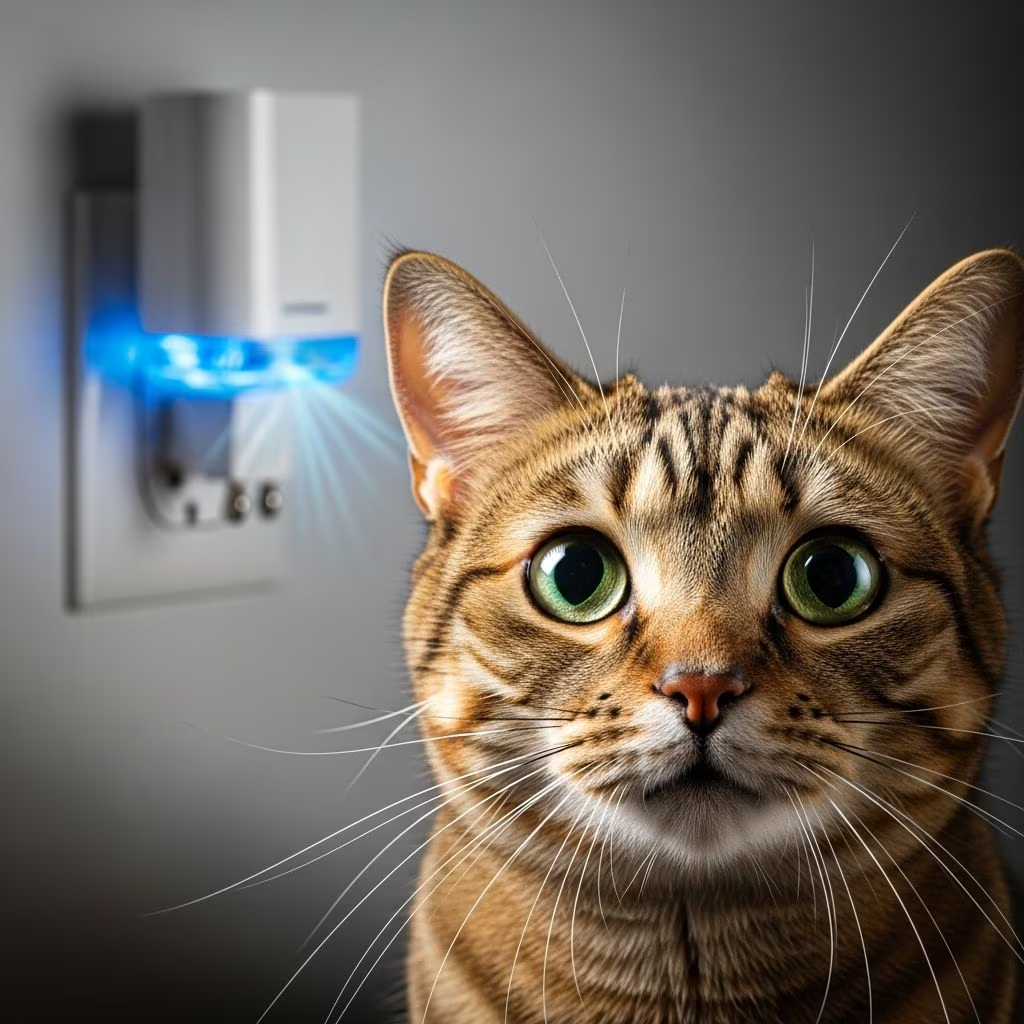
Many cat owners unknowingly expose their pets to hidden dangers lurking in common household items like plug-in air fresheners. These convenient devices promise a pleasant aroma but release a cocktail of chemicals that can severely impact feline health. Cats, with their heightened sensitivity to smells and unique metabolic vulnerabilities, face amplified risks from volatile organic compounds (VOCs), synthetic fragrances, and essential oils found in these products.
The Science Behind Feline Vulnerability
Cats possess an extraordinary sense of smell, equipped with 45 to 200 million odor-sensitive cells in their noses—far surpassing the mere 5 million in humans. This superior olfactory system, while a superpower for hunting and navigation, makes them acutely susceptible to airborne irritants. Plug-in air fresheners continuously emit VOCs like benzene and formaldehyde, which irritate respiratory tracts and exacerbate conditions such as asthma or bronchitis in cats.
Furthermore, felines lack key liver enzymes necessary for metabolizing certain toxins, including phenols and terpenes prevalent in essential oils. When inhaled or ingested, these substances accumulate, leading to toxic buildup. Veterinary resources highlight that rapid absorption through skin or lungs compounds the issue, potentially causing drooling, vomiting, tremors, or seizures.
Common Culprits in Plug-In Fresheners
Plug-in devices often contain a mix of synthetic fragrances and ‘natural’ additives that spell trouble for cats. Here’s a breakdown of problematic ingredients:
- Volatile Organic Compounds (VOCs): Evaporate into the air, reacting to form ground-level ozone and worsening indoor pollution. Short-term effects include eye, nose, and throat irritation; long-term risks involve hormonal disruption and cancer.
- Essential Oils: Tea tree, cinnamon, citrus, peppermint, eucalyptus, and lavender top the toxic list. Even small exposures via diffusion can trigger gastrointestinal upset, liver damage, or neurological issues.
- Artificial Fragrances: Phthalates and undisclosed chemicals mask odors without neutralizing them, leading to chronic respiratory inflammation.
| Ingredient Type | Risks to Cats | Examples |
|---|---|---|
| VOCs | Respiratory irritation, asthma flares | Benzene, Formaldehyde |
| Essential Oils | Liver toxicity, seizures | Tea Tree, Peppermint |
| Synthetic Scents | Skin issues, behavioral stress | Phthalates |
Immediate and Long-Term Health Impacts
Exposure manifests in varied symptoms, from subtle to life-threatening. Acute reactions include sneezing, coughing, watery eyes, and excessive grooming due to discomfort. Owners report pets hiding, showing anxiety, or altering litter habits from overwhelming scents.
Chronic exposure correlates with a surge in feline asthma cases, linked to polluted indoor environments. The ASPCA notes a 400% increase in essential oil toxicity calls over the past decade, underscoring the growing prevalence as these products gain popularity. In severe ingestions—common with curious kittens chewing cords—symptoms escalate to diarrhea, organ failure, or death.
Recognizing Warning Signs
- Sudden sneezing or wheezing
- Lethargy or loss of appetite
- Drooling, pawing at mouth
- Tremors, uncoordinated movement
- Skin rashes or hair loss
Real-World Cases and Statistics
Anecdotal evidence abounds: one owner detailed their cat’s months-long sneezing ceasing after unplugging a freshener, while another’s pet suffered seizures resolved post-removal. These stories align with veterinary observations of rising respiratory complaints in scented homes.
Research from nonprofits like the Environmental Working Group reveals over 75% of tested air fresheners pose significant health hazards due to VOCs. For cats, the stakes are higher given their grooming habits, which ingest airborne particles, and smaller body mass amplifying toxin doses.
Safe Alternatives for a Fresh Feline Home
Ditching plug-ins doesn’t mean tolerating odors. Prioritize ventilation by opening windows daily, harnessing natural airflow to dilute pollutants. HEPA air purifiers excel at capturing VOCs, allergens, and particles without chemical emissions.
Opt for pet-safe options:
- Baking Soda Boxes: Place open containers in problematic areas to absorb odors naturally.
- Vinegar Solutions: Simmer pots of white vinegar with herbs like rosemary (cat-safe in moderation) for subtle freshness.
- Pet-Formulated Sprays: Choose products explicitly labeled free of essential oils and VOCs, verified by vets.
- Plants: Spider plants or Boston ferns purify air biologically.
Regular cleaning with unscented, enzyme-based products prevents buildup at the source, reducing the need for masking agents.
Expert Guidelines for Prevention
Veterinarians urge immediate discontinuation of plug-ins in multi-pet homes, especially for asthmatic or senior cats. Monitor for symptoms and consult professionals if exposure is suspected—activated charcoal or supportive care can mitigate effects.
For reed diffusers and aerosols, the same rules apply: continuous release heightens risks. Always scrutinize labels, avoiding anything with phenols, terpenes, or vague ‘fragrance’ listings.
FAQs: Plug-In Air Fresheners and Cats
Are all air fresheners dangerous for cats?
Not all, but most plug-ins and those with essential oils are. Stick to unscented or vet-approved varieties.
What if my cat seems fine after exposure?
Subtle damage accumulates; watch for behavioral shifts and err on caution by removing sources.
Can ‘natural’ fresheners harm cats?
Yes, ‘natural’ often means concentrated essential oils toxic to felines lacking proper metabolizing enzymes.
How quickly do symptoms appear?
Immediate for irritation; days to weeks for chronic issues like asthma worsening.
Is secondhand exposure a concern?
Absolutely—cats groom inhaled particles, ingesting toxins indirectly.
Steps to Detox Your Home
- Unplug all devices immediately.
- Ventilate thoroughly for 48 hours.
- Deep clean fabrics and surfaces.
- Install an air purifier.
- Transition to natural absorbers.
By implementing these changes, cat owners safeguard their pets’ well-being while maintaining a pleasant living space. Proactive choices today prevent veterinary bills and heartache tomorrow.
References
- How Air Fresheners and Essential Oil Plug-Ins Can Harm Your Beloved Pets — WNC Pet Care. 2023. https://www.wncpetcare.com/post/the-silent-threat-how-air-fresheners-and-essential-oil-plug-ins-can-harm-your-beloved-pets
- Why You Shouldn’t Use Air Fresheners in Homes with Cats — Ingrid King. 2023-11-16. https://ingridking.com/2023/11/16/why-you-shouldnt-use-air-fresheners-in-homes-with-cats-or-humans-for-that-matter/
- Which Scents are Safe for Cats & Why? — Lola Hemp. 2024. https://lolahemp.com/blogs/cat-health/which-scents-are-safe-for-cats



