

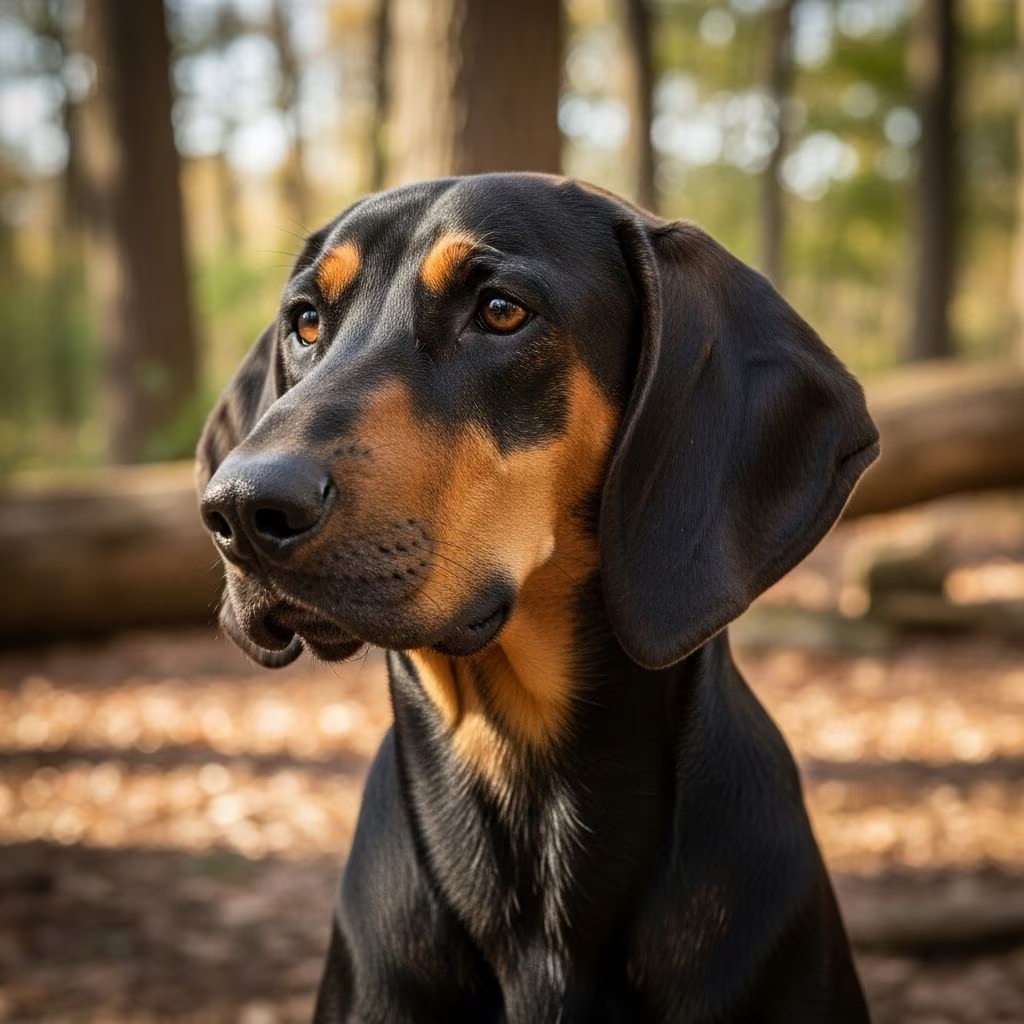
The Plott Hound stands as a testament to American ingenuity in dog breeding, originating from German hounds brought to the New World and refined into a premier big-game tracker. As North Carolina’s official state dog, this athletic breed combines relentless drive with family devotion, making it a captivating choice for dedicated owners.
Origins in the Appalachian Wilderness
The story of the Plott Hound begins in the mid-18th century when young Johannes Plott, later known as George, immigrated from Germany to North Carolina, accompanied by five Hanoverian Schweisshunds renowned for boar hunting. These sturdy, brindle-coated dogs formed the foundation of the breed, adapted over generations to the rugged terrain of the Appalachians.
George’s son, Henry Plott, settled in Haywood County around 1800, where he systematically bred the dogs for endurance and courage against bears, boars, and other predators. The Plotts’ hounds became legendary, passed down as family heirlooms and integral to frontier survival, herding livestock by day and pursuing game by night.
By the 19th century, the breed’s fame spread among hunters, culminating in feats like the 1935 bear hunt led by Plott descendants, where their dogs treed 20 bears in three days. This prowess secured the Plott Hound’s status, leading to its recognition as North Carolina’s state dog in 1989.
Physical Characteristics and Breed Standards
Plott Hounds exhibit a muscular, athletic build optimized for stamina and speed, standing 20-25 inches at the shoulder and weighing 40-60 pounds. Their distinctive brindle coat—ranging from black to red, often with tan accents—provides camouflage in forests, while a sleek, short double coat sheds minimally and repels dirt.
| Feature | Description |
|---|---|
| Height | 20-25 inches (males larger) |
| Weight | 40-60 pounds |
| Coat | Short, brindle (black, blue, red, tan) |
| Ears | Long, pendulous, set low |
| Tail | Straight, saber-like |
| Eyes | Dark, expressive |
Unlike baggy-skinned hounds, Plotts have tight skin over powerful muscles, enabling agile pursuits. Some lines feature “leopard” spotting from cur crosses, though purists favor traditional brindle.
Temperament and Family Fit
Renowned for intelligence, loyalty, and alertness, Plott Hounds form deep bonds with owners, often protective to a fault. They thrive with confident leaders, displaying gentleness toward children and livestock while fiercely confronting threats.
- Courageous Hunters: Fearless in tracking bear or boar, with a powerful bay that signals quarry.
- Playful Companions: Energetic and affectionate at home, enjoying family hikes.
- Sensitive Souls: Respond to positive reinforcement; harsh methods can cause anxiety.
- Social Needs: Best with experienced owners who provide mental stimulation.
Not ideal for novices due to high prey drive and wanderlust, but with training, they excel as versatile pets.
Training Strategies for Success
Plott Hounds demand firm, consistent training from puppyhood, leveraging their smarts for scent work or agility. Early socialization curbs hound stubbornness, while positive methods build trust.
Key tips include:
- Enroll in obedience classes to channel energy.
- Use scent games to engage their nose.
- Secure fencing prevents escapes during baying frenzies.
- Rotate toys to combat boredom-induced chewing.
Advanced owners pursue hunt tests or search-and-rescue roles, where Plotts shine.
Exercise and Lifestyle Demands
These high-octane athletes require 1-2 hours of vigorous daily activity—running, swimming, or trailing—to stay balanced. Insufficient outlets lead to vocalizing or digging.
- Ideal Activities: Hiking, lure coursing, backpacking.
- Companions for: Runners, hunters, rural dwellers.
- Apartment Warning: Poor fit without ample outdoor access.
In packs, they harmonize melodiously; solo, they bond intensely with one human.
Nutrition and Daily Care
Fuel Plotts with high-protein kibble (25-30% protein) supporting lean muscle, portioned to prevent bloat risk: 2-3 cups daily for adults, split meals. Fresh water is essential post-exertion.
Grooming is simple: weekly brushing, monthly baths, ear checks for infections, and nail trims. Dental chews maintain oral health amid hearty chewing habits.
Health Profile and Longevity
Robust Plotts live 12-14 years, but vigilance against breed risks is key. Hip dysplasia, ear infections, and gastric torsion top concerns; annual vet exams with OFA certifications aid selection.
| Common Health Issue | Prevention/Treatment |
|---|---|
| Hip Dysplasia | X-rays, weight control, joint supplements |
| Ear Infections | Cleaning, drying after swims |
| Gastric Torsion | Elevated bowls, slow feeding |
| Heartworm | Monthly preventives |
Responsible breeders screen for genetic issues, ensuring puppies from health-tested lines.
Puppy Selection and Breeder Insights
Seek AKC-registered breeders prioritizing temperament tests and health clearances. Visit to observe parents’ behavior—alert yet calm signals quality. Puppies should be vet-checked, vaccinated, and microchipped by 8 weeks.
Adoption from rescues suits many; Plotts adapt well post-hunting careers.
Plott Hounds in Modern Pursuits
Beyond tradition, Plotts compete in AKC events, therapy roles, and wilderness searches. Their grit endures in conservation tracking, preserving wild game balance.
Frequently Asked Questions
Are Plott Hounds good with kids?
Yes, when socialized; their gentle side emerges with family.
Do they bark a lot?
Vocally expressive during hunts or alerts, but trainable indoors.
What’s the best home for a Plott?
Spacious yards with active owners; avoid sedentary lifestyles.
How much exercise do they need?
At least 60-90 minutes of intense activity daily.
Are they hypoallergenic?
No, moderate shedding occurs seasonally.
Comparing Plott Hounds to Similar Breeds
| Breed | Size | Energy | Hunting Drive | Family Fit |
|---|---|---|---|---|
| Plott Hound | Medium | High | Extreme | Good w/ training |
| Black & Tan Coonhound | Medium-Large | Medium | High | Excellent |
| Bloodhound | Large | Medium | High (scent) | Calm |
| Treeing Walker | Medium | High | High | Very good |
Plotts outpace peers in big-game tenacity but match energy needs.
This breed’s legacy endures, blending frontier spirit with modern companionship for those ready for adventure.
References
- Plott Hound Dog Breed and Characteristics — ShowSight Magazine. 2023. https://showsightmagazine.com/dog-breeds/plott-hound/
- Plott Hound History: Behind The Breed — American Kennel Club (AKC). 2023-01-01. https://www.akc.org/expert-advice/dog-breeds/plott-hound-history-behind-breed/
- Plott Hound — Wikipedia. 2026. https://en.wikipedia.org/wiki/Plott_Hound
- Plott hounds hold unique place in WNC history — Smoky Mountain News. 2014-05-01. https://smokymountainnews.com/archives/item/21274-plott-hounds-hold-unique-place-in-wnc-history
- The History of the Plott Hound – The Official NC State Dog — Visit Haywood. 2023. https://visithaywood.com/blog/history-plott-hound/



